

Scientists are raising alarms about a phenomenon that might seem positive at first glance: the Earth is changing color, becoming greener.
advertisement
While a greener Earth might appear to be a step in the right direction, the implications are more complex and not entirely reassuring.
Color often serves as a signal in our daily lives.
For instance, red usually warns us to stop or alerts us to danger, heat, and urgent warnings.
Conversely, green generally signals safety, success, and vitality.
It suggests that we're on the right track, that growth and health are present.
So, you might think hearing that the Earth is turning greener would be welcome news.
advertisement
In some respects, it could be seen as a positive development, but the situation is nuanced.
Global warming is a relentless issue, yet recent research using satellite imagery has revealed an increase in green vegetation across the globe.
This surge in greenery, both on land and in the oceans, means more plants are absorbing CO2, potentially mitigating some effects of climate change.
However, the phenomenon known as 'global greening' isn't just a cause for celebration.
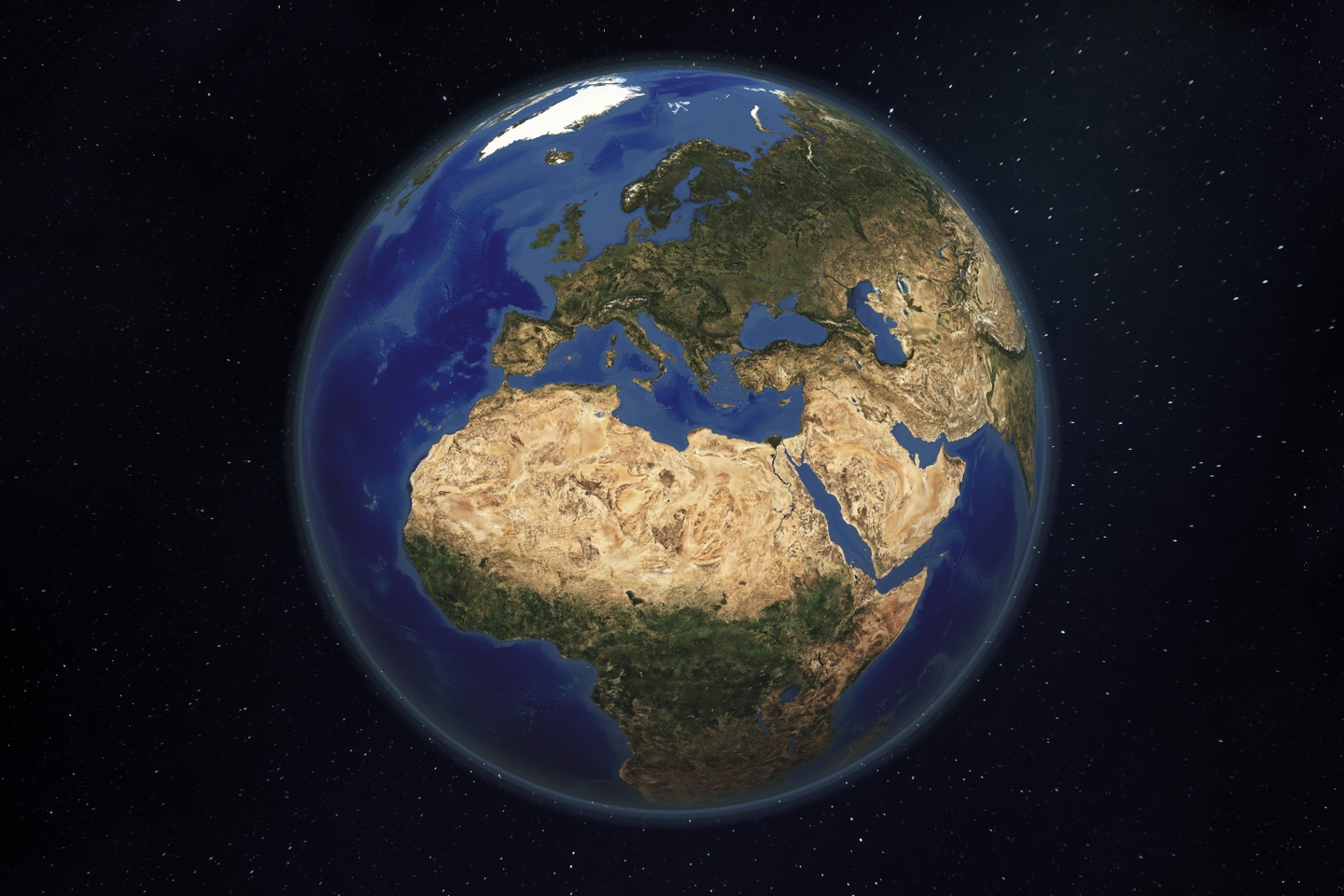
Scientists are unsure why oceans are becoming more green.
Credit: Photo Maps4media via Getty Images
The increase in vegetation doesn't necessarily indicate that forests and ecosystems are recovering.
advertisement
It's more about the changes humans are imposing on the planet.
A study published in "Nature" in 2019 highlighted that the Earth's green leaf area has grown by 5 percent over two decades.
advertisement
This increase is partly due to the excessive amounts of CO2 we release into the atmosphere, from human activities to burning fossil fuels.
NASA has observed that the CO2 levels in the atmosphere have surged by about 50 percent over the last two centuries.
advertisement
Since plants thrive on CO2, this has spurred their growth.
Another driver of the greening effect is human agriculture and afforestation efforts, as the 2019 study pointed out.
While the reasons behind the greening of terrestrial areas are somewhat understood, the reasons for the greening of the oceans remain a mystery.
advertisement
It could be due to a rise in phytoplankton, microscopic plant-like organisms that also consume CO2, or changes in the color of the phytoplankton itself.
The exact cause is significant because it affects the ocean's capacity to absorb carbon.
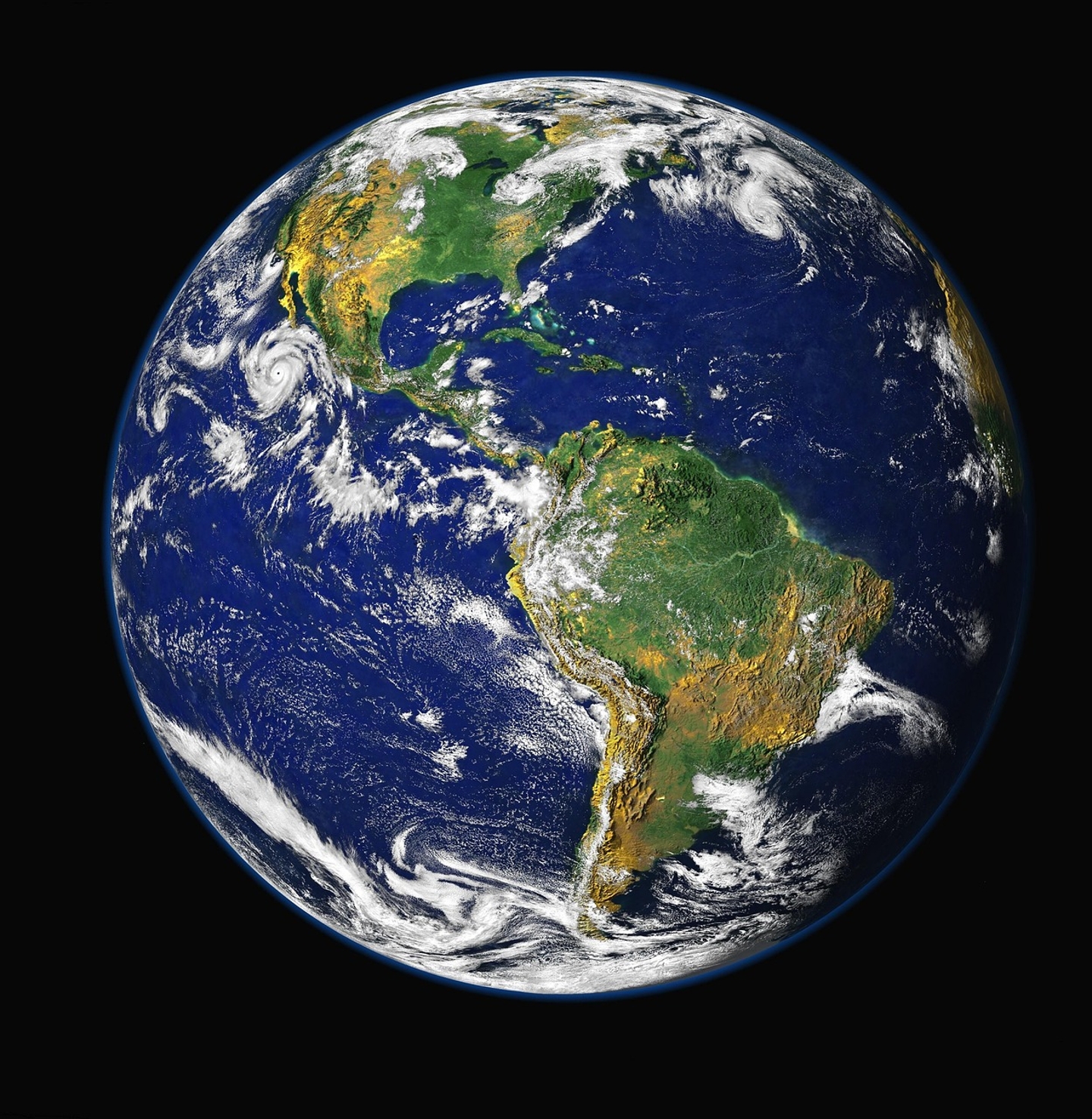
The Earth is becoming more green in color.
Credit: Pixabay
NASA aims to delve deeper into this mystery with the deployment of a new satellite.
advertisement
The concern doesn't stop at the mere increase in greenery.
Satellite images fail to differentiate between various types of vegetation, such as biodiverse rainforests and monoculture crops.
advertisement
The former are ecosystems teeming with life, while the latter, despite appearing green from above, can be ecological deserts that demand vast amounts of water, chemicals, and result in significant carbon emissions from nitrogen fertilizer production and other activities.
Robin Chazdon, a tropical ecologist and part-time scientist at the World Resources Institute, voiced concerns to Vox about the oversimplification of these satellite images, stating:
advertisement
"It's glossing over the reality of what's actually happened."
Thus, while satellite images might show our planet as a burgeoning green oasis, the underlying reality reveals a more troubling picture, challenging the simplistic notion that more green always means good.