

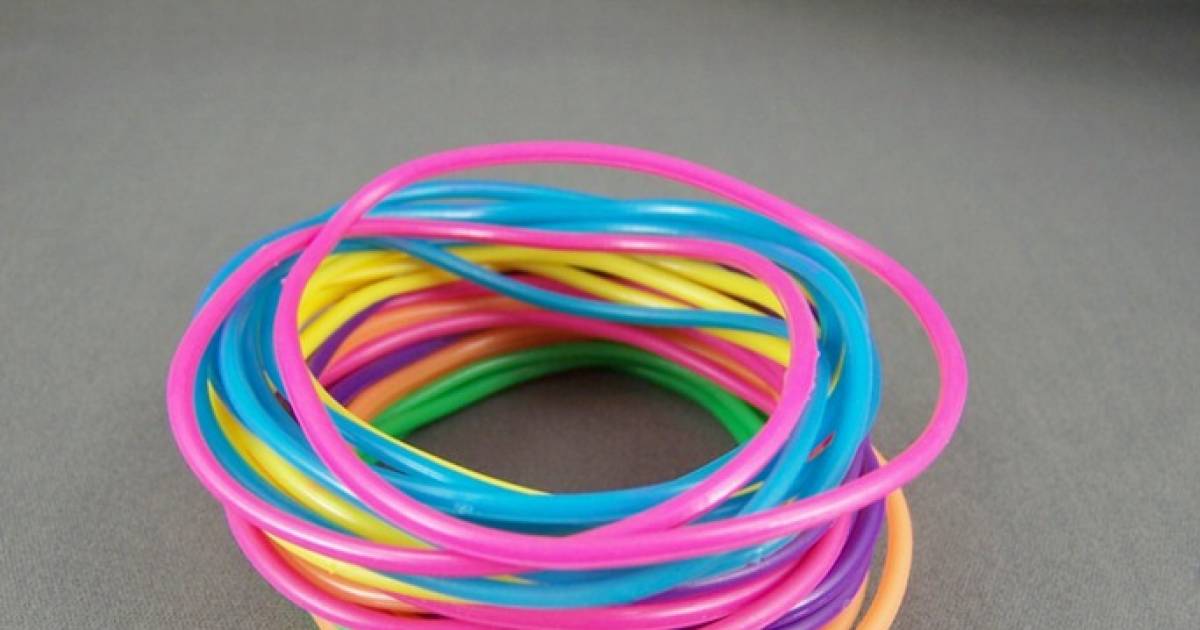
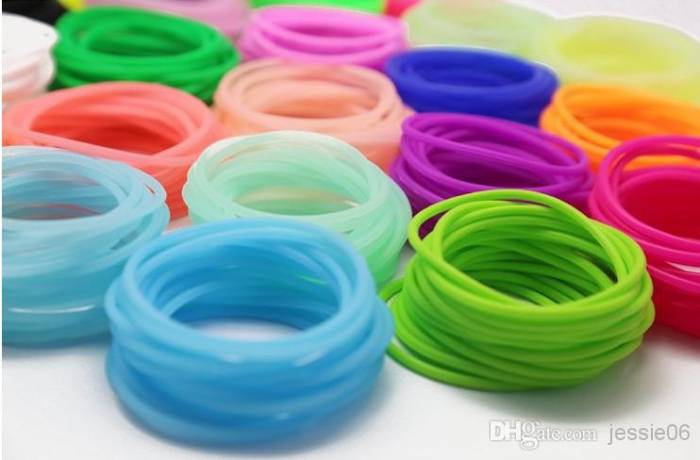
There were plenty of weird things about middle school in the early 2000s. Back then, many of us were fascinated with telling the world how "juicy" or "angelic" our butts were, Fergie was professing that big girls don't cry, and Kelly Clarkson wanted young women everywhere to know that there was nothing quite as fulfilling as being Miss Independent. All the while, we were sporting rainbow jelly bracelets in junior highs across the country.
The Creepiest Middle School Trend You Probably Forgot About
By
Editorial Staff in
Fashion
On 20th June 2016
advertisement
#1
There were plenty of weird things about middle school in the early 2000s. Back then, many of us were fascinated with telling the world how "juicy" or "angelic" our butts were, Fergie was professing that big girls don't cry, and Kelly Clarkson wanted young women everywhere to know that there was nothing quite as fulfilling as being Miss Independent. All the while, we were sporting rainbow jelly bracelets in junior highs across the country.
#2
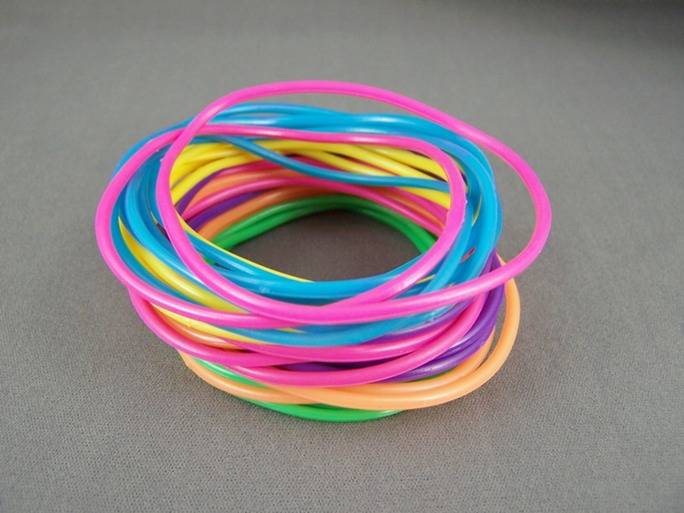
For some, they were a fashion statement. For others, the black ones were a symbol of the counterculture and emo vibes. For most, every bracelet correlated to a sexual act that you were either confessing to having under your belt or agreeing to perform, should it be ripped off.
advertisement
#3
In 2003 and then again in 2009, a story about the colored jelly bracelets many teens wear exploded in the media. Supposedly, each color bracelet represented a particular sex act the girl wearing them was willing to perform. If a boy broke or stole the bracelet, he was entitled to claim the corresponding sex act from the girl.
It was a lurid and frightening new trend that seemed to highlight just how reckless, wild and sexually promiscuous modern teens are.
The only problem was no one could ever find any actual teens who were actually doing this.
#4
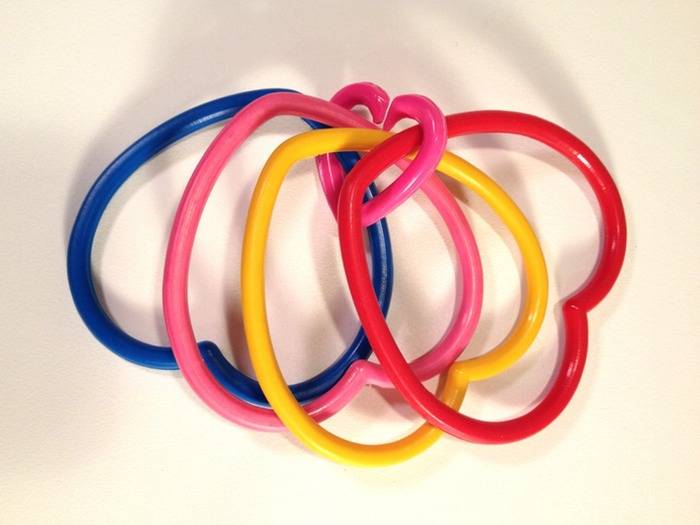
According to NBC, with research from Kinsey Institute and California State University, "The average [American] male loses his virginity at age 16.9; females average slightly older, at 17.4." This is pretty comparable to somewhere like the UK, where "the average age of first (heterosexual) intercourse is 16." Ultimately, this means most folks aren't doing the dirty in junior high, no matter what their jelly bracelets might be trying to convey.
advertisement
#5
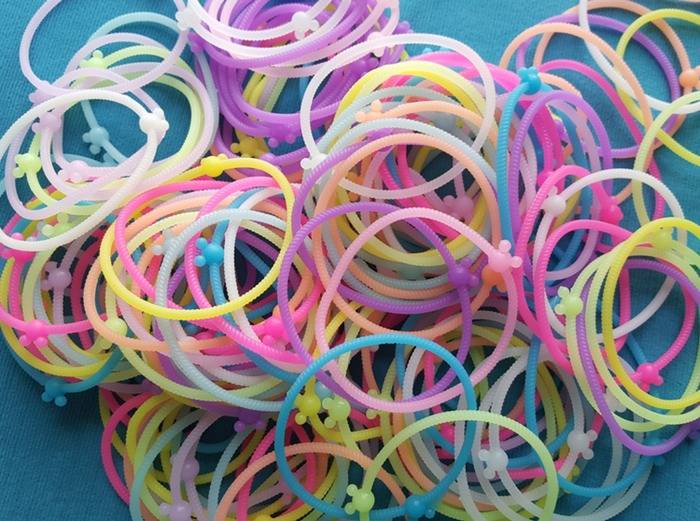
Jelly bracelet fashion accessories have been around since the 80's. But instead of a fashion statement, they may be making a statement about your kid's sex life.
These bendable pieces of colored rubber have become a sexual code to many teens.
In a game called snap, if a boy breaks a jelly bracelet off a girl's wrist, he gets a sexual coupon for that act.
It's become such a problem in some middle schools in Florida that districts started banning the bracelets.
advertisement
#6
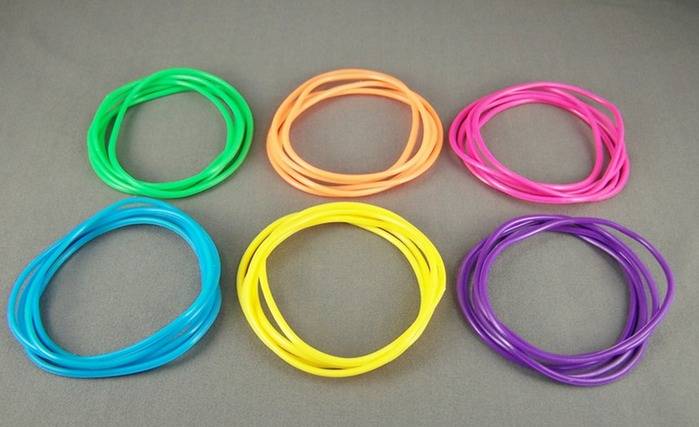
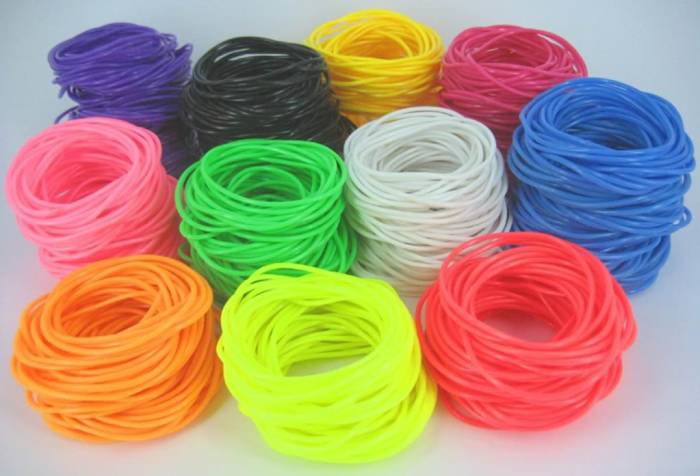
Westword, a news and lifestyle site based in Denver, Colorado, created a definitive list of the many meanings of jellies back in 2009. According to the publication, these were the acts behind some of the most popular colors:
Black: Full-blown intercourse
Blue: Blowjob
Green: Cunnilingus or outdoor sex
Clear: Whatever the person ripping it off chooses
Orange: Kiss
Yellow: Hug
Purple: Anal
Red: Lap dance
Silver: Fisting
White: Flashing your boobs
advertisement
#7
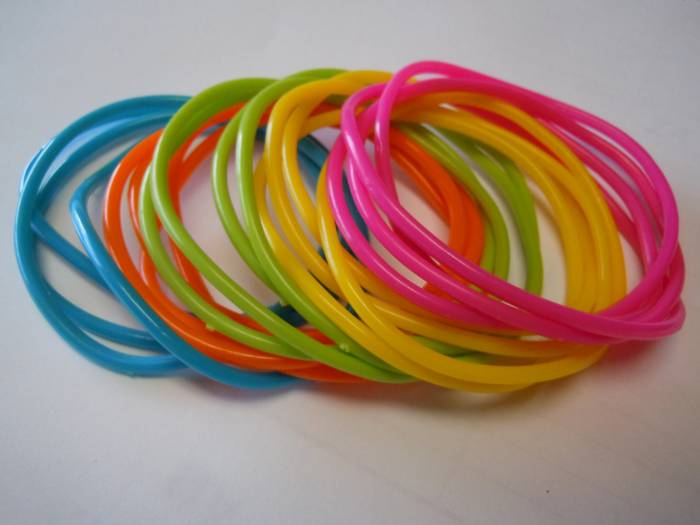
Another somewhat distressing issue was simply that it was most often the girls who were expected to wear the bracelets an early lesson in the expectation placed upon women to prioritize sexually gratifying the men around them without asking for a whole lot in return. Except for oral sex in the event of a green jelly.
advertisement
#8
advertisement
#9
Nonetheless, some schools started banning jelly bracelets altogether. They were deemed disruptive and inappropriate. Looking back, the most inappropriate thing about them, IMO, was just how quick we were to want to ditch childhood in exchange for experiences we felt were more adult.Jelly bracelets symbolized sex. Sex symbolized maturity. And maybe majority symbolized being one step closer to moving out of parents' houses and living on our own.
Whatever the reason, choosing sexual partners particularly at such a young age, and regardless of gender should come down to who pulls off a rubber bracelet from your wrist the fastest.
advertisement