The DIRTY Truth Behind Ringworms Most People Don’t Know
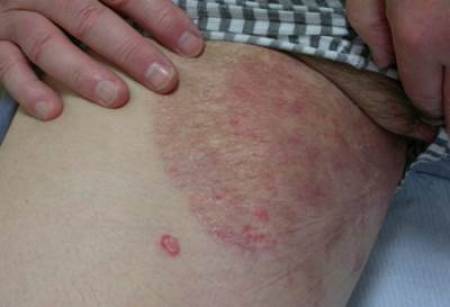
#1 JOCK ITCH
Tinea cruris is often called Jock Itch because it affects the groin area, producing reddish-brown color rash that extends from groin down to the thighs. Yeast infections, psoriasis, and intertrigo, may appear to be one in the same with Tinea Cruris.
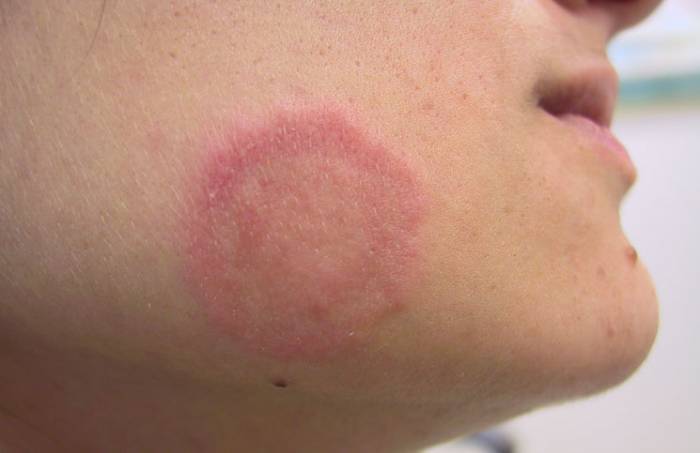
#2 FACIAL RINGWORM
Tinea faciei (faciale) occurs on the face and is hardly ever round, instead it has indistinct edges to its red scaly patches.Tinea barbae is the term for the affected bearded areas of the face and neck.
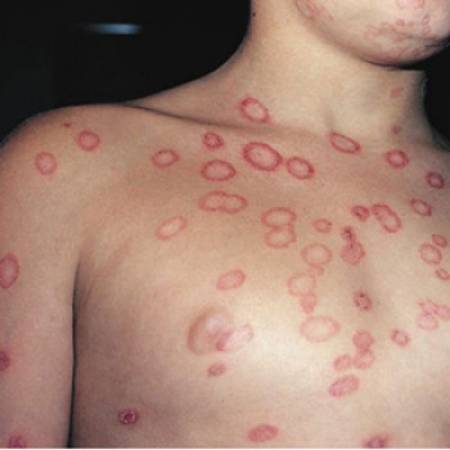
#3 BODY RINGWORM
Tinea corporis affects the skin of the body, producing round spots that can slowly grow. Raised, scaling, crusting, and blistering can result.
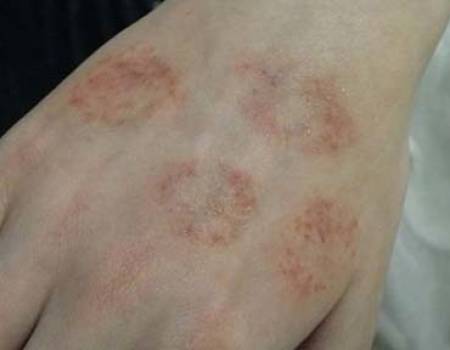
#4 HAND RINGWORM
Tinea manus is found on the hands, mostly on the palms and between fingers, and usually on just one hand. It often goes hand in hand with Ringworm of the feet. This fungal infection can make the fingernails and toenails yellow, thick, and crumbly.
#5 MEDICAL TERM
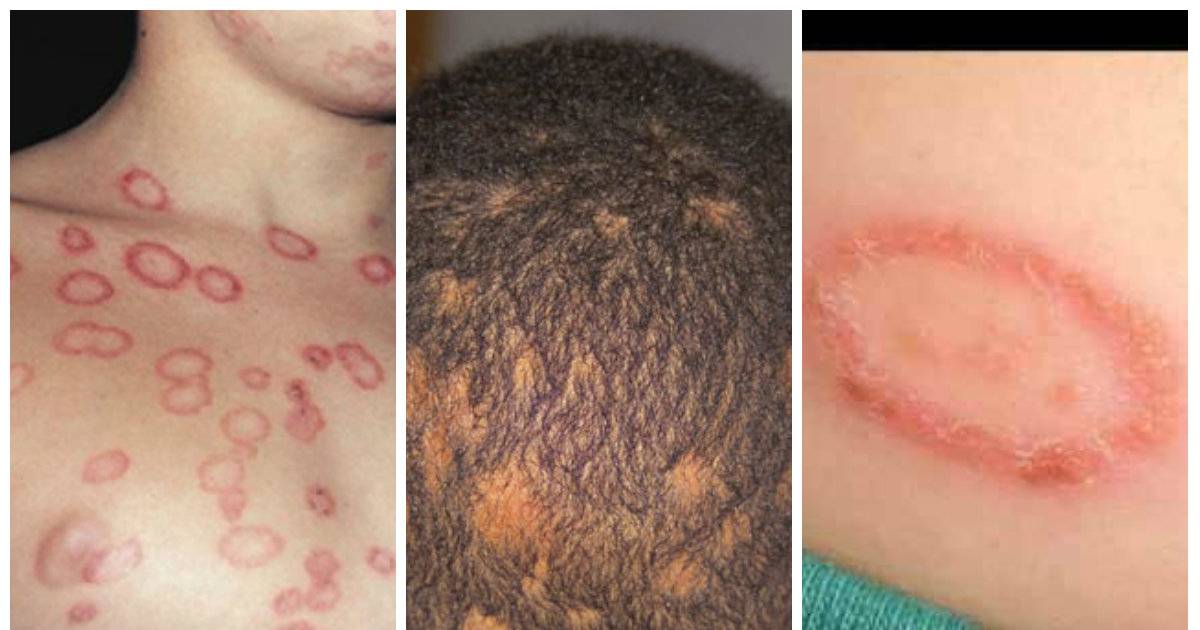
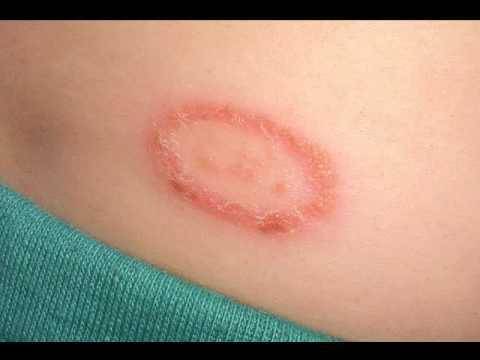
Tinea is the medical term for Ringworm, a skin condition that looks like a worm positioned in a circle. The name is derived from the Latin word for worm. The typical appearance of Ringworm is a crusty, scaly, round, red patch on the skin. It can also include hair loss in patches on the scalp, blisters, and itching. Ringworm is contagious, occurring most often in warm and moist climates, and mostly in children. It is passed person to person by coming in contact with infected skin, sharing combs and brushes, and even by coming in contact with infected public pool surfaces.
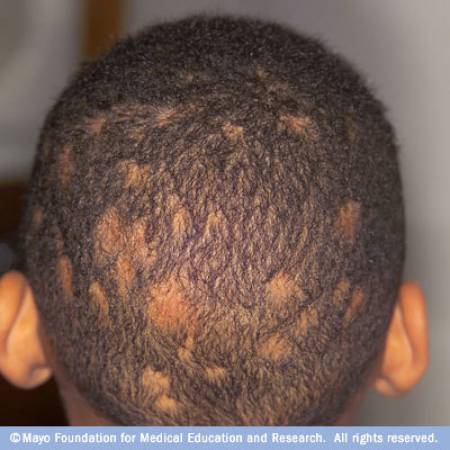
#6 SCALP RINGWORM
Tinea capitis most commonly affects the scalps of children into adolescence, and most often spreads in schools. It can result in bald spots.
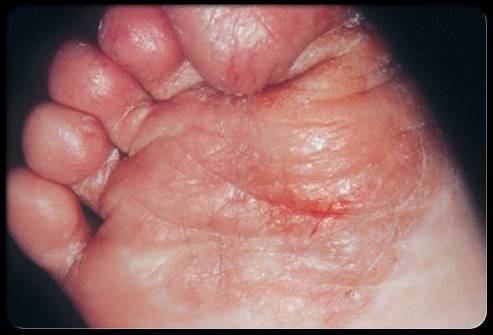
#7 ATHLETE’S FOOT
Tinea pedis is most commonly referred to as Athlete's foot where scaling, itching, and burning invade toe webs, mostly between the fourth and fifth toes, there is often a thickening or scaling on the heels and soles.