

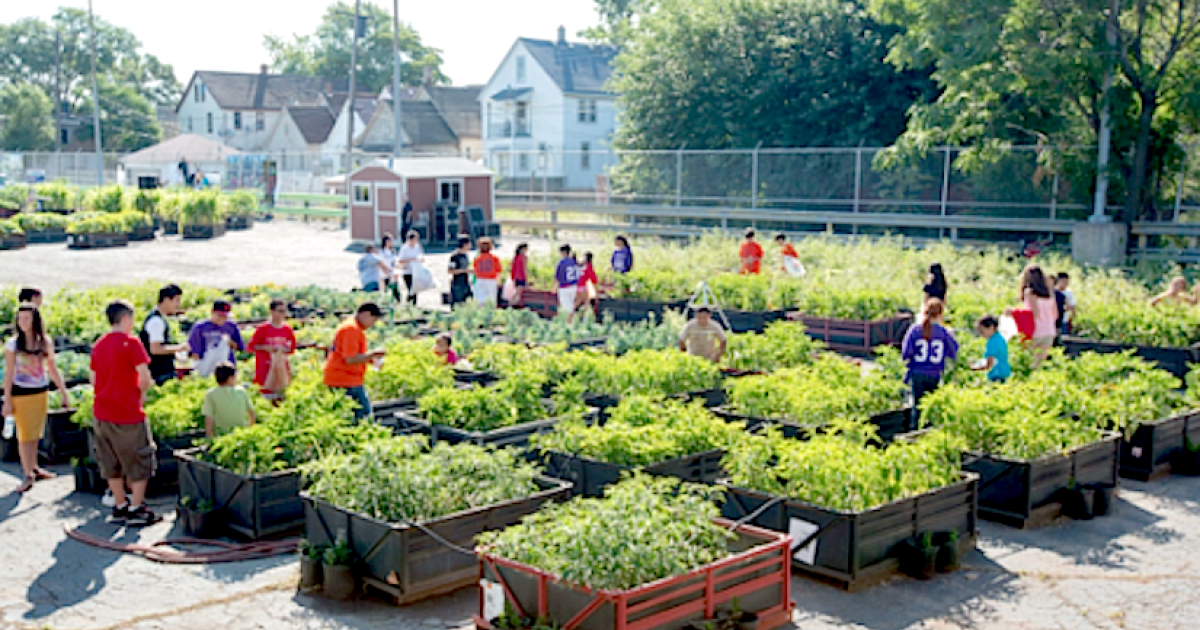
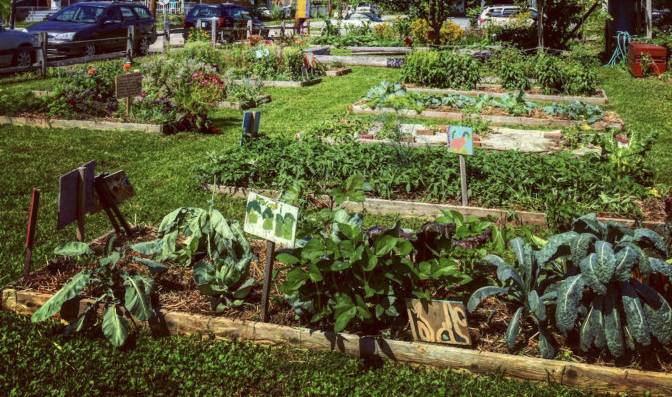
The Urban Farming Community Garden and Green Science Garden program is a sustainable system that helps feed needy families of urban communities. Through the success of our urban gardens, Urban Farming™ has fed over an estimated 300,000 people. The gardens beautify the area and galvanize the community while alleviating the hunger problem. The gardens are planted on unused city and county lots of land in addition to donated and private lots, walls and rooftops.
The Future Of Urban Farms Or Community Gardens Are They One And The Same?
By
Editorial Staff in
Life Style
On 21st August 2017
advertisement
#1
According to Marin Master Gardeners, "a community garden is any piece of land gardened by a group of people, utilizing either individual or shared plots on private or public land".Community gardens provide fresh products and plants as well as contributing to a sense of community and connection to the environment and an opportunity for satisfying labor and neighborhood improvement.They are publicly functioning in terms of ownership, access, and management,as well as typically owned in trust by local governments or not for profit associations.
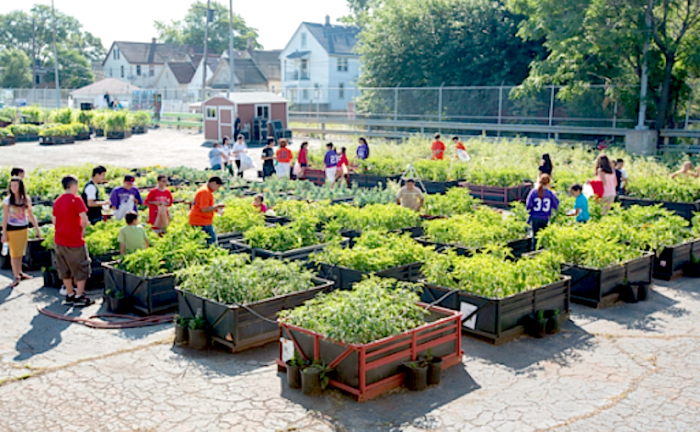
Community gardens may help alleviate one effect of climate change, which is expected to cause a global decline in agricultural output, making fresh produce increasingly unaffordable.Community gardens encourage an urban community's food security, allowing citizens to grow their own food or for others to donate what they have grown.Community gardens improve users’ health through increased fresh vegetable consumption and providing a venue for exercise.A fundamental part of good health is a diet rich in fresh fruits, vegetables, and other plant based foods.
#2 Community gardens have deep roots
With increasingly divergent technologies and resources, you might expect community gardeners to be at odds with the new generation of high-tech urban farmers.In many cases, today's community gardens exist to solve a problem very different from the one they were aiming at in the 1890s, when Detroit and other cities looked to them to offer residents a place to raise a homegrown solution to an economic recession that left laborers unemployed and hungry. Now, many gardens are an antidote to isolation from nature and neighbors.
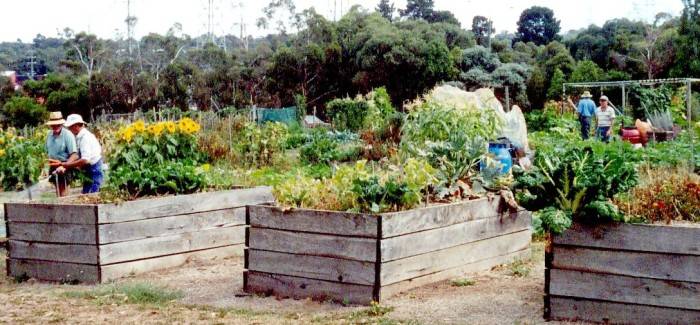
While some gardeners enjoy the financial benefits of selling food, most community gardens aren't intended to feed their communities entirely.
advertisement
#3 Ownership of Community Gardens
Land for a community garden can be publicly or privately held. One strong tradition in North American community gardening in urban areas is cleaning up abandoned vacant lots and turning them into productive gardens. Alternatively, community gardens can be seen as a health or recreational amenity and included in public parks, similar to ball fields or playgrounds. Historically, community gardens have also served to provide food during wartime or periods of economic depression.
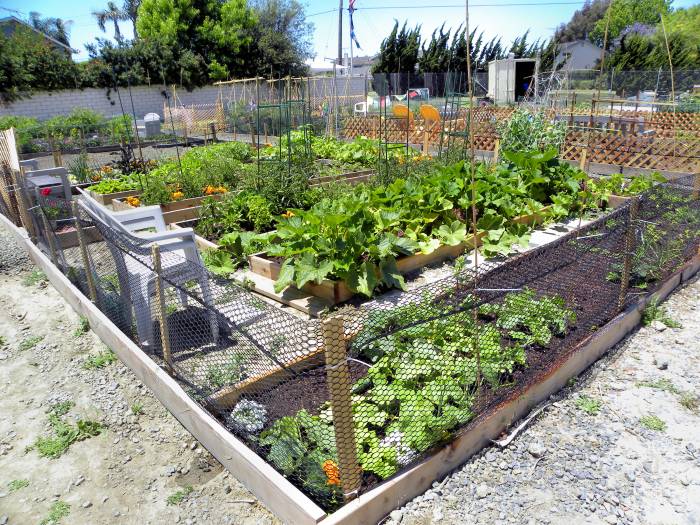
Unlike public parks, whether community gardens are open to the general public is dependent upon the lease agreements with the management body of the park and the community garden membership. Open or closed-gate policies vary from garden to garden. However, in a key difference, community gardens are managed and maintained with the active participation of the gardeners themselves, rather than tended only by a professional staff.A second difference is food production: Unlike parks, where plantings are ornamental (or more recently ecological), community gardens often encourage food production by providing gardeners a place to grow vegetables and other crops. To facilitate this, a community garden may be divided into individual plots or tended in a communal fashion, depending on the size and quality of a garden and the members involved.
#4 Types of Community gardens
There are multiple types of community gardens with distinct varieties in which the community can participate in.
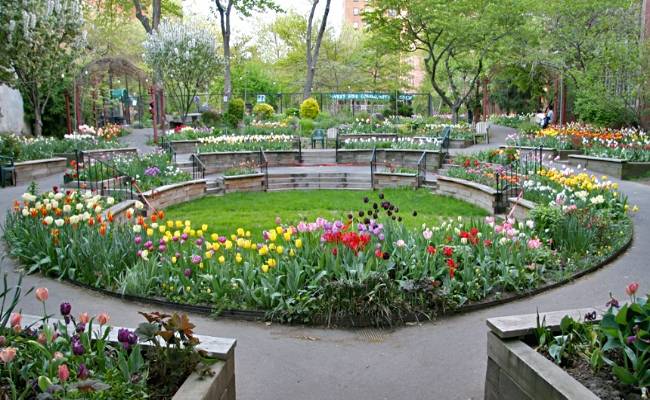
Neighborhood gardens are the most common type that is normally defined as a garden where a group of people come together to grow fruits, vegetables and ornamentals. They are identifiable as a parcel of private or public land where individual plots are rented by gardeners at a nominal annual fee.
Residential Gardens are typically shared among residents in apartment communities, assisted living, and affordable housing units. These gardens are organized and maintained by residents living on the premise.
Institutional Gardens are attached to either public or private organizations and offer numerous beneficial services for residents. Benefits include mental or physical rehabilitation and therapy, as well as teaching a set of skills for job-related placement.
Demonstration Gardens are used for educational and recreational purposes in mind. They often offer short seminars or presentations about gardening, and provide the necessary tools to operate a community garden.
advertisement
#5 Benefits of Community Gardens
Community gardens provide an opportunity for people to enjoy nutritious food at little or no cost. People who garden (or who live with someone who gardens) tend to eat more fruits and vegetables on a daily basis.Community gardens are places where people come together to grow a variety of vegetables, herbs, fruits and flowers.
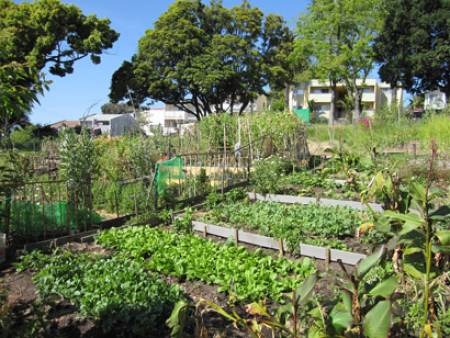
They do this by renting individual or shared plots of land within the community garden. In Waterloo Region, community gardens are run by churches, neighborhood associations, non-profit organizations, community agencies, clubs, private landowners, municipalities.
advertisement
#6 The Future of Urban Farms
The Urban Farming Community Gardens are free for the surrounding residents whether they worked on the gardens or not and the demographic served is people who are starving and suffering from food insecurity.Urban farming is certainly an emerging trend across the country, and has been implicated as a means of addressing community problems like vacant and blighted land, food deserts, obesity and malnutrition, and food illiteracy.But one has to ask, is this really the traditional community garden paradigm with a new catch phrase, or are there true substantive differences? Furthermore, what is the future of the trend that has been the darling of the environmental movement as of late?
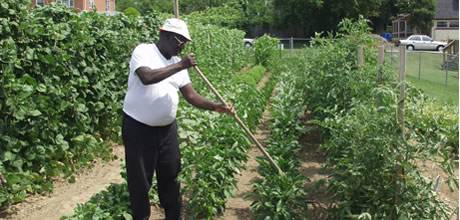
The urban farm is not dissimilar, as it might occupy a similarly sized plot as an entire community garden (1/4 to 2 acres) and grows very similar crops. Plots are more frequently located on private land, whether vacant or condemned, or otherwise made available. Labor is often provided by interns, students and volunteers, as well as by paid staff. The fruits of the harvest are typically given away to those who provided labor, given away to people in need (often in the communities where the farms are located), or sold to local restaurants, retailers or the general public.
advertisement
#7 Resource and economic of Urban Agriculture
An industry that produces, processes, and markets food, fuel, and other outputs, largely in response to the daily demand of consumers within a town, city, or metropolis, on many types of privately and publicly held land and water bodies found throughout intra-urban and peri-urban areas. Typically urban agriculture applies intensive production methods, frequently using and reusing natural resources and urban wastes, to yield a diverse array of land-, water-, and air-based fauna and flora, contributing to the food security, health, livelihood, and environment of the individual, household, and community.Urban agriculture is a complex system encompassing a spectrum of interests, from a traditional core of activities associated with the production, processing, marketing, distribution, and consumption, to a multiplicity of other benefits and services that are less widely acknowledged and documented. These include recreation and leisure; economic vitality and business entrepreneurship, individual health and well-being; community health and well being; landscape beautification; and environmental restoration and remediation.
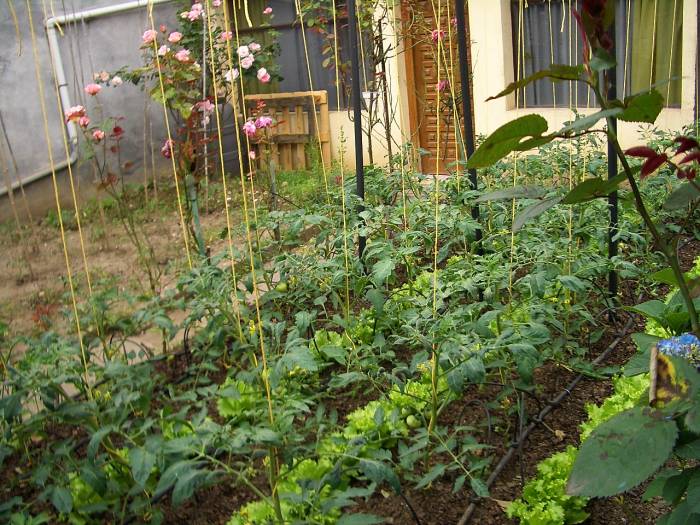
Urban and peri-urban agriculture (UPA) expands the economic base of the city through production, processing, packaging, and marketing of consumable products. This results in an increase in entrepreneurial activities and the creation of jobs, as well as reducing food costs and improving quality.UPA provides employment, income, and access to food for urban populations, which helps to relieve chronic and emergency food insecurity.There are many social benefits that have emerged from urban agricultural practices, such as improved overall social and emotional well-being, improved health and nutrition, increased income, employment, food security within the household, and community social life. Urban agriculture can have a large impact on the social and emotional well-being of individuals.
advertisement
#8 Benefits of Urban Farming
Urban farming, also known as urban agriculture, essentially refers to growing plants and keeping animals that produce food within a city. It may also encompass processing and then distributing that food throughout the city.
Food security is having access to and being able to afford nutritious, safe food—and enough of it. This is a major concern for many families all over the world. Fortunately, urban farming contributes to greater food security.
Living in the city, it’s not uncommon that we don’t know our neighbors’ names. Urban farming is one way to bring urban dwellers together.
The more urban farming and eating locally there is, the fewer miles food must travel before it’s on your plate. You get fresher, healthier food—herbs, vegetables and fruits—and are more likely to eat what’s in season, when you eat what’s produced on an urban farm.Most urban gardening systems lead to considerable water, power and space savings. If we talk about the Click & Grow urban farming systems, they use about 90% less water and 4 times less space, if compared to traditional farming.