Our Sun batters the Earth with an enormous amount of energy every day, portions of which provide our planet with the light and heat necessary to support precious life. When temperatures get intolerable, most of us turn to the luxuries that keep us cool, but what if these services weren't available? From the blistering heat of the Sahara Desert to the sweltering Death Valley, these are the highest recorded temperatures on Earth.
advertisement
#1 Salah - Algeria
Ain Salah is an oasis town in central Algeria and located in the heart of the Sahara Desert region of northern Africa. An important trade link between northern and central Africa in its time, the town has declined in modern times due to high transportation costs and developing gas fields to the southwest. Temperatures in this region commonly reach 43°C or 110°F, and only averages only 16 millimeters or .6 inches of rainfall annually. Solar irradiation is extremely high due to a constant clear sky year round as cloudy skies are predominately rare. On July 12th, 2002, this region hit a record high of 50.6°C or 123°F.

#2 Oodnadatta - Australia
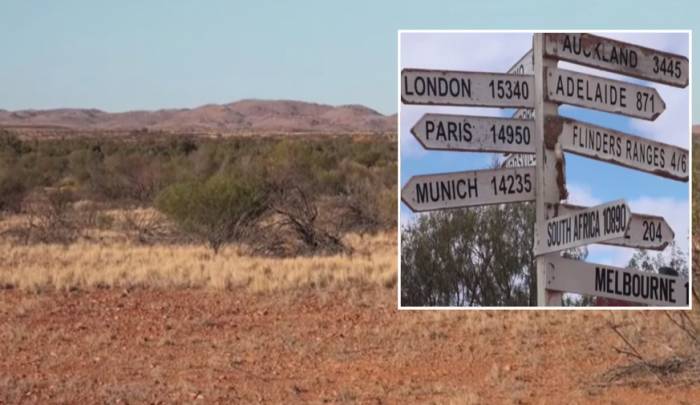
In South Australia, Oodnadatta recorded a high temperature of 50.7°C or 123.2°F on January 2nd, 1960. A small town surrounded by pastoral rangelands close to the Simpson Desert, consisting of less than 300 people, including indigenous Australians, Oodnadatta has a subtropical desert climate described as arid and uncomfortably hot. A large sign resides in town that states "The driest town, the driest state of the driest continent."
advertisement
#3 San Luis Rio Colorado - Mexico
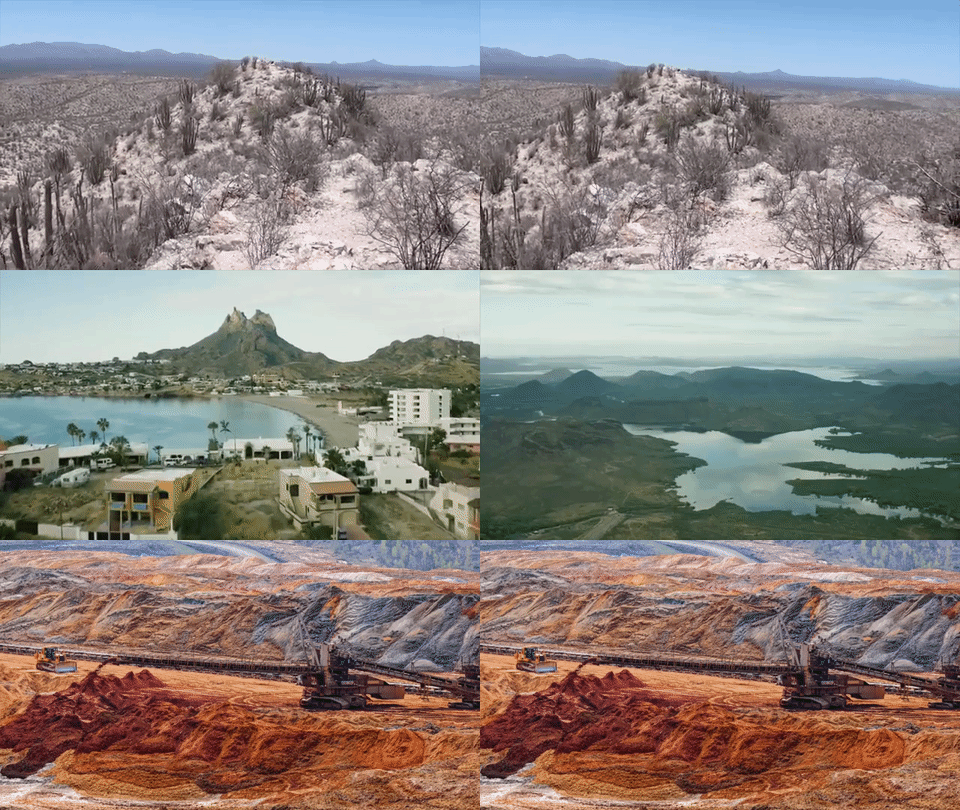
On June 25th, 1951 temperatures of 52°C or 125.6°F were recorded in San Luis Rio Colorado, considered one of the hottest and driest cities in Mexico. A mountainous region mixed with semiarid and subhumid climates makes up eastern Sonora, while the Sonoran Desert dominates the western side with low scattered mountains and wild plains. Sonora produces practically all of Mexico's copper, and contributes a large portion of its fish and pork stock to the country.
#3 Jeddah - Saudi Arabia
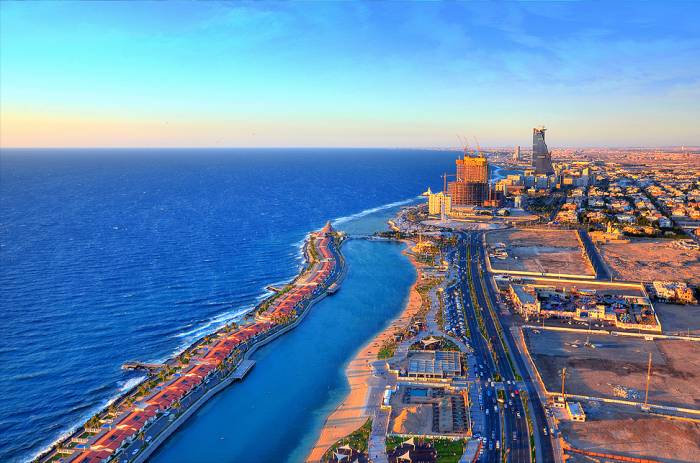
Jeddah is located in Saudi Arabia's Red Sea coastal plain called Tihamah. Featuring an arid climate, Jeddah is unlike other Saudi Arabian cities as it retains its warm temperatures during winter, which range from 15°C or 59°F during the morning to 28°C or 82°F in the afternoon. During the summer, temperatures are exceedingly hot, often breaking 43°C (110°F) at midday, though the highest temperature recorded in Jeddah was 52°C or 125.6°F on June 22nd, 2010. Rainfall in this region is generally sparse, usually in minute amounts in November and December.
advertisement
#5 Nasiriyah - Iraq
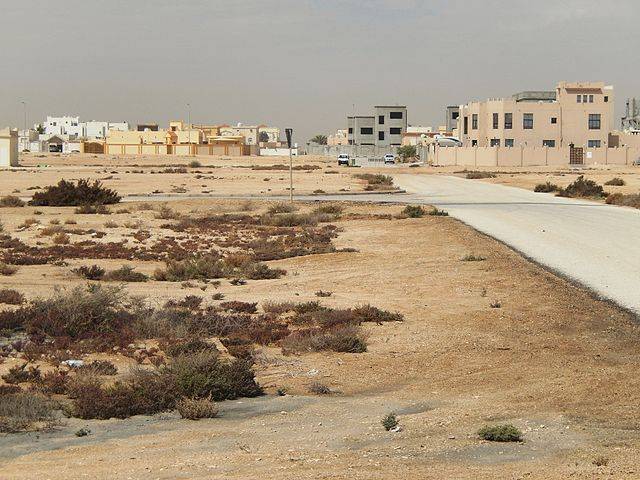
The climate of Iraq is mostly desert conditions, with mild to cool winters and dry, hot summers. Average temperatures range from 48°C or 120°F in July and August to below freezing in January. Most rainfall occurs from December to April and usually between four to seven inches yearly. The lack of rain and extreme heat together make much of Iraq a desert. It was on August 3rd, 2011 in Ali Air Base, where a record temperature for the area rose to 52°C or 125.7°F around 1 p.m. local time.
advertisement
#6 Tirat Tsvi - Israel
A religious kibbutz located in the Beit She'an Valley, south of the city Beit She'an, and west of the Jordan River, Tirat Tsvi sits 220 meters or 720 feet below sea level. On June 21st, 1942, a temperature of 53°C or 127.4°F was recorded, making it the highest daytime temperature in Asia. Precipitation in the Upper Galilee region of Israel is relatively heavy, up to 44 inches or 1,120 millimeters a year; for this reason, Tirat Tsvi is the largest date grower in Israel, with some 18,000 trees.

advertisement
#7 Mohenjo-Daro - Pakistan
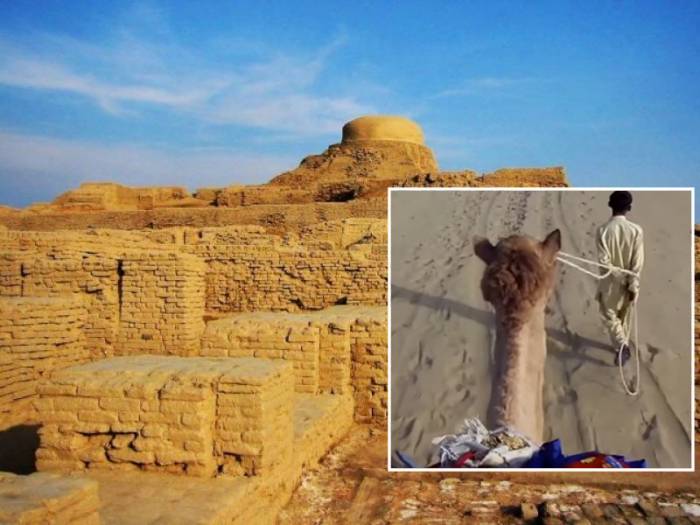
Sindh is located in the western corner of South Asia, is the third largest province of Pakistan, and lies in the tropical to subtropical regions of Earth. Bordered by the Thar Desert to the east, the Kirthar Mountains to the west, and the Arabian Sea to the south, Sindh is a fertile plain around the Indus River. On average, temperatures rise above 46°C or 115°F between May and August, with minimums of 2°C or 36°F during December and January, but on May 26th, 2010, the temperature rose to a record 53.5°C or 128.3°F in Mohenjo-Daro.
advertisement
#8 Sulaibiya - Kuwait
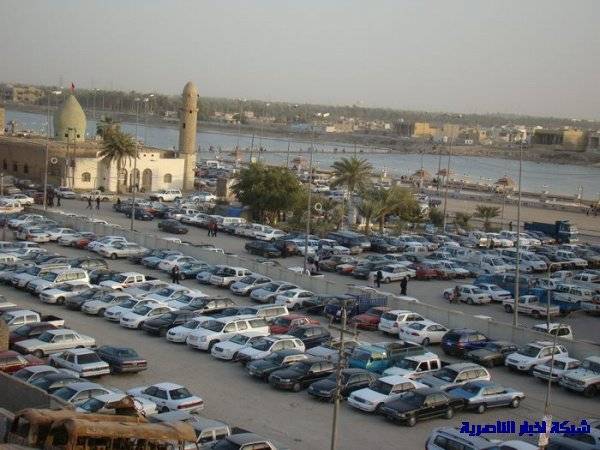
On July 31st, 2012 in Sulaibiya Kuwait, the temperature of 53.6°C or 128.5°F was recorded and is now considered the 2nd highest temperature documented in Asia. If the region gets enough rainfall, the desert may turn green from mid-March to the end of April, but during the dry season between April and September, the heat is harsh with temperatures easily reaching 43°C or 110°F.
advertisement
#9 Kebili, Tunisia
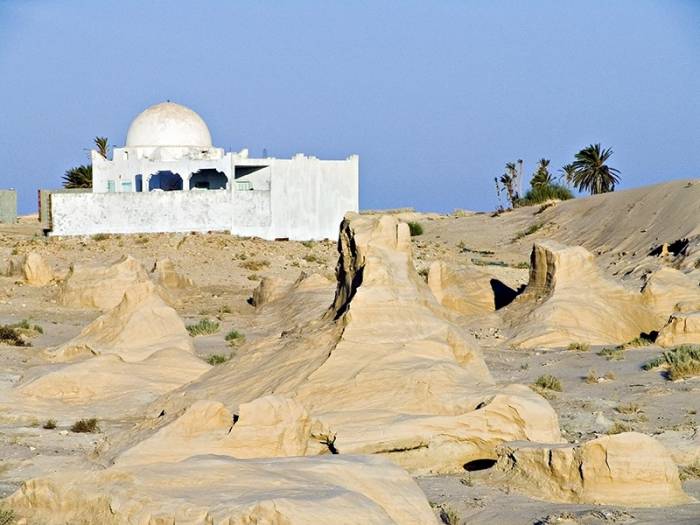
Kebili, a town in central Tunisia, holds the number two spot for the highest recorded temperature on Earth, recorded on July 7th, 1931. Saharan influences often create siroccos, a seasonal hot, blasting wind that derives from the south and can have serious dehydration effects on vegetation. Temperatures are influenced by the sea, being less severe on the coast and gradually getting hotter inland. Precipitation in the region varies considerably, with a mean annual rainfall of 60 inches or 152 centimeters in the Kroumirie Mountains in northwestern Tunisian, to less than 4 inches or 10 centimeters at Tozeur in the southwest.
advertisement
#10 Death Valley, California
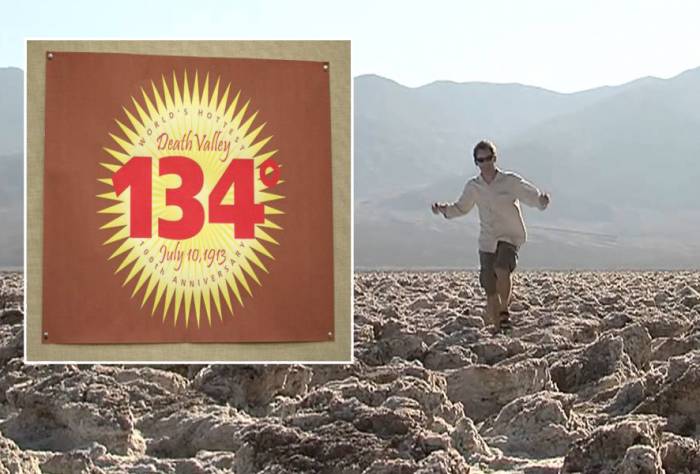
It is the lowest, hottest, and driest portion of the United States, known for its extremes in temperature and aridity, Greenland Ranch, Death Valley, California holds the world record for highest temperature recorded on July 10th, 1913 when it hit 134 degrees! Temperatures often exceed 49°C or 120°F in summer, and rarely reaches the freezing point, with the lowest temperature recorded being -9°C or 15°F during the winter. The high temperatures and low humidity contribute to the exceptionally high evaporation rates, and most rainfall is blocked by mountains to the west. The only natural water sources are in saline ponds and marshes located around the salt pan.