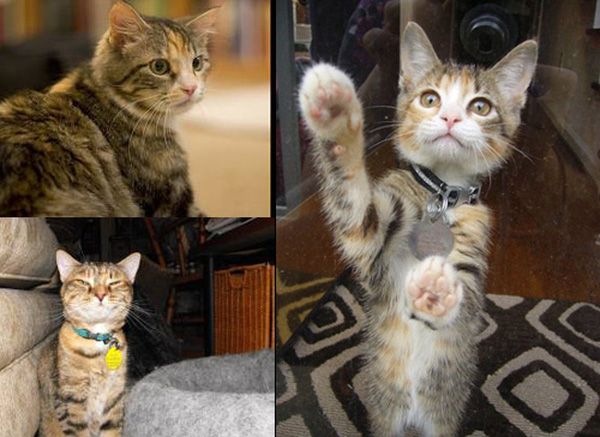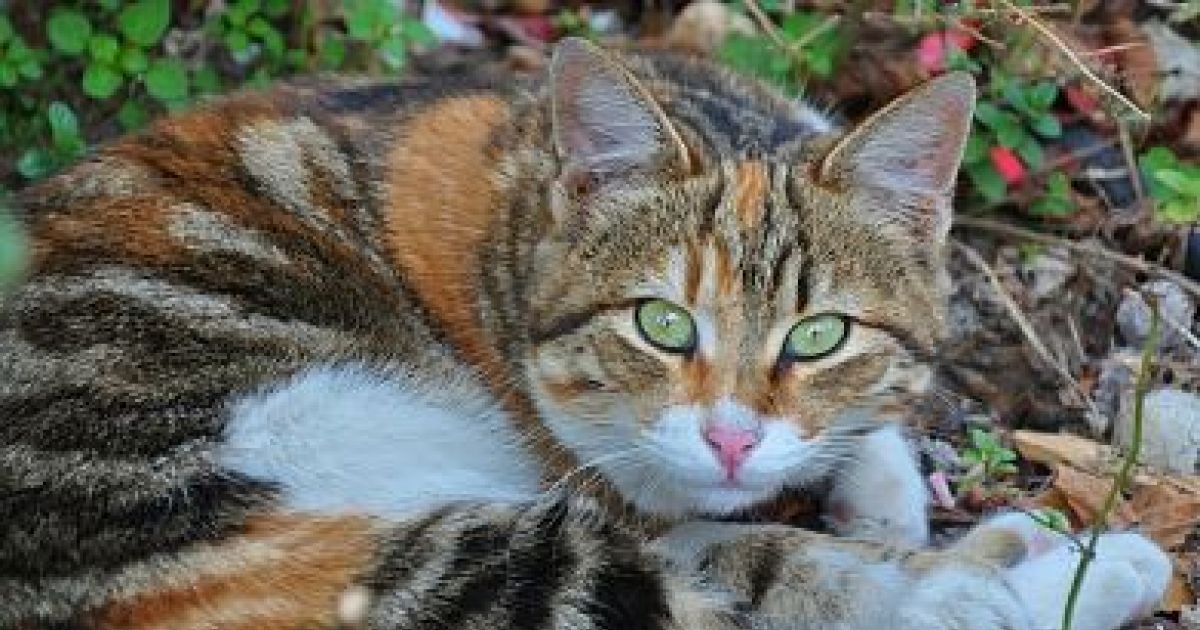
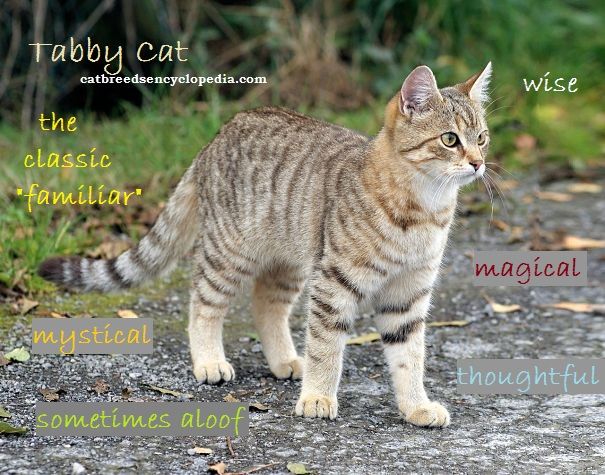
A tabby is any domestic cat that has a coat featuring distinctive stripes, dots, lines or swirling patterns, usually together with a mark resembling an 'M' on its forehead.
advertisement
Tabby is the most common cat coat pattern
Cats are very unique animals, as they come in a variety of shapes and sizes. Tabby cats, in particular, are very popular in American households. Some people may believe this feline is a specific breed, but the name "tabby" only refers to the pattern of the coat.
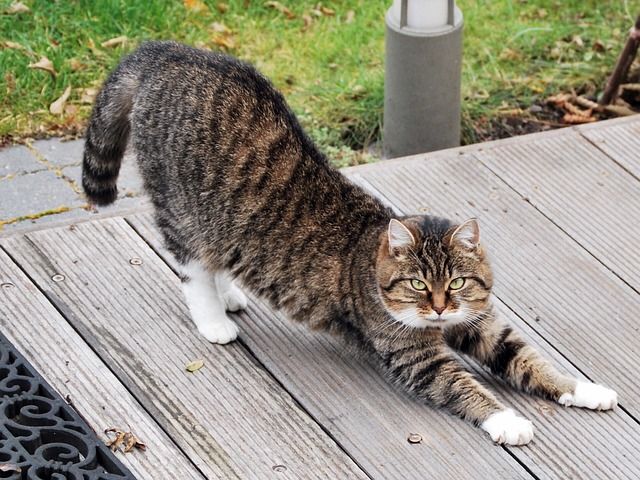
All tabby cats sport a signature "M" marking on the forehead -- which many believe stands for "marvelous."
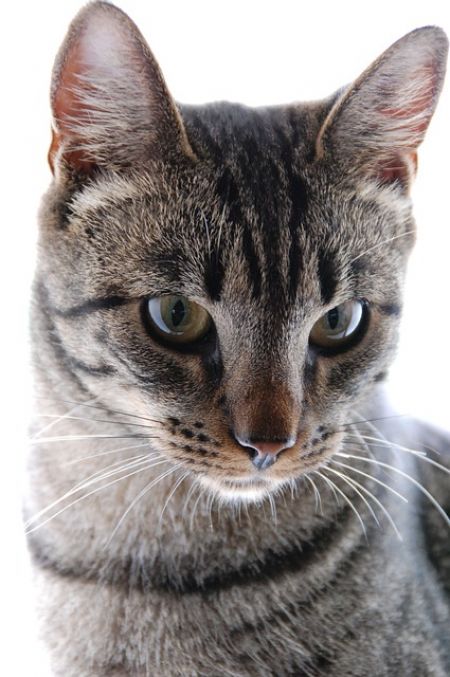
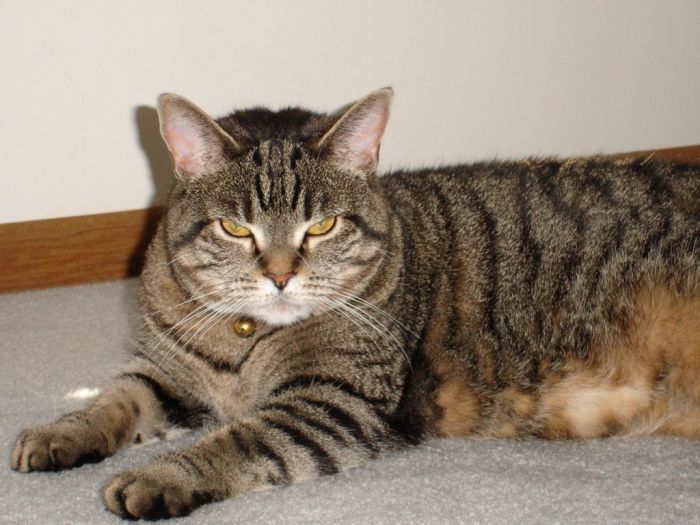
Tabby cats all have a distinctive M-shaped tabby marking on the forehead, known as the scarab pattern, based on its similarity to the outline of this type of beetle. There are actually four recognisable types of tabby patterning, which can be seen in both pedigree and ordinary household cats.
advertisement
.
All tabbies have thin pencil lines on their faces, expressive markings around the eyes, and a distinct letter "M" on their foreheads. Some believe the "M" is for Mau, the word for "cat" in ancient Egypt. Others think the "M" stands for Mohammed, who loved tabbies. Still others believe it is the blessing of the Virgin Mary.
.
Tabby markings are often more distinctive in pure-breds though, where breeders have concentrated on developing this characteristic as a breed feature in some cases. The patterning can also be broken with Blotched tabby Maine Coonrandom white markings though, in the case of tabby and white cats, and also tortoiseshell tabby and white individuals, better known in North America as torbie and whites.
advertisement
.
Tabbies are sometimes erroneously assumed to be a cat breed. In fact, the tabby pattern is found in many breeds, as well as among the general mixed-breed population. The tabby pattern is a naturally occurring feature that may be related to the coloration of the domestic cat's direct ancestor, the African wildcat, which (along with the European wildcat and Asiatic wildcat) has a similar coloration.
advertisement
.
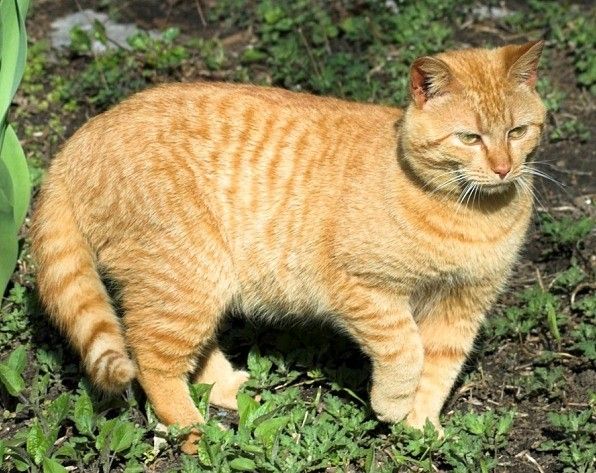
Tabby cats come in red brown or grey colors and in four distinct coat patterns: Classic, Mackerel, Spotted, and Ticked The coat may be fully striped as on the red tabby, or may have white points
advertisement
Etymology
The English term tabby comes from a translation of the French for "striped silk taffeta", which derives from the French tabis, meaning "a rich watered silk (originally striped)", in turn from Middle French atabis (14th century), from the Arabic term attabiya, from Attabiy, a neighborhood of Baghdad where such cloth was first made, named for Prince 'Attab of the Umayyad Caliphate, as compared to the Spanish term ataviar, meaning "to decorate or to dress or wear" (often implying very elegant and/or expensive clothing). The term tabby cat, "one with a striped coat", is attested from the 1690s; the shortened form tabby was first attested in 1774. The idea of "female cat" (1826) may be influenced by the feminine proper name Tabby, a pet form of Tabitha, which was used in the late 18th century as slang for a "difficult old woman".
advertisement
Tabby patterns
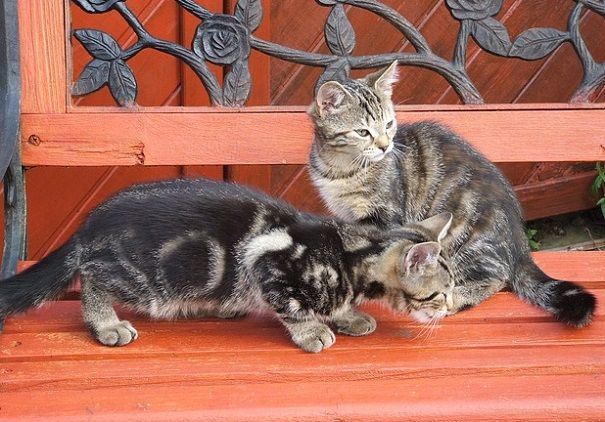
There are four tabby patterns that have been shown to be genetically distinct:Mackerel, Classic, Spotted, and Ticked.
advertisement
.
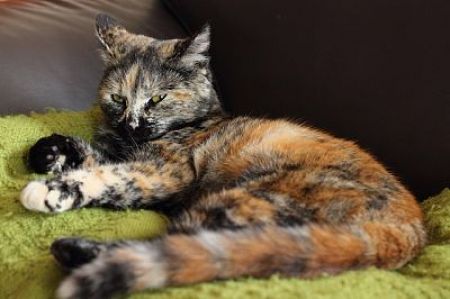
A fifth includes tabby as part of another basic color pattern. The "patched" tabby is a calico or tortoiseshell cat with tabby patches (also known as "caliby" and "torbie", respectively).[1]
advertisement
.
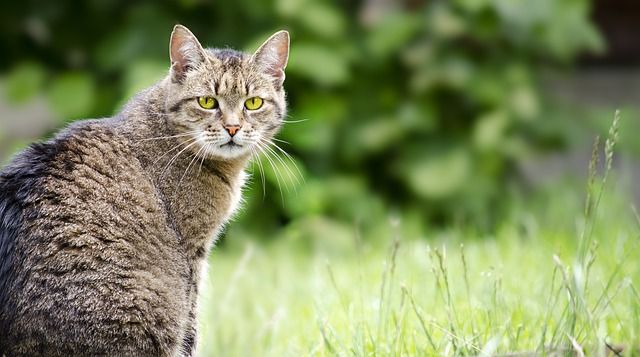
All those patterns have been observed in random-bred populations. Several additional patterns are found in specific breeds. A modified Classic tabby is found in the Sokoke breed. Some are due to the interaction of wild and domestic genes. Rosetted and marbled patterns are found in the Bengal breed.
advertisement
Classic Tabby
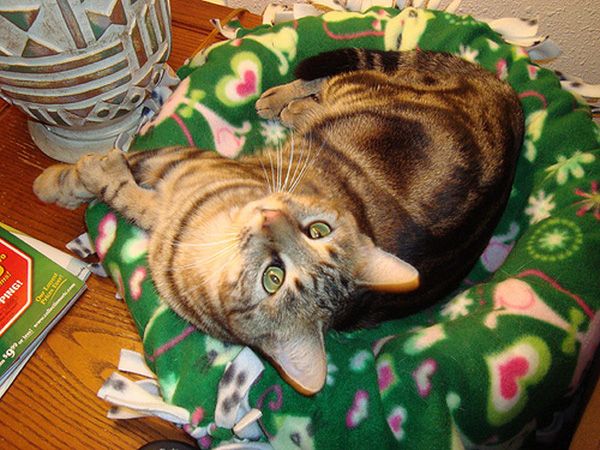
Also referred to as a blotched or marbled tabby, the classic tabby cat is sure to light up most any room, wearing her dashing marble patterned coat with random spotted or striped accents. This classic pussy sets the pace for fashionable felines with stripes and bars about the legs and tail, dark strips across the length of her back, a cute spotted tummy and a crazy "bullseye" tattoo on her side panel.
advertisement
Mackerel Tabby
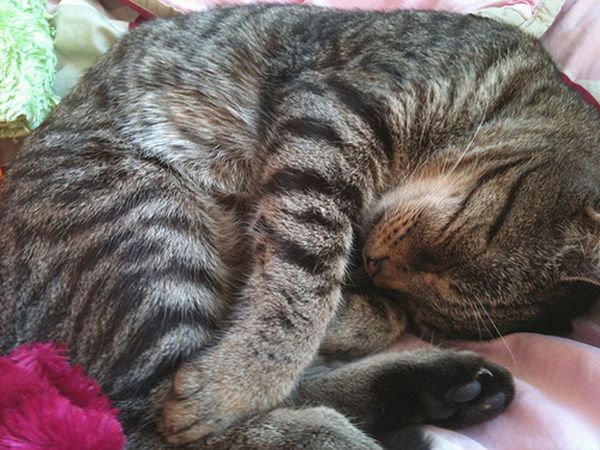
The mackerel tabby pattern is a cat in striped pajamas. Also referred to as a fish-bone tabby, this girl's striped fur coat displays dotted lines along the back with straps around the neck, legs and tail. Characterized by her narrow, parallel-striped markings resembling the bones of a fish, the mackerel's leg, neck and chest area is beautifully barred with colorful bracelets. Her pretty face has a network of mascara-like lines that continue over the head and down the neck and shoulders.
Spotted Tabby
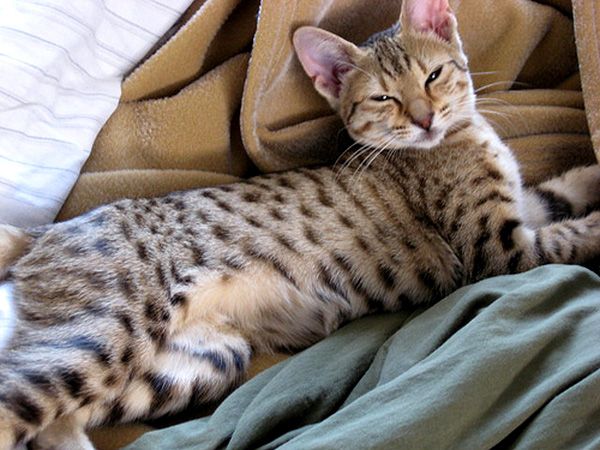
Taking her cue from a distant leopard relation, the spotted tabby's torso coat breaks away from the stripes favoring instead subtle, oval-shaped markings or vertically aligned spots. Instead of lines that create a defined pattern, her coat has small individually formed spots that are round or elongated with dark, distinctive striping on her legs, tail and head.
advertisement
Ticked Tabby
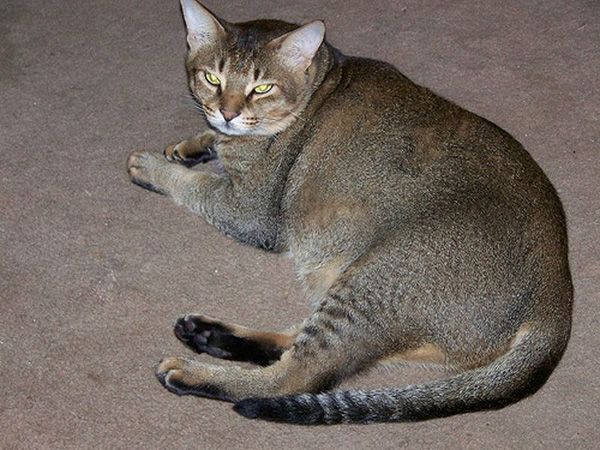
The ticked tabby is a kitty cat that dresses down -- breaking away from the tabby traditional torso stripes or spots. Instead of a tabby pattern on her body, each of her individual hairs is ticked -- has dark bands of color on them. With the exception of occasional faint, thin lines on the legs, face and tail, this delicately colored tabby is patternless and proud of it.
Patched Tabby
This is the term used to describe a tortoiseshell (also called tortie) tabby. In the typical form, there are separate patches of brown tabby and red tabby on the same animal.
A tortie who also carries the tabby gene is often called a torbie. Patched tabbies can show any one of the above four distinct tabby patterns. The markings are usually more apparent on the legs and head.