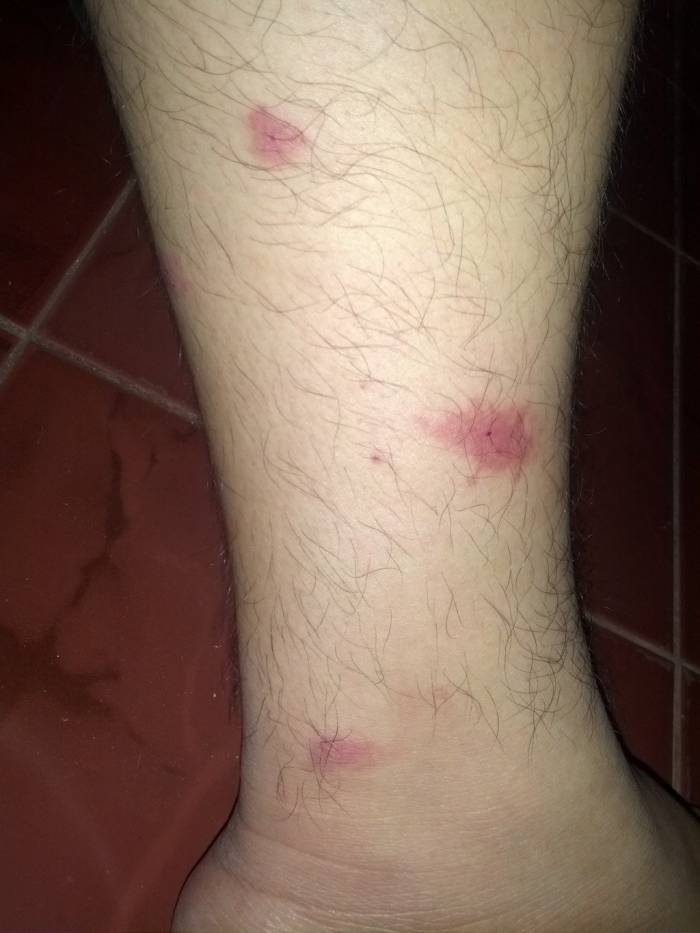
Itchy skin is irritating, but itchy legs are the worst. Here are some causes for those scaley legs and treatments to help you keep from scratching.
The Many Annoying Causes Of Aggravating Itchy Legs
By
Editorial Staff in
Health and Fitness
On 9th August 2016
advertisement
#1 Many Things Cause Itchy Skin
Itchiness is our skin's way of telling us something is wrong. Irritated skin can range from minor hygiene issues to fungal or bacterial infections. Itchy skin can be caused my many different things, so it's important to distinguish the itching from the pain, and tingling sensations. Pain may be due to an injury, and tingling may be a neurological condition, which are treated differently than itchy skin. Our legs are usually the first place a rash or irritation may occur so here are some basic causes and treatments that may help you soothe your scratching.
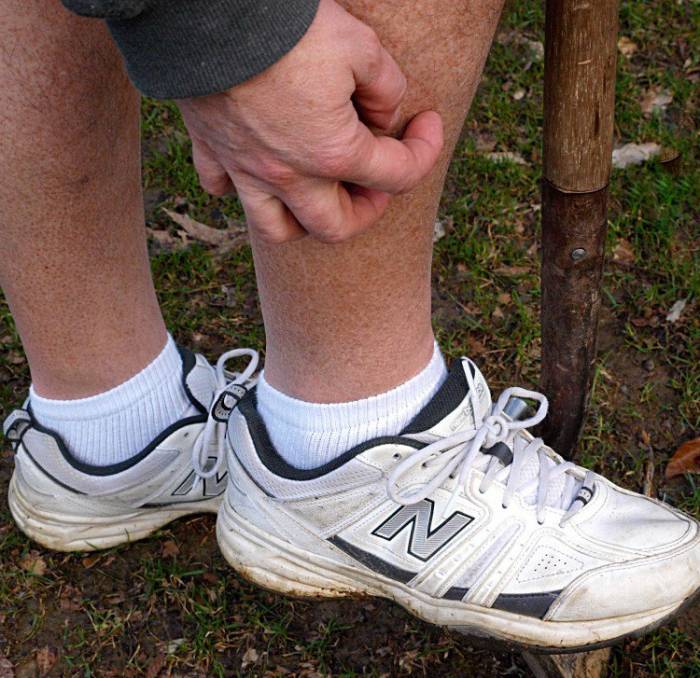
#2 Dry Skin
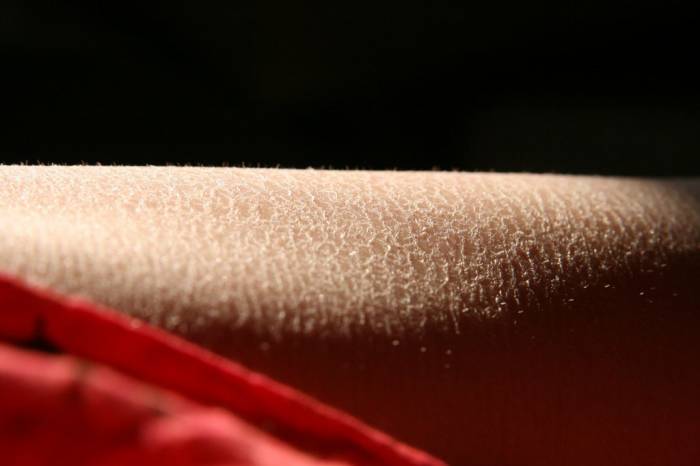
Cracked or dry skin is common and can be treated easily. It is usually temporary and appears in response to a dry, hot environment. Severely dry skin is known as ichthyosis and may require a visit to a dermatologist. Dry skin can be caused from using too much soap or drying of the natural oils in the body. Other causes are dehydration, swimming, dry weather, cold weather and heating systems, excessive sun exposure, and laundry soaps containing perfumes or dyes.
To keep the dry skin under control try using a humidifier, soaps and body wash that are oil based, detergents without perfumes or dyes, and drink plenty of water to stay hydrated.
advertisement
#3 Chicken Skin (Goose Bumps)
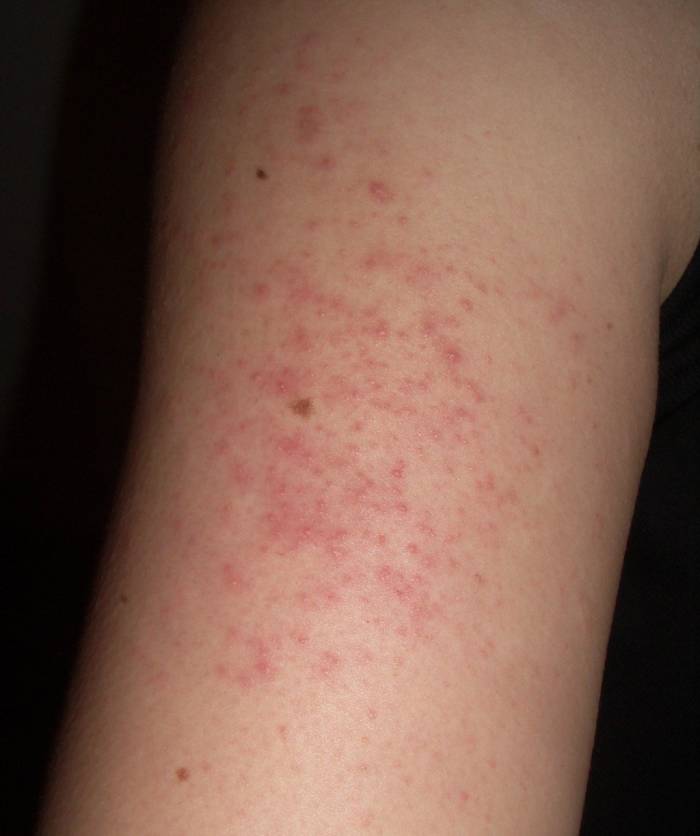
Medically known as keratosis pilaris, this is not the same as regular goose bumps one gets on the back of their neck or arms from the temperature change. This is a rash that causes the hair follicles on the thighs to thicken and form bumps that itch. This is normally a build up of keratin and it is a hereditary condition that generally disappears by the age of 30.
Chicken skin can be treated so they do not appear, but the skin will still itch, and the rash normally reappears after a short time period. Creams containing alpha-hydroxy acid, lactic acid, salicylic acid, may help by both moisturizing the skin and loosening the dead skin cells to help clear hair follicles. Cutting down on keratin intake can also speed up the cure for this nagging irritation.
#4 Folliculitis
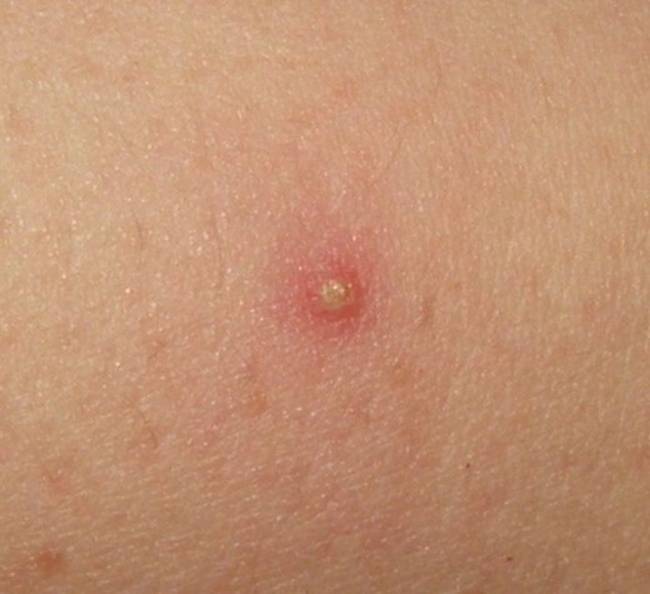
Generally appearing on the thighs or buttocks, often in athletes who wear tight sportswear, this condition is when the hair follicles become infected, forming a pus-filled bump that is red and itchy. This is caused by a staph infection known as Staphylococcus aureus.
The folliculitis can be treated in minor cases by proper hygiene and anti-bacterial soaps or ointment that contain the antibiotic mupirocin. Severe cases may require a visit to the doctor for an oral antibiotic and heavy duty ointment.
advertisement
#5 Acne
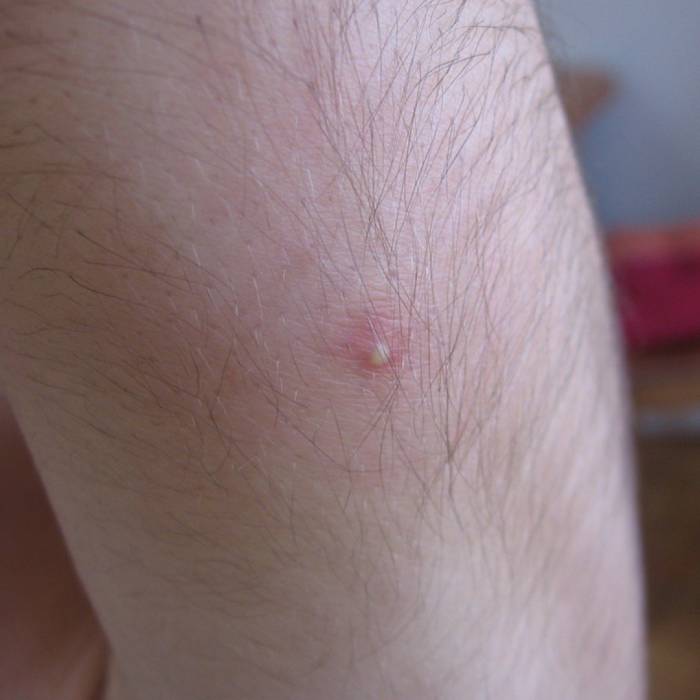
Yes, you can get acne on your legs, and this is a sign that the body is experiencing extreme stress, an inappropriate diet, or just bad hygiene. The acne is a cluster of either white or blackheads that form on the upper thigh, above the knee, or on the buttocks.
This acne may be treated successfully by increasing exercise and water intake and avoiding fatty foods.
advertisement
#6 Hives
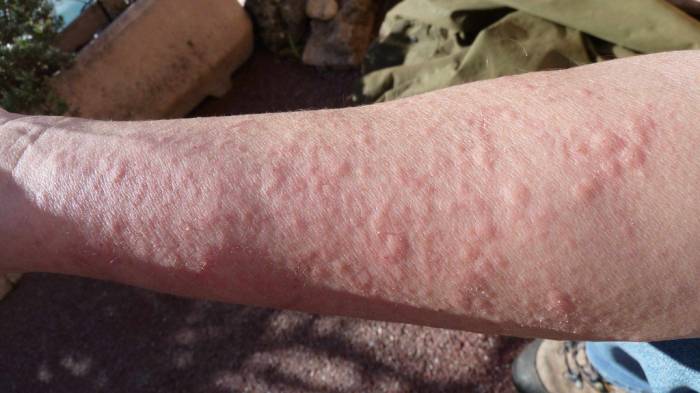
Cholinergic urticaria or hives is a bumpy rash on the thighs, upper trunk, or arms and can be triggered many different events or activities. Generally brought on by sweating, hives can appear after exercise, bathing, staying in a hot environment, or even emotional reactions such as excitement, shock, laughter and stress. The rash may appear a few minutes after the start activity or shortly after a hot shower, and can be intensely itchy for 30-120 minutes. These hives are caused by an allergic reaction to one's own sweat.
If you are prone to hives, avoid the hot sun, exercising in extreme heat, and itching the area where the hives appear. An over the counter antihistamine may help with the itchiness, as well as a cool shower.
advertisement
#7 Itchiness After Showering
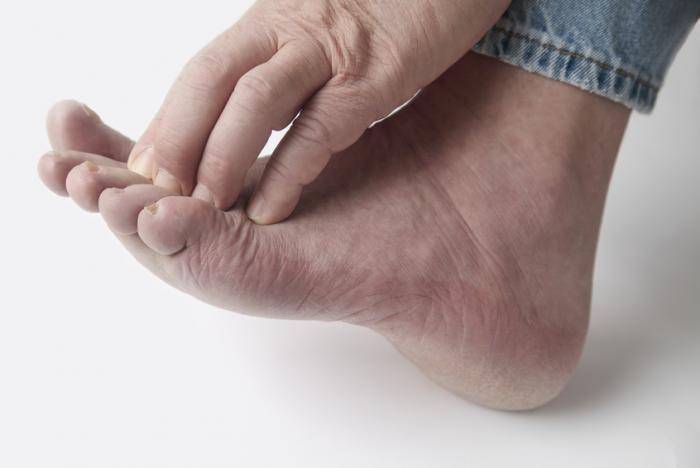
Taking too many hot showers and overuse of soaps that remove the protective skin fat and oils can be harmful to your skin, and it becomes more noticeable on the legs or upper thighs, and the upper arms. Your skin loses too much of its natural lubrication and becomes dried out and tight.
To avoid dry skin after a shower try using warm water instead of hot, and if possible, cold water. Avoid skin drying soaps and products and look for bathing supplies with oatmeal or aloe vera in them. Applying an oil-based skin lotion to the legs and feet may also be useful in controlling itchy skin after showering.
advertisement
#8 Jock Itch
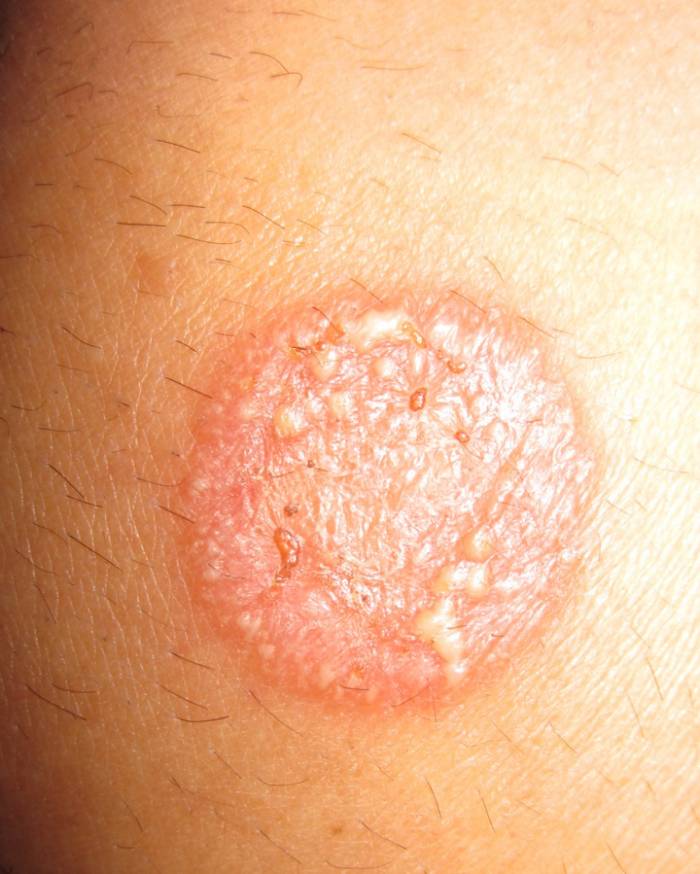
Jock itch, also known medically as tinea cruris, is a fungal infection of the skin. Appearing as an extensive reddish or brown itchy rash, jock itch normally affects the inner thighs, genitals, or buttocks. It is usually several circular blister-like welts that form the rash area. It is caused by heavy moisturization and warmth where the fungus can grow. It can spread to the upper thighs and legs if left untreated.
Controlling jock itch is easy with better hygiene and keeping the groin dry and cool. Antifungal ointments or, in persistent cases, oral antifungal medications may be required in severe cases.
advertisement
#9 Poor Hygiene
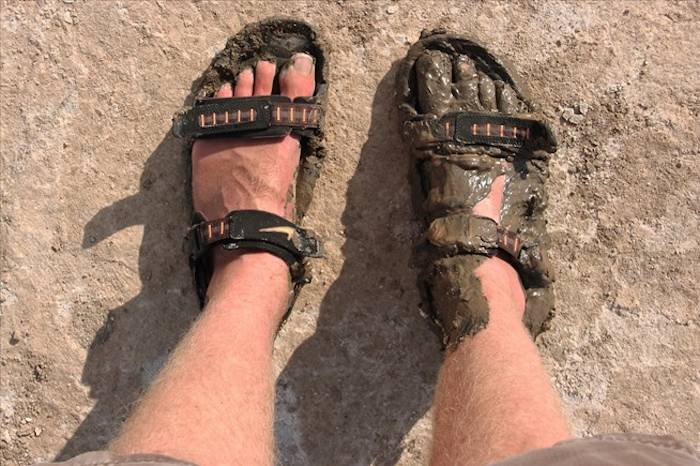
If you're dirty your body will tell you to clean yourself up! When dried sweat and dust remain on the skin, they are broken down by bacteria and yeasts and can irritate the nerve endings in the skin. Heat and rubbing by trouser fabric and socks can aggravate this sensation and make the inner legs and crotch itch and become magnets for other fungal irritations.
Bathe regularly. Try to use lukewarm water and mild soaps, not hot water, to avoid removing the protective fat layer from the skin. Try to avoid getting bacteria, dirt, and grime into any open sores or cuts on the legs and feet and keep yourself fresh.
advertisement
#10 Eczema
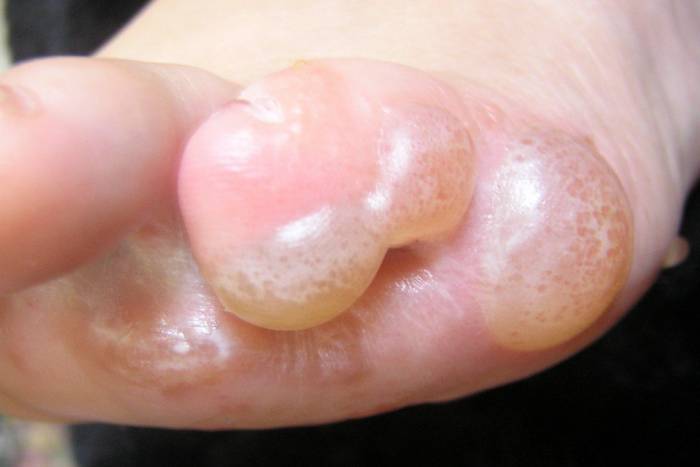
Eczema comes in several different forms and its actual cause is unknown. It is thought to be an overactive immune response to irritants that causes skin inflammation. Nearly 20 percent of infants are afflicted with eczema but most outgrow it before their teens.
Cold compresses can relieve the itching as well as anti-itch products like hydrocortisone creams. If left untreated, an itchy eczema rash may become infected. Lotions and creams, applied when the skin is moist, can help the skin retain moisture.
advertisement
#11 Other Causes of Leg Itchiness
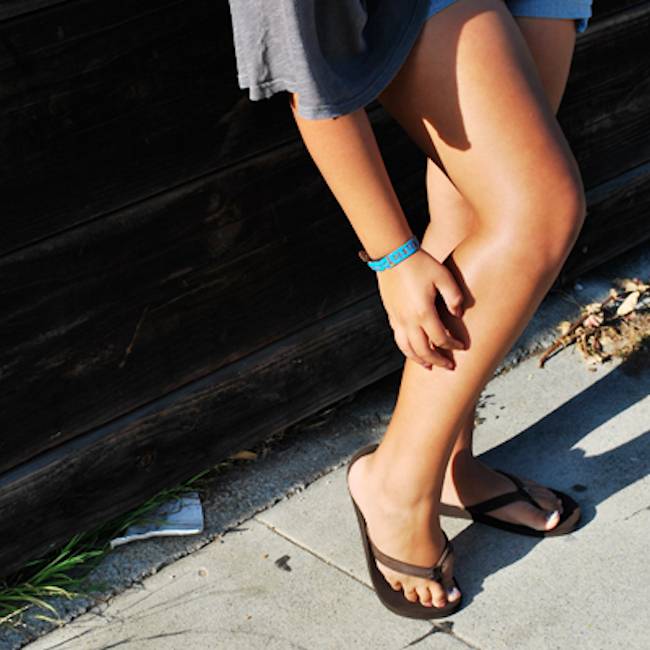
Some other things that may cause your legs to itch include prolonged sitting, standing or walking, which can lead blood to pool in leg veins, which can cause itch and discomfort in lower legs, especially in people with varicose veins. Soaps, shampoos, lotions, creams or other cosmetics can irritate the skin or cause contact or allergic dermatitis. Allergies of any kind can cause itching that can affect predominantly the legs.
advertisement
#12 Hot And Sweaty Legs
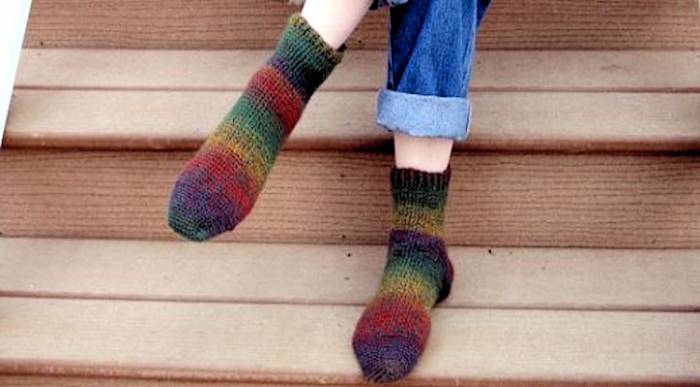
Certain fabrics like wool, when worn as trousers or socks, can sometimes irritate the legs or feet. Tight socks or stockings may also cause the skin to become irritated as the blood flow can become restricted. Tight shoes like heels with pinched toes will also do the same thing to your leg circulation. Moist feet from wearing boots or waterproof shoes for a prolonged time can enable yeast to grow between the toes, which can lead to extreme itchiness that could lead to athlete's foot or spread up to the ankle or leg.
#13 Mosquito Bites And Other Causes
Mosquito and other insect bites such as black flys can cause local redness and itch, which usually goes away in several hours to a few days. Avoid scratching the bites and wash the area with warm water before drying and applying an anti-itch cream to the red bumps that have begun to appear.
Liver disease, bile duct obstruction, chronic kidney disease with high blood phosphate levels can cause itchy skin, including itchy legs. Many individuals on hemodialysis experience itch. Leg swelling of any cause (heart, liver or kidney disease, venous thrombosis, elephantiasis) can be associated with itchiness, as can a build up of excess fluids in the system, since that flows directly to the legs.
Restless Leg Syndrome (RLS) is a little-understood neurological disorder where the sensation is a tingling more than an itching that creates an urge to move the legs. However, in some people, the legs become painfully itchy and can cause sleepless nights. Avoiding caffeine can help ease the symptoms, but no itch creams or steroidal's will help.