There are inherently hundreds of pressing issues which must be solved in the making of a feature-length film. Whether these issues are in regards to production or script, it is up to the filmmakers to ensure that the finished product ultimately achieves what they had initially set out to do. When these movies are based on true life historical events, however, the film's creators face an additional set of issues. Perhaps the greatest of these challenges is ensuring that the films remain historically accurate. While almost all historical films take some creative license with the events that they portray, some movies have taken this idea to the absolute extreme. As such, this list will count down the Most Inaccurate History Films of All Time. Coming across a broad range of spectrums, the single thing that these films have in common is their absolutely atrocious handling of real-life historical facts. Despite their glaring inaccuracies, many of these films did very well at the box office. It is fair to say, however, that their lack of historical accurateness has somewhat damaged their legacy, and limited their ability to reach the upper echelon of inspiring films. Be on the lookout for a certain famous actor whose films make our list multiple times.
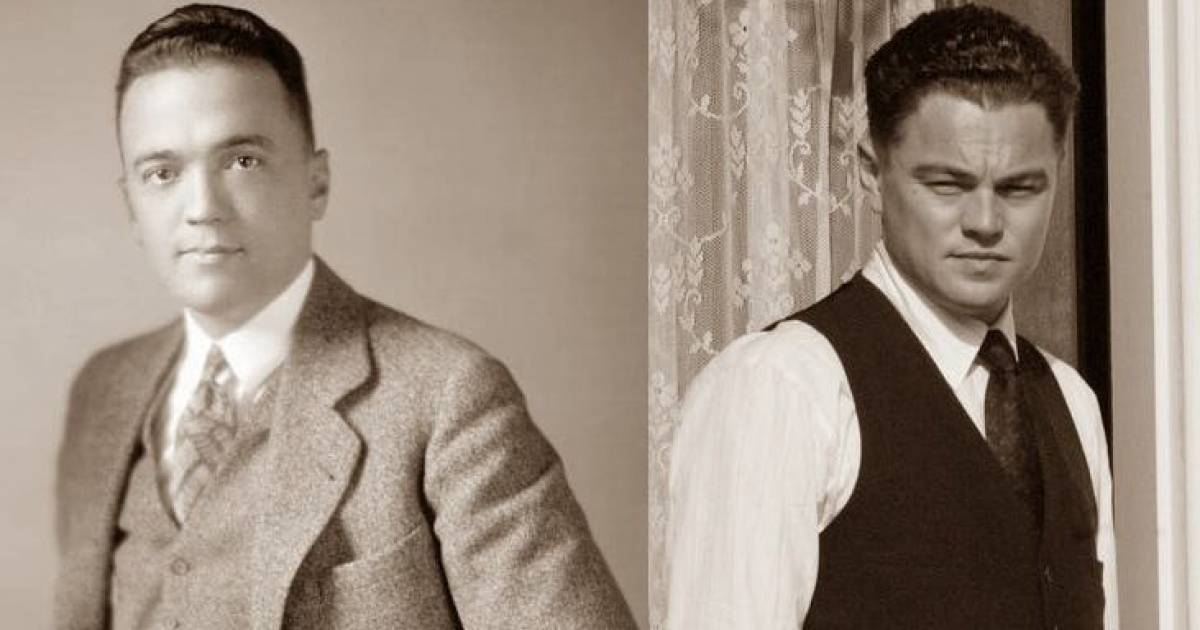
The Most Inaccurate Historical Movies Of All Time.
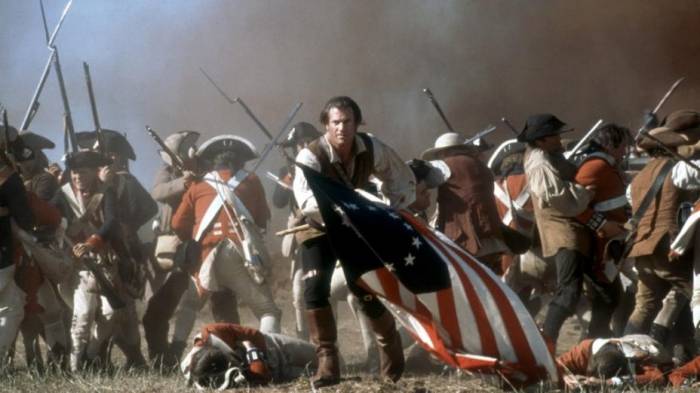
THE PATRIOT
With the plethora of American Civil War films that are released every year, I’m surprised that there have not been more movies and shows centered around the American Revolution. Maybe movie producers are a little gun-shy after the massively negative reaction to The Patriot, a historical film about the Revolution starring Mel Gibson. In the Patriot, Gibson plays the role of Francis Marion, a revolutionary soldier turned guerrilla specialist who was crucial in limiting the effectiveness of Royal forces in their southern campaign. While Marion is certainly a figure worthy of receiving his own movie, the facts shown in The Patriot are almost entirely fictional. As is evident from this film, Gibson seems reluctant to film any sort of history based movie which isn’t entirely inaccurate.
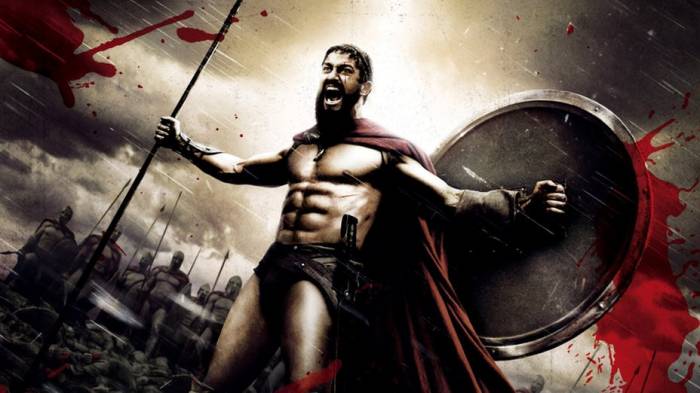
300
The film 300 has been applauded for introducing audiences to its own, unique, brand of cinematography. The film has not been applauded, however, for its historic accurateness. 300 has been largely denounced by historians because it blatantly tampers with known facts about the Battle of Thermopylae in order to fit the events within its own narrow story arc. For instance, an important element of the film is that Leonidas and his Spartans are actively disobeying the confederacy of Greek city-states by meeting the Persian army in a mountain pass. Quite the contrary, it was part of the overall Greek strategy to have the Spartans slow down the approaching Persians so that the rest of their armies could form. Many additional Greeks actually assisted in the Battle of Thermopylae (this historical fact is partially portrayed in the film).
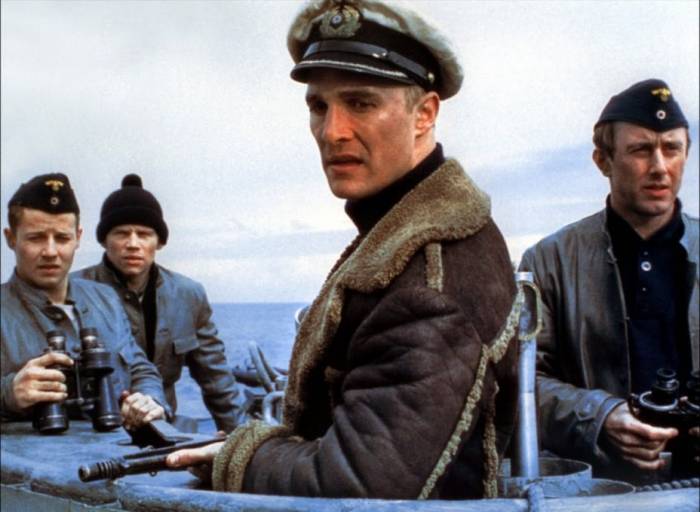
U-571
Easily the two most popular periods of American history are the American Civil War and World War II. As such, there are a plethora of movies and shows which cover these topic areas. One World War II film which has been criticized for its lack of historical accurateness is U-571. U-571 is about a group of American soldiers who attack a German submarine in hopes of capturing the Enigma cipher machine (this was a machine which allowed the Germans to send encoded messages). Much like another entry on this list, this film is disparaged because it inserted Americans into a situation where they never were. The operation which secured the German Enigma machine was undertaken by British soldiers before the U.S. had even entered the war.
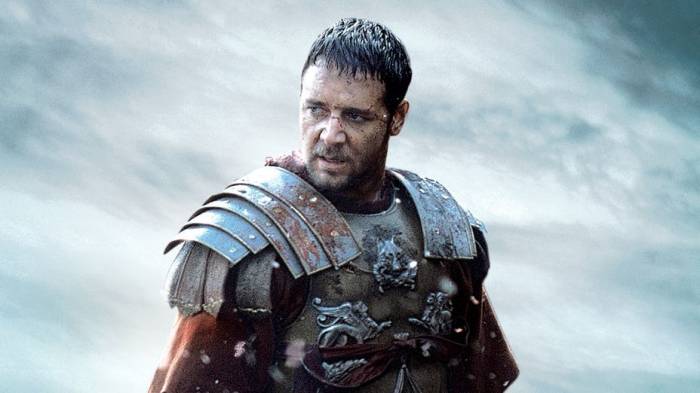
GLADIATOR
One aspect of history which always has a significant fan following is the Roman Empire. One film which took advantage of this fascination was Gladiator, starring Russel Crowe. Despite the fact that the film’s story is very well told (and winning multiple awards), the movie's producers have been disparaged for the films glaring historical inaccuracies. A central theme of the film is that Marcus Aurelius had banned gladiator fights, but then Commodus killed his father to ascend to the throne and reinstituted the bloody contests. In reality, Aurelius used the gladiator games to his political advantage (much like every emperor before him), and he willingly named Commodus as his heir (though there is some evidence that he wasn’t overly fond of him).
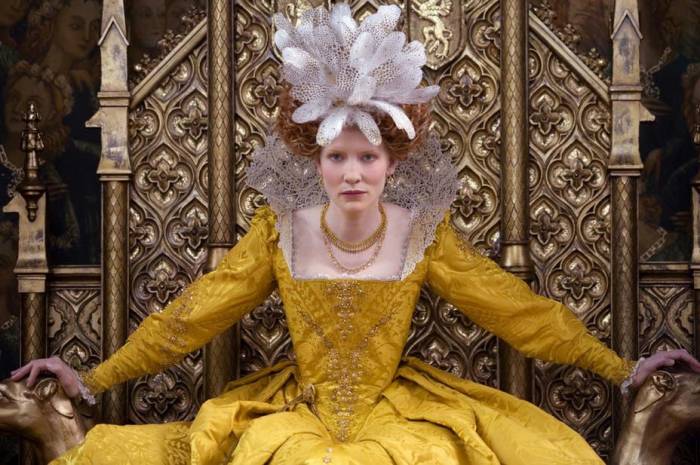
ELIZABETH: THE GOLDEN AGE
An important historical event which is taught in almost every Western Civilization course is the demise of the Spanish Armada in the Battle of Tilbury. One of the more epic films to depict this battle is Elizabeth: the Golden Age, starring Cate Blanchett (ironically even Blanchett has admitted that the film was “no way to learn history”). The issue with the film that is most troubling to historians is the battle itself, which is the climax of the film. In the film, the battle is seen as pretty even, with the English troops just eking out a victory due to their incredible heroism. In reality, however, England did not lose a single ship during the battle. This, of course, doesn’t make for a very dramatic movie.
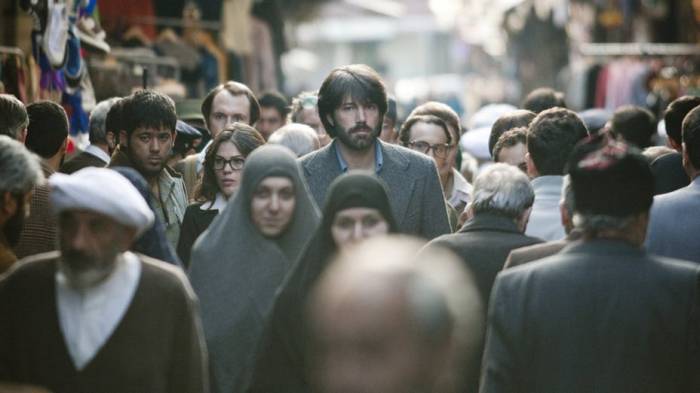
ARGO
Many of the historical events on which these films are based occurred several centuries ago, so it is somewhat understandable that the filmmakers wouldn’t take the time to create a wholly historically accurate film. Such is not the case with the next entry on our list, however, as the events which inspired the film Argo took place in the late 1970’s and early 80’s. Despite the filmmakers being alive when these events were occurring, the series of events which makes up the film is incredibly different from what actually happened in the Iranian hostage crisis. The most prominent example of this is how the film turns the Canadian influence of the rescue plan into a footnote of the film when in reality, U.S. President Jimmy Carter acknowledged that almost 90% of the plan can be attributed to Canadian and New Zealand operatives.
TROY
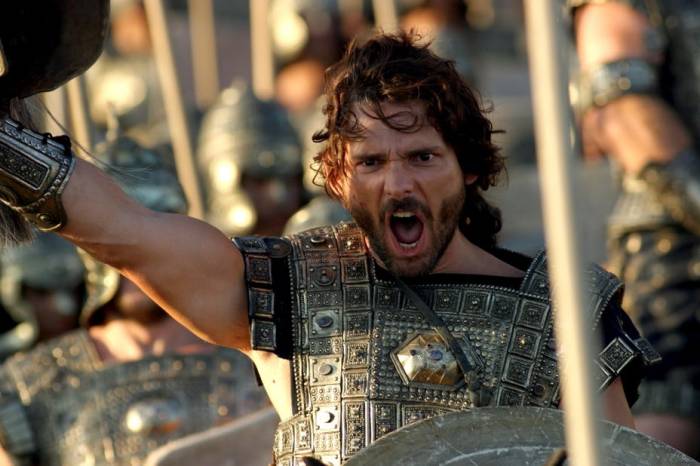
It is hard to measure the historical accurateness of Troy because the events on which it is based took place so long ago that even seasoned historians have almost no idea of the specific aspects of the siege of Troy (some even argue whether the city actually existed at all). For all intents and purposes, however, the siege of Troy has long been referenced through the lens of Homer’s Iliad, a Greek epic poem generally believed to have been written in the 12th century BC. Throwing aside the film’s lack Greek gods and goddesses which dominate the epic poem, there are several other historical aspects of the story which the producers of Troy completely fabricated. For example, the love interest between Brad Pitt’s character Achilles, and Briseis was totally original to the film. In the real story, Achilles becomes angry because Briseis is merely his property. Therefore, when Agamemnon seeks to take her from him, it is a serious affront to Achilles’ honor. The dispute that enfolds in no way relates to any special attachment Achilles had for Briseis.
THE LAST SAMURAI
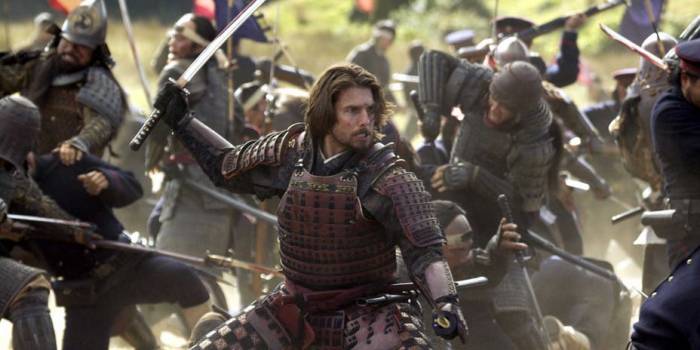
Tom Cruise’s status as a legitimate action hero took another with the worldwide failure of The Mummy reboot. On the list of other Cruise movies which have failed is usually included a little film called The Last Samurai. While this film has multiple flaws, the one which gained a lot of attention when the film debuted was its glaring historical inaccuracies. To begin with, Japan never once hired an American military advisor (they preferred French military trainers), and the fact that someone could become a master samurai in such a short period of time is laughable. Not only this, but the film included several scenes of Cruise’s character teaching the Japanese soldiers to shoot rifles. This is concerning because, by the time when the movie was supposed to take place, the Japanese were already adept at shooting the type of rifles used in the U.S. Civil War.
ALEXANDER
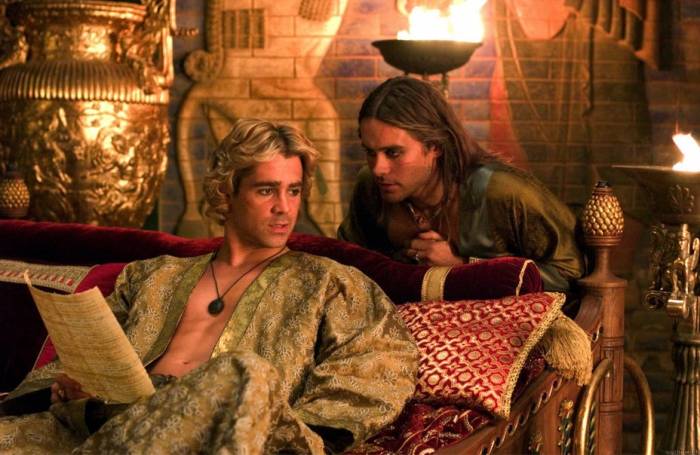
I don’t know if there is a historical film which has been more heavily criticized than 2004’s Alexander. It seems as if the only historical advice that the producers were given about the life of Alexander the Great was that he was an enormously successful general and that later in life he liked to have gigantic sexual orgies. While both of these things are true, it is hard to make a historically accurate (or entertaining) film based on these facts alone. Without knowing more facts about Alexander’s life, you get the kind of time eschewed, raunchy, disaster that Alexander was. Not only this, but the portrayals of Persians and Indians in the film was almost wholly inaccurate, causing quite a stir in both of these countries (Persia being much of modern day Iran).
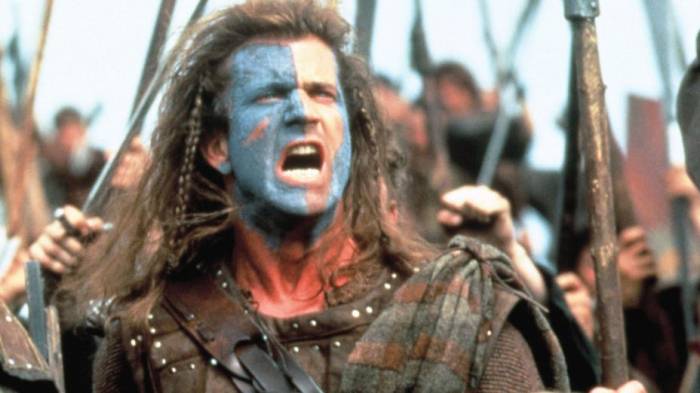
BRAVEHEART
It should just be a rule that Mel Gibson should not be allowed to star in historical films. 1995’s Braveheart is a perfect example of this, as Gibson’s portrayal of the 13th-century warrior, William Wallace, does not live up to the real-life revolutionary. William Wallace is most famous for his campaign against the oppression of King Edward I of England. While the film (somewhat) accurately captures this portion of the story, the film has several inaccuracies which daunt the story. This includes issues with the timeline and the fact that at the time when the film was supposed to take place (1276), Scotland and England were at peace. Given the fact that Braveheart is over 3 hours long, you would think that the screenwriters would have had the time to make the story historically accurate.