The Negative Health Effects Of Poor Sleeping Habits
Most people don’t get enough sleep. We are a society that burns the candle at both ends, a nation where people stay up all night to study, work, or have fun. However, going without adequate sleep carries with it both short- and long-term consequences.
In the short term, a lack of adequate sleep can affect judgment, mood, ability to learn and retain information, and may increase the risk of serious accidents and injury. In the long term, chronic sleep deprivation may lead to a host of health problems including obesity, diabetes, cardiovascular disease, and even early mortality.
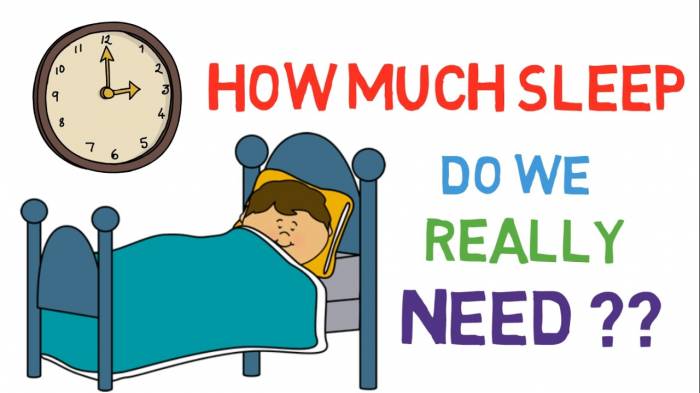
How much sleep do we need?
Most of us need around eight hours of good-quality sleep a night to function properly – but some need more and some less. What matters is that you find out how much sleep you need and then try to achieve it.
As a general rule, if you wake up tired and spend the day longing for a chance to have a nap, it’s likely that you’re not getting enough sleep.
A variety of factors can cause poor sleep, including health conditions such as sleep apnoea. But in most cases, it’s due to bad sleeping habits.
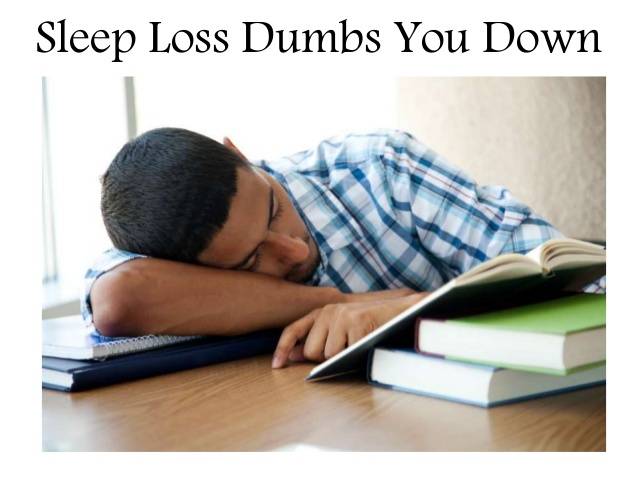
Sleep Loss Dumbs You Down
Sleep plays a critical role in thinking and learning. Lack of sleep hurts these cognitive processes in many ways. First, it impairs attention, alertness, concentration, reasoning, and problem solving. This makes it more difficult to learn efficiently.
Issues with learning and behavior
Roughly one in four teens goes to bed after 11:30 p.m. on weeknights, and those who do tend to perform worse at school and experience greater emotional distress. Younger teens who don’t get enough sleep are also more likely to be inattentive, impulsive, hyperactive and oppositional. It should come as no surprise that teens who aren’t getting enough sleep won’t be at their best academically or behavior-wise.
Why? Sleep supports brain processes that are critical to learning, memory and emotion regulation. At night, the brain reviews and consolidates information that’s acquired during the day, making that information easier to later retrieve.
Immune system
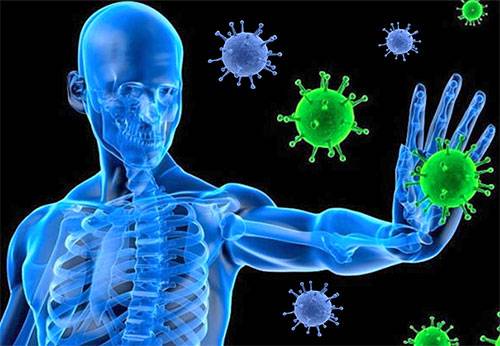
While you sleep, your immune system produces protective, infection-fighting substances like cytokines. It uses these substances to combat foreign invaders such as bacteria and viruses. Cytokines also help you sleep, giving your immune system more energy to defend your body against illness.Sleep deprivation prevents your immune system from building up its forces. If you don’t get enough sleep, your body may not be able to fend off invaders. It may also take you longer to recover from illness. Long-term sleep deprivation also increases your risk for chronic illnesses like diabetes and heart disease.
Your memory's shot
Can't remember what movie you saw last weekend or where you put your car keys—again? Before you panic about having a serious memory problem, know that your brain is probably fine. When you're tired, you're usually not paying a whole lot of attention to what's going on when trying to make a memory. Still, getting decent sleep is crucial for brain health in the long term. Research from the National Institutes of Health showed that in mice, sleep helps clear toxic molecules from the brain. So not getting enough regularly could impair your brain's ability to keep the nervous system clear.
Infertility
Sleep deprivation causes disruption of the reproductive hormones and hence prevents ovulation from occurring properly, which can result in infertility. In addition, libido is also lower in individuals with less sleep.
Other Medical effects of poor sleep
Poor sleep in the longer term has a number of effects on other medical conditions. It increases the risk of type 2 Diabetes with the body not handling sugar loads as well in the setting of poor sleep. There is also an increased risk of high blood pressure, particularly those who average less than five hours of sleep per night over a long period of time.
Muscle weakness
During your period of rest, your muscles enter into a state of relaxation that allows them to renew themselves for the challenges of the coming day. At the same time, growth hormones are also released. These influence your formation of muscle mass. When you don’t sleep well, the absence of these processes causes your muscles to feel weaker and more tired. Pushing your body too hard without good sleep can lead to even greater physical exhaustion. It’s best to avoid going to the gym or any high-impact physical activity when you haven’t had good, refreshing sleep.