

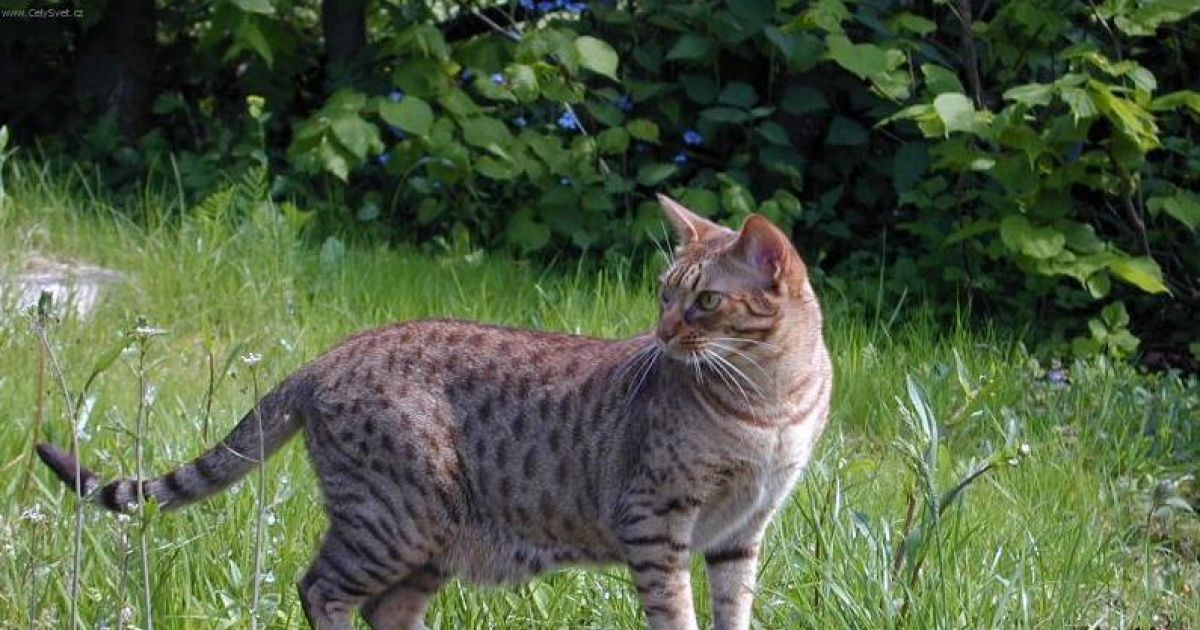
The Ocicat has been bred specifically to look like a wild cat with its fabulous spotted sleek coat, rippling muscles, strong body and good solid build.
advertisement
“Oh look, spots! Is it tame? What kind of cat is this? It must be something special.”
Indeed they are! This magnificent spotted cat never fails to steal the show, not to mention the hearts of those fortunate enough to own them.
Feline enthusiasts have always been awed by the spotted cats of the wild
ocelots, margays, leopards, and others. Never before was there such an effort to breed an entirely domestic cat which can offer the spotted beauty of the wild cats while maintaining the lovely, predictable disposition of the domestic cat.
advertisement
The Ocicat is an all-domestic breed of cat which resembles a wild cat but has no wild DNA in its gene pool.
The breed is unusual in that it is spotted like a wild cat but has the temperament of a domestic animal. It is named for its resemblance to the ocelot. The breed was established from Siamese and Abyssinian stock; later, American Shorthairs (silver tabbies) were added to the mix and gave the breed their silver color, bone structure and distinct markings.
Like the cats who came together to create him
the Ocicat is self-confident, talkative and highly active. He enjoys greeting visitors and can get along well with children, dogs and other cats. It's not unusual for him to learn to walk on a leash or to play active games such as fetch, but he also has a reputation as a lap cat.
advertisement
Similar to something you would see in the wild
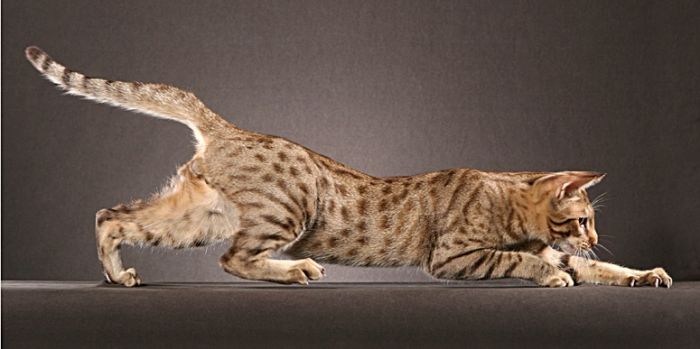
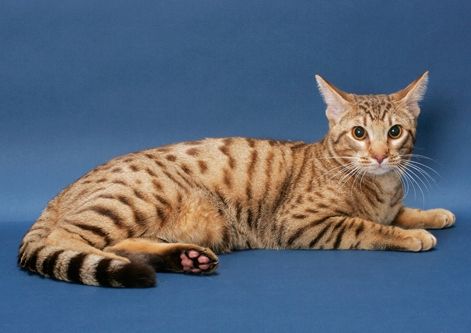
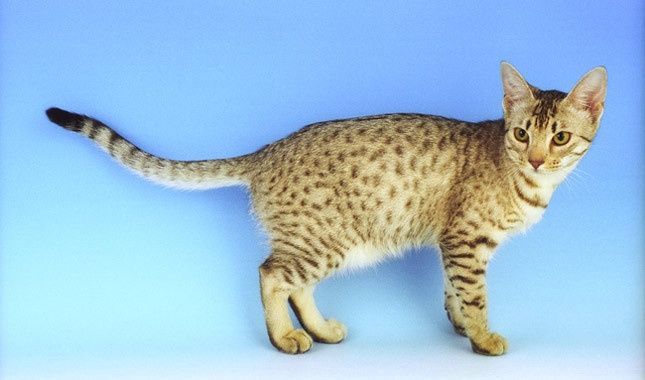
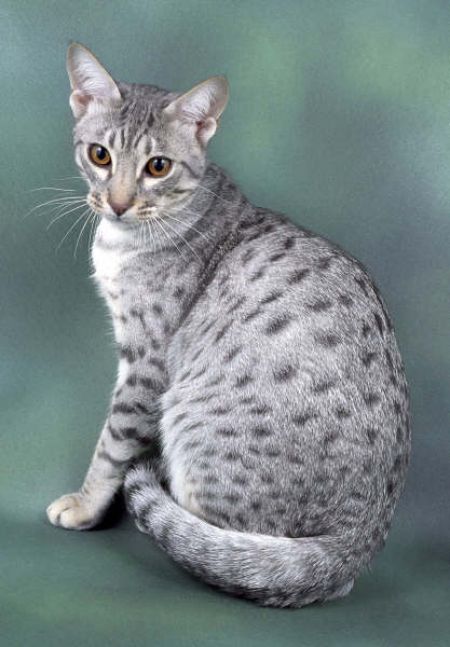
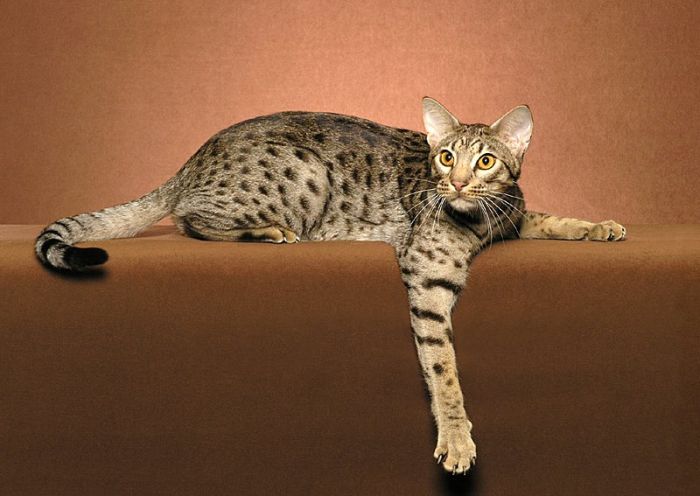
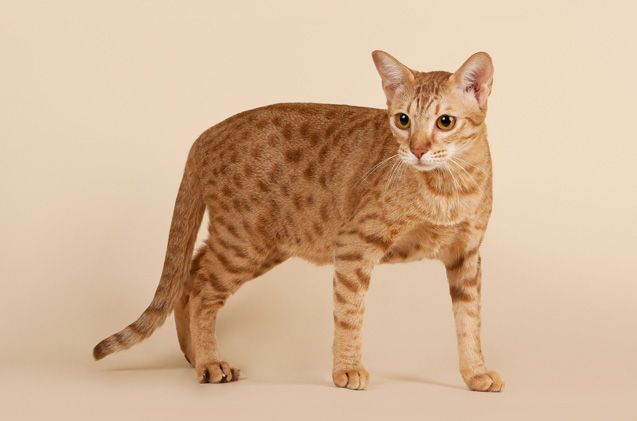
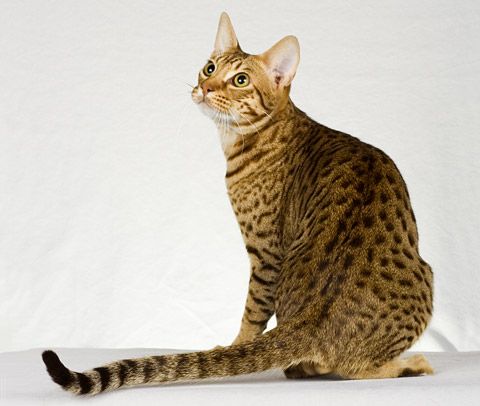
the Ocicat is an agouti spotted cat with a strong, athletic build. Like an Ocelot, its short and soft coat has rows of spots that run along the spine from the shoulder blades to the tail, and large thumbprint-like spots across the side of the torso. And while the ideal Ocicat is large, it can also be medium in size.
advertisement
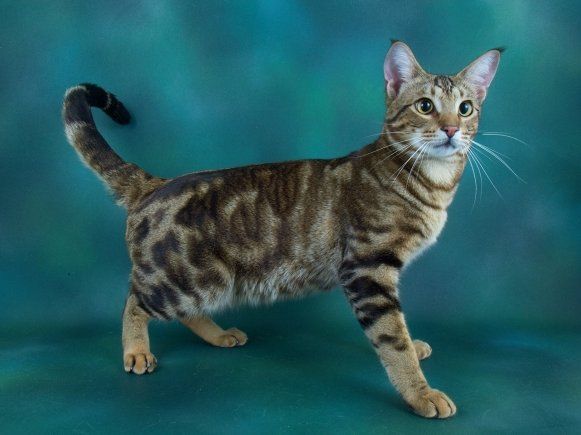
There are twelve colors approved for the ocicat breed
tawny, chocolate, cinnamon, blue, lavender, fawn, silver, chocolate silver, cinnamon silver, blue silver, lavender silver, and fawn silver.
advertisement
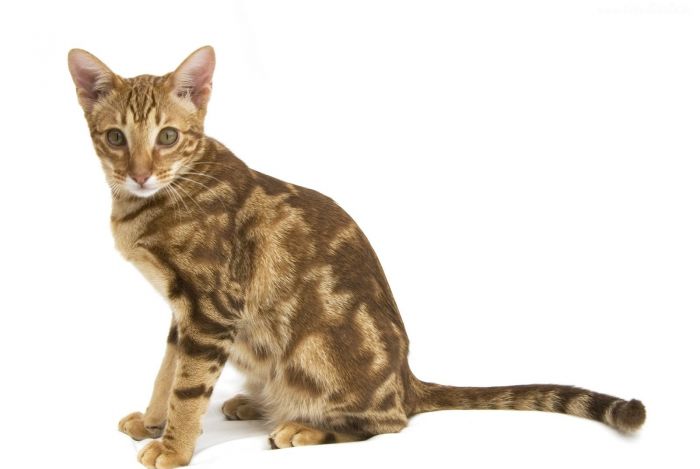
Bred for spots
the Ocicat also comes in four other patterns: ticked, classic tabby, solid, and pointed. But regardless of color or pattern, they all have that trademark personality to capture your heart.
advertisement
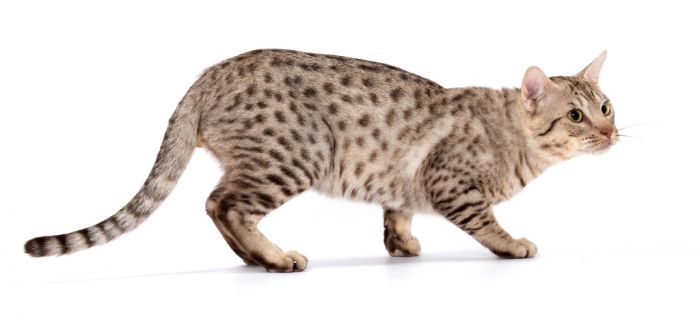
The Ocicat's coat sports rows of spots that run along the spine from shoulder blades to tail.
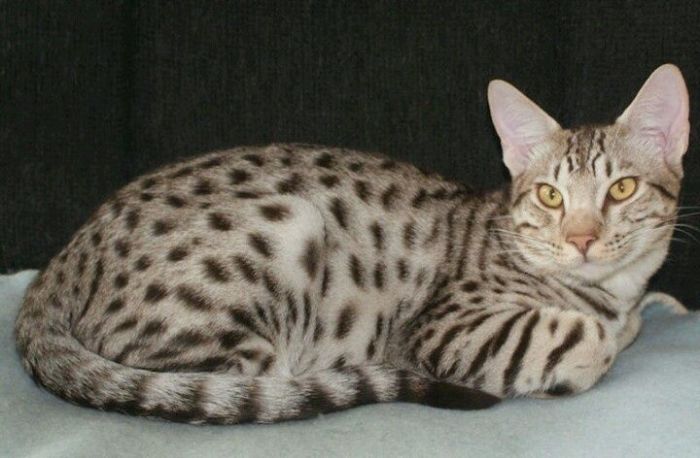
The spots are scattered across the shoulders and hindquarters and extend down the legs, and large thumbprint-shaped spots appear on the sides of the torso. The overall pattern gives the subtle suggestion of a classic tabby pattern, a spot circled by spots as in a bull's-eye.
advertisement
Like the Abyssinian
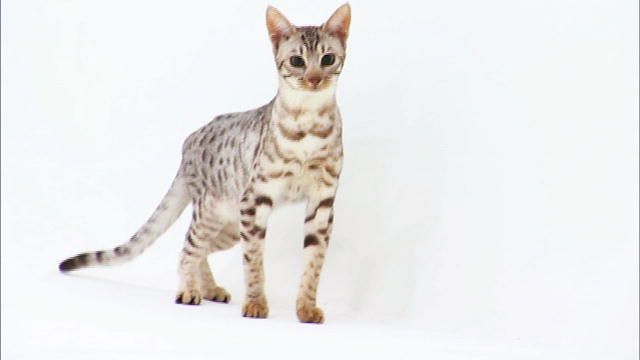
the Ocicat is an agouti breed. If you look closely at the spots, you'll see that each hair has bands of alternating color with the darker color at the tip.
advertisement
The original Ocicat was the unexpected result of a breeding experiment.
In 1964, a cat breeder named Virginia Daly sought to create a Siamese with Abyssinian color points. To accomplish this she mated a Siamese female and an Abyssinian male, which produced Abyssinian-looking kittens. She then crossed a half-Abyssinian with a purebred Siamese and achieved the desired result.
advertisement
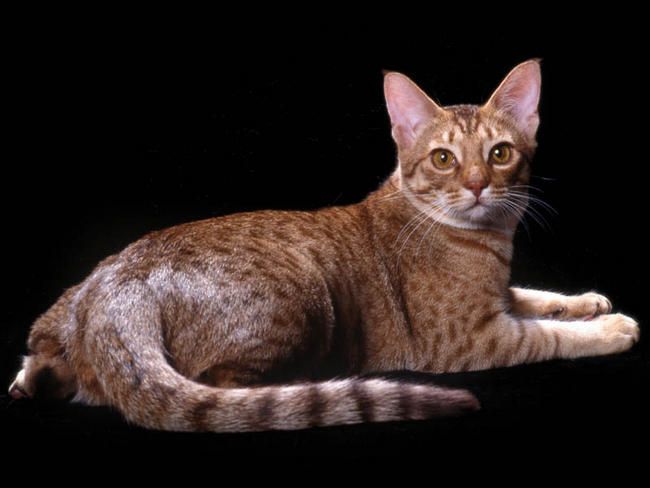
However, there was one unusual kitten with golden spots and copper eyes in the litter.
It was later named Tonga, and nicknamed "ocicat" because of the similar-spotted wild cat: the Ocelot. And though Tonga was neutered and sold as a pet, further breedings of his parents would later provide the base for a breeding program.
advertisement
While the Ocicat looks wild, its temperament is anything but ferocious.
It is a lot like a dog in that it is absolutely devoted to its people. Not a demanding, clinging-vine type, the Ocicat is confident as well as dedicated to its owners.
Highly intelligent, Ocicats are willing students who learn basic obedience commands and tricks easily
They are also easily trained to wear harnesses and walk on leashes.
These feline athletes love to play as hunters and to leap onto very high places.
advertisement