

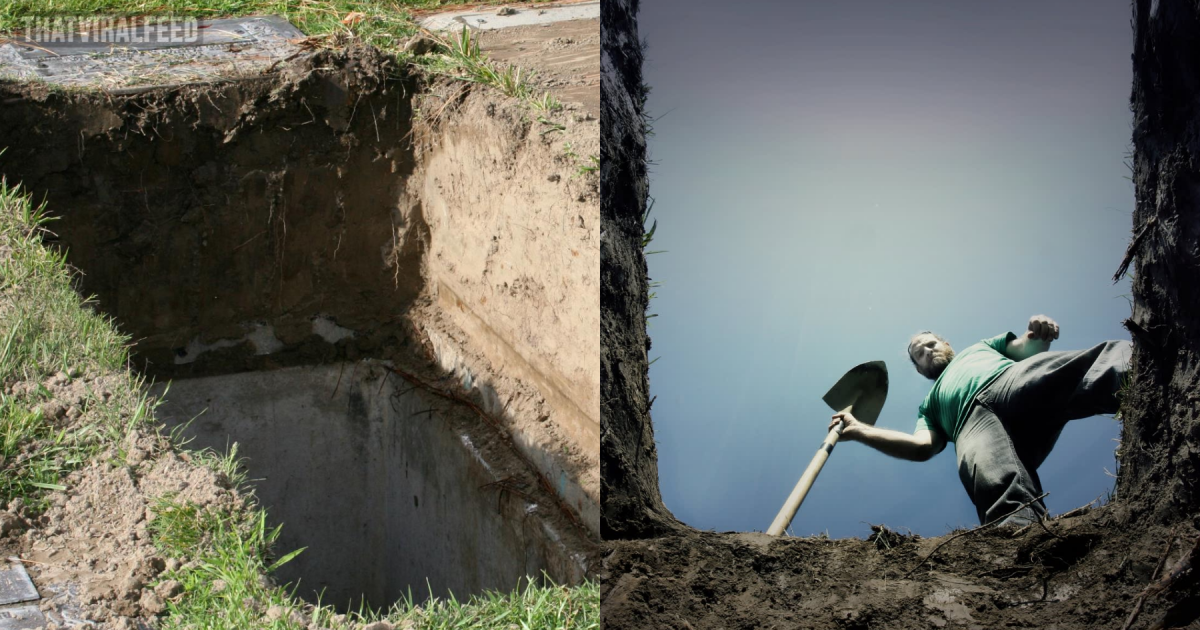
The phrase “six feet under” is always synonymous with death, but have you ever wondered why a person’s grave should be dug at a depth of six feet? The people at Today I Found Out now have an answer to this morbid question. In the process of figuring it out, they discovered that these regulations aren't as standard as we tend to think.
advertisement
A grave is a location where a dead body (typically that of a human, although sometimes that of an animal) is buried.
Graves are usually located in special areas set aside for the purpose of burial, such as graveyards or cemeteries.
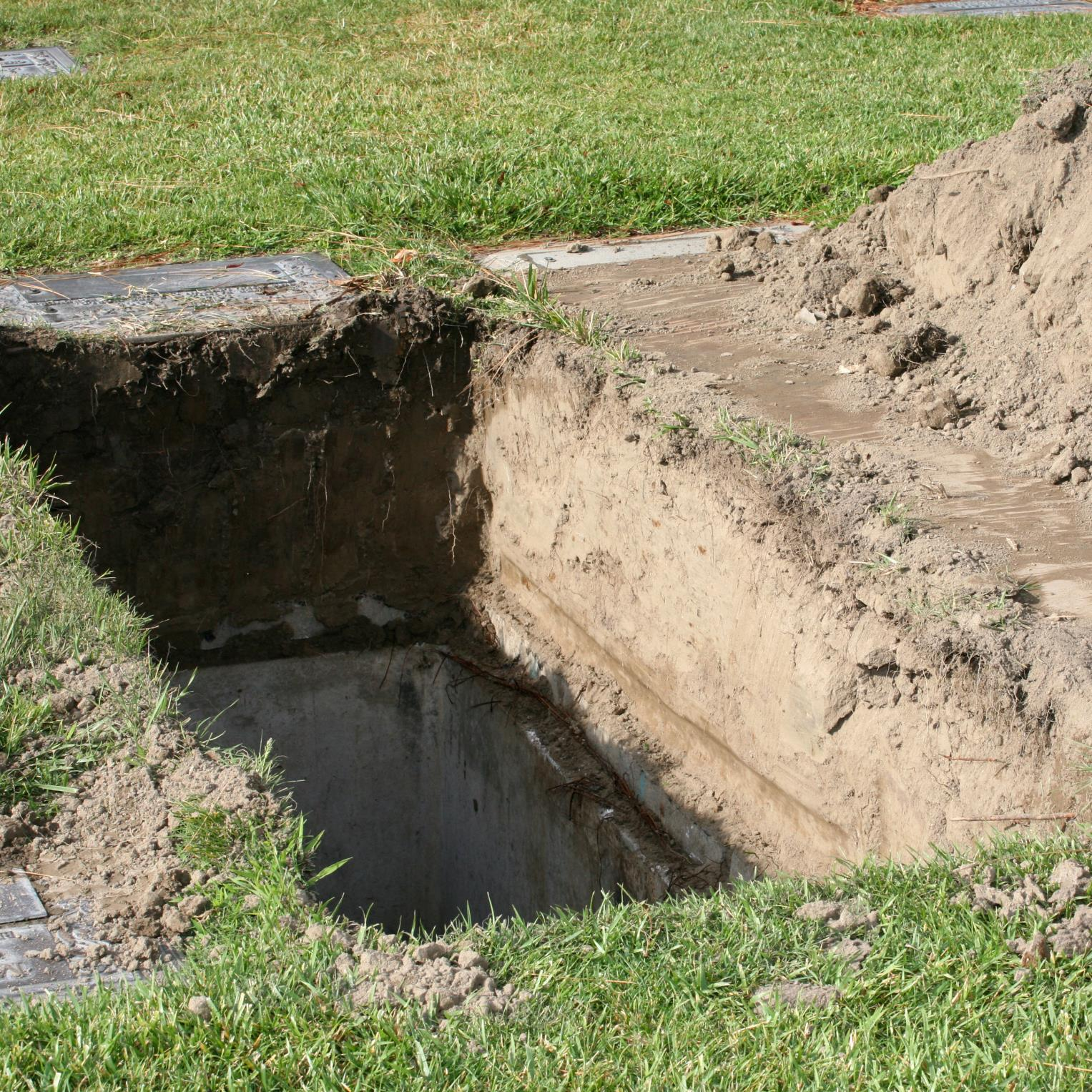
Certain details of a grave, such as the state of the body found within it and any objects found with the body may provide information for archaeologists about how the body may have lived before its death.
advertisement
Including the time period in which it lived and the culture that it had been a part of.
In some religions, it is believed that the body must be burned for the soul to survive.
In others, the complete decomposition of the body is considered to be important for the rest of the soul.
The origins of “six feet under” come from a 1665 outbreak in England.
advertisement

As the disease swept the country, the mayor of London literally laid down the law about how to deal with the bodies to avoid further infections.
advertisement
Among his specifications—made in “Orders Conceived and Published by the Lord Mayor and Aldermen of the City of London, Concerning the Infection of the Plague” was that “all the graves shall be at least six feet deep.”
advertisement
In some, coffins or burial vaults would only need 18 inches of soil on top of them.
So, even a grave that’s as shallow as four feet would be considered acceptable.
advertisement

There are even those that are deeper than 12 feet.
advertisement
The reason for this is so that there will be more space for other dead bodies to be placed in the same grave – usually relatives or loved
The bottom line is that grave depths vary. A lot.