

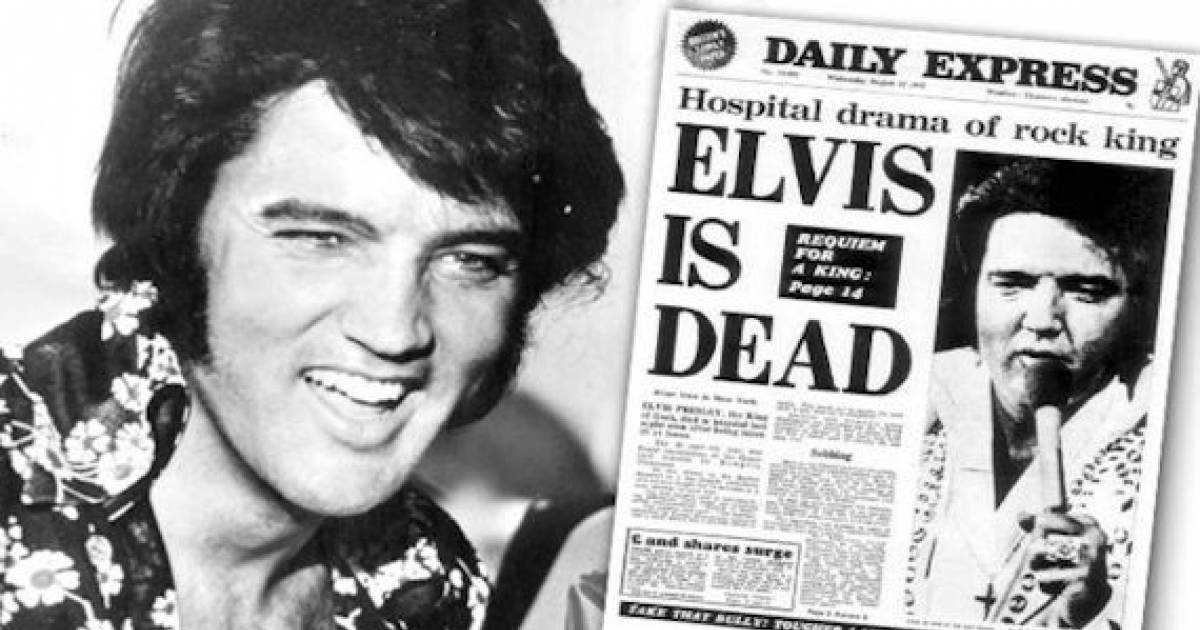
Elvis Presley played his last on June 26, 1977, a few months before his death. The singer once proclaimed as the "King of Rock and Roll," had suffered a tragic decline in the final years of his career, developing a destructive drug habit that caused his health to rapidly deteriorate. Nevertheless, Presley continued performing practically until he died, dedicated to his singing and his need for attention.
advertisement
#1 Divorce And Relationship Issues
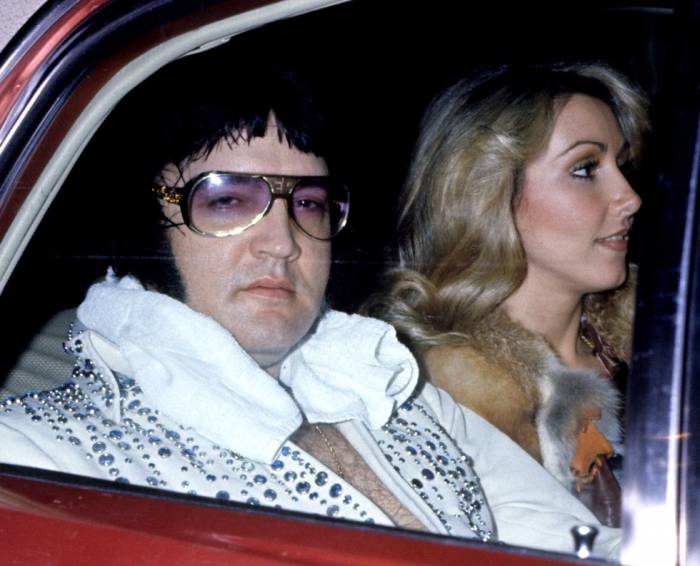
After his huge 'comeback' tour was finished in 1968, Elvis began to focus more and more on his music. He switched from his Memphis roots and began spending most of his time in Las Vegas. He and his wife, Priscilla, grew more and more distant and after she caught him cheating on her with several different women, she began her own affair with Mike Stone, a karate instructor Presley had recommended to her. After a huge argument in 1972, the couple split up for good, though he had not been around in several years, and they divorced in 1973. One of Presley's girlfriends, Linda Thompson, a songwriter, and one-time Memphis beauty queen moved in with him just weeks later.
#2 Aloha From Hawaii
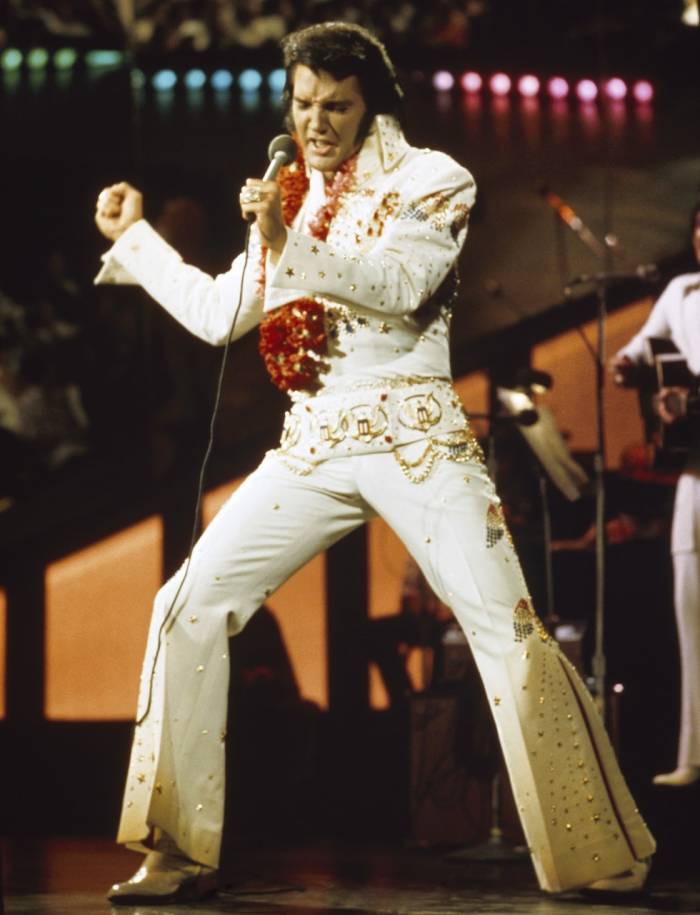
That year, in January of 1973, Elvis put on one of the largest concerts ever when he performed in in Honolulu, Hawaii. The show, "Aloha from Hawaii," which was the first global concert satellite broadcast, reaching millions of viewers live and on tape delay, something that was never done back in that era. His elaborate concert staging and costume, consisting of tight white bejeweled bell-bottom pants and an American eagle cape would become closely associated with his late-career image.
advertisement
#3 Drug Issues
By the end of 1973, Elvis had become addicted to drugs. He had developed a drug dependency, supplied by his doctors, something common in the music business even today. Once a spokesperson for alerting his young fans on the hazards of alcohol and illegal drug abuse, he overdosed on barbiturates twice during 1973. He spent three days in a coma in a hospital after the first incident and the second sent him to counseling for 30 days. Presley rationalized the drug abuse by the fact that he received the drugs from a doctor and they were not 'illegal' drugs.
#4 Post-Comeback Touring
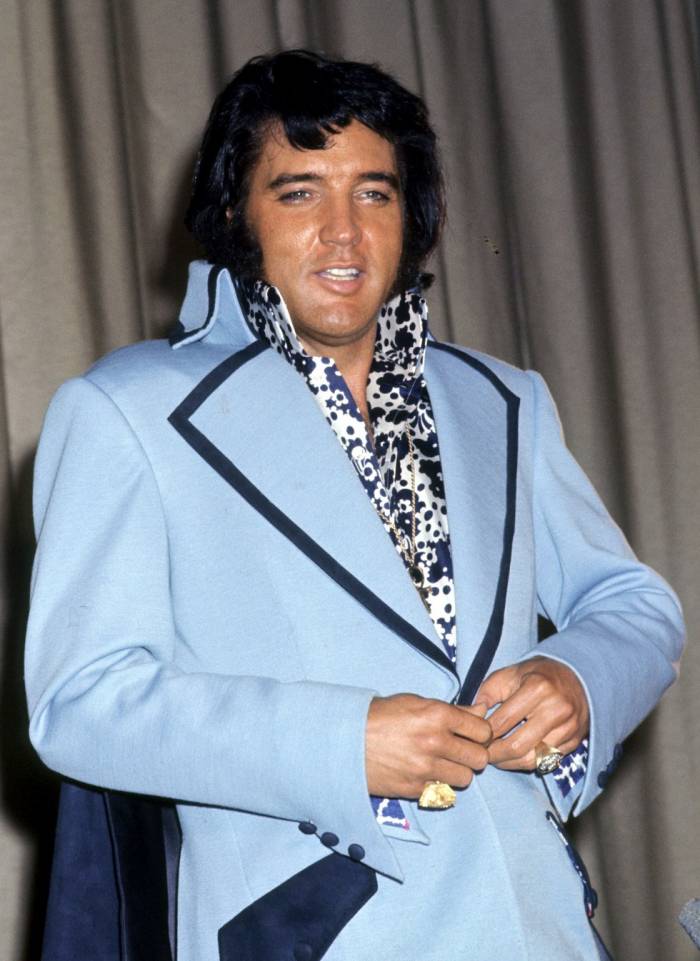
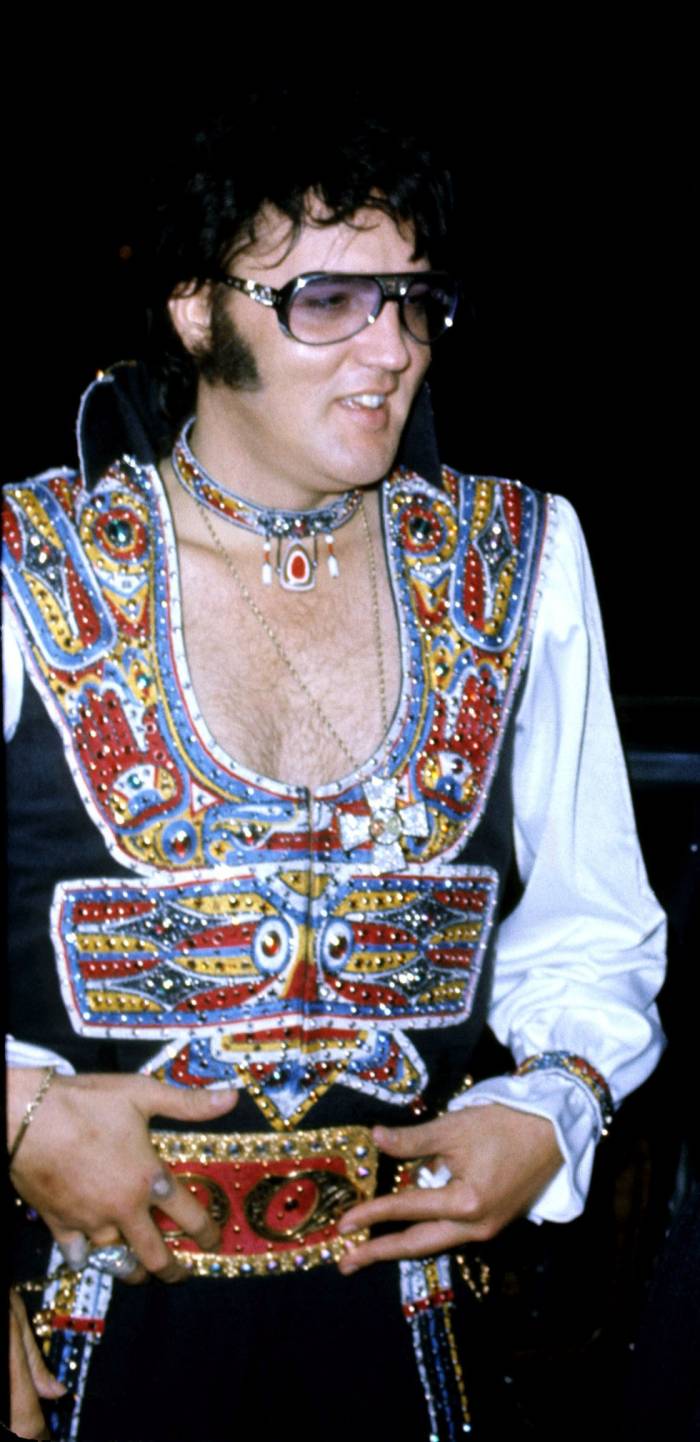
He was observed many times over the next several years to be intoxicated during his tours, stumbling from limousines and acting erratically onstage, often requiring assistance and sometimes never finishing a song while the band played him off stage. But he was still selling out venues and concert halls. Despite his drug addiction, Presley had staged more live shows with each passing year, undertaking intensive touring schedules and placing considerable pressure on himself. He told reporters that he was afraid to stop working because the drugs and booze would kill him.
advertisement
#5 "Memphis Mafia" Bodyguards
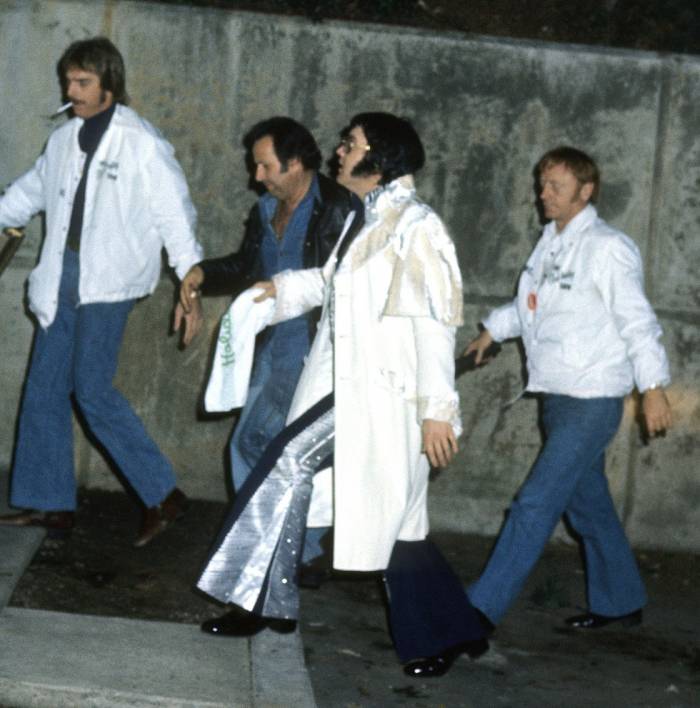
Throughout most of his career, Presley was accompanied on his tours by the "Memphis Mafia," a group of friends and hangers-on who acted as his bodyguards. In the later days of his careers, most music historians believe the group was leeching off Presley's fame and negatively influencing the rock star by encouraging a partying lifestyle. Two of the members of his loyal 'guards' were arrested in the early 1980s for drug smuggling through the Mexican border and another was caught in a sting operation conducted by the FBI.
advertisement
#6 Vernon Presley
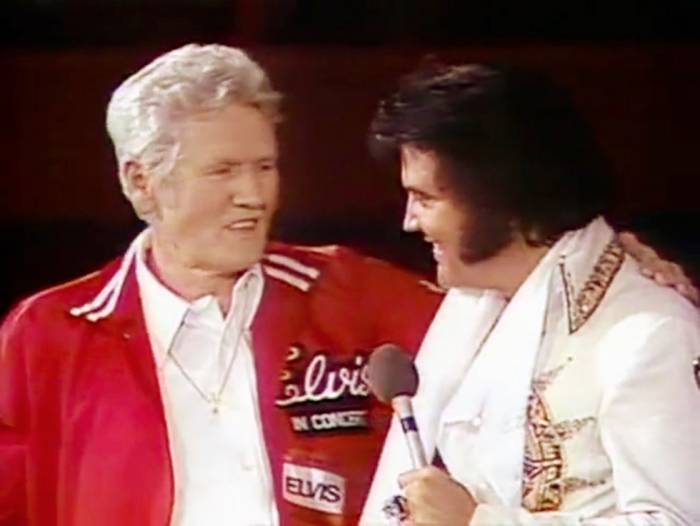
After Elvis's longtime manager, Colonel Tom Parker passed away, Elvis's long lost father stepped in to assist his son. The two were never close, which is why most were shocked when later in his career, Vernon Presley took a more active role in his son's career and financial affairs. In 1976, he fired many of "Memphis Mafia" bodyguards, citing a need to cut back and scale down. However, most people close to the singer say that his father had not cut back, but simply transferred funds to himself instead of the group of leeches. Elvis was totally stoned most of this time and had no clue what was happening, according to The NY Post.
advertisement
#7 Weight Issues And Declining Health
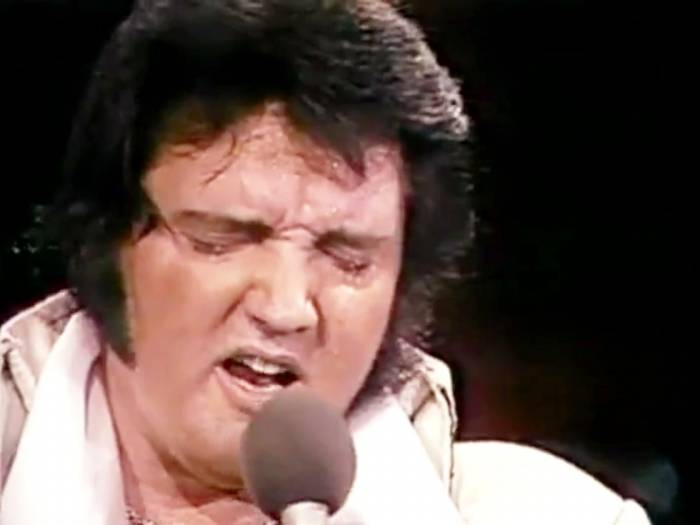
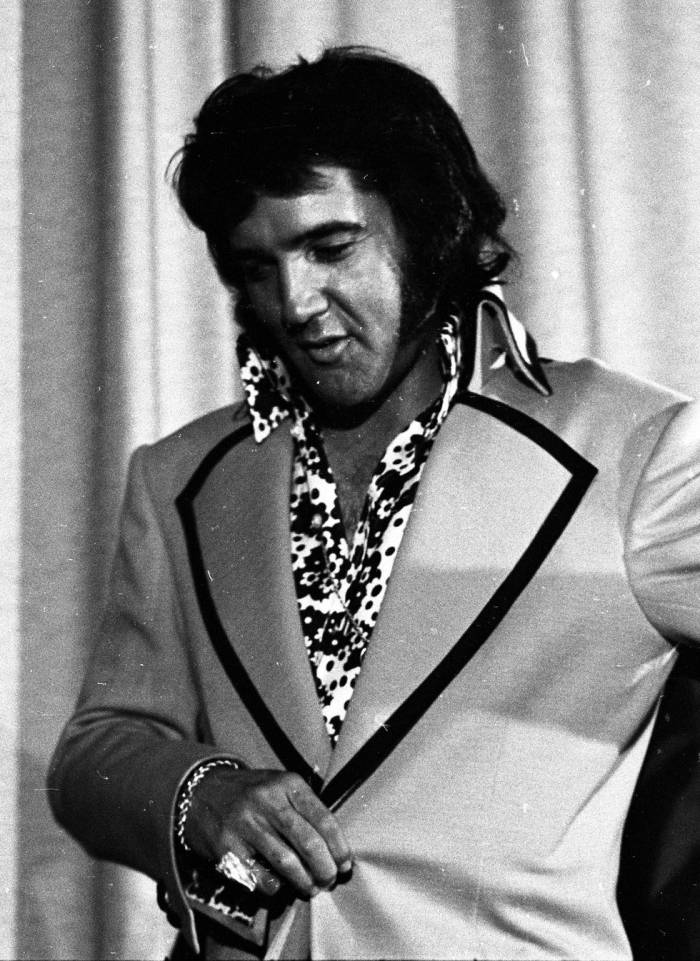
Toward the end of his life, Presley's health deteriorated considerably, as he suffered from multiple ailments such as glaucoma, high blood pressure, liver damage and an enlarged colon, each caused or aggravated by his drug dependency. He often struggled to complete even short performances during his tours, having to cancel some performances. The formerly slim and energetic performer also began to gain considerable weight in the second half of the 70s. Fans were shocked when he would appear on stage almost double his normal size, and they blamed his weight on his inability to sing entire songs or finish shows.
advertisement
#8 Final Recordings
He was stoned, and out of control, but Elvis insisted on recording new material up to the day he died. He would records several songs a week, and eventually had almost 9 complete albums worth of new material in the vaults before he had passed away. Then his interest in being in his studio began to wane, and he just stopped. Between July 1973 and October 1976, however, he recorded eight new albums, but only three of those, "Promised Land," "From Elvis Presley Boulevard, Memphis, Tennessee," and "Moody Blue" went on to take the top spots on the charts. The other music was held by RCA Records and eventually made its way to the public once the legend had passed away, making them and his estate a fortune.
advertisement
#9 Death And Funeral
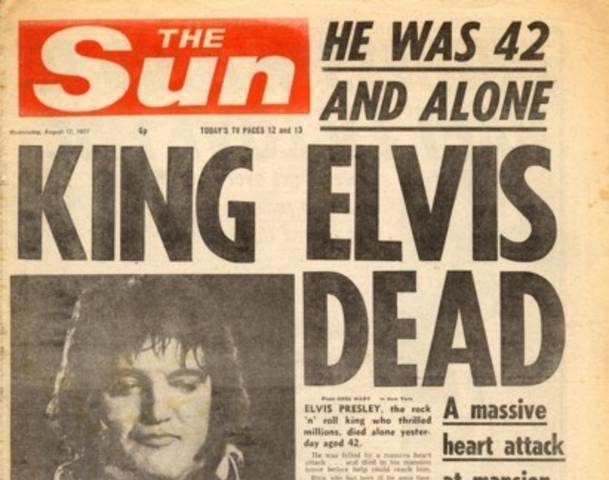
On August 16, 1977, Presley's girlfriend Ginger Alden found him unresponsive on his bathroom floor at their Graceland home in Memphis, Tennessee. He was later declared dead at Baptist Memorial Hospital. Doctors said he died of a heart attack, likely brought on by his addiction to prescription barbiturates. He was just 42 years old.
advertisement
#10 Mourning A Legend
As the news of Elvis' death spread across the country, radio stations immediately began to play his records. In the same way that many people remember exactly where they were when they heard President John F. Kennedy had been killed, most of Elvis' fans remember where they were the day Elvis died. The manner in which the major television networks handled the news of Elvis' death illustrated his enormous popularity and the tremendous impact he had on America, something few realized until he was gone.
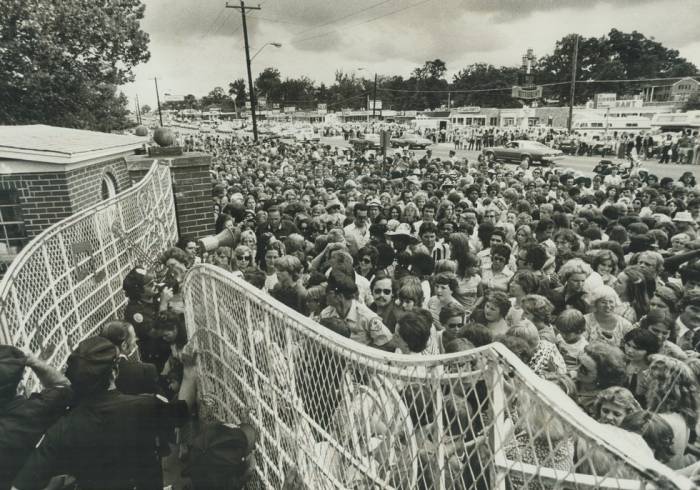
Fans across the world mourned the singer's death, with President Jimmy Carter issuing a statement saying, Presley had "permanently changed the face of American popular culture." Thousands of people gathered outside Graceland to view the open casket, and on Thursday, August 18, around 80,000 people lined the processional route of his funeral.