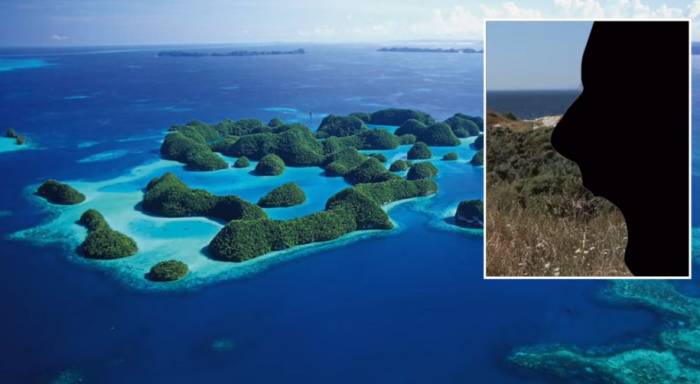
Where you should probably be when the big war begins, and it may not be too far off if history is any indication.
advertisement
#1 Where Is It Safest To Be When WWIII Begins?
They claimed that World War I was the 'war to end all wars' but were proven wrong when World War II broke out in 1939. Many years later, and hundreds of smaller location wars throughout the globe have cost mankind resources, and millions of lives. A war on the scale of WWII in the world today would surely be a death nail for humankind. Sadly, World War III may not be too far off on the horizon with dwindling natural resources and political unrest. But where should you go or be when the destruction begins? If you stand a chance of surviving at all, which historians claim in unlikely, you might want to try and position yourself in one of these places for a better chance of carrying on mankind.
#2 Antarctica
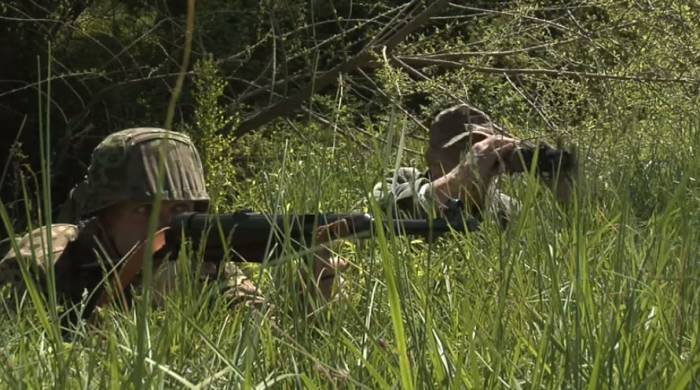
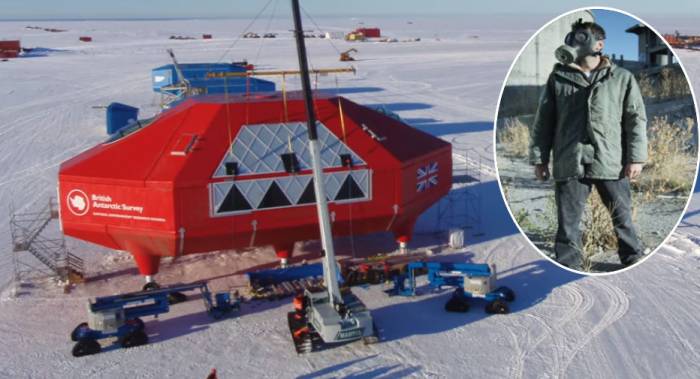
You probably would only want to be in Antarctica as a very last resort, and that may be the case if a world war broke out in today's environment. It is probably the safest place to be but it's shear inhospitableness and inability to sustain a human presence for long make this continent in the southern hemisphere the least likely to survive in for very long. 98% of the land is covered in ice, and the temperatures and wind make it hazardous to human life. There are only 1,000 to 5,000 people who reside temporarily throughout the year at research stations scattered across the continent. The Antarctic Treaty signed in 1959, which prohibits military activities, mineral mining, and nuclear testing and disposal may help keep this place safe from WWIII, but in war all bets are off.
advertisement
#3 Iceland
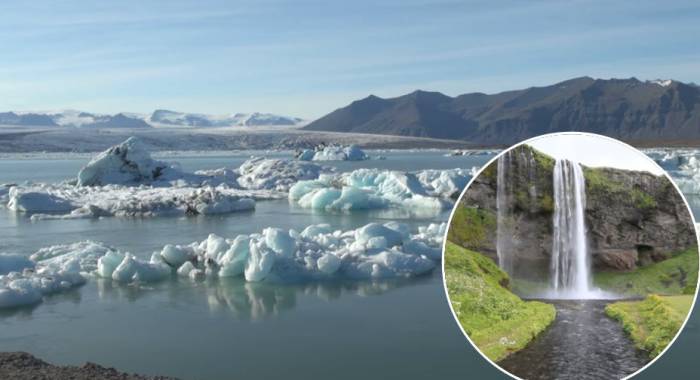
The island country of Iceland in the North Atlantic is a great place to be if a war breaks out worldwide. The wide contrast of climate, geography, and culture create a unique area for survival. Glaciers, such as Vatna Glacier, lie across its ruggedly beautiful mountain ranges. Abundant hot geysers provide heat for many of the country's homes and buildings, allowing for hothouse agriculture year round, and the offshore Gulf Stream provides a surprisingly mild climate, considering Iceland is one of the northernmost inhabited places in the world. Wildlife and fishing make the area more than a suitable refuge.
#4 New Zealand
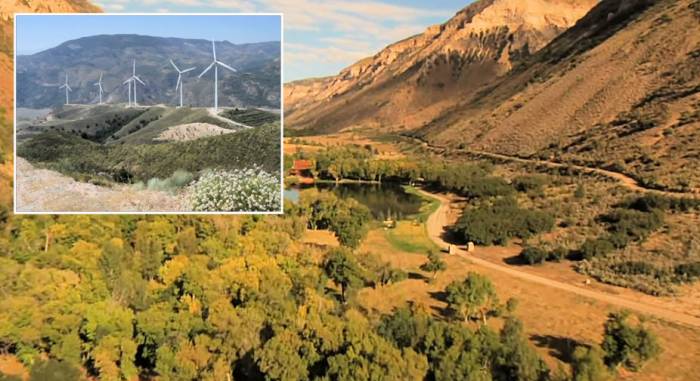
A fertile and mountainous group of islands in the southwestern Pacific Ocean, New Zealand has snowy peaks, fjord scarred shores, and pastures dotting the horizon. The islands have been a self-governing British dominion since 1907. An exporter of wool, mutton, lamb, beef, cheese, fish, and chemicals, New Zealand is also considered a remote land and is divided along its length by the Southern Alps, giving excellent protection for hiding in case of war, and the island's sustainability makes survival much easier.
advertisement
#5 Fiji
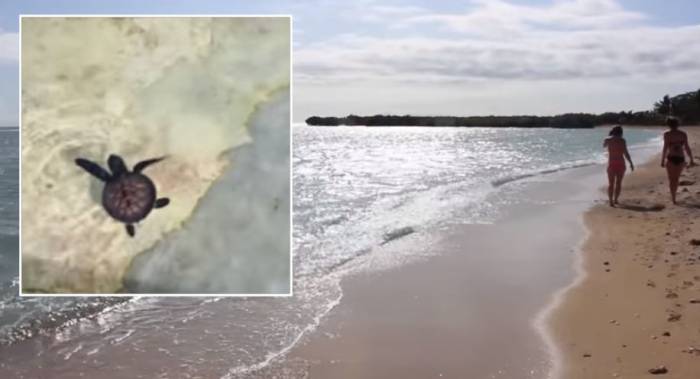
The Fiji Islands are comprised of 333 islands in the South Pacific, with beaches, coral gardens, and rain forests. Of the various islands, only about 100 are inhabited. Coconut palms are common in coastal areas, and almost all tropical fruits and vegetables can be grown on the Fiji Islands. The shoreline contains rocks, but more importantly, fish-filled reefs. Animals, including pigs, dogs, cattle and a few horses are domesticated. Cultivating copra, cocoa, kava, taro, pineapples, cassava, and bananas along with abundant fish stocks, Fiji should be able to sustain you in the case of any global catastrophe.
advertisement
#6 Bhutan
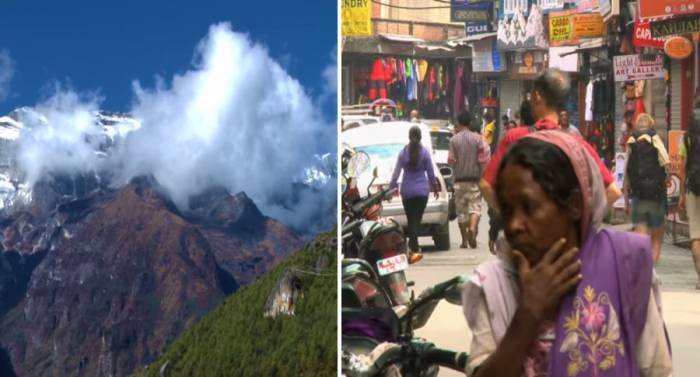
Located on the eastern ridges of the Himalayas, Bhutan is a country in south-central Asia. Its economic core lies in the fertile valleys of the Lesser Himalayas, which are separated from one another by a series of high and complex interconnecting ridges extending across the country from north to south. With the significant variations in elevation and climate allowing for support of a wide variety of crops and livestock, the country goes from tropical to temperate alpine in just a few hundred miles. However, the amount of land available for agriculture is only a small fraction compared to the country's size.
advertisement
#7 Falkland Islands
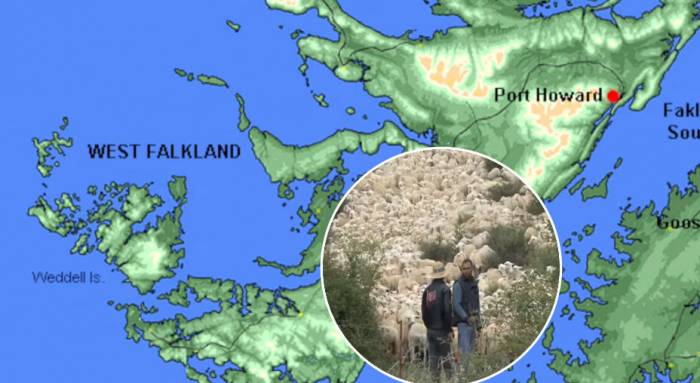
The two main islands, East Falkland and West Falkland, along with 200 small islands, form a total land area nearly the size of Connecticut. The island's vegetation is low and dense, containing no natural tree growth, and there are no longer any land mammals indigenous to the Falklands, with the extinction of the wild fox. Approximately 65 species of birds can be found on the island, though, along with dolphins and porpoises, penguins, southern sea lions, and elephant seals galore, and almost the whole area of the two main islands is devoted to sheep farming. Considering the abundance of food here and the small population of people, survival here is in your favor.
advertisement
#8 Tristan Da Cunha
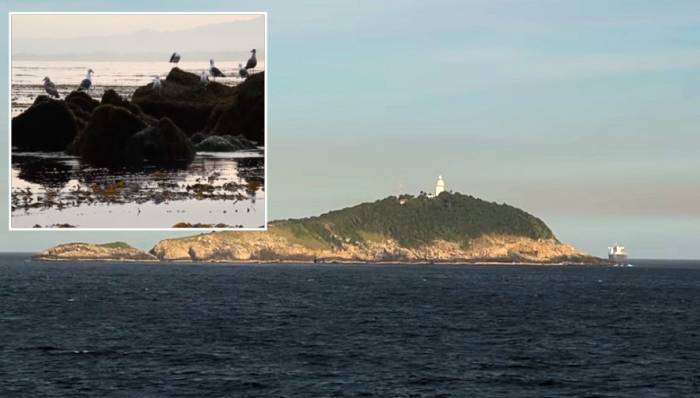
Considered the most remote inhabited archipelago in the world, Tristan Da Cunha's population is only 267 as of January 2016. While Tristan Da Cunha is the main and largest island, the area also consists of the Nightingale, Inaccessible, and Gough Islands. The other islands are uninhabited, except for a weather station with a staff of six on Gough Island. Tristan is primarily known for its wildlife, with 13 known species of breeding seabirds, and 2 species of resident land birds. Tristan's economy is primarily based on marine cultivation, mainly crawfish, and farming.
advertisement
#9 Switzerland
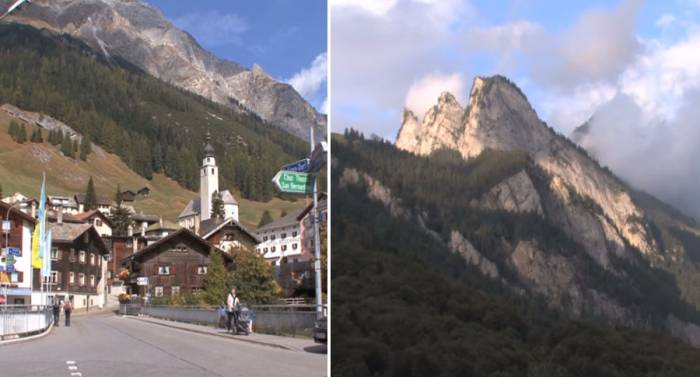
Since they have been neutral and against was for so long, Switzerland is one of the best places to be if war ever breaks out. Switzerland is a landlocked country of towering mountains, deep Alpine lakes and grassy valleys dotted with farms and small villages. While being smack dab in the middle of other countries that would surely be targeted in WWIII, Switzerland has always been able to maintain a stance of neutrality. The country's animal life consists of deer, rabbits, foxes, badgers, squirrels, and many varieties of birds, while its vegetation is derived from four European climatic regions that converge in the country. Beeches and Oaks take the maritime west, hornbeam and larch trees in the continental east, extensive spruce forests in the northern sub-alpine region, and chestnut groves in the south.
advertisement
#10 Malta
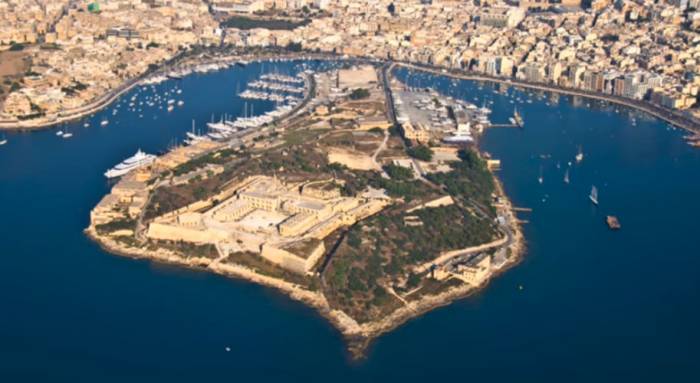
Malta is an island country located in the central Mediterranean Sea, which is the largest out of a group of five islands. Malta is dominated by limestone foundations with most of its coastline consisting of steep or vertical limestone cliffs indented by bays, inlets, and coves. The island's flora and fauna are typical of the low-lying coastal regions of the Mediterranean, consisting of woodlands, valleys, and coastal cliffs. Agricultural development is hampered by land fragmentation, but Malta could offer a limited safe haven.
advertisement
#11 Tuvalu
While it would be difficult to survive with threats of devastating weather, Tuvalu is remote enough to survive in case of widespread panic. Tuvalu is a country in the west-central Pacific Ocean, prone to extreme storms and hurricanes. It is composed of nine small coral islands scattered over a distance of 420 miles. The islands contain both atolls and reef islands with rain catchers and wells providing the only fresh water. The soil is porous, making agriculture limited, but coconut palms thrive along with breadfruit trees, pandanus, taro, and bananas. Pigs and chickens are raised, while seabirds, fish, and shellfish are available to be caught. You could survive here in case of a big war but probably not for long without adequate shelter.