

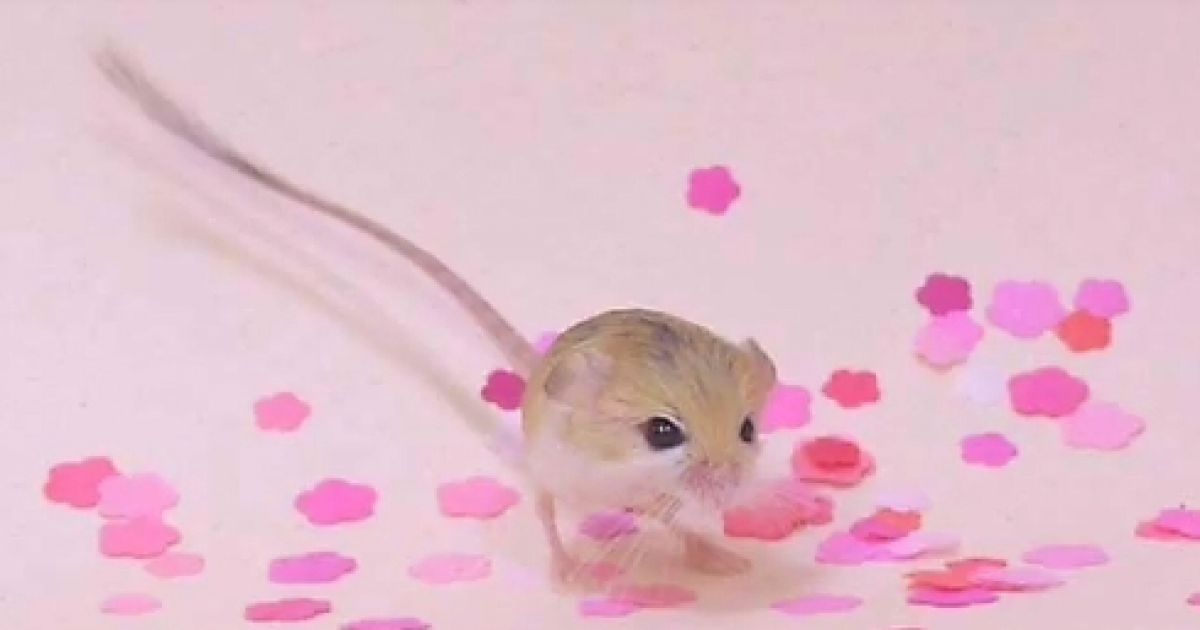
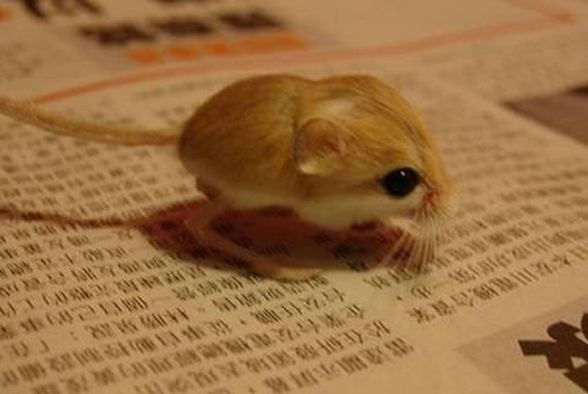
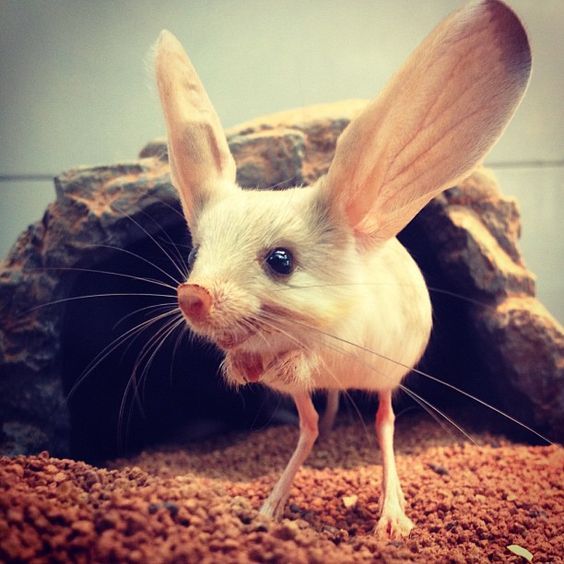
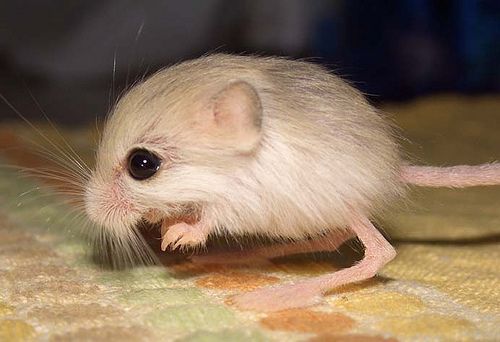
Also known as the Dwarf Three-toed Jerboa, it looks like a child’s art project with just a tiny cotton ball for the head and a long string for the tail when sitting.
advertisement
Ever wonder what the smallest rodent in the world looks like?
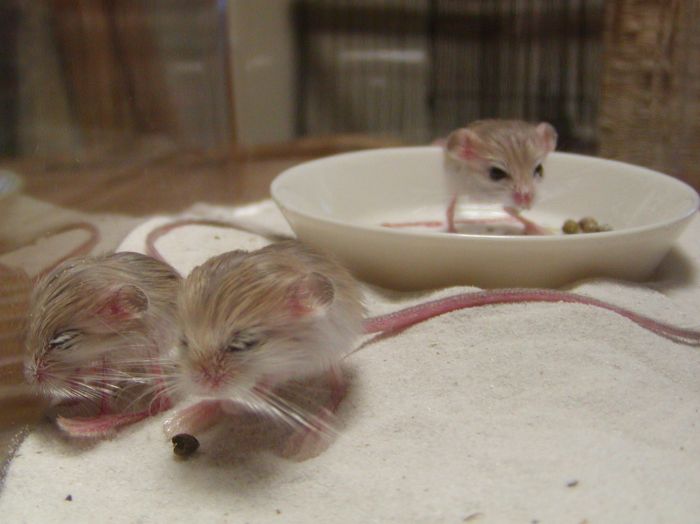
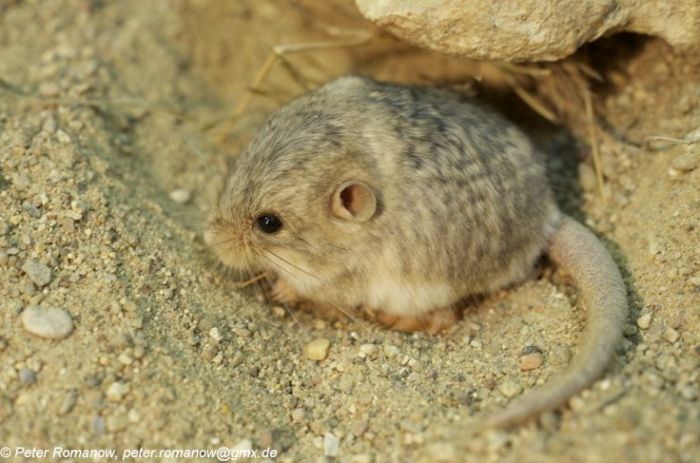
Well, it's actually pretty cute looking in its own disproportionate way. The Baluchistan Pygmy Jerboa is the world's smallest species of rodent with a weight of less than an ounce at around .132o oz, a body length of 1.7 inches, and a tail length of up to three inches.
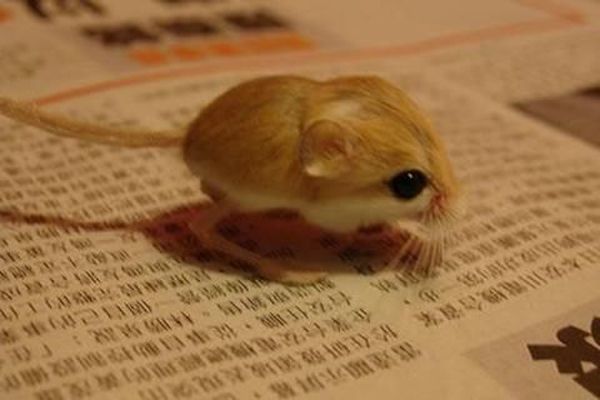
Also known as the Dwarf Three-toed Jerboa
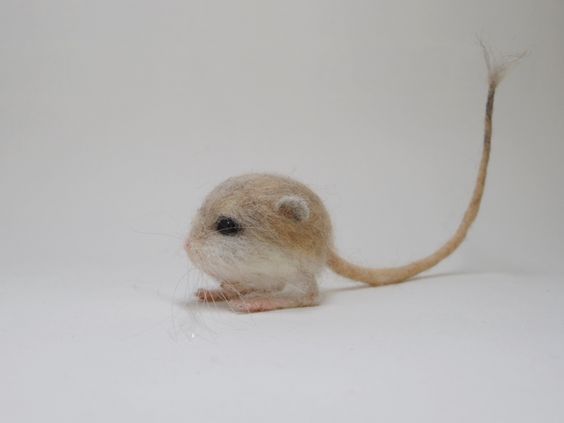
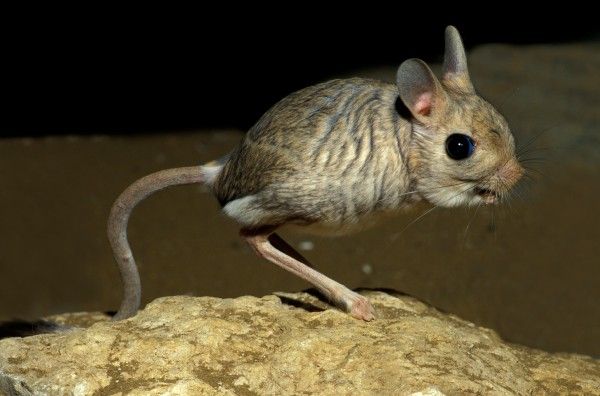
it looks like a child's art project with just a tiny cotton ball for the head and a long string for the tail when sitting. When these rodents actually stand up, they look more like miniature Kangaroos, with their hind legs longer than their front legs and disproportionately large feet to hold them up.
advertisement
They are native to Pakistan and Afghanistan
Their habitat includes rolling sand dunes, barren flat gravel, and sandy deserts. Unfortunately, there is not enough data available to determine population or population trends.
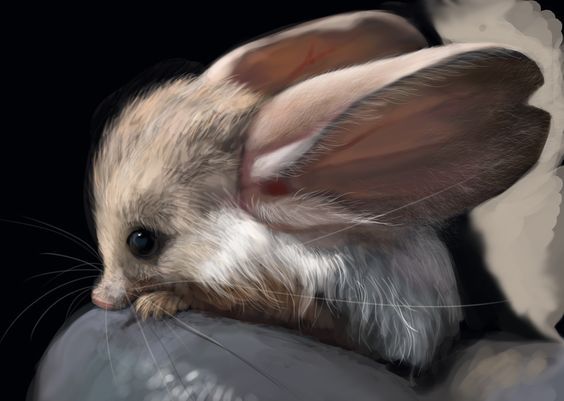
These nocturnal jerboas move through its dry desert habitat in long hops, balancing with the tail.
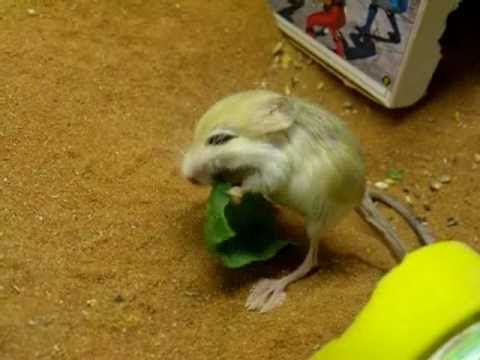
They live in burrows generally excavated under small bushes. They feed on wind blown seeds and succulent leaves of desert-adapted vegetation; food is raised to the mouth using the hands.
advertisement
They move around by leaping horizontally, vertically and zigzag.
advertisement
They don’t drink water directly but get it through plants and insects they eat.
advertisement
They undergo a diurnal rhythm of physiological dormancy
when their bodily functions, including respiration and blood circulation, slow down dramatically. This is known as facultative hypothermia and enables the species to survive on a diet of low nutritional value
advertisement
There are 33 species of Jerboa in total.
advertisement
Jerboas aren’t good as pets because they are associated with monkey pox.
advertisement
In the 2010 Guinness World Book of Records
it was listed as tied for the smallest rodent in the world with the African pygmy mouse, but it is even smaller in dimensions and weight than African pygmy mouse
advertisement
If you want more cuteness, watch Jerboa in this video:
advertisement