

You see these opening logos every time you go to the movies, but have you ever wondered who is the boy on the moon in the DreamWorks logo? Or which mountain inspired the Paramount logo? Or who was the Columbia Torch Lady? Let's find out:
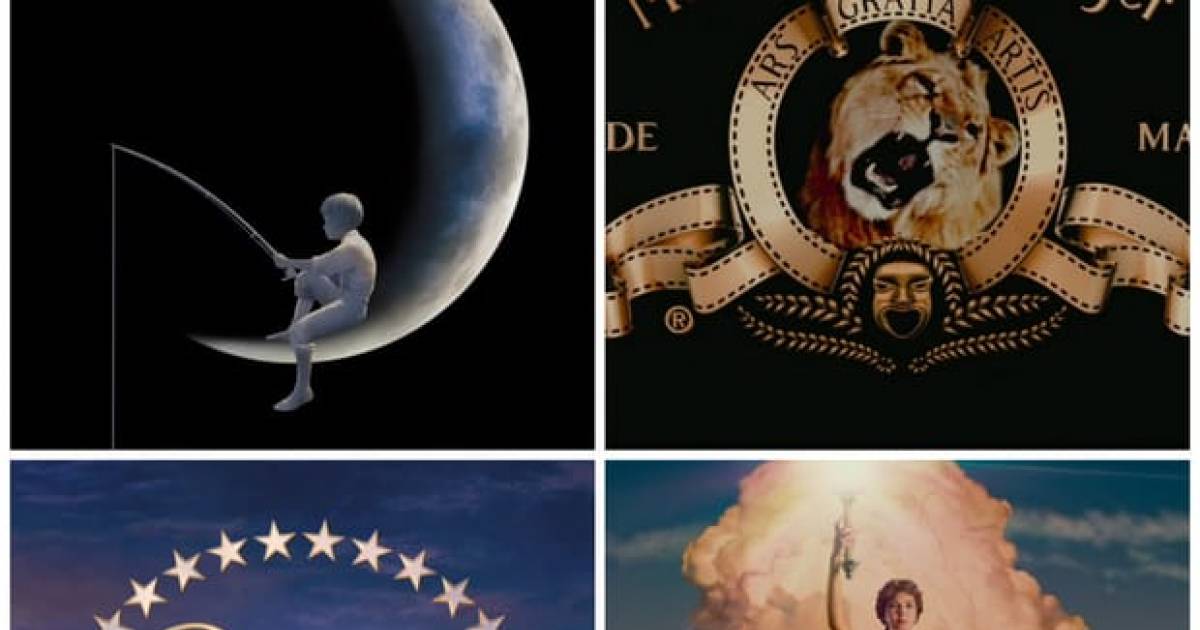
The Stories Behind The Most Iconic Hollywood Studio Logos
By
Editorial Staff in
Facts
On 6th June 2017
advertisement
#1
If you are a fan of films, then you must have seen some logos that have left you wondering, ‘What’s the story behind that?’ Let me refresh your memory: the boy on the moon in the DreamWorks logo, the mountain in the Paramount logo and the Metro-Goldwyn-Mayer lion. You’re wondering comes to an end today. At Top 5’s finest, we delve into these 5 Stories Behind Famous Hollywood Studio Logos! Ready? Well, let's begin!
#2 Columbia Pictures: The Torch Lady
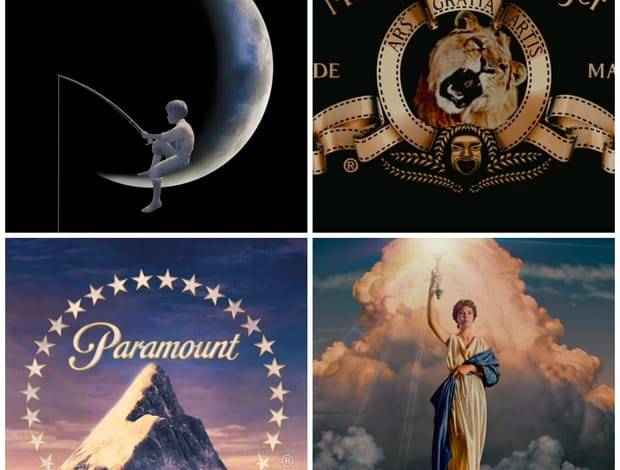
As we all know, the Columbia Pictures logo features a woman, wearing a blue drape carrying a bright torch, who represents Columbia, the personification of the United States. The first iteration of the logo was seen in 1924 though it showed a female Roman soldier. In 1928 Columbia was given a torch and the illustration used for the logo was apparently based on actress Evelyn Venable, who voiced the Blue Fairy in Pinocchio.
There was another change to Columbia's look in 1936 when Jane Chester Bartholomew became the model for the illustration, a version which went through many costume changes, including the changing of her drape from the American flag to the blue we know it as today.
advertisement
#3
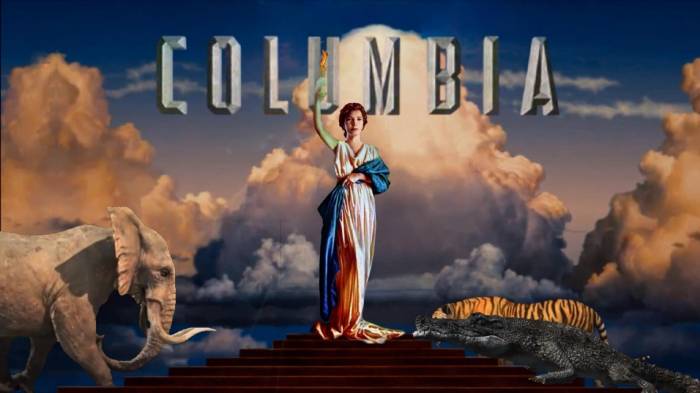
Finally, in the early 90s, artist Michael Deas painted 28-year-old Jenny Joseph, whose painting was later digitized and remains the Columbia Pictures logo to this day. Deas was asked to base the image on one of the very early color images of Columbia. The creation of the logo took around two months, with Deas using Joseph as the basis for Columbia but creating a composite face from computer-generated features.
Despite Joseph's picture having been seen by millions worldwide, the logo remains her one and only modeling credit, a job she completed on her lunch break while working as a graphic artist for The Times-Picayune newspaper. The biggest irony of them all? Despite representing the personification of the United States, Joseph is actually British.
#4 DreamWorks SKG: Boy on the Moon
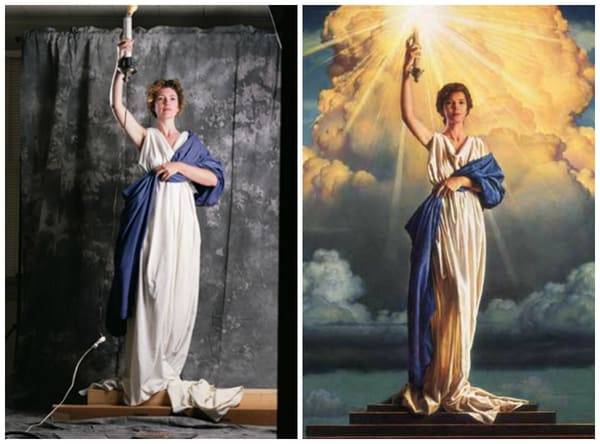
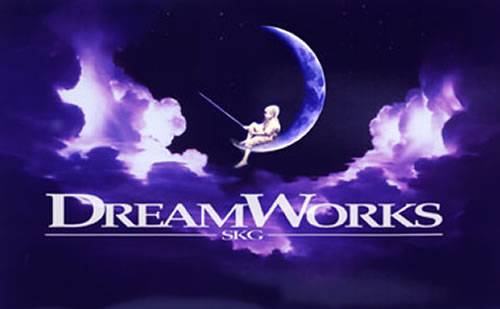
A relatively young company, DreamWorks was founded in 1994 by Steven Spielberg, Jeffrey Katzenberg, and David Geffen, after Katzenberg’s resignation from The Walt Disney Company. The three wanted their own live-action and animation film studio and set three conditions for themselves: they would make fewer than nine movies a year, they would be free to work for other studios if they chose, and they would go home in time for dinner.
advertisement
#5
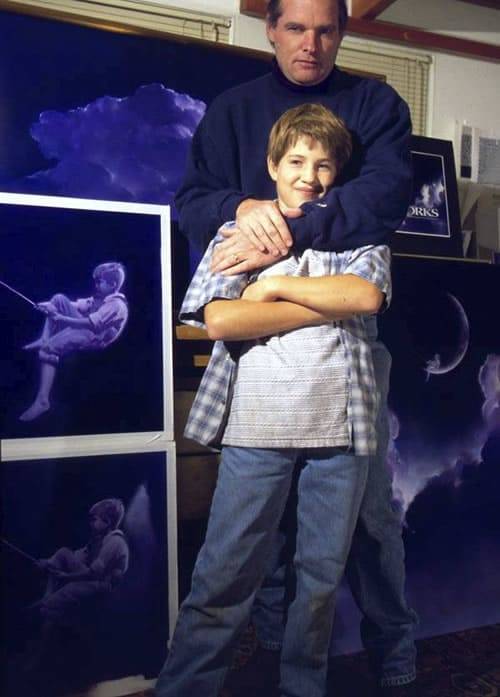
Spielberg wanted a computer generated image as the company’s logo and had an idea for one where a man climbs up on the moon and starts fishing. Illustrator Robert Hunt tweaked the idea so that the animation starts from the fly hitting the water, and it then pans to the boy sitting on the moon fishing. Curiously, the boy used was Hunt’s son, William.
advertisement
#6 Metro-Goldwyn-Mayer (MGM): Leo The Lion
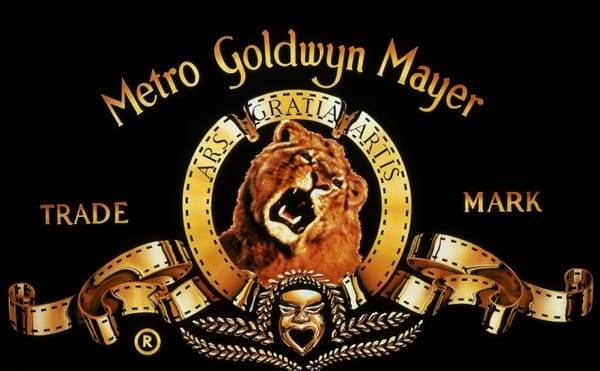
Perhaps the riskiest logo to create out of any of the major movie studios, MGM have been using lions as their mascot since even before the studio was created ("Leo the Lion" was originally used in Goldwyn Pictures from 1917, and was then adopted as the MGM logo after the studio was founded in 1924). Over the years the studio has used seven lions in the logo, all referred to by MGM as "Leo the Lion," despite the fact that only the most recent lion is actually named Leo.
advertisement
#7
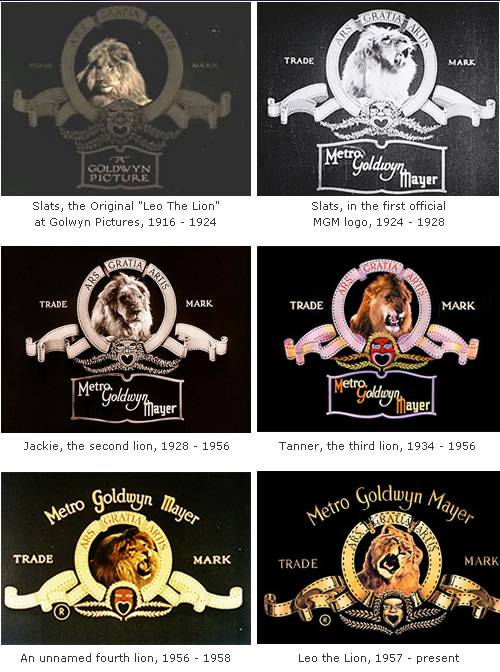
The original "Leo" was named Slats and was used for the logo by both Goldwyn Pictures and then MGM before being replaced by Jackie, who was in turn replaced by Telly, then Coffee and then George before Leo finally took over the helm in 1957. The current Leo was much younger than the original lions used, which is why his mane is shorter than previous Lions, particularly George. In 1982 Leo's roar was actually digitally replaced by a roaring tiger sound, before being remixed in 1995 with the roar being made of a blend of a number of different roars, including the 1982 tiger roar, this 1995 remix is still used today.
advertisement
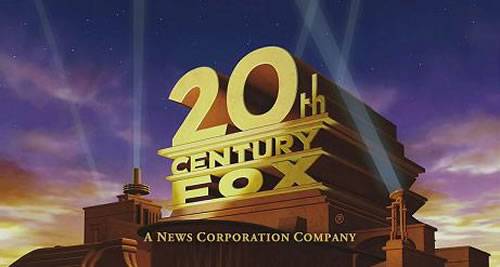
#8 20th Century Fox: The Searchlight Logo
In 1935, Twentieth Century Pictures and Fox Film Company (back then mainly a theater-chain company) merged to create Twentieth Century-Fox Film Corporation (they later dropped the hyphen).
The original Twentieth Century Pictures logo was created in 1933 by famed landscape artist Emil Kosa, Jr. After the merger, Kosa simply replaced "Pictures, Inc." with "Fox" to make the current logo. Besides this logo, Kosa was also famous for his matte painting of the Statue of Liberty ruin at the end of the Planet of the Apes (1968) movie, and others.
Perhaps just as famous as the logo is the "20th Century Fanfare", composed by Alfred Newman, then musical director for United Artists.
advertisement
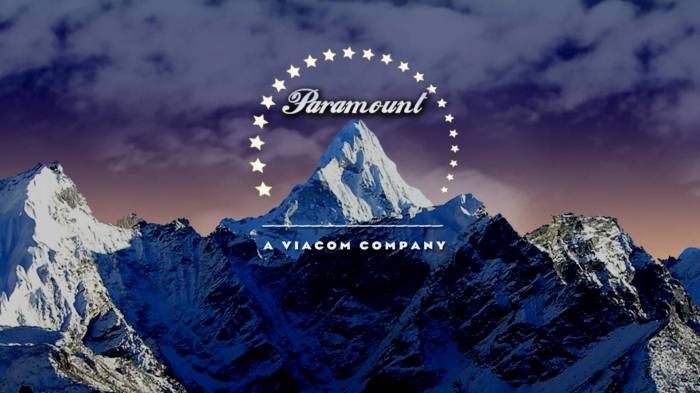
#9 Paramount: The Majestic Mountain
Originally called The Famous Players Film Company or Celebrated Players, it was a production company founded in 1912. The company was brought up by film investor Adolph Zukor and film addicts, the Frohman brothers.
The original logo showcased a mountain top covered with snow, surrounded by stars with the logo ‘Paramount Pictures’ blasted across the screen.
advertisement
#10
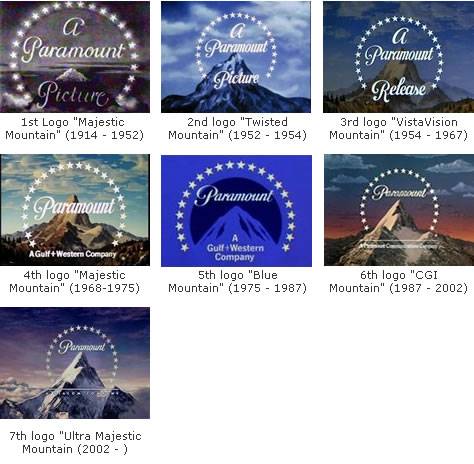
The mountain was originally based on the Ben Lomond mountain in Utah where the illustrator spent his childhood. The mountain was surrounded by 24 stars, one for each of the movie stars that were under contract with the company at the time.
Nowadays, there are only 22 stars but the reasoning behind that is not known. Furthermore, the mountain is no longer based on an actual mountain. It’s now computer generated.
advertisement
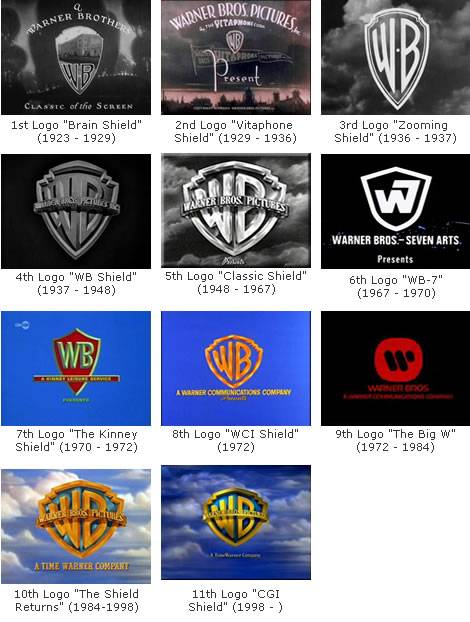
#11 Warner Bros.: The WB Shield
Warner Bros. has had quite some history. And yes, it is legally Bros., not brothers. It went through 11 logos for it to settle on the one currently in use. The company was started by four Jewish brothers who emigrated from Poland: Harry, Albert, Sam and Jack Warner. At the start, Warner Bros. had trouble attracting top talent. In 1925, after Sam’s urging, Warner Bros. made the first feature-length “talking pictures”. Harry famously said, “Who the hell wants to hear actors talk?” and that got the ball rolling for the studio to make Warner Bro’s famous.
advertisement