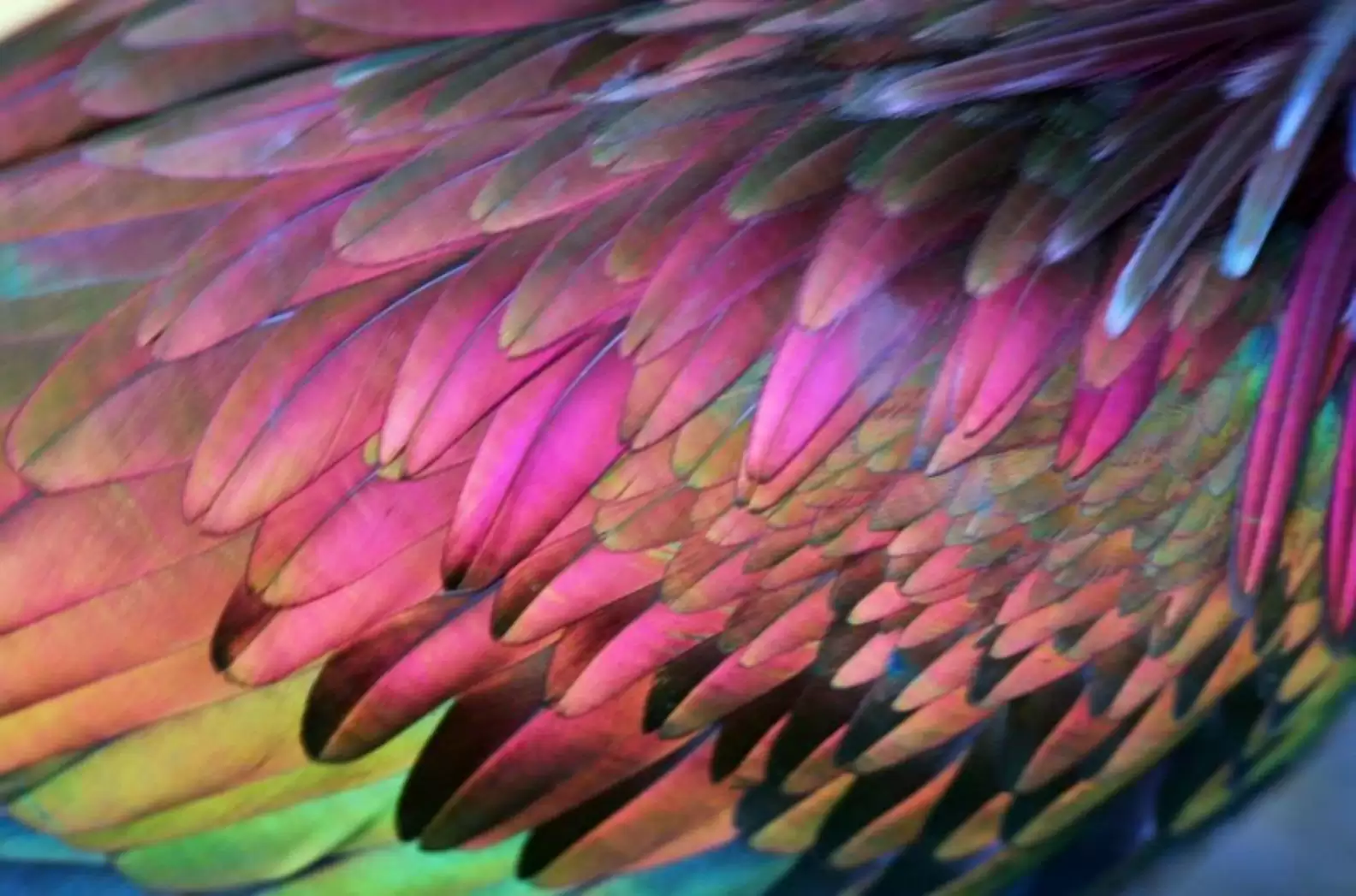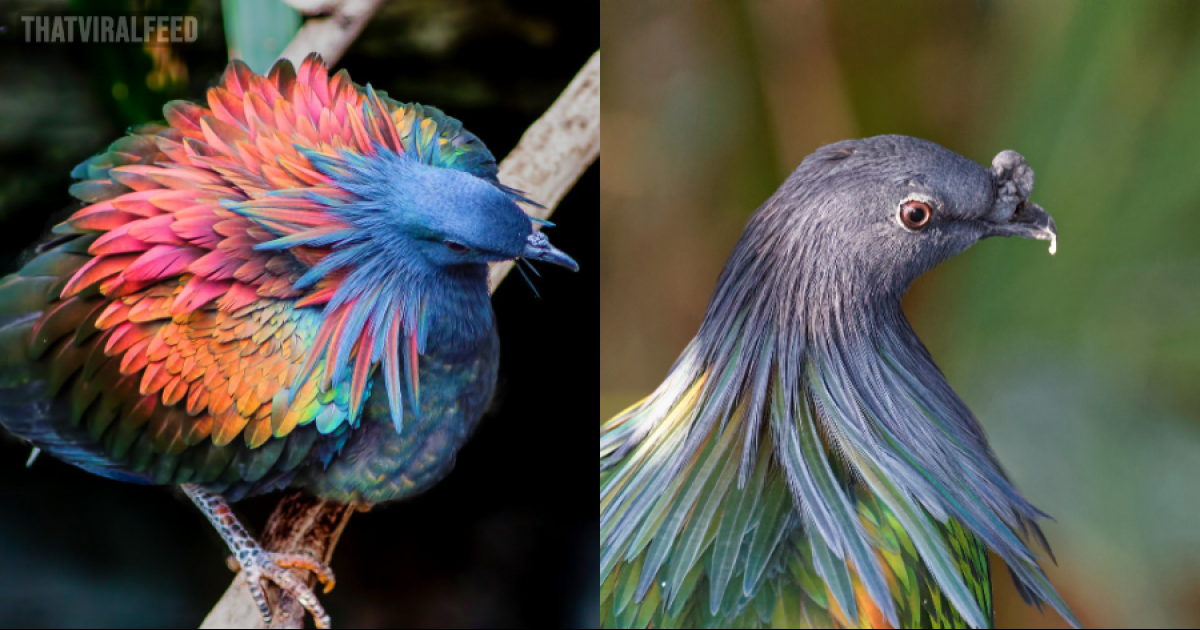
Meet the Nicobar pigeon, a true marvel of nature with its enchanting hues and elegant physique. Discover the striking similarities it shares with the long-lost dodo bird, as well as the threats it faces today. Join us on a journey to protect and preserve this remarkable species.
advertisement
In popular culture, the memory of the extinct dodo birds still lingers, much like that of dinosaurs. Unfortunately, the opportunity to witness a dodo bird in our lifetime is forever lost.
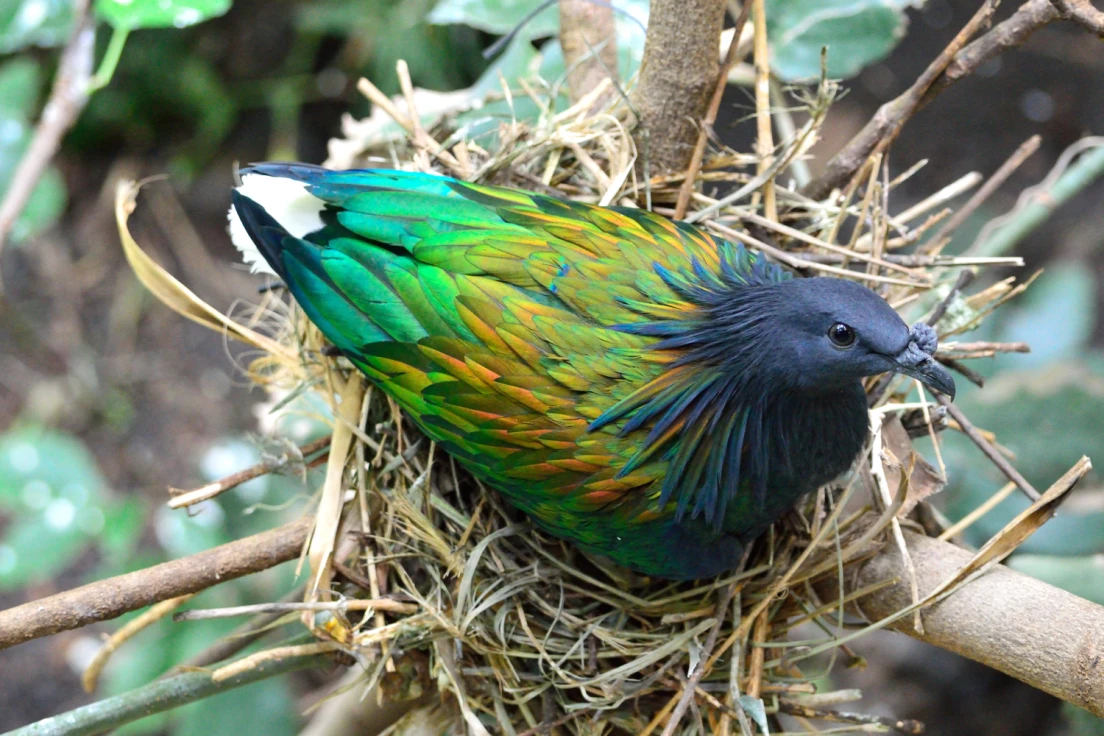
However, we are fortunate enough to have the privilege of observing the closest living relative to the renowned dodo bird—the magnificent Nicobar pigeon. Despite being related to the extinct flightless bird of Mauritius Island, these two avian creatures bear no resemblance to one another.
advertisement
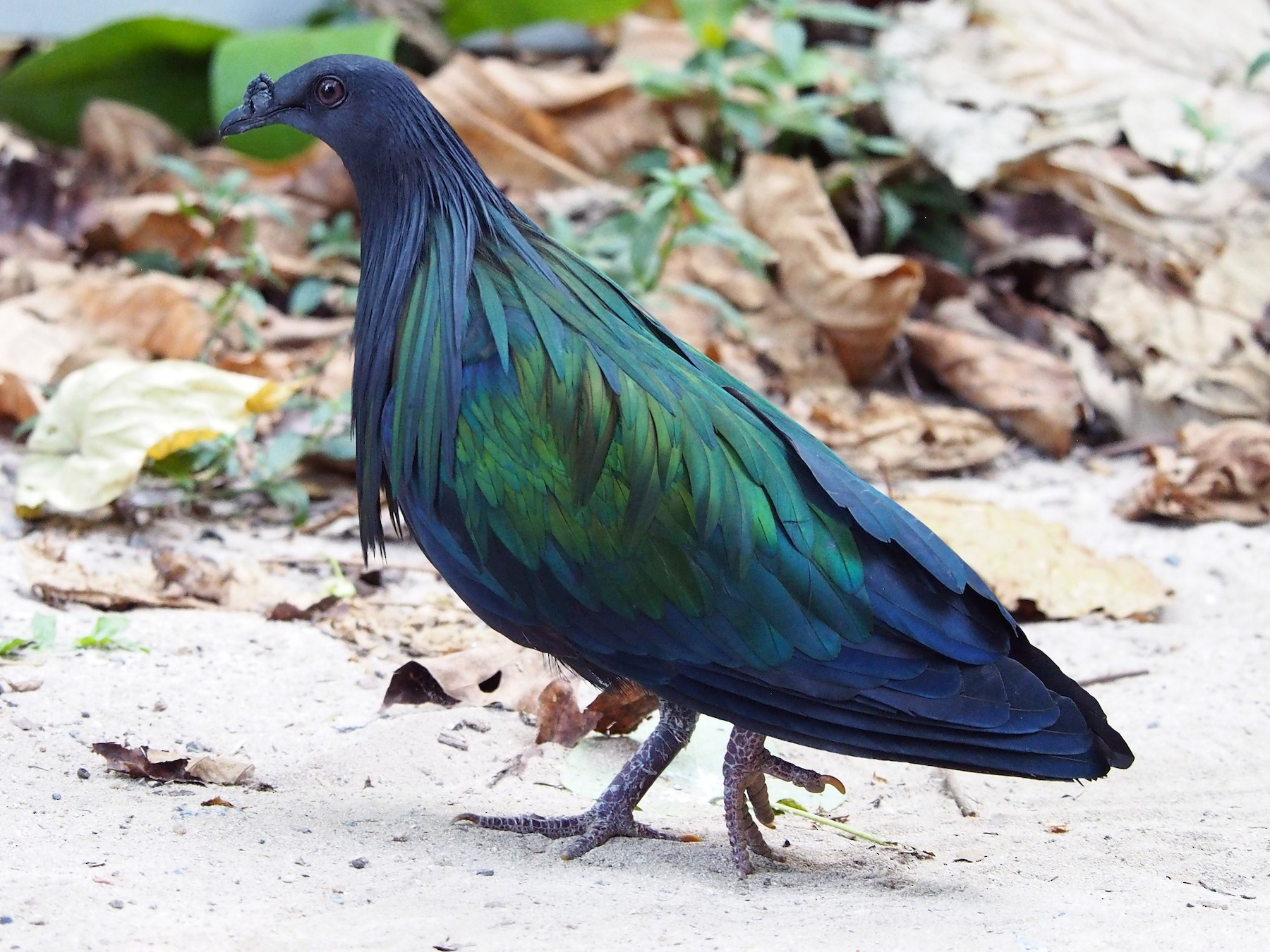
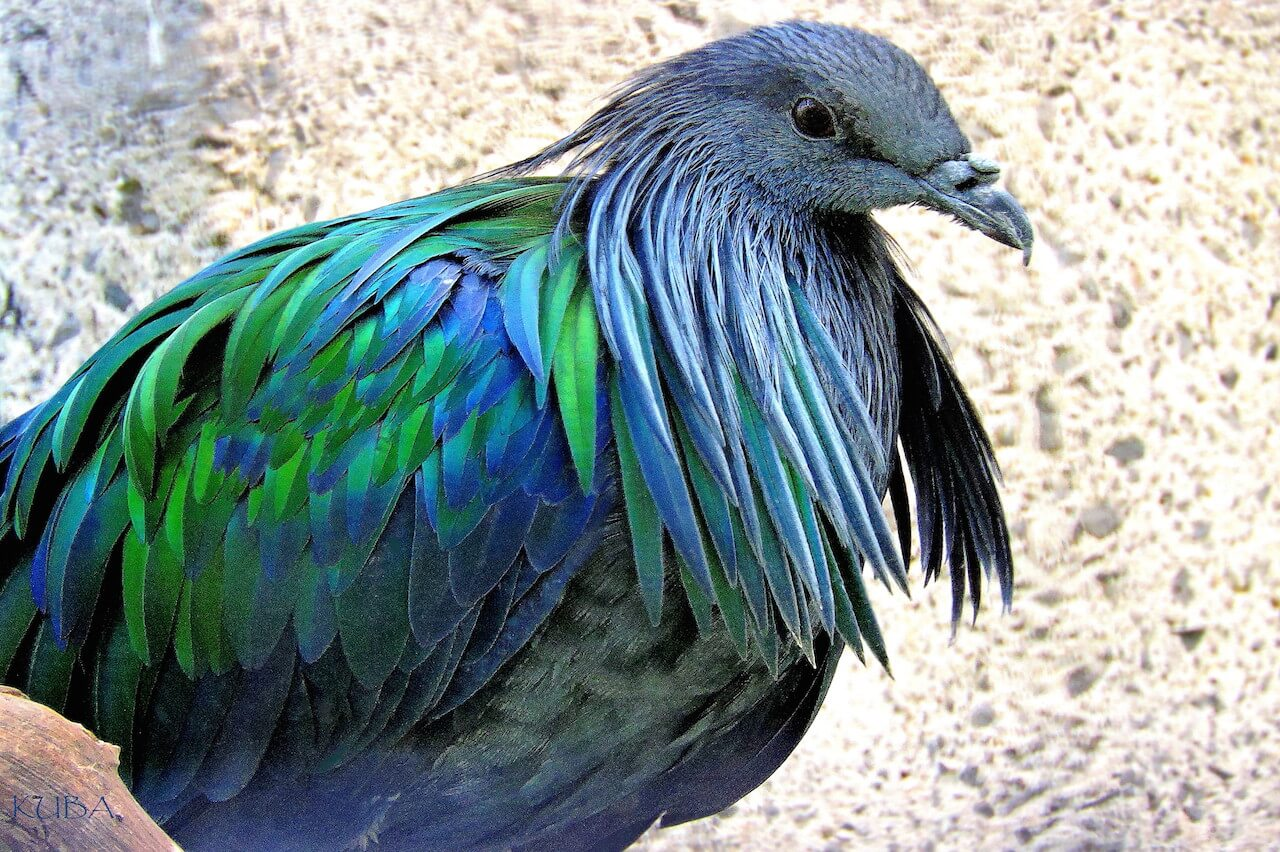
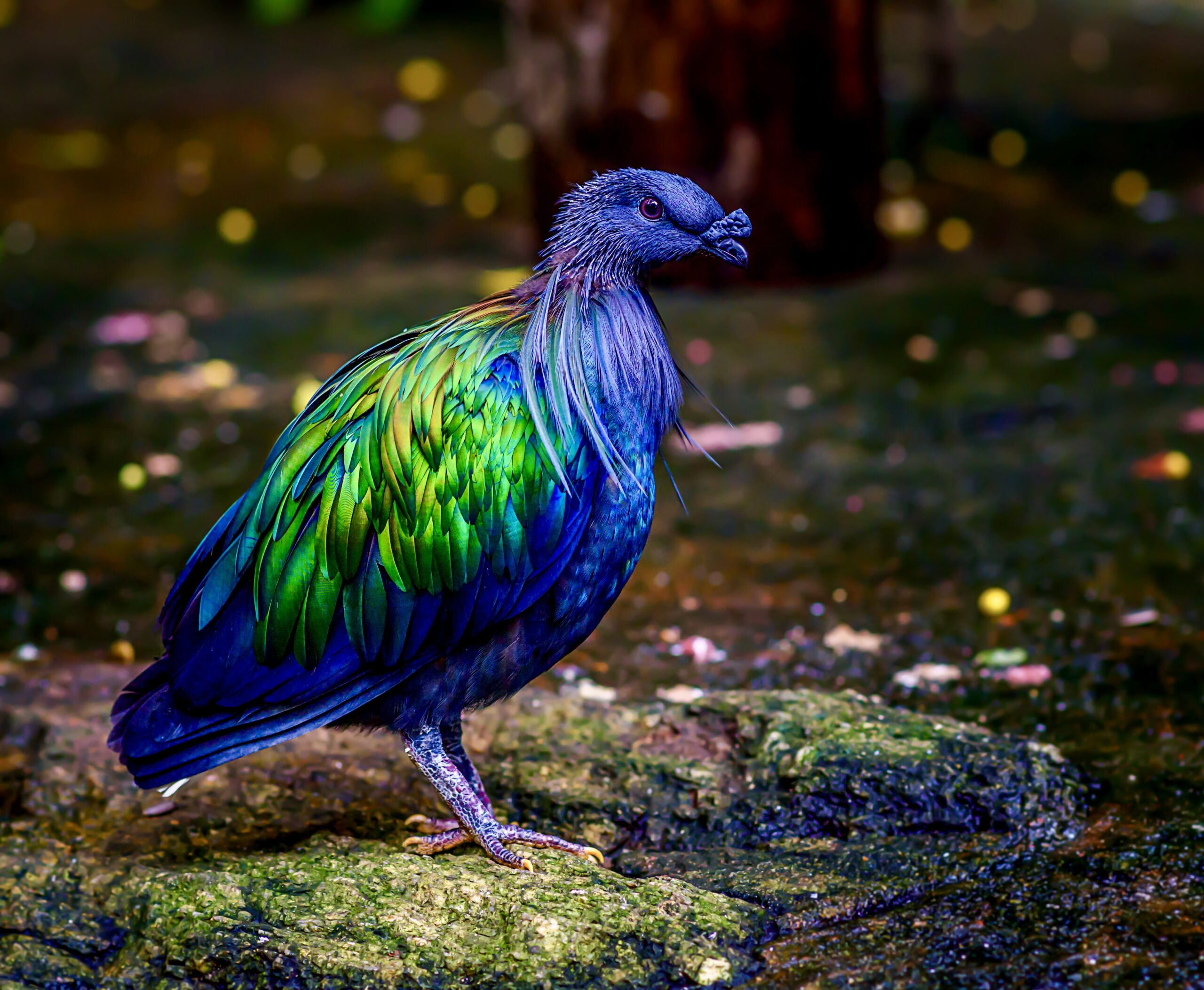
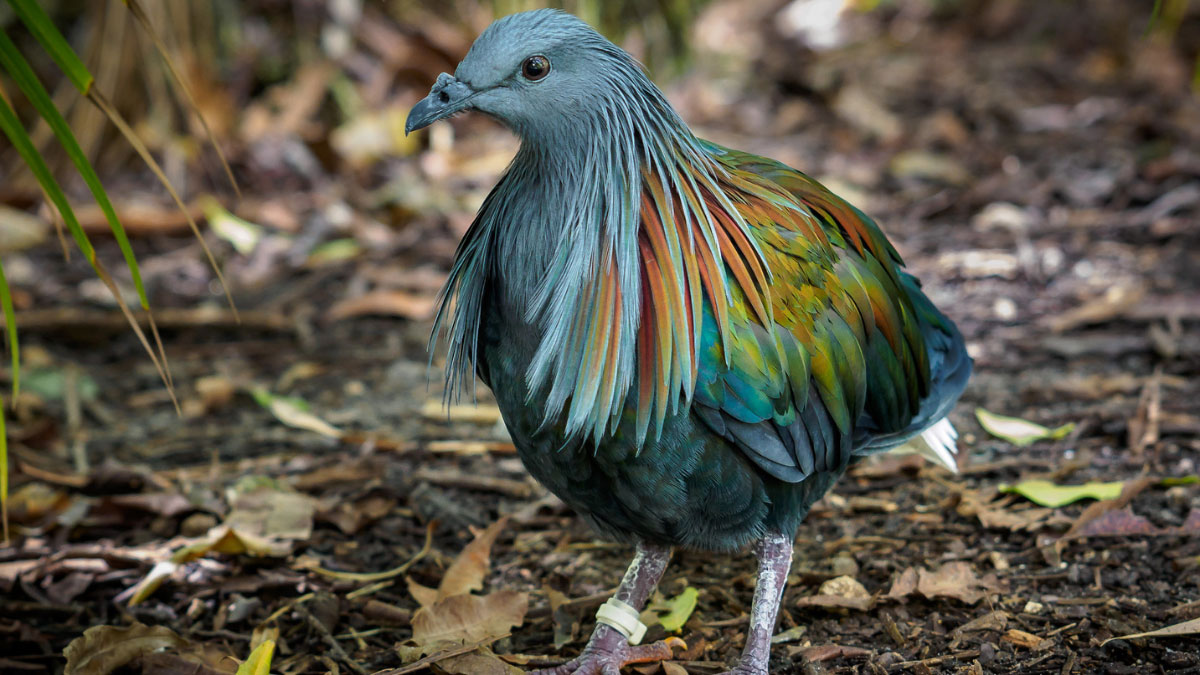
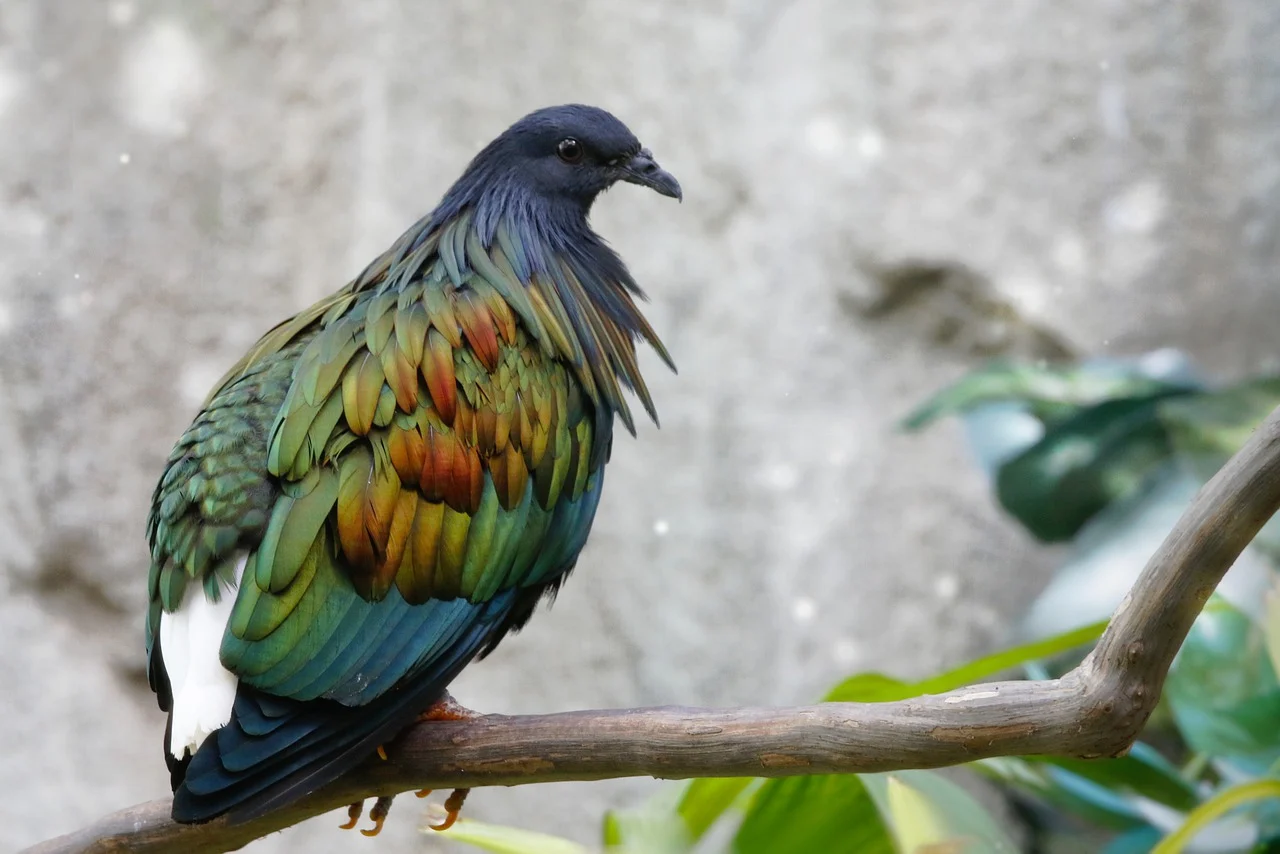
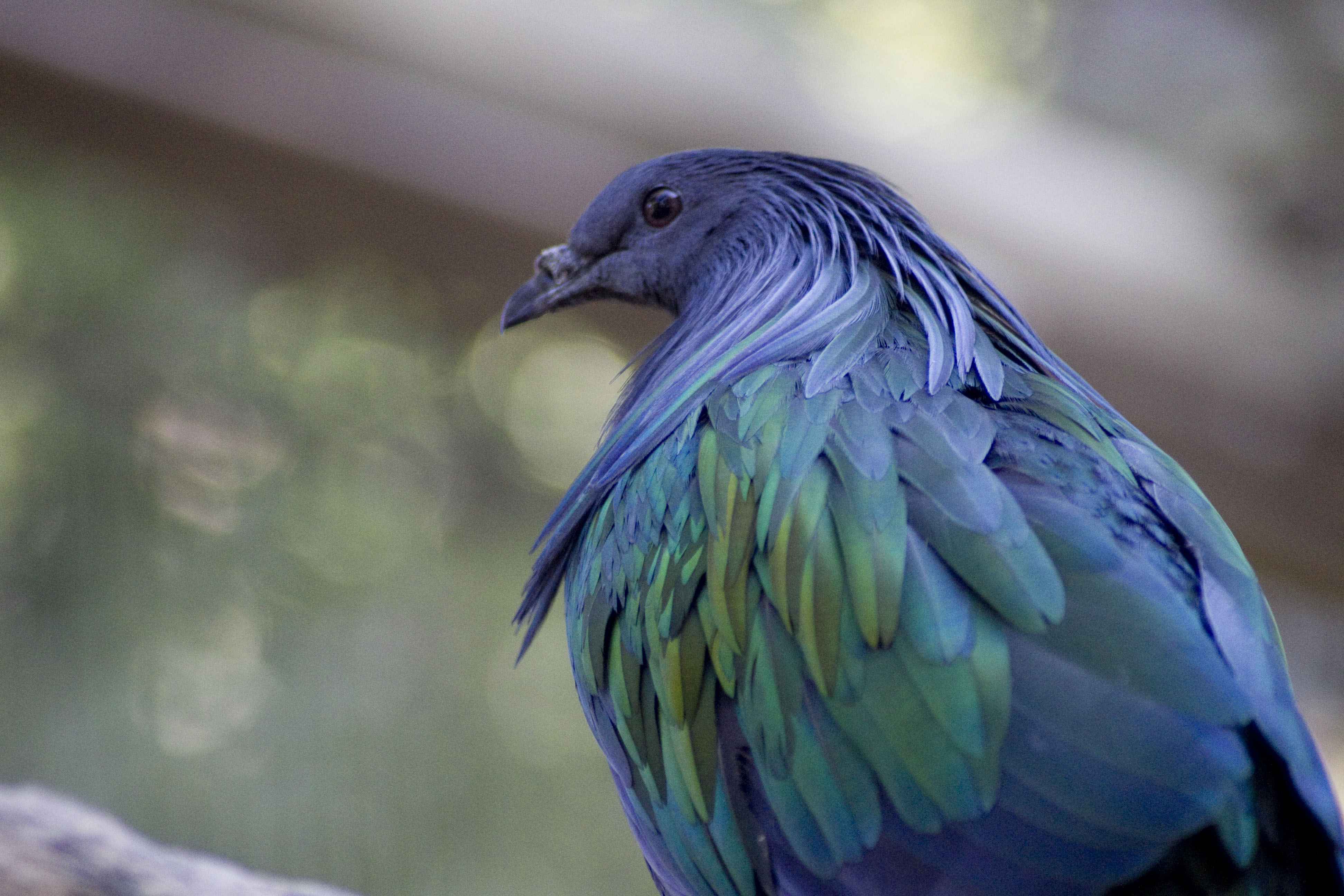
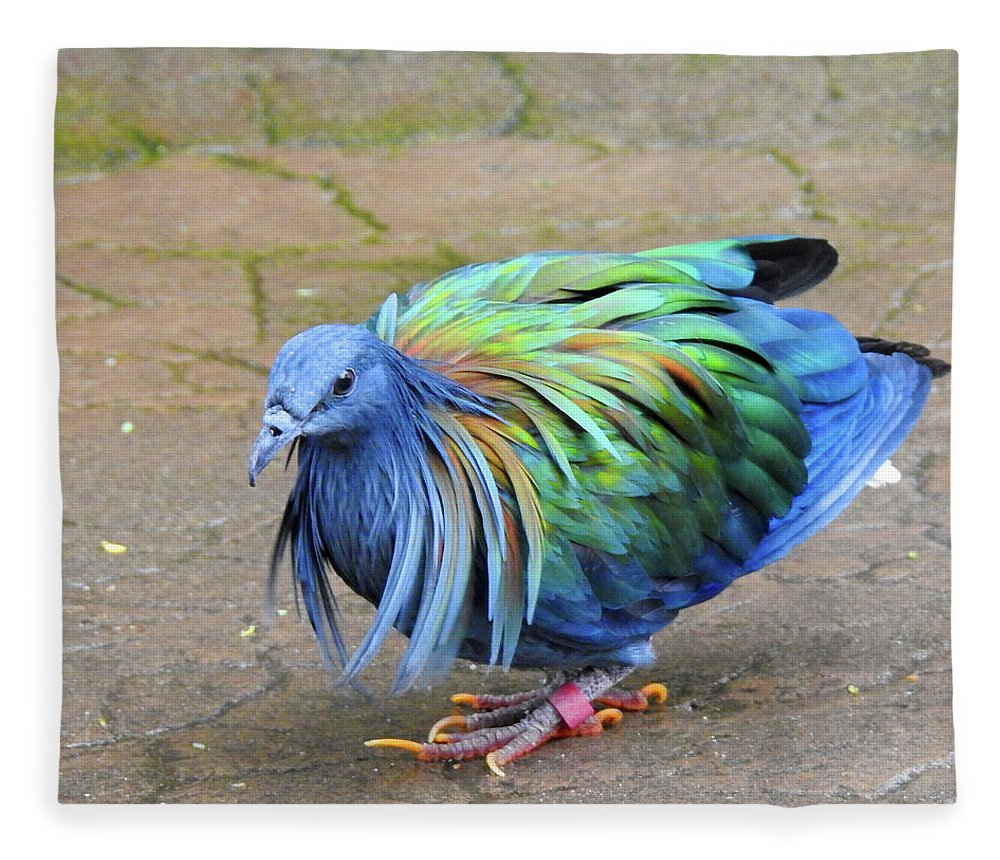
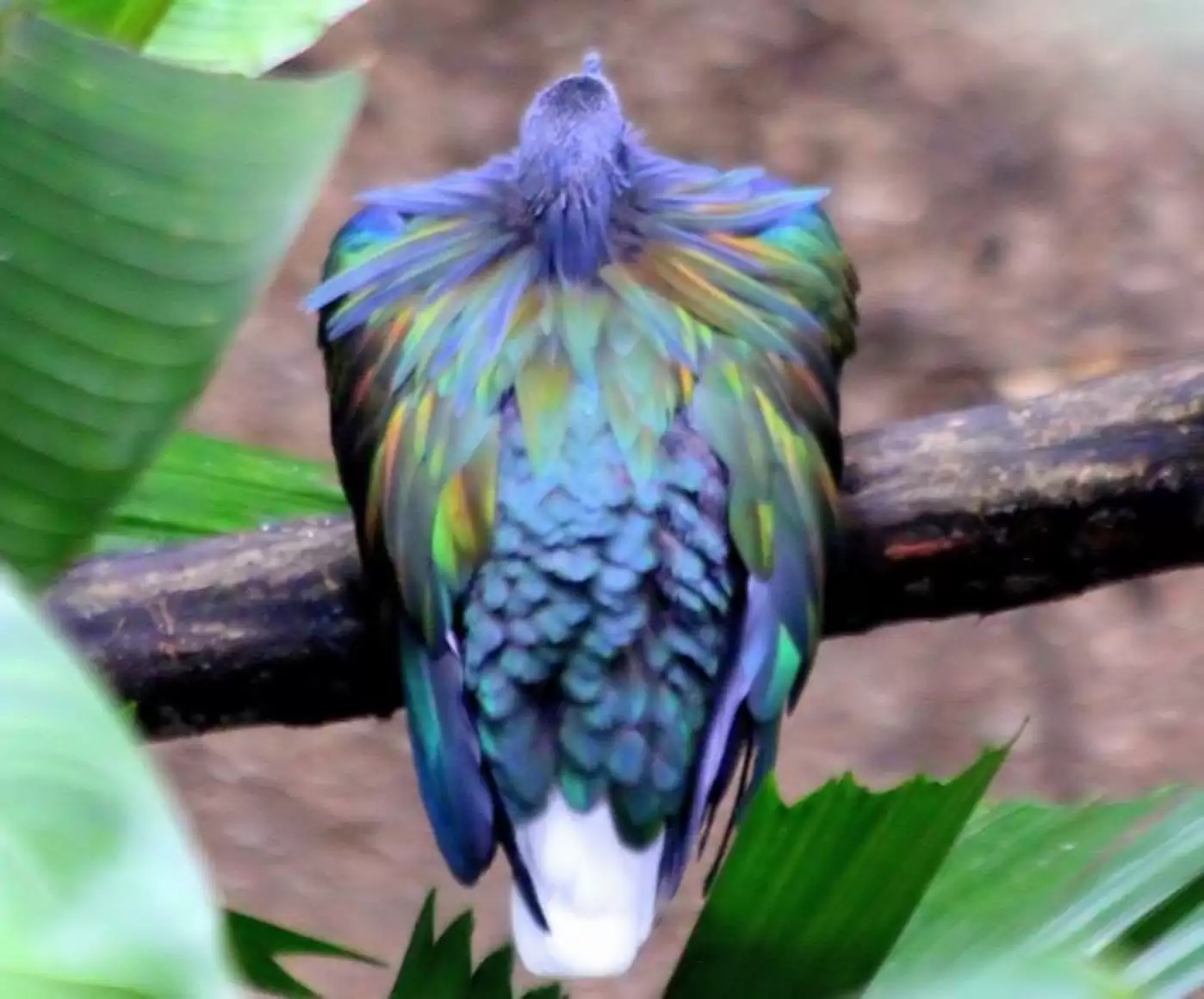
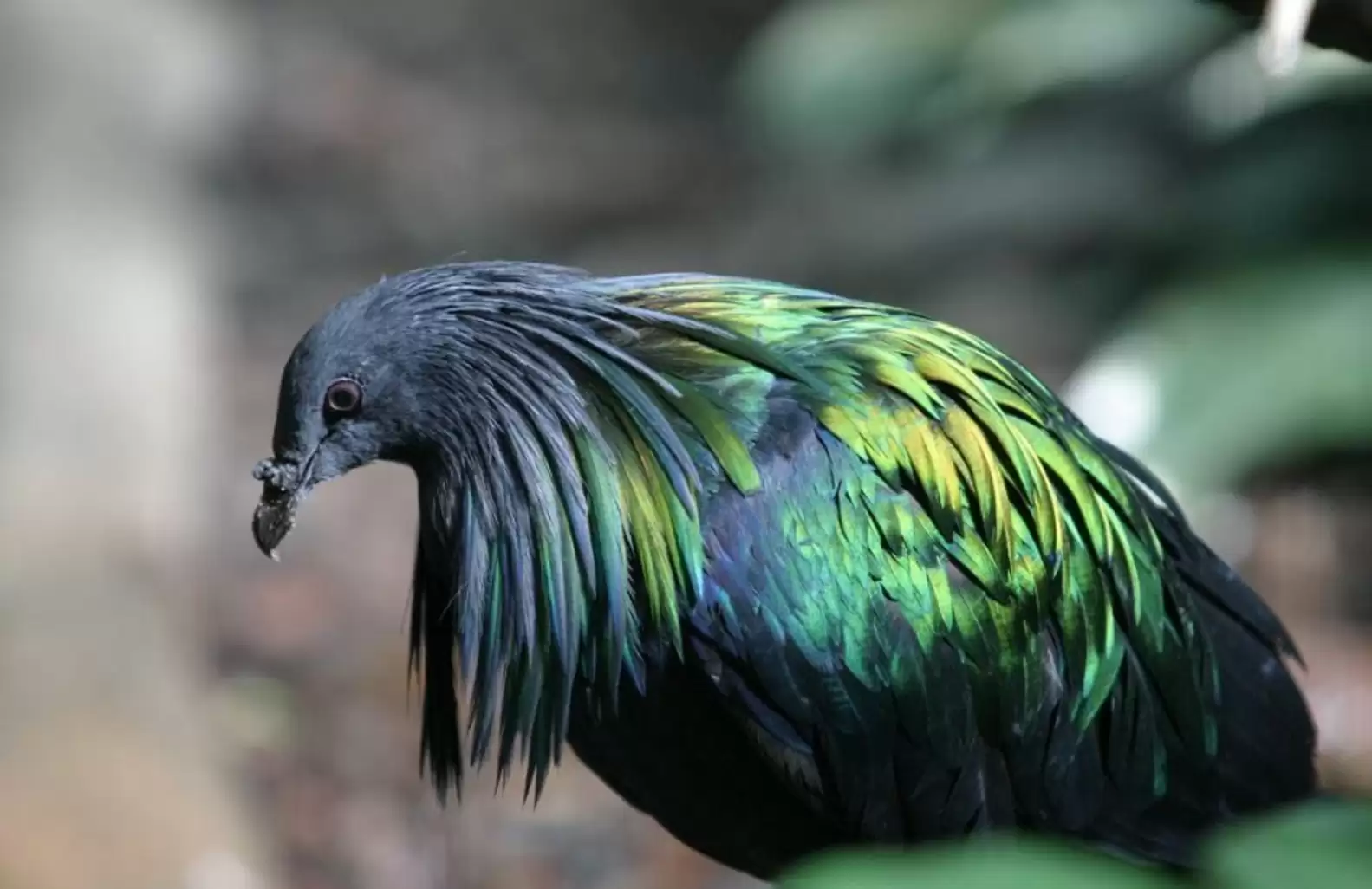
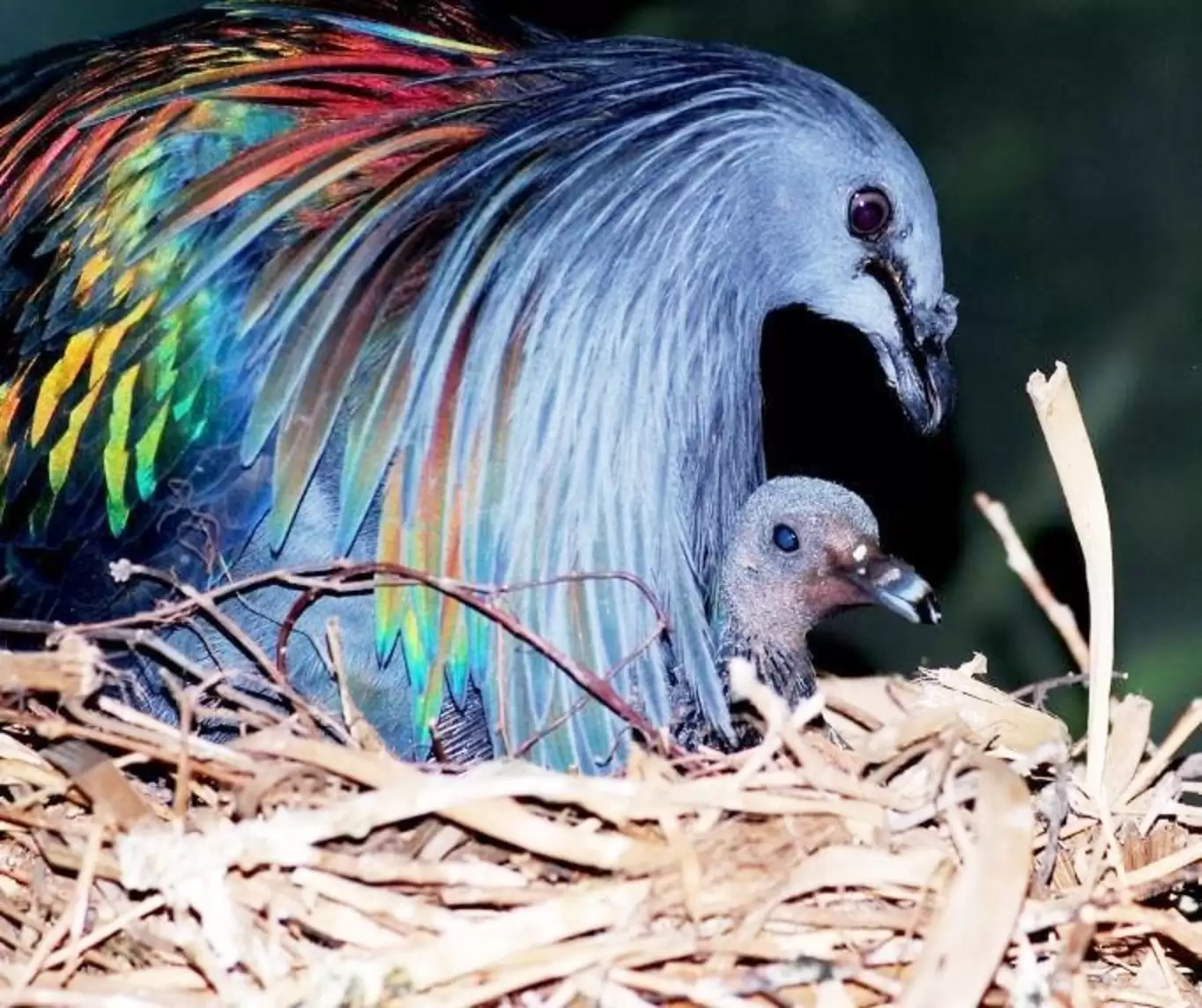
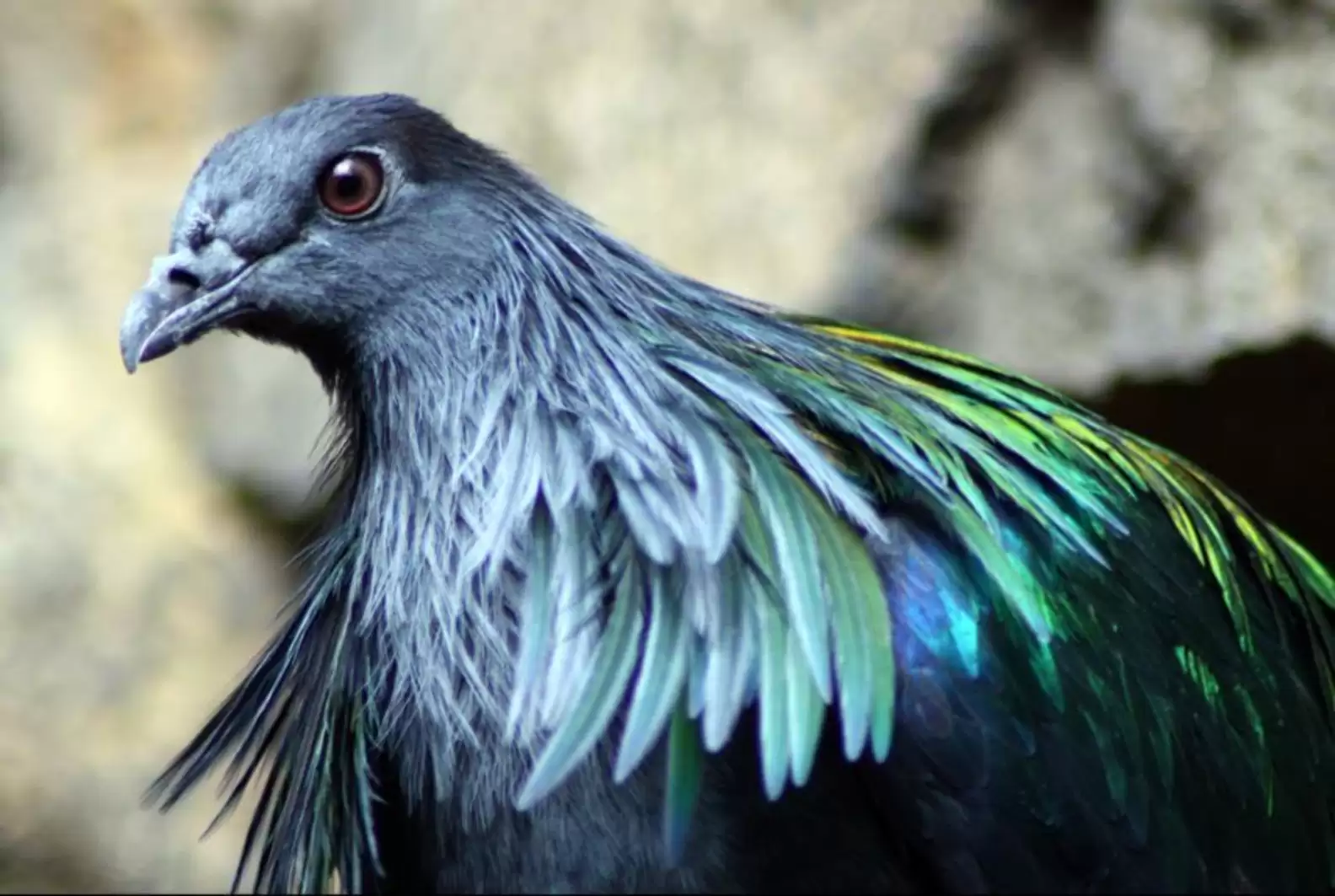
Adorned with dark slate grey bodies, their upper parts shimmer with iridescent shades of blue-green and copper-bronze.
advertisement
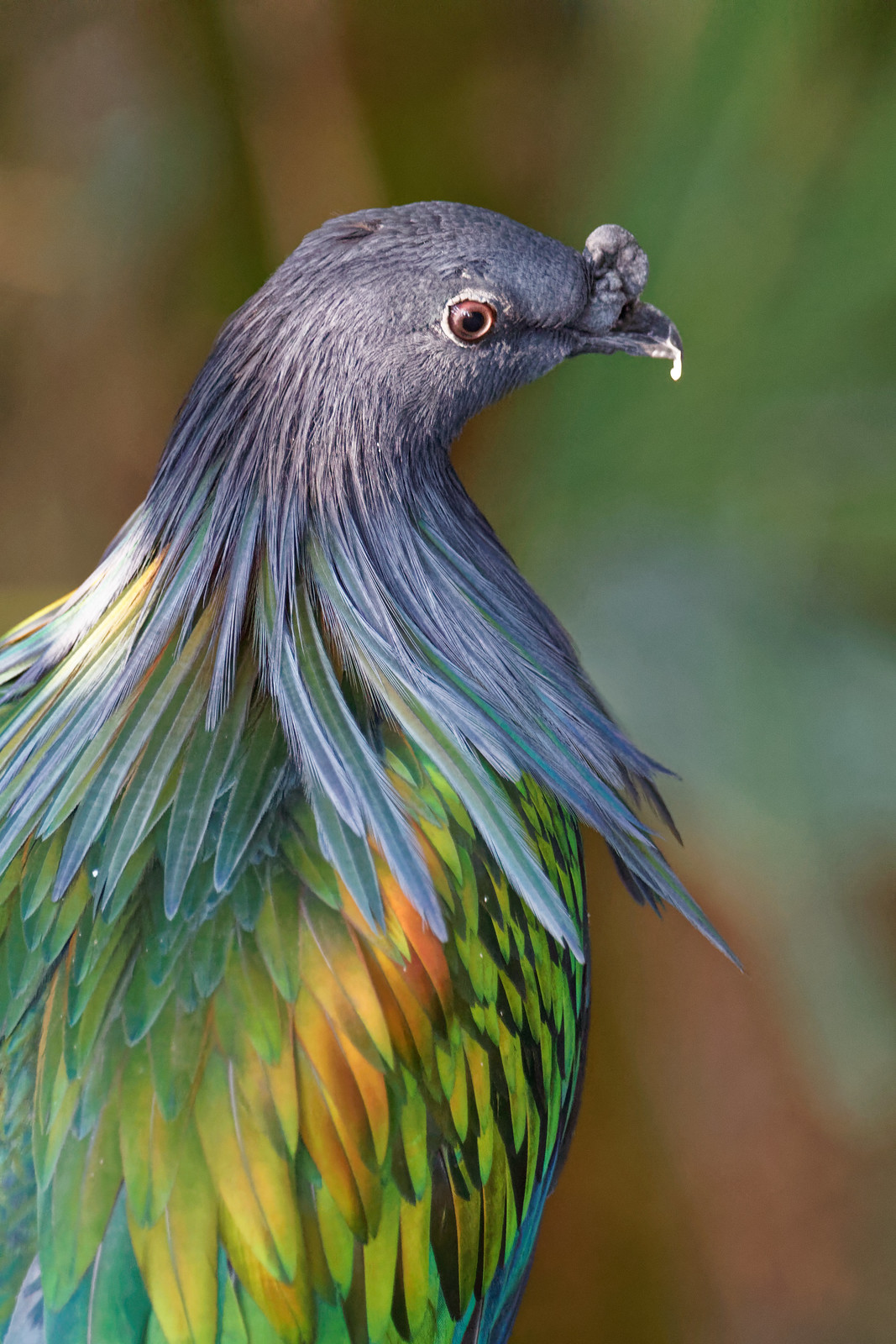
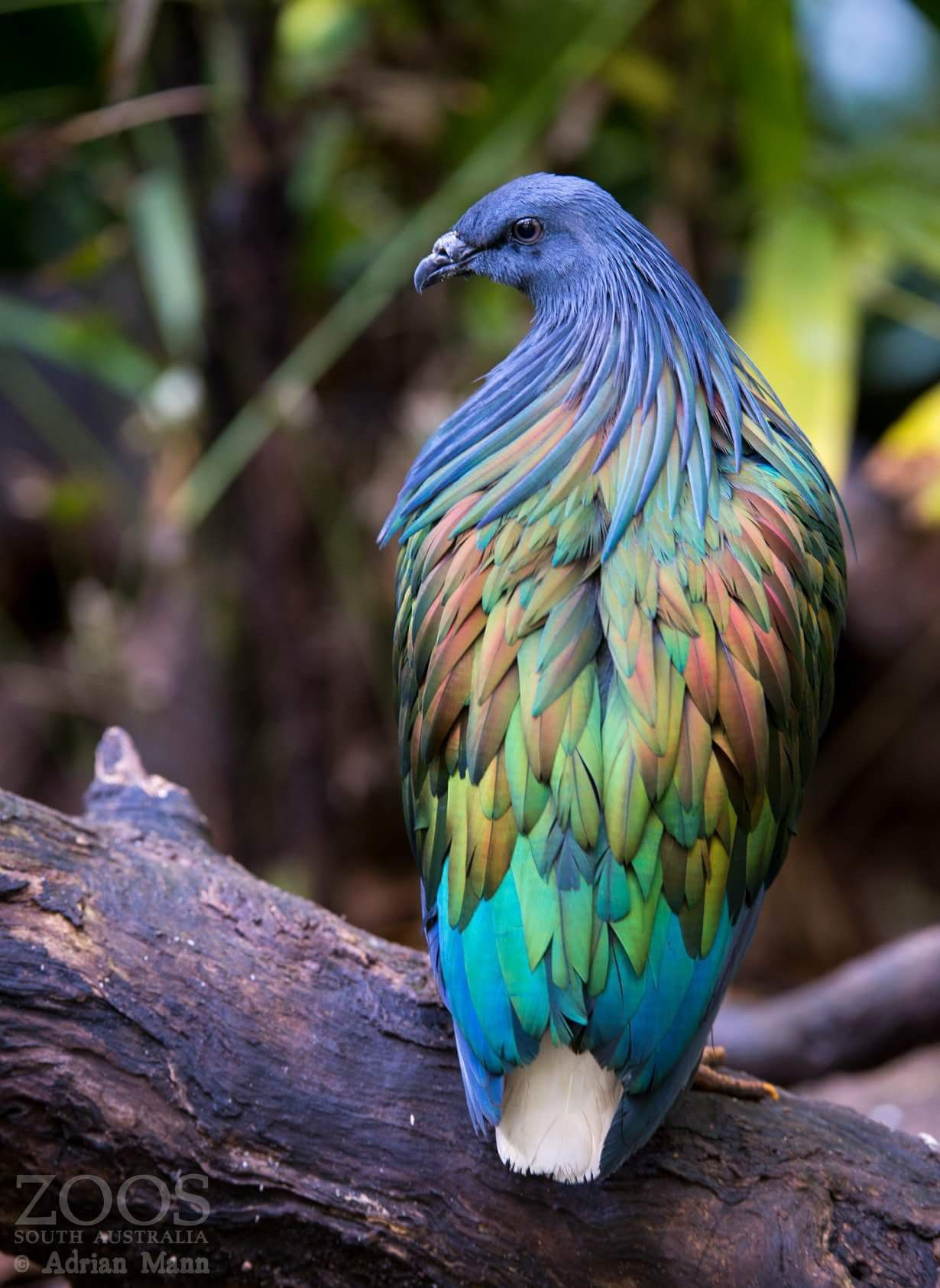
Adding to their allure are the glossy neck hackles and the striking contrast of their white tails.
advertisement
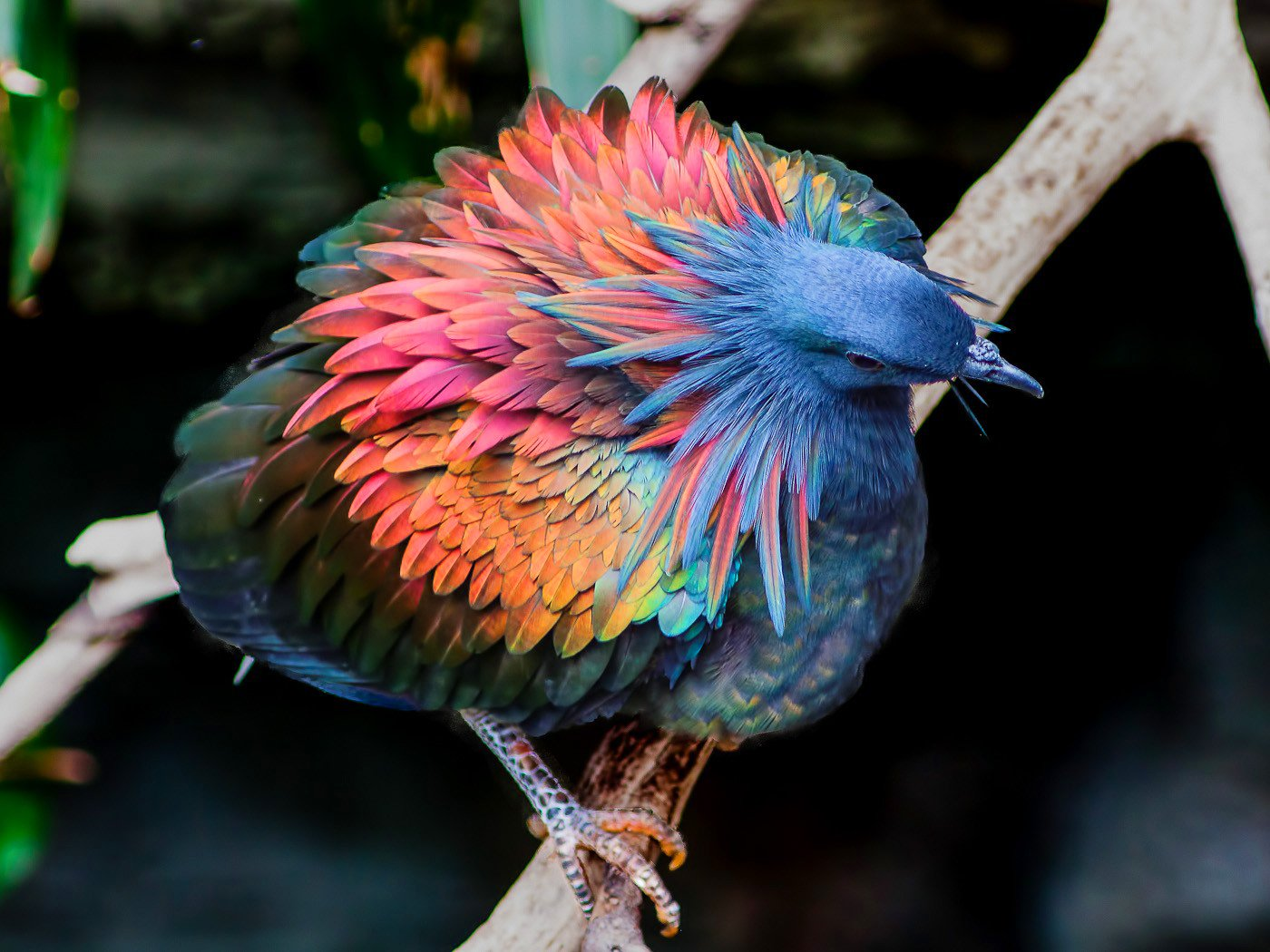
Freed from the need to camouflage themselves against predators, they were able to develop colorful and resplendent feathers that set them apart from other pigeon and dove species.
advertisement
Apart from their shared island habitat, the Nicobar pigeon shares another unfortunate similarity with the dodo bird—its vulnerability to extinction. These spectacular ground-dwelling birds are currently classified as "near threatened" due to hunting, habitat loss, and the introduction of non-native predators like cats and rats to their breeding islands.
advertisement
Remarkably, these are the same factors that led to the disappearance of the dodo birds from the natural world three centuries ago. Will we repeat the same mistakes again?
advertisement
The captivating Nicobar pigeon is a treasure worth protecting. Efforts are underway to conserve these avian wonders and ensure their survival for future generations. Awareness of their plight is crucial, as it will enable us to take the necessary steps to prevent the loss of yet another remarkable species.
advertisement
To comprehend the true significance of preserving the Nicobar pigeon, one must delve into the history of its ill-fated cousin, the dodo bird. Native to the island of Mauritius in the Indian Ocean, the dodo bird met its tragic demise in the late 17th century.
advertisement
The combination of human activities, such as hunting and the destruction of its habitat, along with the introduction of invasive species, ultimately led to its extinction. Sadly, the same cycle threatens to repeat itself with the Nicobar pigeon if urgent action is not taken.
advertisement
Conservation organizations and governments are actively involved in protecting the remaining Nicobar pigeon population. Measures include the establishment of protected areas, strict regulations on hunting, and initiatives to raise awareness among local communities about the importance of preserving these magnificent birds.
Additionally, efforts are being made to control the population of non-native predators that pose a significant threat to the survival of the Nicobar pigeon.
advertisement
The responsibility of safeguarding the Nicobar pigeon lies not only with conservationists and governments but also with every individual. Promoting sustainable practices, supporting conservation organizations, and spreading awareness about the plight of these birds can contribute to their survival.
Furthermore, responsible tourism that respects the natural habitats of the Nicobar pigeon can provide economic incentives for local communities to protect these species.
advertisement
In conclusion, the Nicobar pigeon stands as a living testament to the captivating splendor of the dodo bird. Its vibrant plumage and unique characteristics make it an enchanting sight to behold.
However, like its extinct cousin, the Nicobar pigeon faces significant threats to its existence. By learning from past mistakes and taking immediate action, we can ensure the continued survival of this remarkable species and prevent its irreplaceable loss from our world.