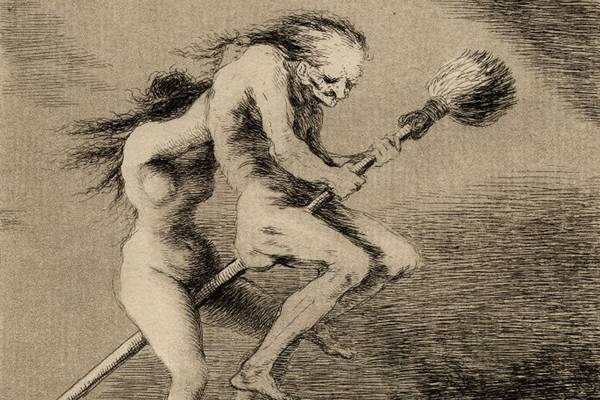
witches riding brooms
In the modern world on Halloween one of the most popular decorations is of an old ugly witch riding a broom. As with most old stories it is based on truth.
During the 16th, 17th, and 18th centuries in Europe, bread was made with rye. If not fresh, the mold that the bread produced was called ergot. In small doses, ergot is a powerful hallucinogenic drug. In high doses it can be lethal.
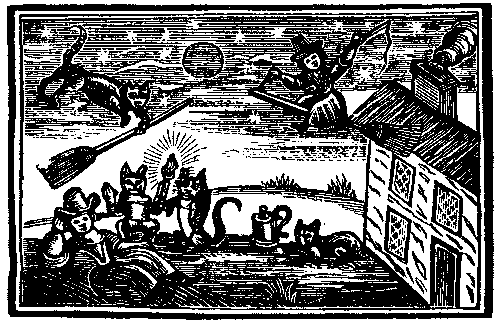
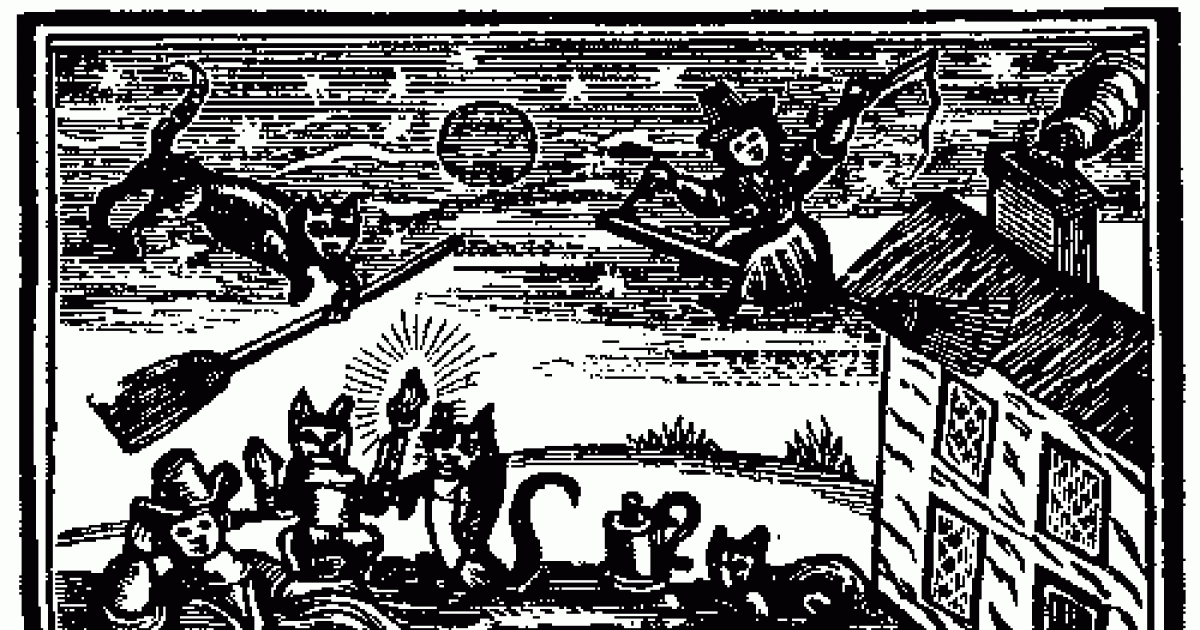
#2
Ergot became popular with those who believed in healing by herbalism and folk cures. It is the main ingredient in the ointment that witches rubbed their broomsticks with. There was a bigger risk of death if ergot was ingested, but when absorbed through the genitals, there was less risk of death and the hallucinogenics were more pronounced.
The images of a witch "riding" a broomstick during that time period evolved into our modern day depiction of witches actually flying on their broomsticks.
In the first stories of flying ointments it was said that the witches only dreamt they were flying. They were watched all night long. They never went anywhere but would wake up with vivid memories of flying to witches gatherings.
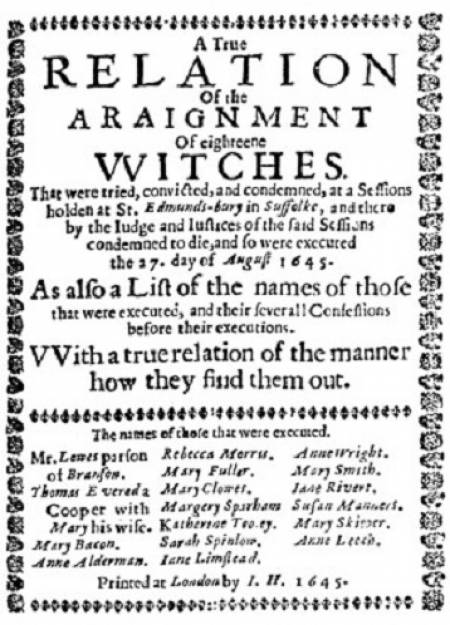
#3
Clergy prosecutors wanted to make the witches look bad. They made up stories that the main ingredient in the witches flying potion was the fat of boiled children. The potion was actually based on accessible herbs like aconite, nightshade, belladonna, alcohol and ergot.
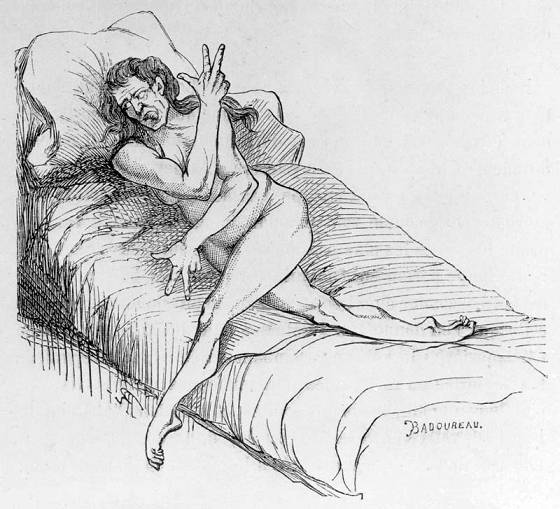
#4
The clergys' embellishment to horrify the masses by claiming the witches used the fat of children worked well. Witches became a threat to all children.
Ergot was the most powerful drug at that time for the witches to use and the easiest to obtain. The "flying ointment" was administered by rubbing it on a smooth wooden pole such as a broomstick, and then "riding" the pole.