Sarcastic fringehead
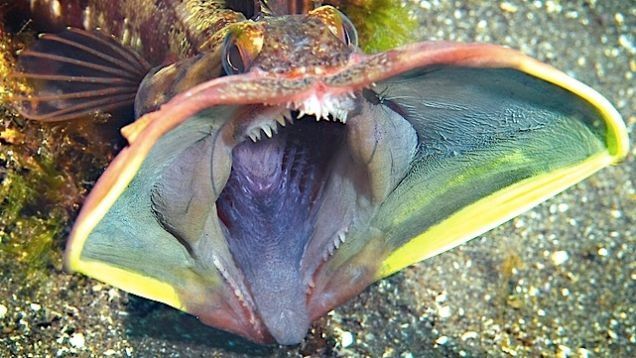
These crazy creatures (Neoclinus blanchardi) are found in the Pacific ocean off the coast of North America. Under normal circumstances they don't like to flash the goods, but when threatened they open their huge colorful mouths and show off some sharp teeth as a sign that you don't mess with these bad boys.
The panda ant
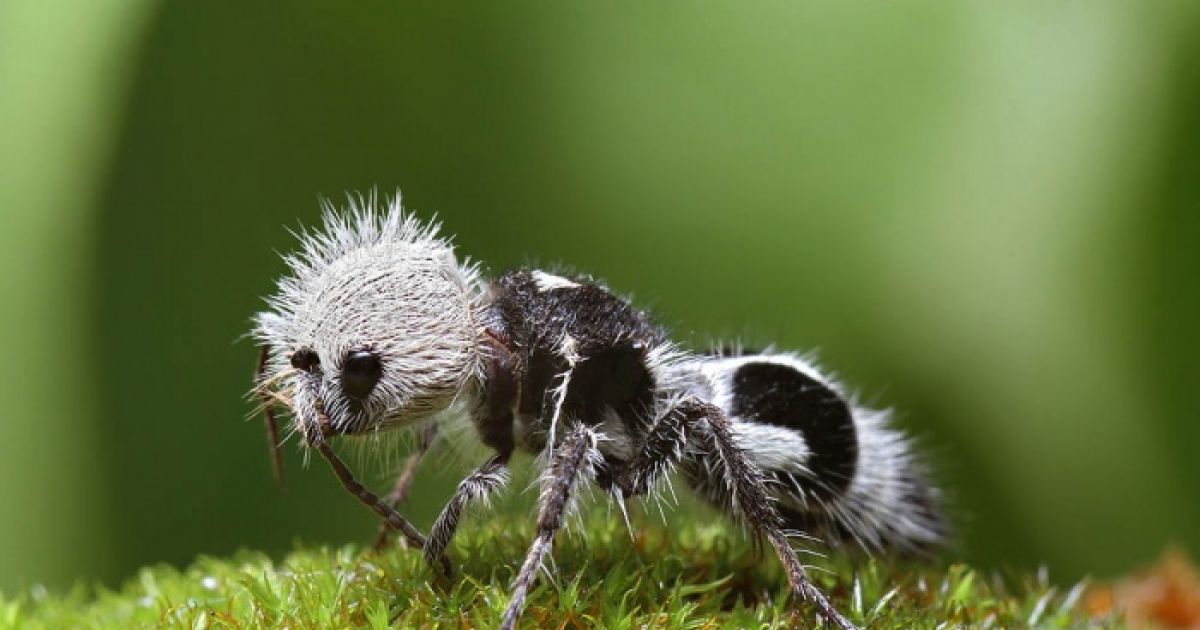
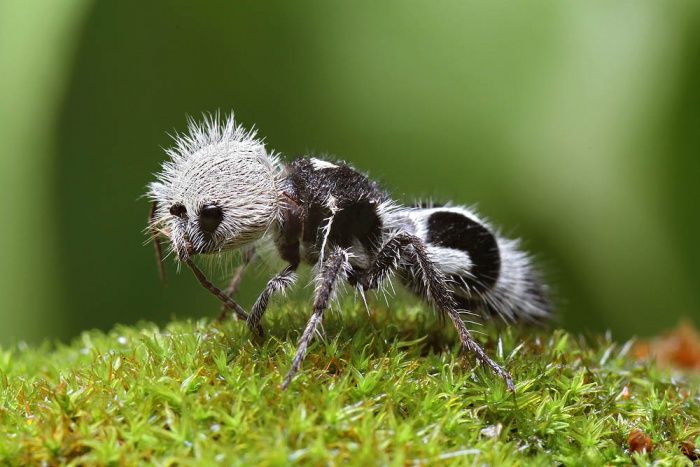
The Mutillidae are a family of more than 3,000 species of wasps (despite the names) whose wingless females resemble large, hairy ants. Found in Chile, they are known for their extremely painful stings, hence the common name cow killer or cow ant. Black and white specimens are sometimes known as panda ants due to their hair coloration resembling that of the Chinese giant panda.
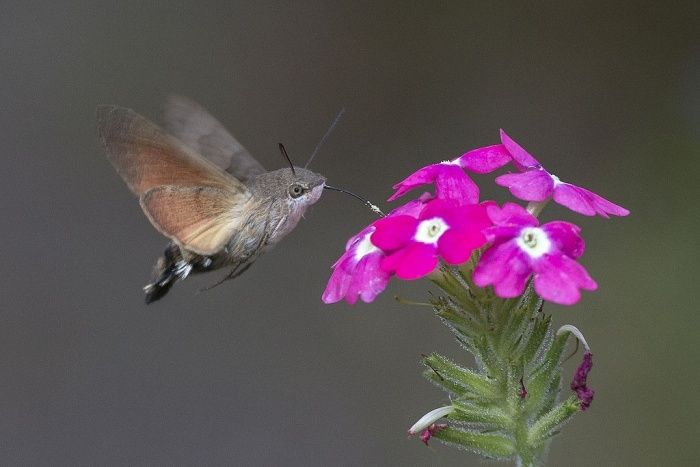
Hummingbird hawk-moth
As this hawk-moth feeds on flowers and makes a similar humming sound, it looks a lot like a hummingbird. What's interesting is that it is surprisingly good at learning colors.
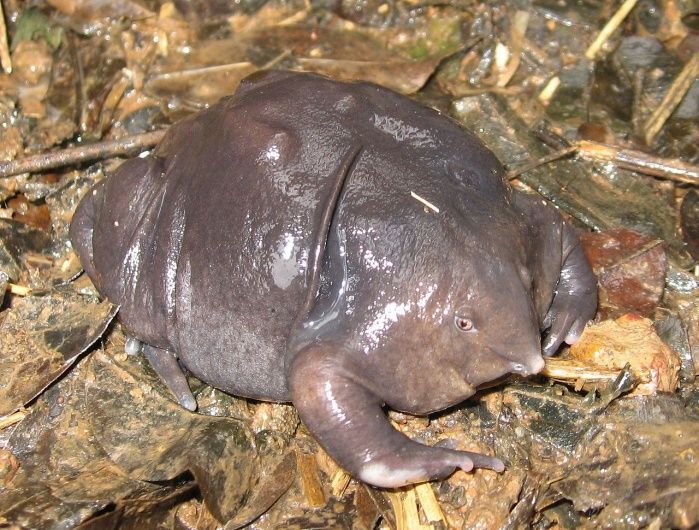
Indian purple frog
Found in India, this species of frog have bloated body and an unusually pointy snout; it only spends two weeks a year on the surface of earth, leaving the underground for mating.
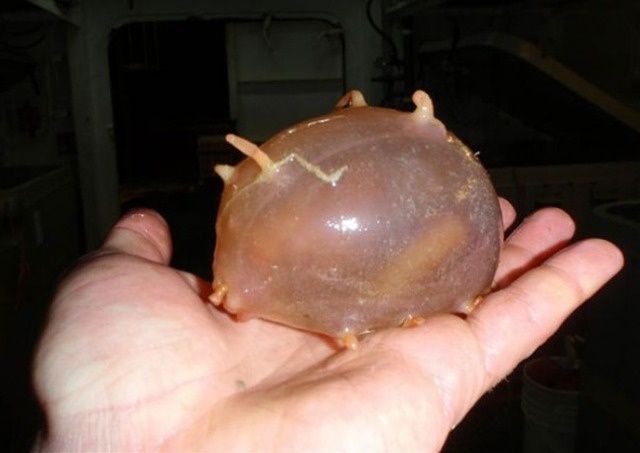
Sea pig
Scotoplanes live on deep ocean bottoms, specifically on the abyssal plain in the Atlantic, Pacific and Indian Ocean, typically at depths of over 1000 meters. They are deposit feeders, and obtain food by extracting organic particles from deep-sea mud.
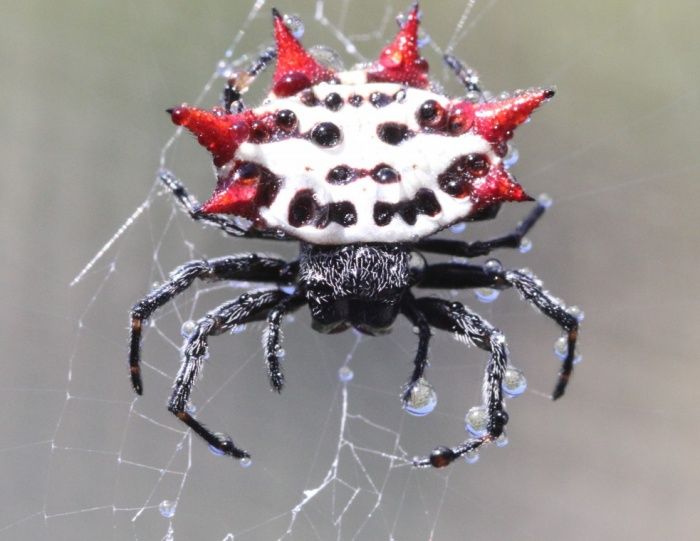
Spiny orb weaver spider
These spiky spiders look pretty damn awesome. There are numerous different species of spiny orb weavers, all belonging to the genus Gasteracantha. One such example is G. cancriformis which is found in some parts of the US, Central America and some parts of the Caribbean. They're around 2-9mm in total length and come in a variety of colors and shapes, and some have colored legs too.
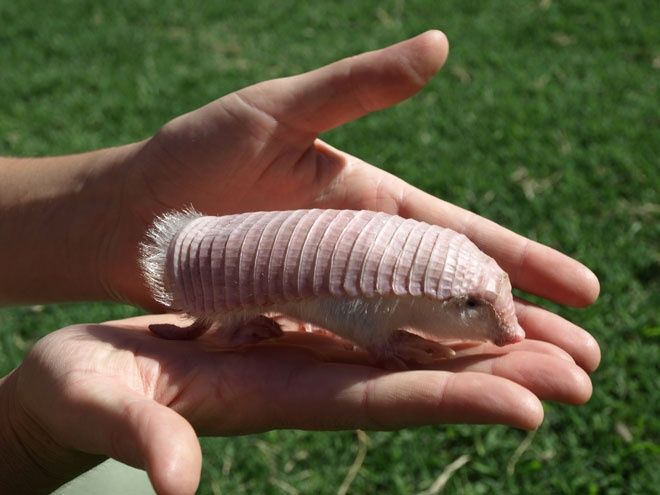
Pink fairy armadillo
The pink fairy armadillo, or Chlamyphorus truncates, is the smallest species of armadillo, measuring a mere 10 centimeters in length on average. You'll find these guys in Argentina, digging holes in dry grasslands or sandy plains. They live underground but surface at night to find food, which mostly consists of ants.
Sunfish
Sunfish, or mola mola, are huge bony fish that can weigh up to a whopping 2,250 kilograms and can reach around 4 meters in length. Their rather odd appearance is due to the fact that their back fin doesn't grow and instead folds into itself. They typically feed on jellyfish and small fish, and can be found in both temperature and tropical oceans.

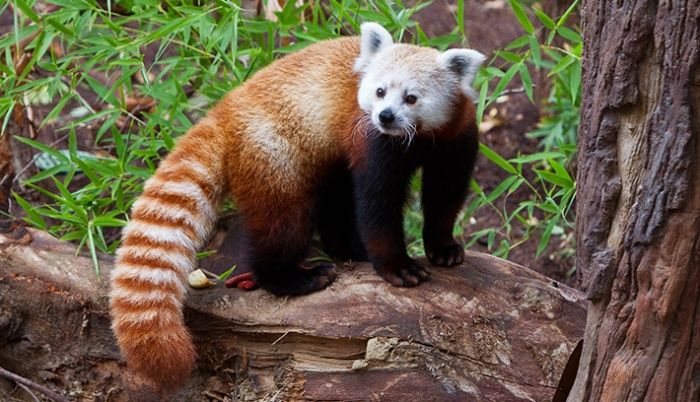
Red panda
The red panda, Ailurus fulgens ("shining cat," from a Latinized form of the Greek, ailouros, "cat," and the participial form of the Latin fulgere, "to shine") is a mostly herbivorous mammal, slightly larger than a domestic cat (55 cm long). The red panda has semi-retractile claws and, like the giant panda, has a "false thumb" which is really an extension of the wrist bone. Thick fur on the soles of the feet offers protection from cold and hides scent glands. The red panda is native to the Himalayas in Nepal and southern China.
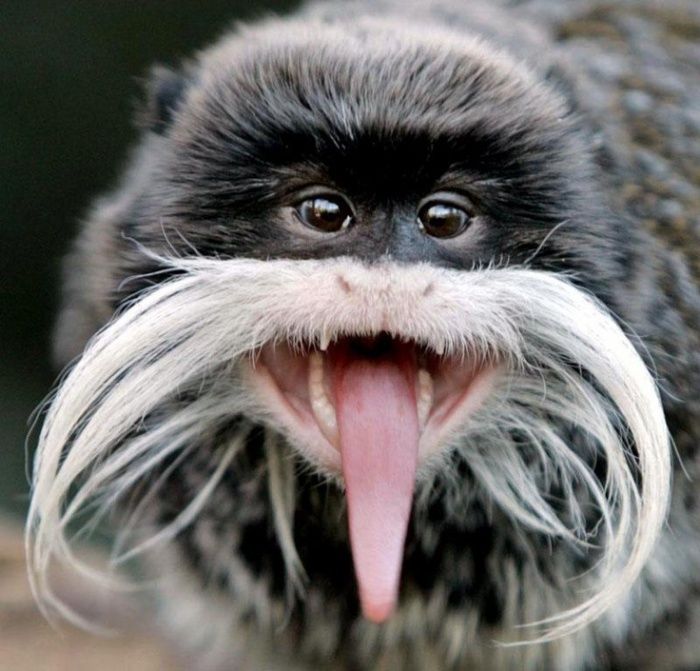
Emperor tamarin
The emperor tamarin (Saguinus imperator) is a tamarin allegedly named for its similarity with the German emperor Wilhelm II. The name was first intended as a joke, but has become the official scientific name.
This tamarin lives in the southwest Amazon Basin, in east Peru, north Bolivia and in the west Brazilian states of Acre and Amazonas.
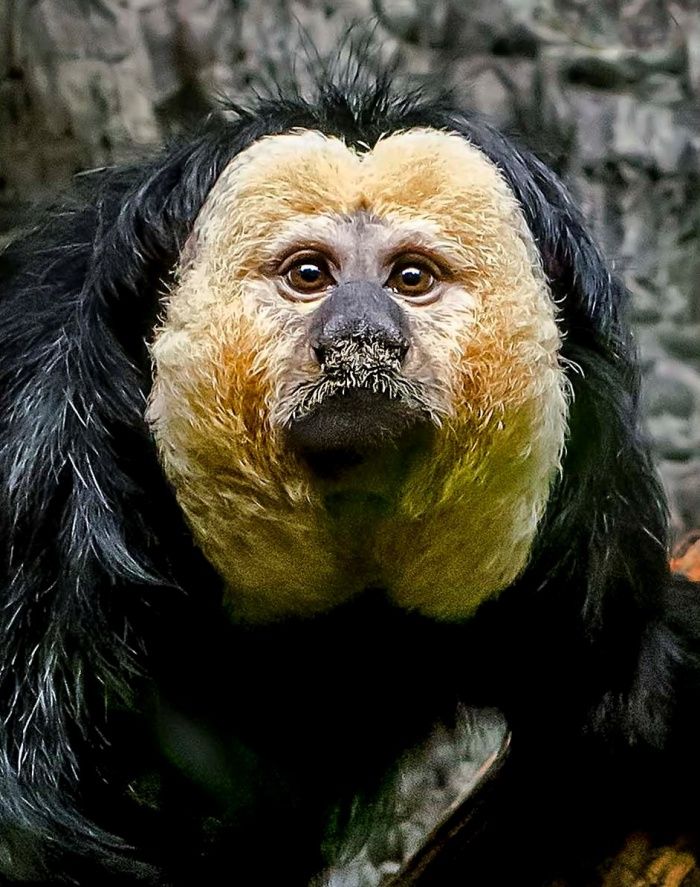
White-faced saki monkey
The white-faced saki (Pithecia pithecia), also known as the Guianan saki and the golden-faced saki, is a species of saki monkey, a type of New World monkey, found in Brazil, French Guiana, Guyana, Suriname, and Venezuela. This monkey mostly feed on fruits, but also nuts, seeds, and insects.
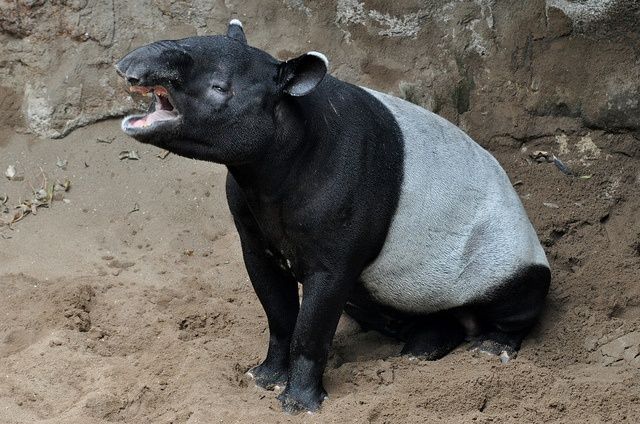
Tapir
Tapirs are large browsing mammals, roughly pig-like in shape, with short, prehensile snouts. They inhabit jungle and forest regions of South America, Central America, and Southeast Asia. All four species of tapir are classified as endangered or vulnerable. Their closest relatives are the other odd-toed ungulates, horses and rhinoceroses.
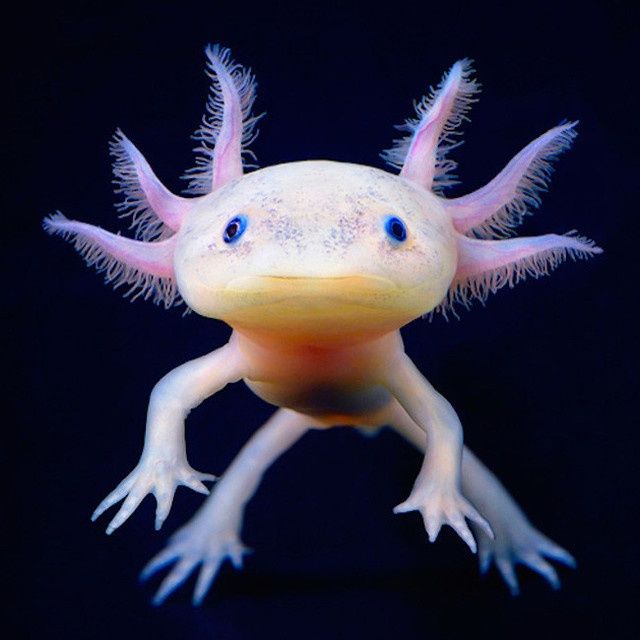
Axolotl
The Axolotl (or ajolote) (Ambystoma mexicanum) is the best-known of the Mexican neotenic mole salamanders belonging to the Tiger Salamander complex. Larvae of this species fail to undergo metamorphosis, so the adults remain aquatic and gilled. The species originates from the lake underlying Mexico City. Axolotls are used extensively in scientific research due to their ability to regenerate most body parts, ease of breeding, and large embryos. They are commonly kept as pets in the United States, Great Britain, Australia, Japan (where they are sold under the name Wooper Rooper, and other countries.
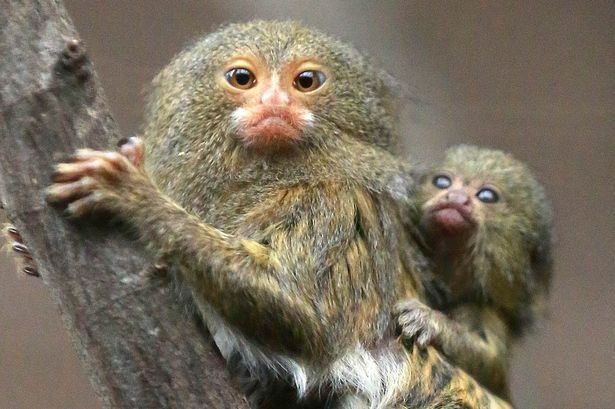
Pygmy marmoset
The pygmy marmoset (Callithrix (Cebuella) pygmaea) is a monkey native to the rainforest canopies of western Brazil, southeastern Colombia, eastern Ecuador, and eastern Peru. It is one of the smallest primates, with its body length ranging from 14-16 cm (excluding the 15-20 cm tail) and the smallest monkey.
Frill-necked lizard
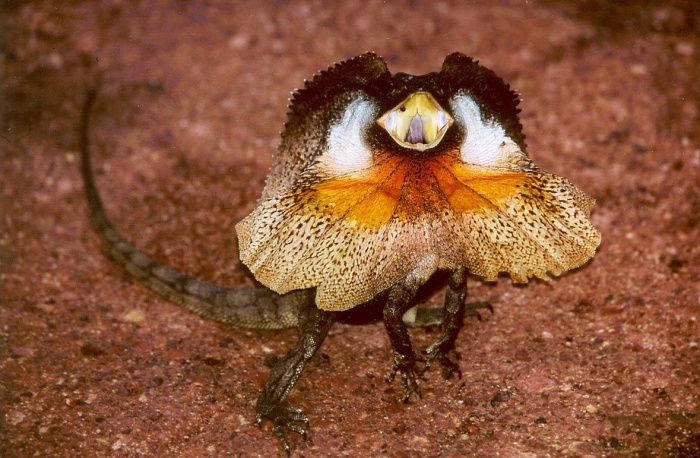
The frill-necked lizard, or frilled lizard also known as the frilled dragon, (Chlamydosaurus kingii) is so called because of the large ruff of skin which usually lies folded back against its head and neck. The neck frill is supported by long spines of cartilage, and when the lizard is frightened, it gapes its mouth showing a bright pink or yellow lining, and the frill flares out, displaying bright orange and red scales. The frill may also aid in thermoregulation.