The “Werewolf Cat” Is Everything That’s Wrong With Designer Breeds
By
Editorial Staff in
Nature
On 7th January 2016
advertisement
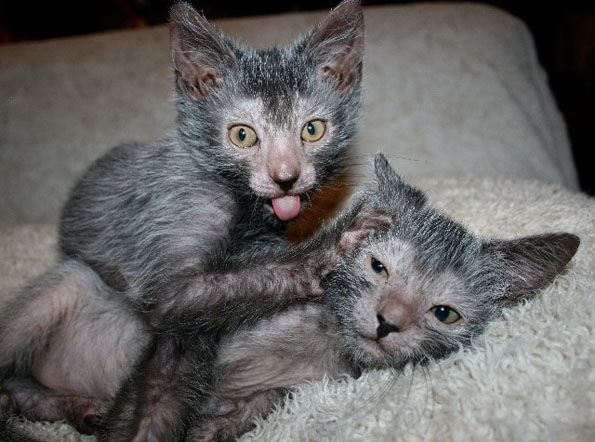
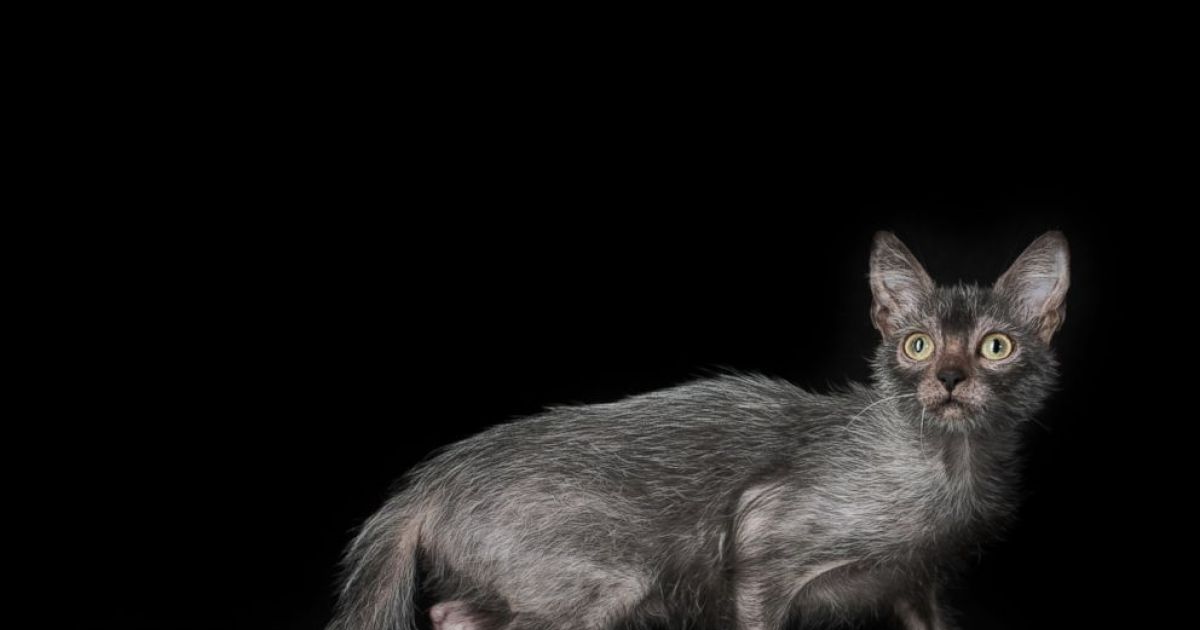
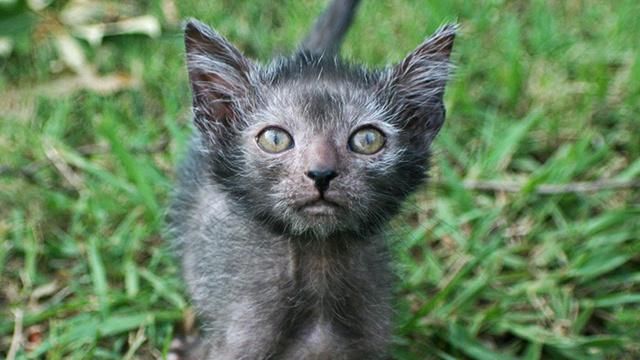
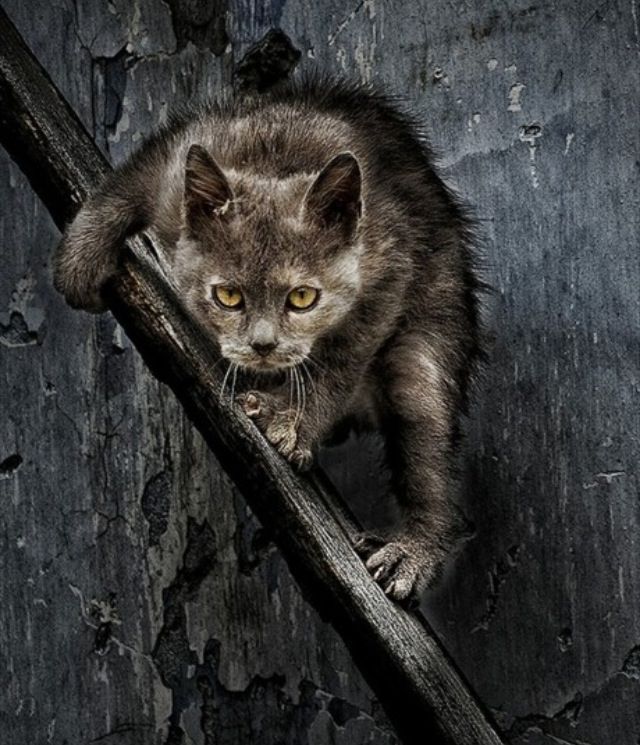
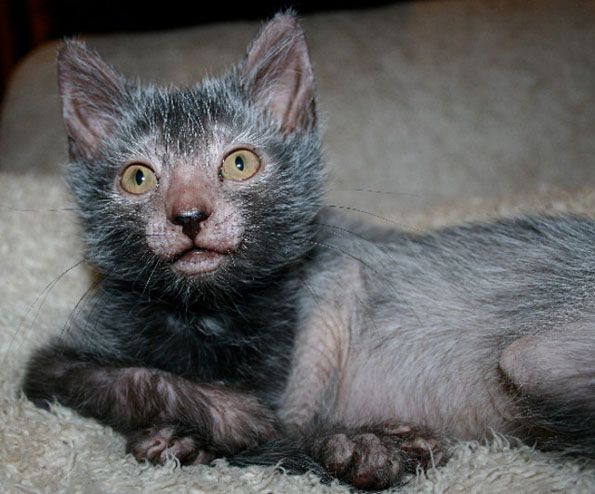
There's a new cat on the block, and it looks like a werewolf. The Lykoi cat is a designer breed that is purposely bred to express a unique natural mutation that makes it have thinner hair or no fur at all around the nose, eyes, underbelly, and paws. Some may question why exactly you would want a balding feline, but for many cat lovers, the Lykoi cat is becoming a hot topic.
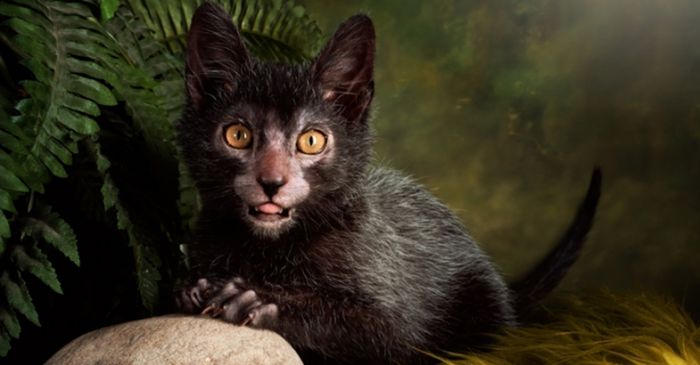
The Lykoi was established in TICA cat registery in 2011 and was started in Tennessee by Dr. & Mrs. Gobble.
advertisement
Lykoi are not hypoallergenic. They do shed (quite a bit), and can even go bald from time to time. Coat varies in thickness/hairlessness based on the individual cat and the climate in which the cat lives.
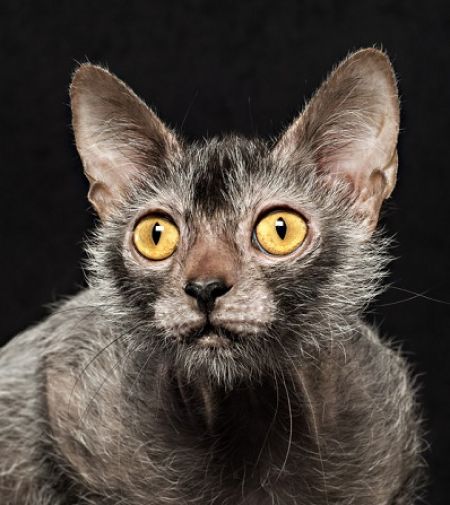
There are 57 Show standard Lykoi in the world. There are more than 30 non-standard colored Lykoi registered. This does not include all the gene carrier cats (the black cats carrying the Lykoi gene). There are over 230 registered cats.
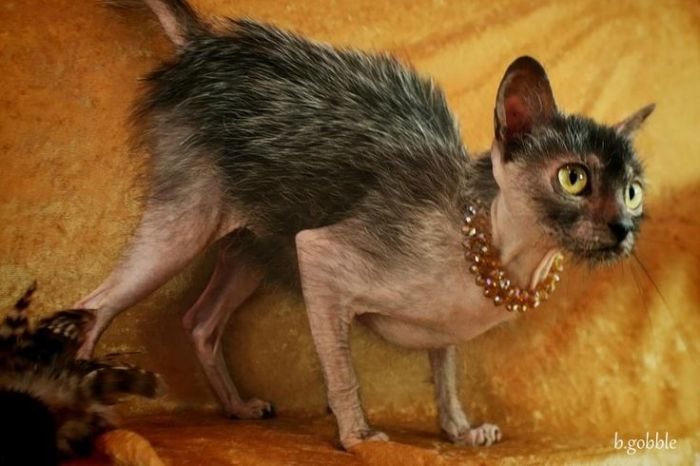
advertisement
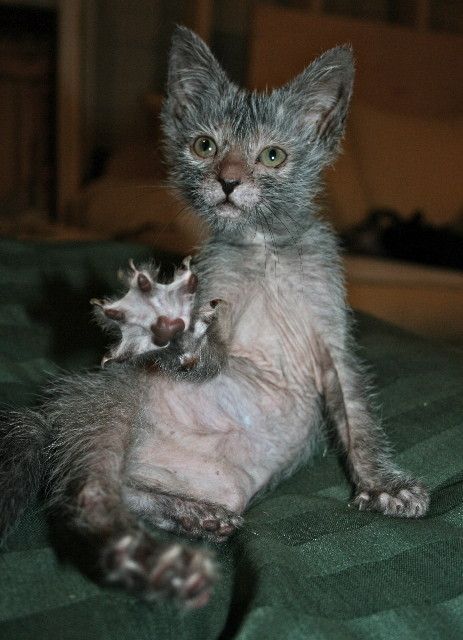
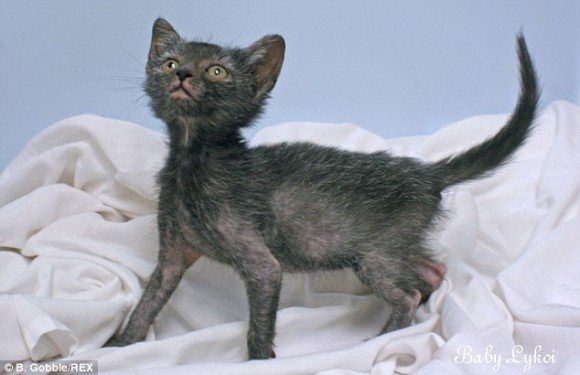
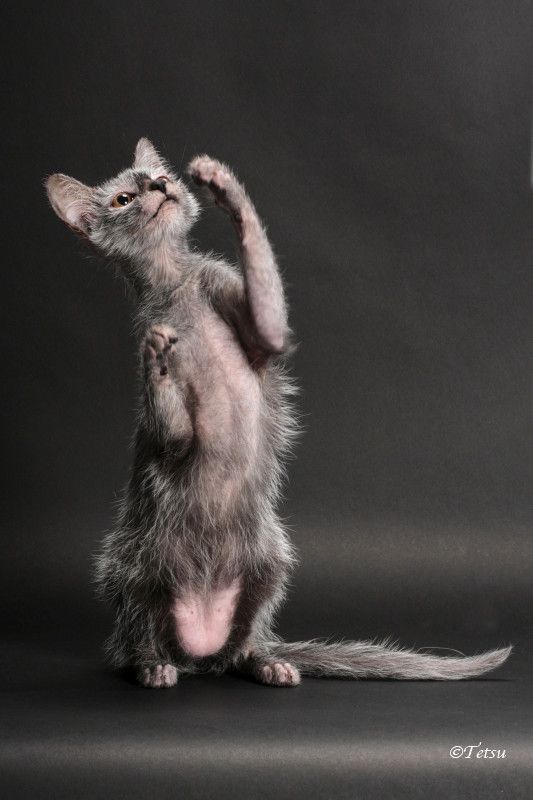
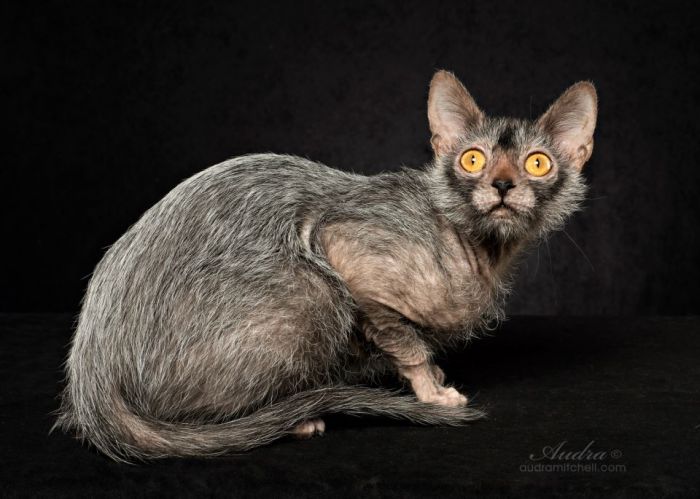
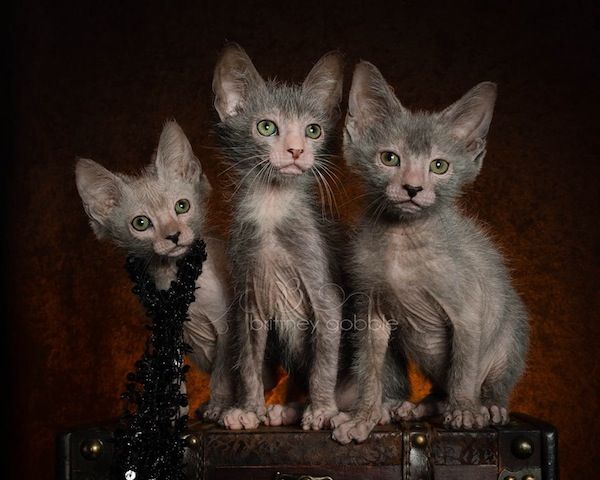
The Lykoi has affectionately become known as the “Werewolf Cat”, but have no fear as their meow as not nearly as dangerous as their affectionate personalities. The Lykoi Cat is a natural mutation from a domestic shorthair that has the appearance of a werewolf. The hair coat pattern is unique. These cats are hairless around the eyes, on the nose, on the muzzle, and on the ears with partial hairlessness on their extremities. They are very loving, and they adore brushing. They tend to use their paws much like hands and often they appear to be "praying" as they clasp their paws together.
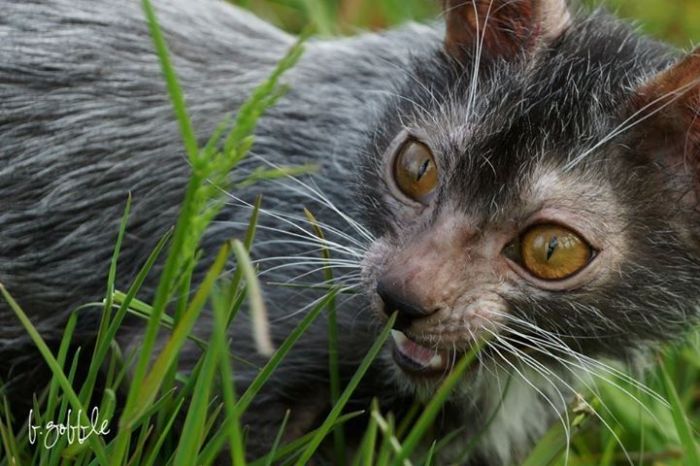
advertisement
Its name comes from the Greek for 'wolf' and translates as ‘wolf cat’ as the animal has no hair around its eyes, nose, ears and muzzle as well as a consistently patchy coat on the rest of its body.
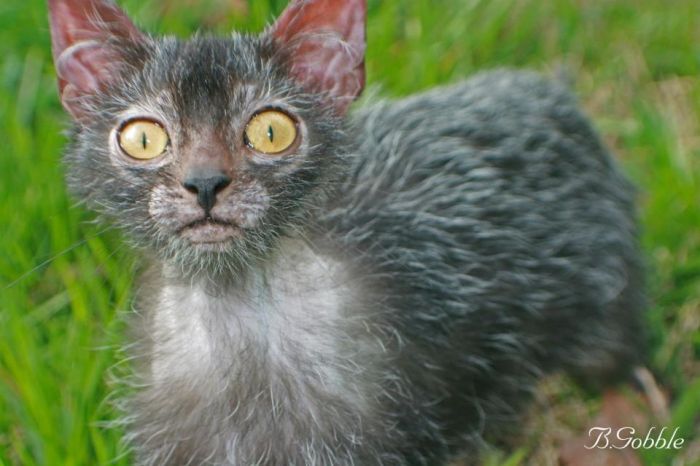
advertisement
The cat is a result of an apparently rare but natural gene mutation that is sometimes seen in domestic shorthair cats. The mutation causes it to have a strange type of fur growth. Portions of its face around the eyes, muzzle, legs and stomach are nearly bald. The rest of its fur is patchy and appears grizzled. Due to a genetic glitch in its hair follicles, the Lykoi has no undercoat.
advertisement
"These are the result of a natural mutation that appeared in the wild cat population," says Johnny Gobble, a veterinarian and breeder of Lykois. "They've been reported for years, but no one has tried to breed them because there were concerns about their health." Though the cats don't project the image of a hale, hearty feline, the unusual variety has caught the interest of cat fanciers recently.
advertisement
So far, it seems as if Lykois are faring decently, as long as they're kept inside where they can compensate for their lack of fur with artificial sources of warmth. But all the Lykois are still pretty young, and some health concerns might not become evidence until they mature.
advertisement
So why all the hubbub about a balding cat? Designer felines are actually relatively rare, with significantly fewer unusual looking breeds compared to the extensively modified canine gene pool.
advertisement
Used for their natural abilities, such as mousing, or simply kept around for comfort, Bradshaw suggests in his latest book "Cat Sense" that most felines are actually semi-feral and simply think humans are massive, dumb, and harmless fellow cats. They appeal to humans as cats would appeal to friendly-but-superior felines, and for that reason alone we accept them as they are.
advertisement
While canines were becoming domesticated and even bred for specific uses - resulting in a wide variety of breeds (and just as many consequential genetic defects) - cats were functioning more as accepted novelties.
A dog may be a man's best friend, but it's a friend that we use as a tool as well. With cats, it's more of a partnership born of ignorance on both sides - no selective breeding required.
advertisement
At least until people realize they want a cat that looks like a sphinx or a werewolf, that is...