

The fidget spinner, a common toy, has an interesting backstory. Its inventor, Catherine Hettinger, faced challenges in 1993, and when it became popular in 2017, she missed out on profits.
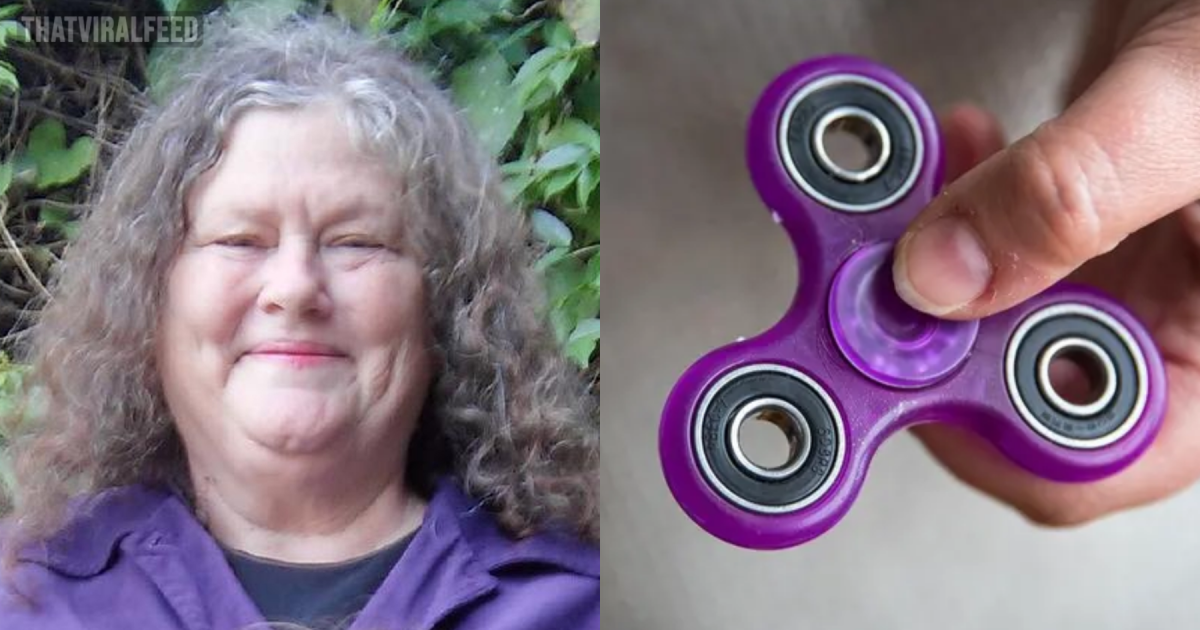
Fidget Spinner Creator Catherine Hettinger Hasn't Earned A Single Penny Off Her Creation
By
Haider Ali in
News
On 23rd September 2023
advertisement
The fidget spinner, which many of us carry about in our pockets to pass the time, has become an important tool, yet the woman who invented it never received a single cent in compensation.
Back in 2017, little spinners were all the craze; you couldn't step outside without seeing someone twirling one between their fingers.
Tens of millions of the tiny devices were sold by retailers, and while some individuals loved them so much they ate them, others plain hated them, and other people earned a fortune selling them.
Catherine Hettinger, the toy's original creator, was unable to profit from the frenzy.
advertisement

Credit: Twitter/@MelissaOnline
She claims that in 1993 when she first came up with the concept for the fidget spinner, Hasbro and other toy shops rejected her efforts to sell them.
Catherine received a patent for her creation in 1997, but by 2005 it had expired since she couldn't afford the $400 (£330) renewal fee to retain ownership of the product.
As a result, anyone could create their own fidget spinner without worrying about violating any laws.
Fast-forward to 2014, and Scott McCoskery created the Torqbar, a device resembling a fidget spinner.
advertisement
He claimed that the reason he created it was so that he would have something to focus on while his boss droned on during meetings at work.
Fidget spinners would eventually become one of the most well-liked toys of the 'new 10s' (or whatever we're calling the previous decade).
However, it would take them a few more years before their popularity truly took off.
advertisement
unsplash
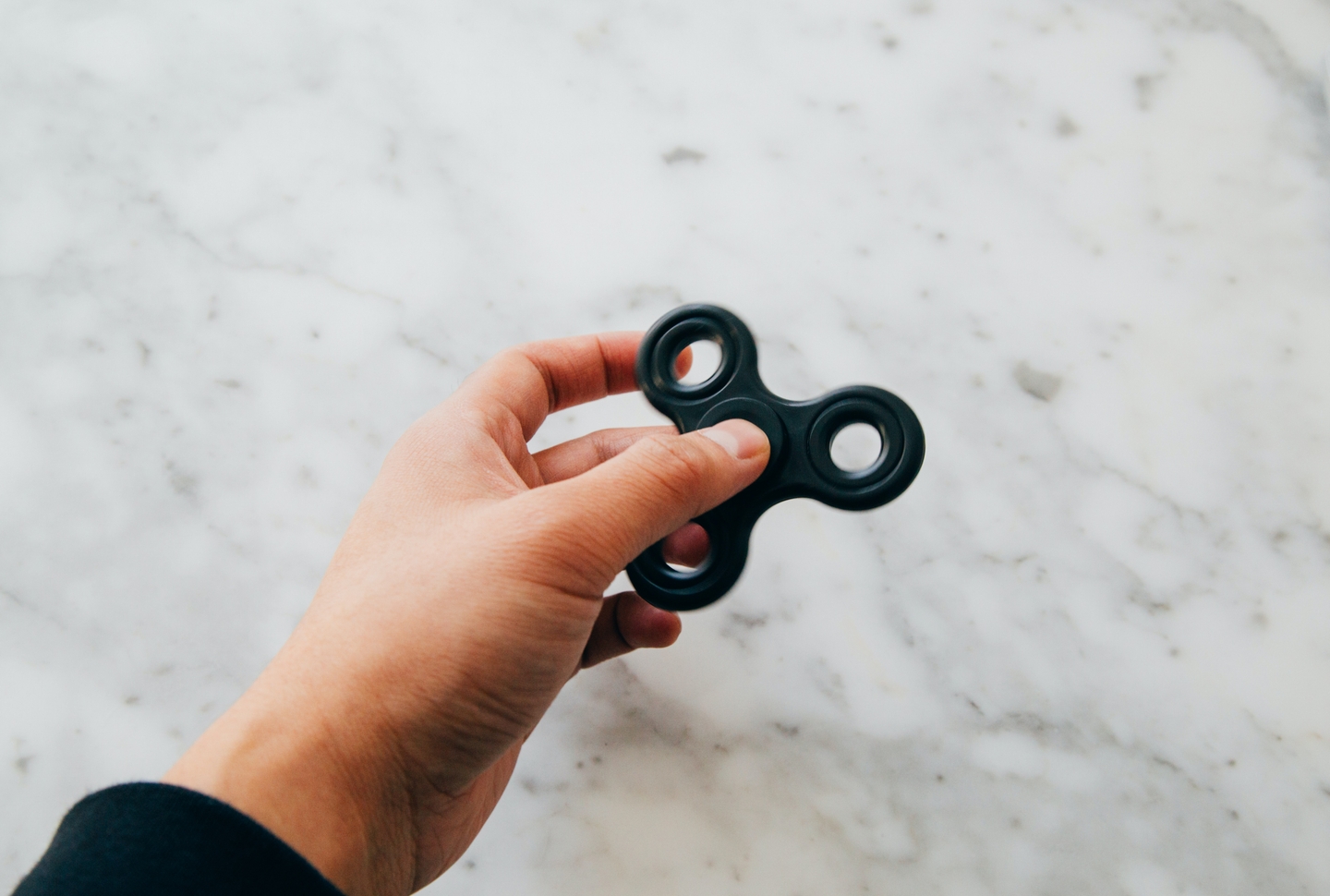
Since Hettinger didn't own the patent and didn't produce the toys herself, she was left with no way to profit from the fidget spinner fad, which resulted in the sale of millions of toys worldwide.
advertisement
Despite not being able to profit from the trend and having financial difficulties herself, Catherine told The Guardian in 2017 that she was "pleased" that others were loving the thing she had made.
She acknowledged that most inventions just weren't profitable, but she had a sneaking suspicion that things might have been very different if someone had backed her all those years earlier.
advertisement
The irony of Catherine Hettinger's situation was glaring. Though she was the visionary behind the fidget spinner, she did not possess the patent or produce the toys herself.
The fidget spinner's remarkable journey from conception to global sensation is a testament to the unpredictable nature of innovation and success.
Catherine Hettinger's invention, born out of a desire to provide a simple tool for relaxation and focus, touched the lives of millions, yet she herself remained in the shadows of its success.