Cutting edge sounds emerged as new genres, such as New Wave, Glam Rock and Synth Pop took over the airwaves. The birth of MTV also helped propel many new young stars into the stratosphere, and artists from all walks of life, including many women, took the music world stage.
advertisement
Cyndi Lauper
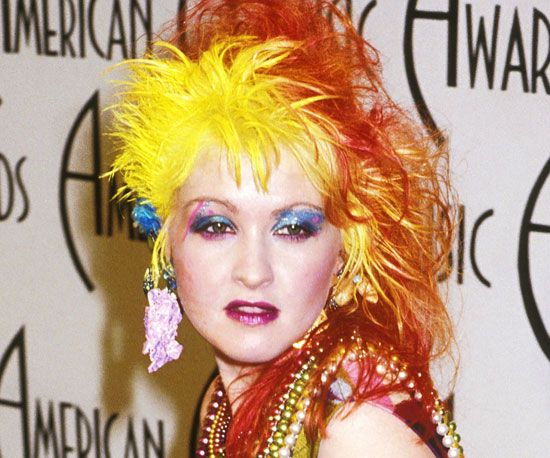
Cyndi Lauper was a quintessential 1980s female vocalist with classic hits like "True Colors," "Time After Time" and " Girls Just Want to Have Fun." Her characteristic raspy voice made her stand out from the other female vocalists and gave her synth pop hits a feel all their own.
Chrissie Hynde
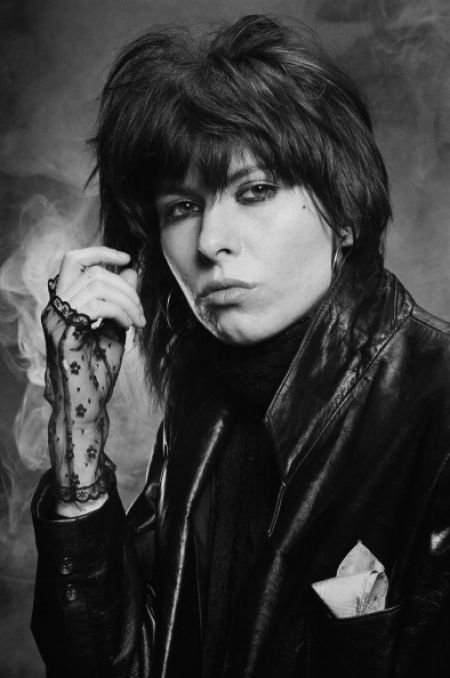
After spending much of the '70s trying unsuccessfully to form or permanently join a band, Chrissie Hynde finally got her demo tape to a record label owner whose backing enabled her to put together the The Pretenders. On the strength their self-titled debut album in 1979, the band rode rock's new wave movement through the '80s, succeeding in spite of internal conflict and numerous personnel changes.
advertisement
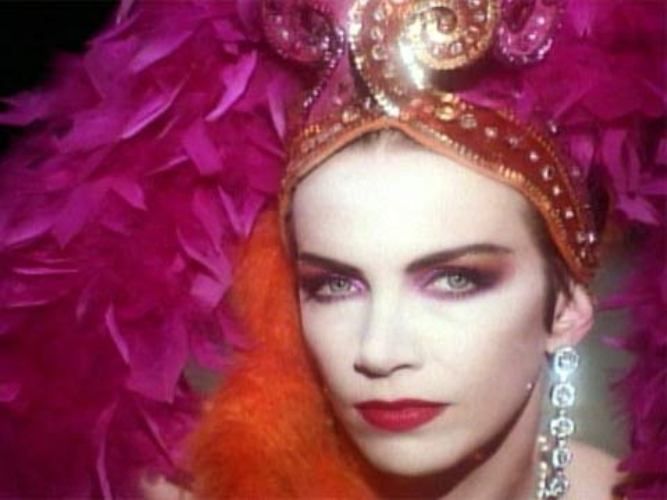
Annie Lennox of Eurythmics
The British duo of Annie Lennox and Dave Stewart may seem upon first glance to be a strictly pop outfit. Lennox's orange hair and memorably androgynous image combined with layers of keyboards could easily lead observers to that conclusion. However, massive hits "Sweet Dreams (Are Made of This)" and "Here Comes the Rain Again" boast a rock music fullness even without the customary guitars common to that genre. And by the time "Would I Lie to You?" and "Missionary Man" emerged as successful singles circa 1985-1986, powerful rock music cues had clearly begun to infiltrate the duo's music, adding yet more muscle to Lennox's already singularly soulful yet edgy vocals. These latter tunes, in fact, stand as '80s mainstream rock classic hits
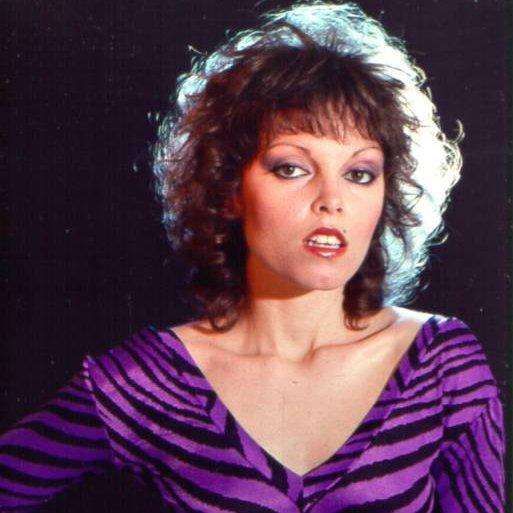
Pat Benatar
Aside from growing into a decade-long fashion and culture icon, Pat Benatar made a series of genuine mainstream rock albums that successfully spanned the styles of hard rock, new wave and pop. Her influence on the future of female-produced rock music is undeniable, but she also managed her feats with femininity intact. Equally adept as an interpreter and songwriter, Benatar proved the existence of a rich market for music that explored the feisty, demanding and forceful elements of the late 20th Century woman. Early full-tilt rockers like "Hit Me With Your Best Shot" and "Treat Me Right" may have eventually melted into more pop-friendly tunes like "Shadows of the Night" and "We Belong," but Benatar has never lost her convincing rock punch.
advertisement
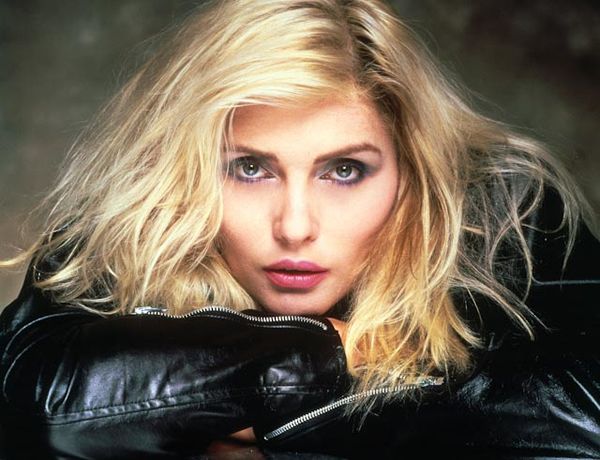
Debbie Harry
Debbie Harry was co-founder and lead singer of the band Blondie. Blondie had a distinguished, yet classic 1980s feel to them with a new wave foundation and punk undertones. Although the band is credited with several massive hits including "One Way or Another," "Call Me" and "Heart of Glass," Debbie Harry was a star in her own right, releasing several solo albums which broke onto the Billboard Top 100 charts.
advertisement
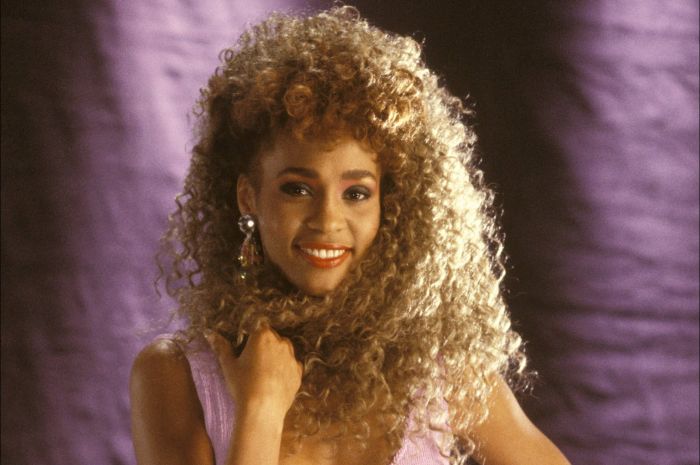
Whitney Houston
One of the top selling artists of all time, according to RIAA (Recording Industry Association of America), Whitney Houston has been regarded as one of the most talented pop vocalists in history. Although her career soared throughout the 1990s, it was her debut album "Whitney Houston" released in 1985 that put her on the map. The following year, the record was dubbed "Best Album of the Year" by "Rolling Stone" and she received a Grammy for her single "Saving All My Love For You."
advertisement
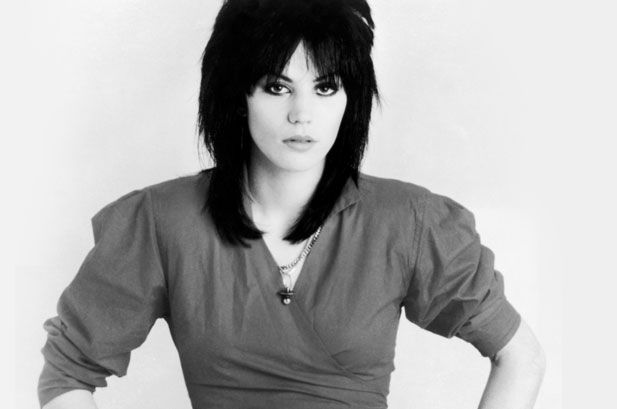
Joan Jett
After success in the mid '70s with one of the first all-female rock bands, The Runaways, Joan Jett went on to even greater success with her own band, The Blackhearts. Their first album, I Love Rock 'n' Roll in 1981 became an immediate hit. In addition to her talent as a vocalist, Jett has distinguished herself as a guitarist, songwriter and producer.
advertisement
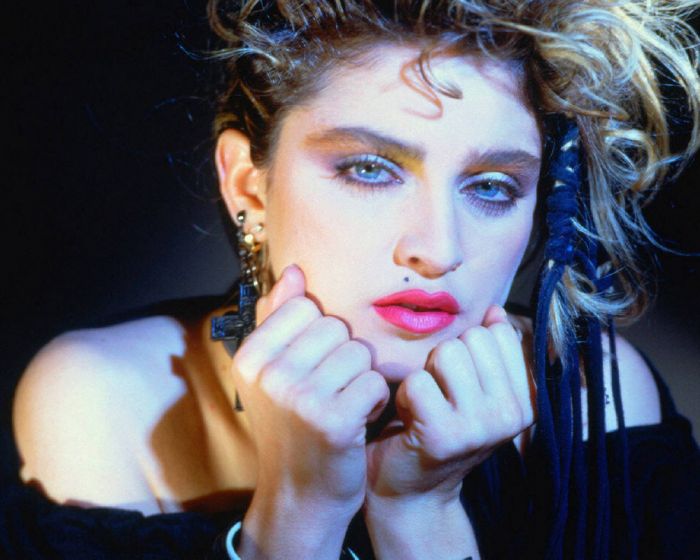
Madonna
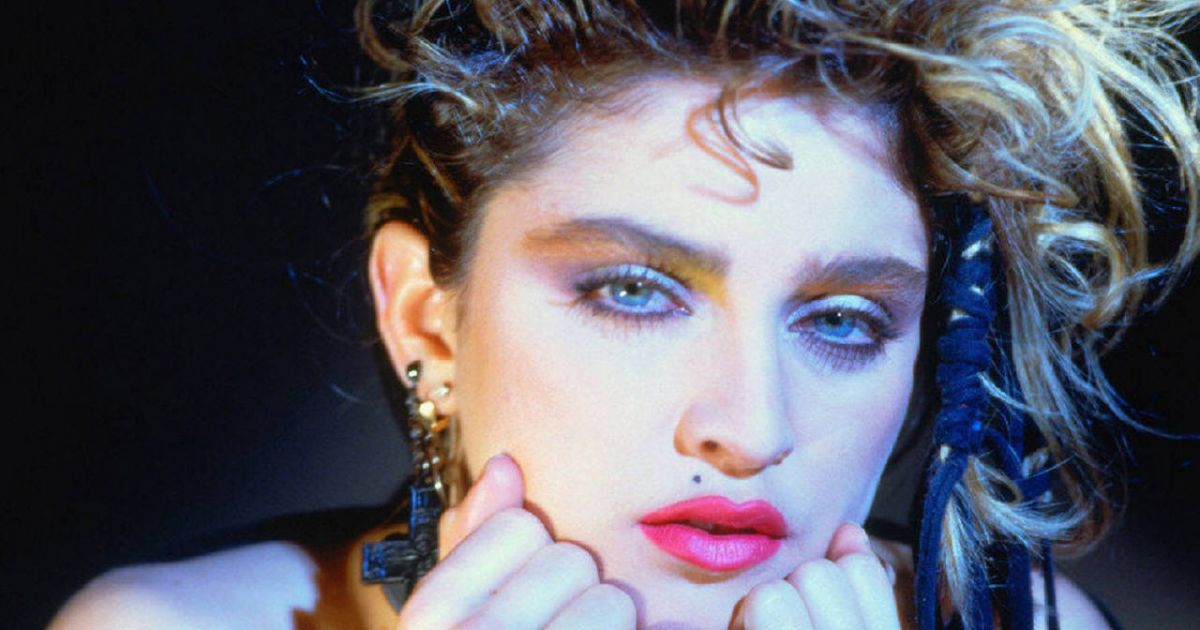
Madonna was arguably the biggest female star of the 1980s. She didn't just sell records, she incited fashion trends and pushed the boundaries of was was acceptable in regards to female sexuality. Her not so subtle innuendo in the hit song "Like a Prayer" put her on the map as an edgy, sexually aggressive woman. But more than that, she was a hit maker, selling over 64 million RIAA certified units as of January 2011. Regardless of your thoughts on her controversy or music, it's safe to say that the 1980s wouldn't have been the same without Madonna.
advertisement
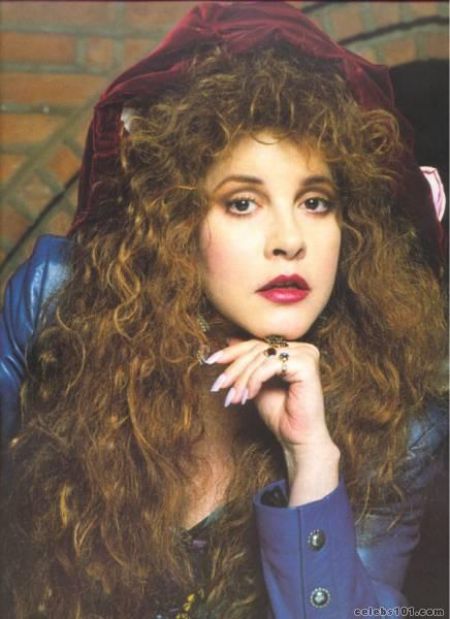
Stevie Nicks
As already the most visible female member of '70s rock kingpins Fleetwood Mac, Nicks was well-positioned to become a bona fide solo rock star during the '80s. Her output generally didn't disappoint those with high expectations, even if Nicks' personal life and the status of her band began to show signs of wear and tear. Especially regarding efforts from the decade's first half such as "Edge of Seventeen," "Stand Back," and "Talk to Me," Nicks put forth a forceful rock sound in both her raspy, recognizable vocals and her solid rock arrangements. And although Nicks most certainly qualifies as a pop star, there have always been other descriptions that keep her from falling into bubblegum territory.
advertisement
Tina Turner
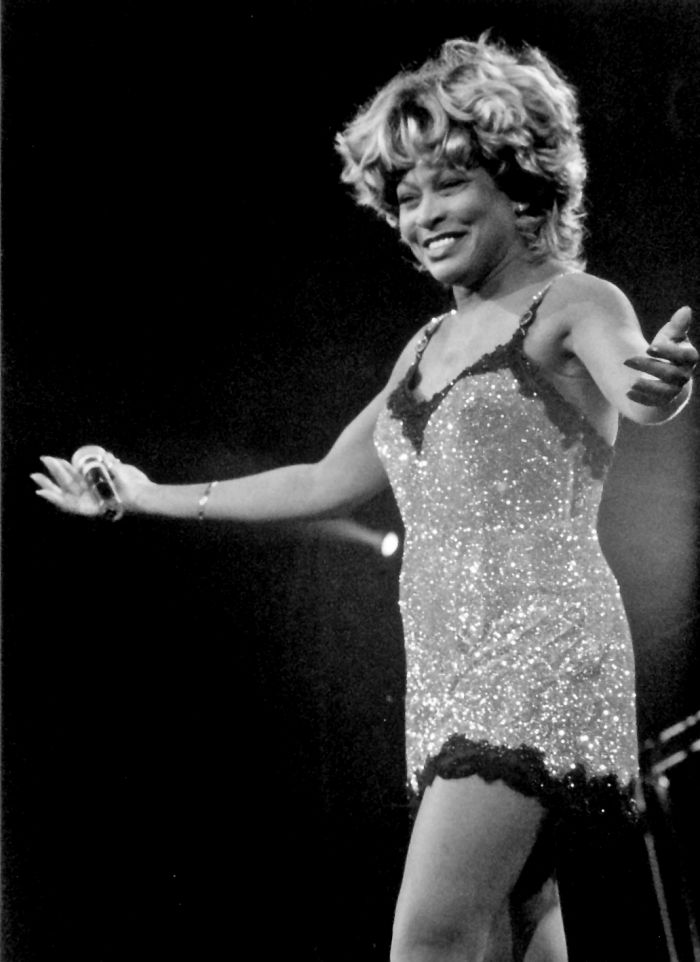
Though she began her career strictly as an R&B/soul/funk singer and performer, Tina Turner re-emerged for the '80s as a bona fide rock artist. 1984's Private Dancer became a smash hit on the strength of three Top 10 pop singles, one of which - the broadly appealing mid-tempo "Better Be Good to Me" - fully embraced an atypical mainstream rock sound for an African-American artist of the period. In her mid-forties, Turner was unquestionably sexy not only through her physical appearance but also her stage confidence and versatility. "We Don't Need Another Hero" and "The Best" also became major solo pop hits later in the decade, and Turner's affinity for rock extended into a successful duet with Bryan Adams on the guitar-fueled "It's Only Love."