Stonefish
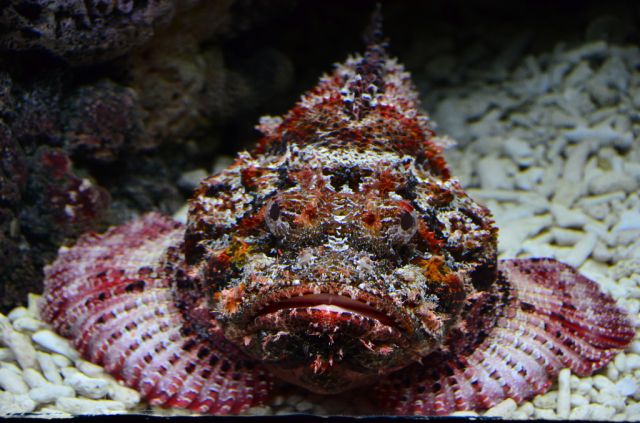
Synanceia is a genus of fish of the family Synanceiidae, the stonefishes, whose members are venomous, dangerous, and even fatal to humans. It is one of the most venomous fish currently known in the world.They are found in the coastal regions of the Indo-Pacific.
Lying camouflaged on the ocean floor, this ugly little mass of destruction calmly waits for other fish to swim by before opening its jaws with lightning speed and consuming its preyall in less than .015 seconds. Stepping on its spines will at best cost you your leg and at worst, your life.
Death Stalker
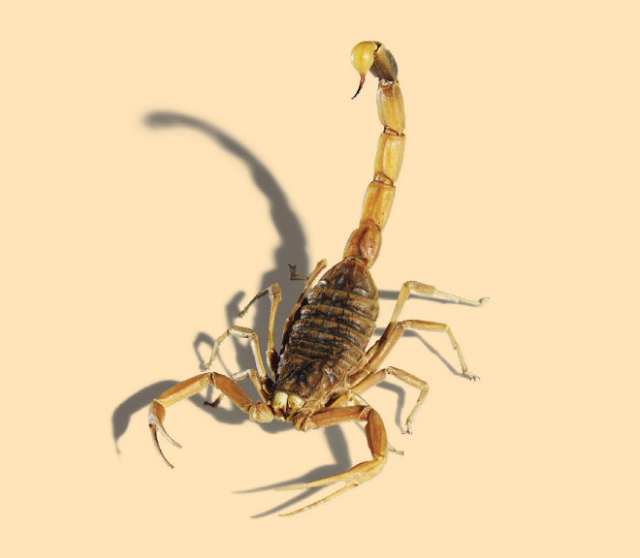
The death stalker is regarded as the most dangerous species of
scorpion. Its venom is a powerful mixture of neurotoxins, with a low lethal dose. While a sting from this scorpion is extraordinarily painful, it normally would not kill a healthy adult human. However, young children, the elderly, or informed (such as those with a heart condition and those who are allergic) would be at a much greater risk.
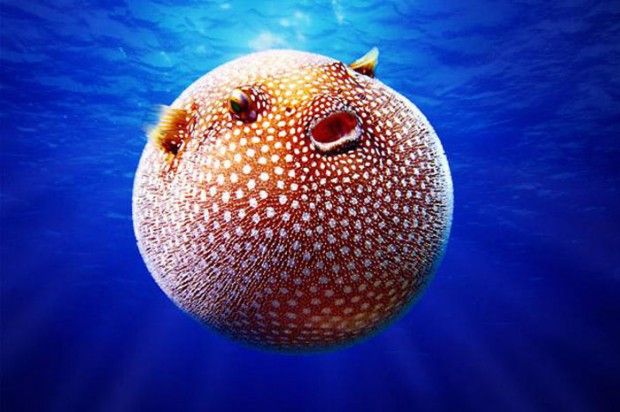
Puffer Fish
Biologists think pufferfish, also known as blowfish, developed their famous "inflatability" because their slow, somewhat clumsy swimming style makes them vulnerable to predators. In lieu of escape, pufferfish use their highly elastic stomachs and the ability to quickly ingest huge amounts of water (and even air when necessary) to turn themselves into a virtually inedible ball several times their normal size. Some species also have spines on their skin to make them even less palatable.
A predator that manages to snag a puffer before it inflates won't feel lucky for long. Almost all pufferfish contain tetrodotoxin, a substance that makes them foul tasting and often lethal to fish. To humans, tetrodotoxin is deadly, up to 1,200 times more poisonous than cyanide. There is enough toxin in one pufferfish to kill 30 adult humans, and there is no known antidote.
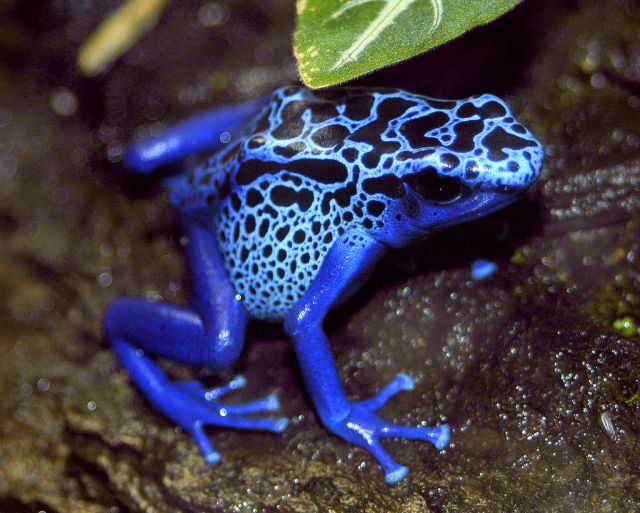
Poison Dart Frog
These little frogs are easily recognized by their blue color, which is generally darker on the limbs and belly and overlaid with black spots or patches, especially on the head and back.
As their name implies, poison dart frogs can release toxins from the skin that are distasteful and potentially lethal to would-be predators.
Blue poison dart frogs are active during the day and can be found hiding among boulders and debris near streams and among leaf litter on the forest floor; however, they lack toe webbing and are poor swimmers, so they are not found in the water.
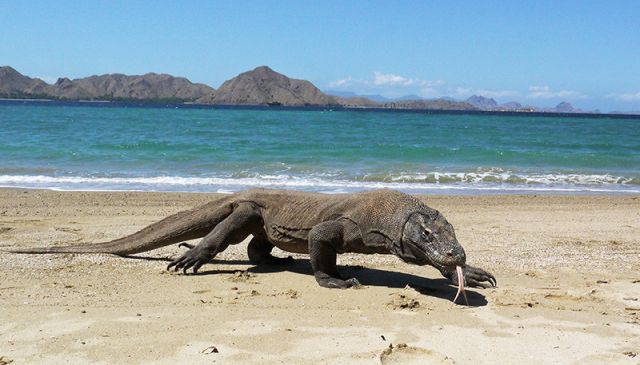
Komodo Dragon
As the dominant predators on the handful of islands they inhabit, they will eat almost anything, including carrion, deer, pigs, smaller dragons, and even large water buffalo and humans. When hunting, Komodo dragons rely on camouflage and patience, lying in wait for passing prey. When a victim ambles by, the dragon springs, using its powerful legs, sharp claws and serrated, shark-like teeth to eviscerate its prey.
Animals that escape the jaws of a Komodo will only feel lucky briefly. Dragon saliva teems with over 50 strains of bacteria, and within 24 hours, the stricken creature usually dies of blood poisoning. Dragons calmly follow an escapee for miles as the bacteria takes effect, using their keen sense of smell to hone in on the corpse. A dragon can eat a whopping 80 percent of its body weight in a single feeding.
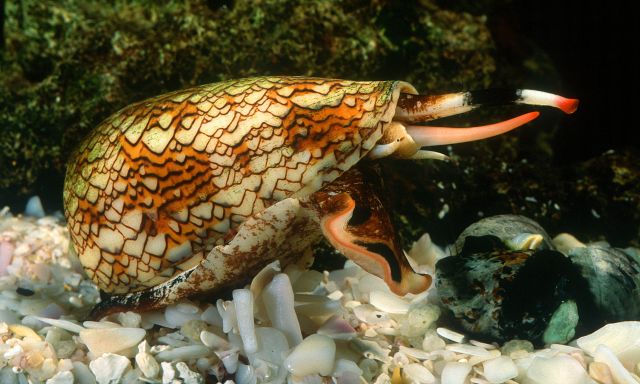
Cone snail
Cone snail venom can act in seconds to paralyze its prey. Cone snails are able to make hundreds of toxins, rather than just one. Even within species we have found different toxin production. One drop of venom from this little bugger is enough to end 20 human lives. Sometimes colloquially known as the "cigarette snail," it has been said that when you are stung by this creature, you'll have just about enough time to smoke a cigarette before you stop breathing. It's not like it matters anyway thoughthere is no anti venom.
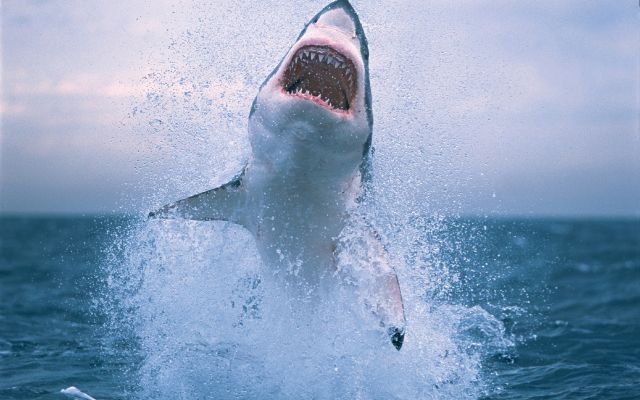
Great White Shark
Highly adapted predators, their mouths are lined with up to 300 serrated, triangular teeth arranged in several rows, and they have an exceptional sense of smell to detect prey. They even have organs that can sense the tiny electromagnetic fields generated by animals. Their main prey items include sea lions, seals, small toothed whales, and even sea turtles, and carrion.
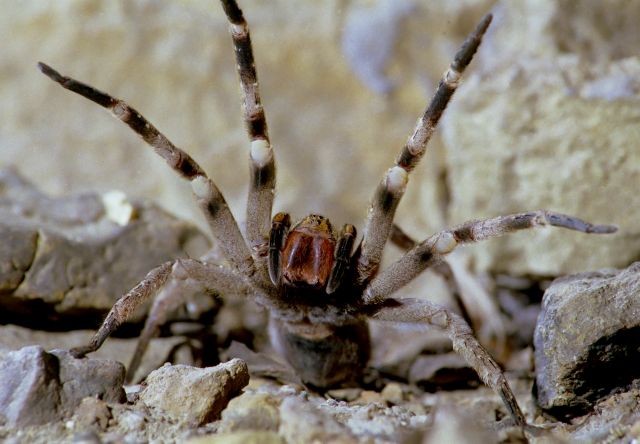
The Brazilian Wandering Spider
The Brazilian Wandering Spider (Phoneutria fera) is an aggressive and highly venomous spider. It was first discovered in Brazil hence its name. However, this genus is known to exist elsewhere in South and Central America.
The Brazilian Wandering spider is a member of the Ctenidae family of wandering spiders.
The Brazilian Wandering spider appeared in the Guinness Book of World Records 2007 for being the most venomous animal.
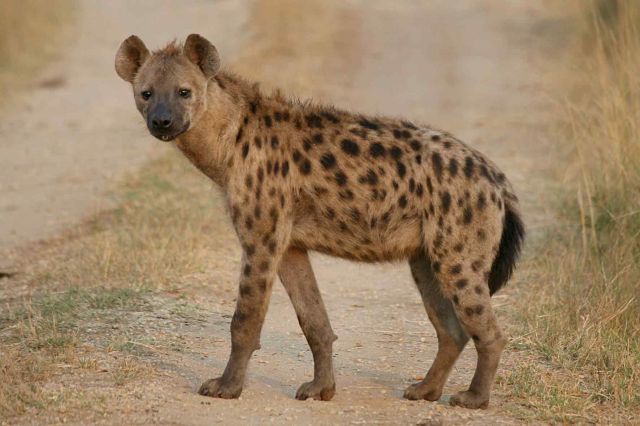
Hyena
Spotted hyenas are famed scavengers and often dine on the leftovers of other predators. But these hardy beasts are also skilled hunters that will take down wildebeest or antelope. They also kill and eat birds, lizards, snakes, and insects.
In an increasingly overpopulated Africa, hyenas and humans come into frequent contact. In fact, the Maasai people of Kenya and Tanzania actually leave their dead to be consumed by hyenas. However, these intelligent and bold animals will raid food stores and crops and are blamed for many livestock and even some human deaths. In some areas they have been heavily hunted as destructive pests.
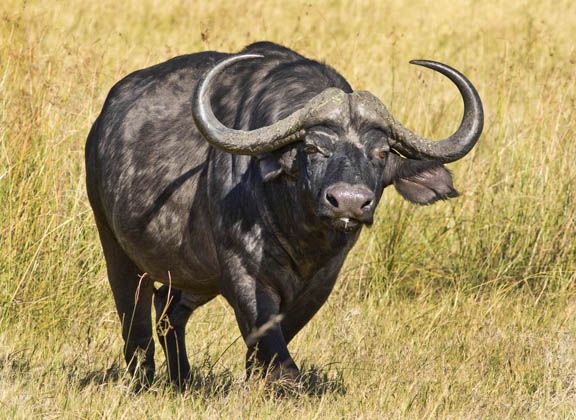
The African Buffalo
The African buffalo is not an ancestor of domestic cattle, and is only distantly related to other larger bovines. Owing to its unpredictable nature, which makes it highly dangerous to humans, the African buffalo has never been domesticated unlike its Asian counterpart, the water buffalo. Other than humans, African Cape buffaloes have few predators aside from lions and are capable of defending themselves.
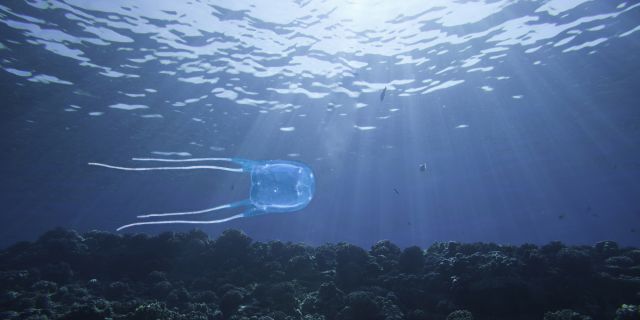
Blue Box Fish
The infamous box jellyfish developed its frighteningly powerful venom to instantly stun or kill prey, like fish and shrimp, so their struggle to escape wouldn't damage its delicate tentacles. Their venom is considered to be among the most deadly in the world, containing toxins that attack the heart, nervous system, and skin cells. It is so overpoweringly painful, human victims have been known to go into shock and drown or die of heart failure before even reaching shore. Survivors can experience considerable pain for weeks and often have significant scarring where the tentacles made contact.
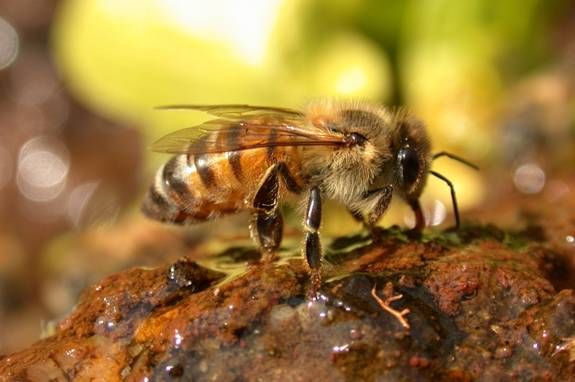
Africanized Honey Bee
Africanized honey bees (also spelled Africanised honey bees), known colloquially as "killer bees", are a hybrid of the Western honey bee species, (Apis mellifera), produced originally by cross-breeding of the African honey bee (A. m. scutellata), with various European honey bees such as the Italian bee A. m. ligustica and the Iberian bee A. m. iberiensis.
The African honey bee was first introduced to Brazil in the 1950s in an effort to increase honey production; but, in 1957, 26 swarms accidentally escaped quarantine and, since then, have spread throughout South and Central America and arrived in North America in 1985.
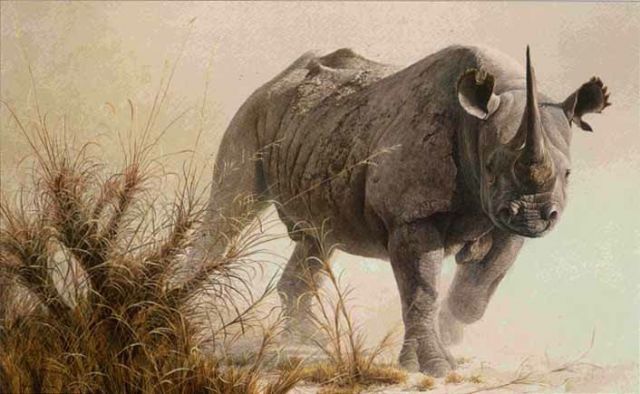
Rhinoceros
Rhinos are such formidable creatures, they don't typically have to prove how dangerous they are: they look the part enough to keep most predators away. In some cases, a calf away from her mother may be preyed upon by lions, but the mother won't tolerate their presence if she's around. Despite how dangerous these animals are, they are still endangered, and in large part because of human poaching. Rhino related deaths are not an uncommon occurrence in many parts of the world. Having terrible eyesight, they are easy to startle and once they have you in their sights it can be hard to make an escape (unless you can run faster than 40 mph). See the horn? Enough said.
Polar Bear
Unlike grizzly bears, polar bears are not territorial. Although stereotyped as being voraciously aggressive, they are normally cautious in confrontations, hungry polar bears are extremely unpredictable, fearless towards people and are known to kill and sometimes eat humans.

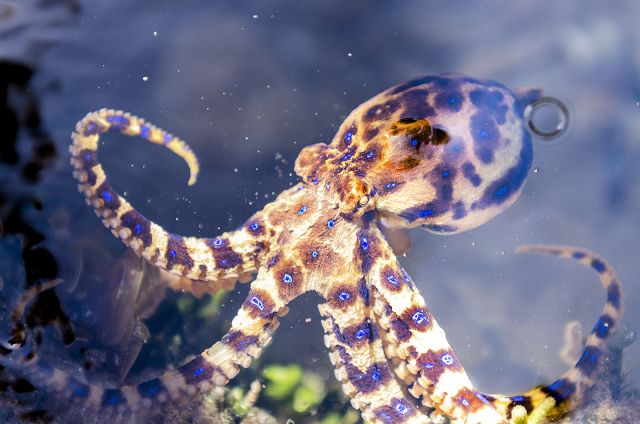
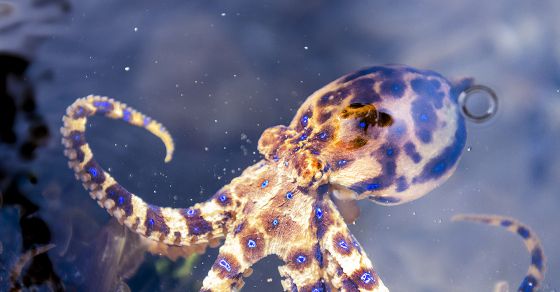
Blue Ringed Octopus
Blue-ringed octopuses are among the deadliest animals in the sea. Throughout their range in Australia and the eastern Indo-Pacific, several humans suffer bites each year. Unfortunately, some of these are fatal. In Australia where blue-rings occur in shallow coastal waters and can be relatively common in areas frequented by beach-goers, there have been dozens of reported bites and several deaths. Typically, the victim is unaware of the danger and either picks up the innocuous looking octopus or inadvertently contacts it. The bite is slight and produces at most only a small laceration with no more than a tiny drop of blood and little or no discoloration. Bites are usually reported as being painless. Often the victim doesn't even know that he had been bitten. This can make it difficult for emergency and medical personnel to determine the cause of a patient's distress. In fact, there is some question as to whether the octopus even needs to bite to envenomate a human. In cases with prolonged contact, the venom might pass directly through the skin. While most severe envenomations appear to involve bites, I can report developing mild local neurological symptoms after immersing my hand in sea water in which a large blue-ring had been shipped.