

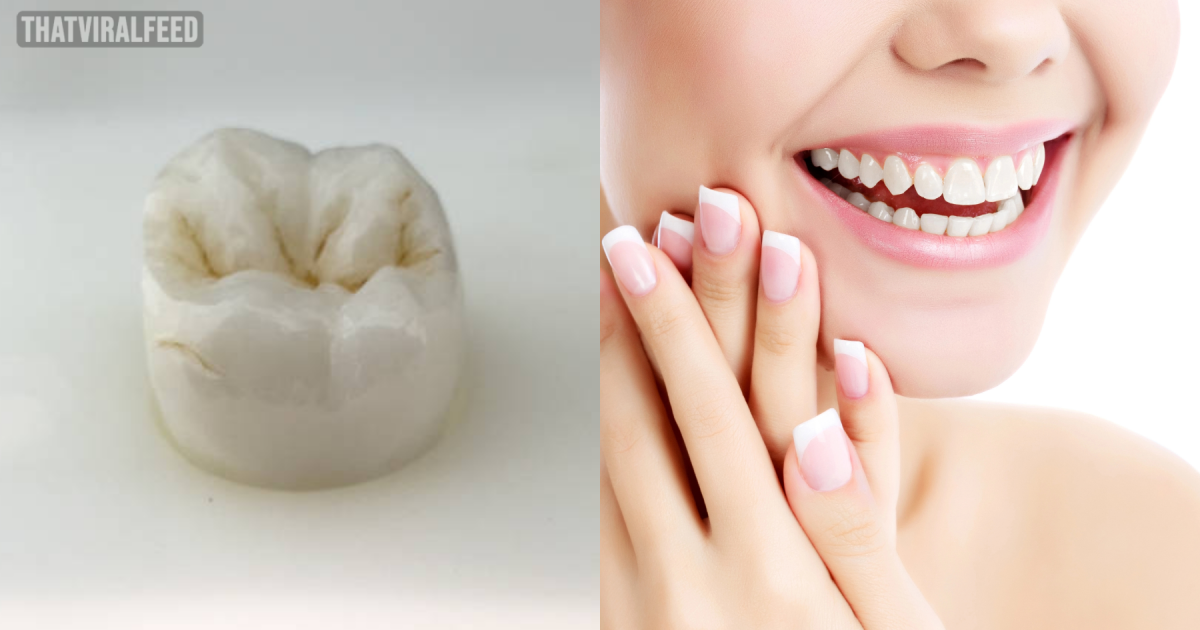
The human trial for the breakthrough drug is taking place in September.
advertisement
In a major development, the world's first medication designed to regrow human teeth has received approval to begin human trials later this year.
The human body has approximately 206 bones, which are known for their resilience.
Should these bones break, they possess a remarkable ability to heal themselves, allowing us to resume our daily activities.
Teeth, however, are a different story. Although they share many of the same components as bones, they unfortunately do not have the capability to regrow or repair themselves in the same manner.
The drug is going to human trials this year.
Getty Stock Photo
Therefore, if you've ever suffered damage to your teeth, it's likely that the result was an extraction.
advertisement
This process is notably painful and, importantly, results in the permanent loss of the tooth.
However, this situation may soon be a thing of the past, thanks to the development of this groundbreaking drug that can potentially regenerate human teeth.
This experimental drug, created by a team of Japanese researchers, is scheduled to start human trials in September.
The trials will involve adults who are missing at least one molar.
advertisement
Katsu Takahashi, who is the head of dentistry at the medical research institute at Kitano Hospital and is overseeing the project, made a statement:
"We want to do something to help those who are suffering from tooth loss or absence.
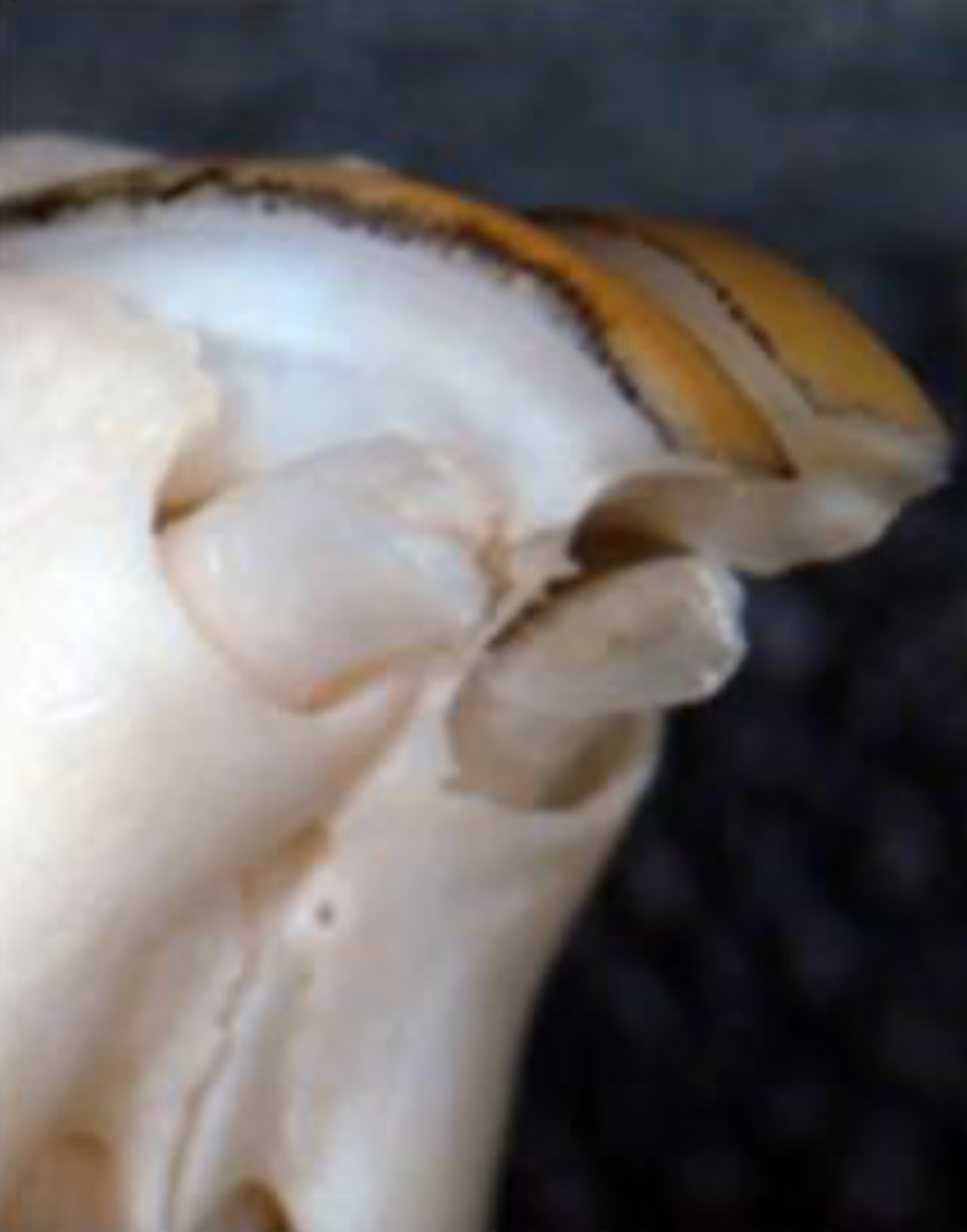
The revolutionary drug has had a major breakthrough.
Kyoto University/Katsu Takahashi
"While there has been no treatment to date providing a permanent cure, we feel that people's expectations for tooth growth are high."
advertisement
The research team has based their study on a specific antibody known as Uterine sensitization-associated gene-1 (USAG-1).
This antibody has been observed to block tooth growth in both ferrets and mice.
advertisement
Of course, it remains uncertain whether the same effects will be observed in humans.
This uncertainty is precisely what the forthcoming human trials aim to determine.
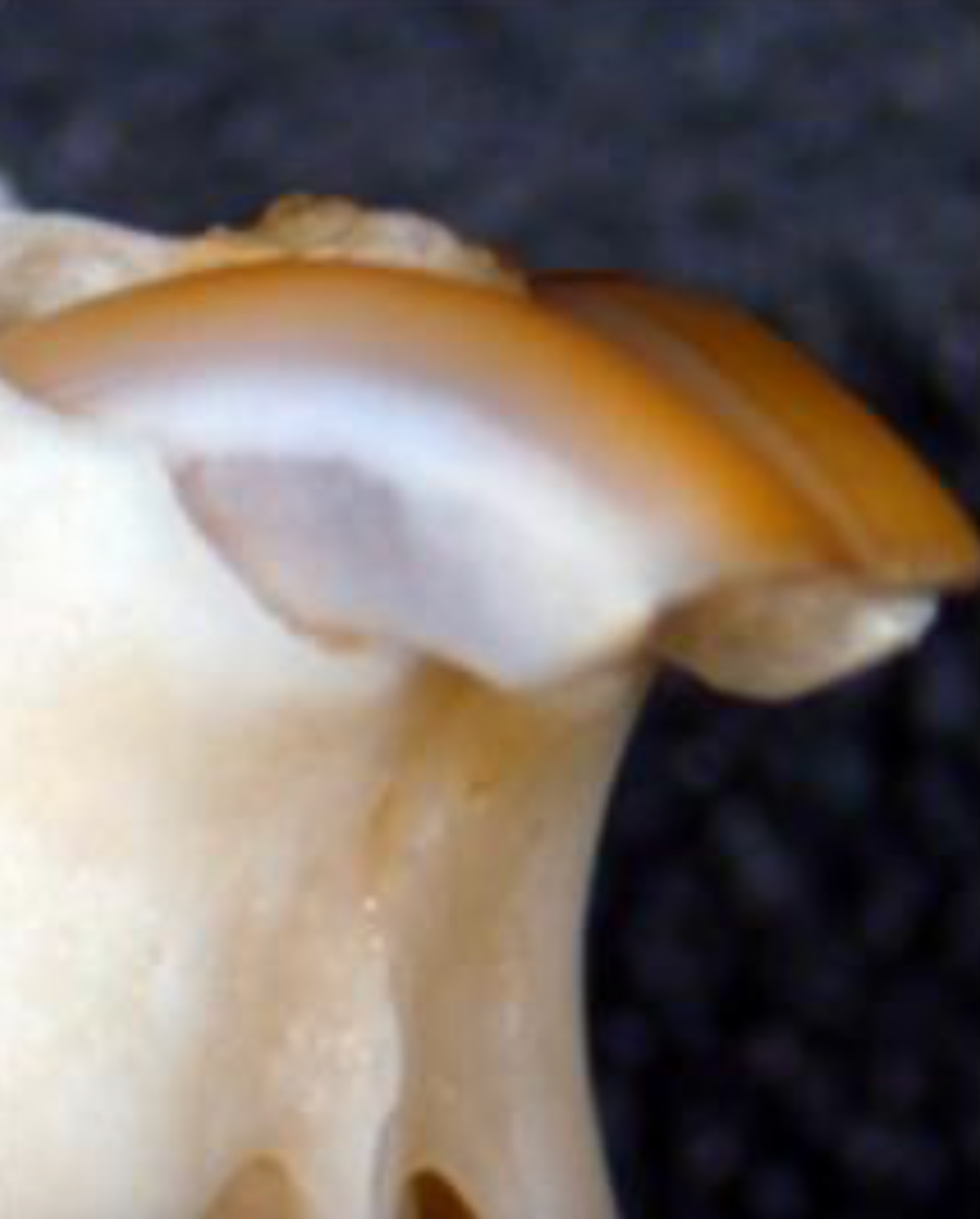
Broken teeth could soon be looking like this thanks to the drug.
Kyoto University/Katsu Takahashi
Takahashi, also a lead author of the study, explained further:
advertisement
"The morphogenesis of individual teeth depends on the interactions of several molecules including BMP, or bone morphogenetic protein, and Wnt signalling.
"We knew that suppressing USAG-1 benefits tooth growth. What we did not know was whether it would be enough."
advertisement
He added: "Ferrets are diphyodont animals with similar dental patterns to humans.
"Our next plan is to test the antibodies on other animals such as pigs and dogs."
advertisement
Manabu Sugai from the University of Fukui and another author of the 2021 study also commented:
"Conventional tissue engineering is not suitable for tooth regeneration.
advertisement
"Our study shows that cell-free molecular therapy is effective for a wide range of congenital tooth agenesis."
With only a few months left until the trials begin, anticipation is building for what could be a revolutionary breakthrough in dental medicine.