
There’s a lot about modern life we take for granted. When was the last time you gave thanks that your dentist doesn’t think you have worms in your teeth? Or for being able to go to the bathroom indoors?
advertisement
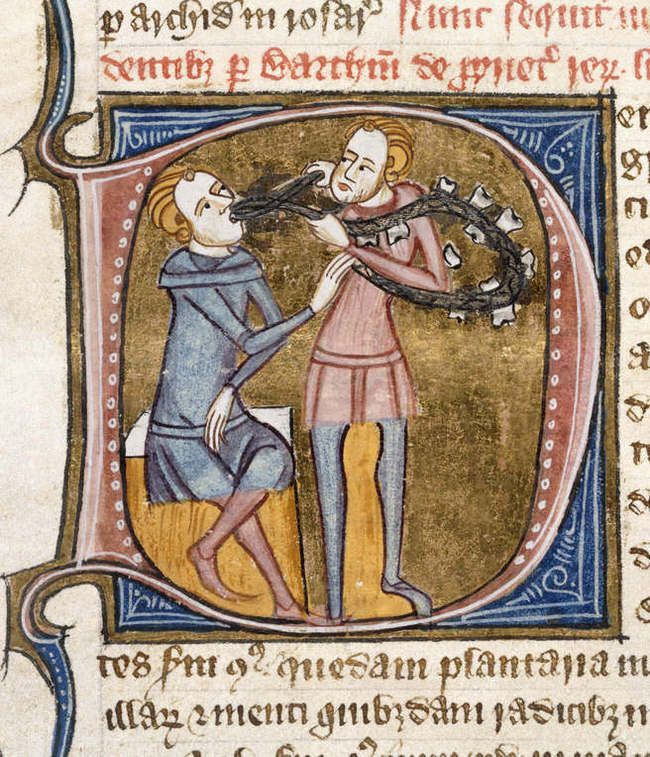
#1 Your Barber Was Your Doctor And Your Dentist
During the Middle Ages, dentists, doctors and barbers were all the same person. And since there was no anesthetic and medical understanding was crude, you could expect a horrifying time.
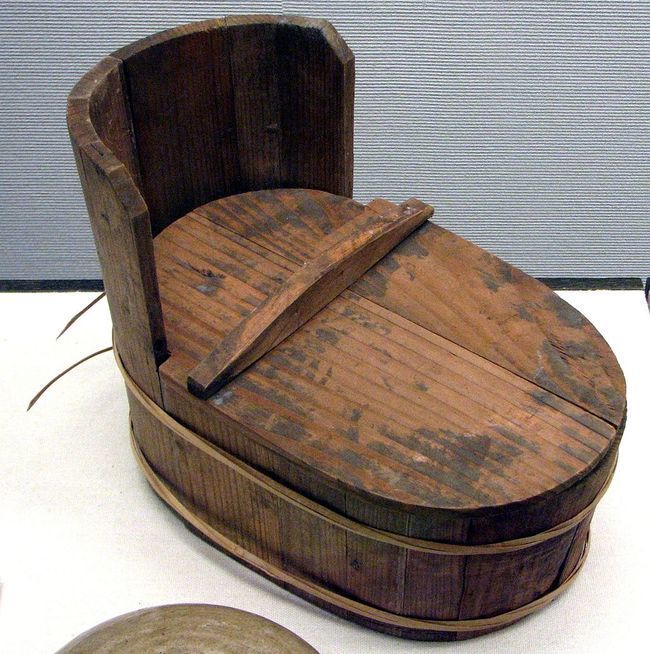
#2 Bedpans Weren’t Just For Hospitals
Bedpans, also called chamber pots, were used in the home. They were kept underneath the bed, to use during the night, when you had to go and didn't want to leave your castle and risk being eaten by wolves.
advertisement
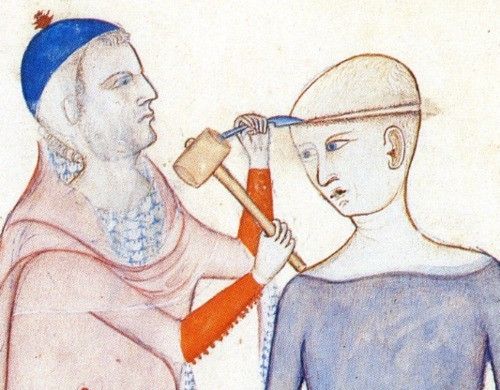
#3 Surgical Tools Were Not Sanitized
After crude surgical operations, a physician's implements were not washed or sanitized. Oftentimes, medical treatment created more suffering than the conditions it was meant to address.
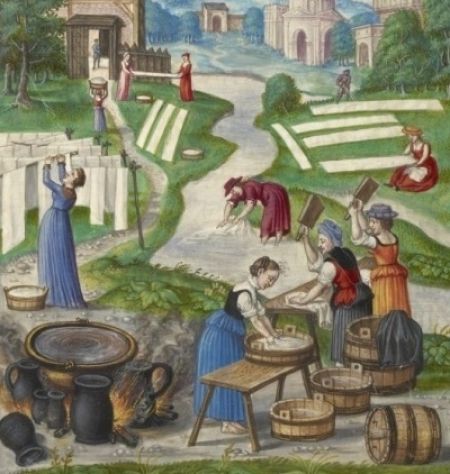
#4 Clothes Were Washed In Urine
During the not-often-enough occasion people washed their clothes, they often did so in a solution of urine and lye. Combined with rare personal bathing, this must have made for a pungent aroma.
advertisement
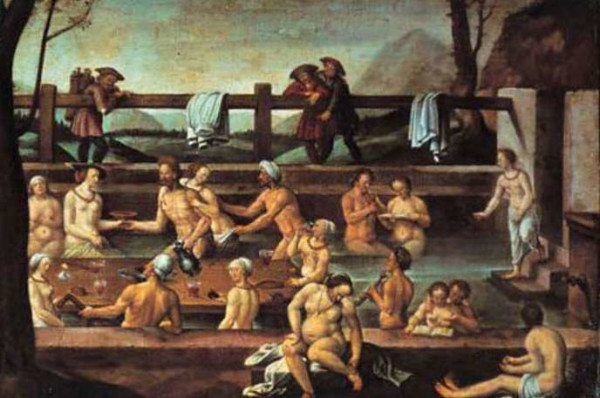
#5 People Took Communal Baths
It's a fairly recent innovation to find a shower or tub inside of private homes. People used to fully bathe themselves only occasionally, and when they did so, it was in public baths that had been shared by hundreds of other people.
advertisement
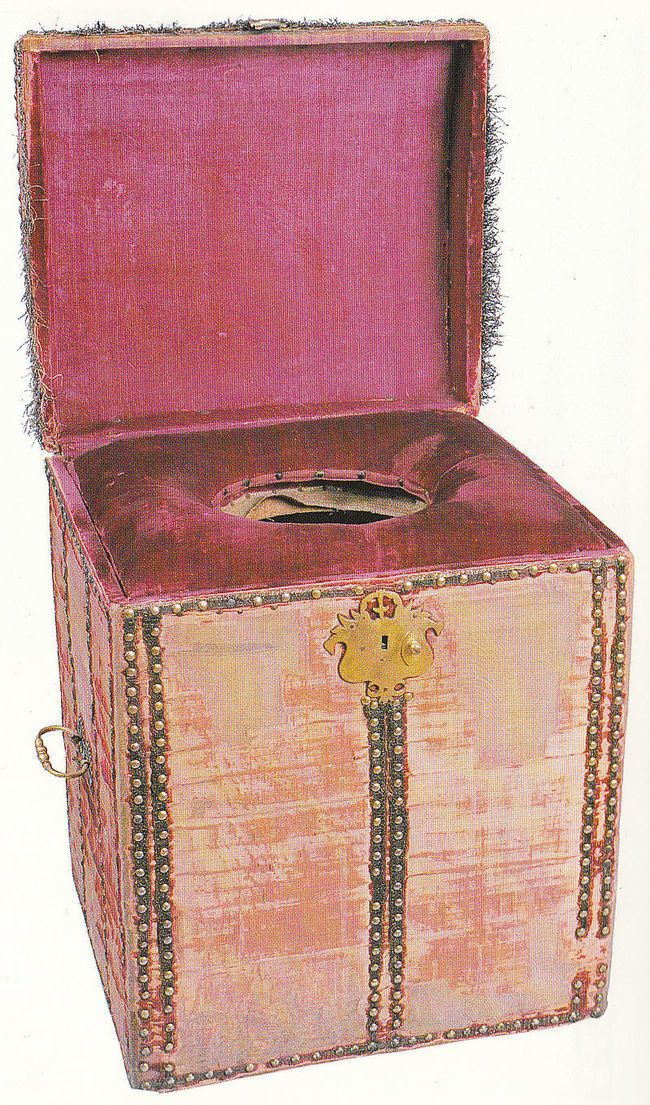
#6 The King Had A Personal Buttwiper
If you got extremely lucky, the King of England would appoint you as "Groom of the King's Close Stool." Your job was to carry around his portable toilet box and clean him afterwards. It was a coveted position, believe it or not.
advertisement
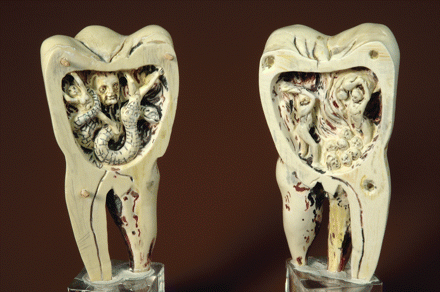
#7 Dentists Thought Toothaches Were Caused By Worms
If you complained of aching teeth in the 15th Century, a physician would fill your mouth with candle smoke to drive the nonexistent worms from within them.
advertisement
#8 Chicken Poo Was Used To Treat Baldness
When a man wanted to go a step beyond coarse, unconvincing wigs, they would rub potassium mixed with chicken dung onto their scalps. It didn't work.

advertisement
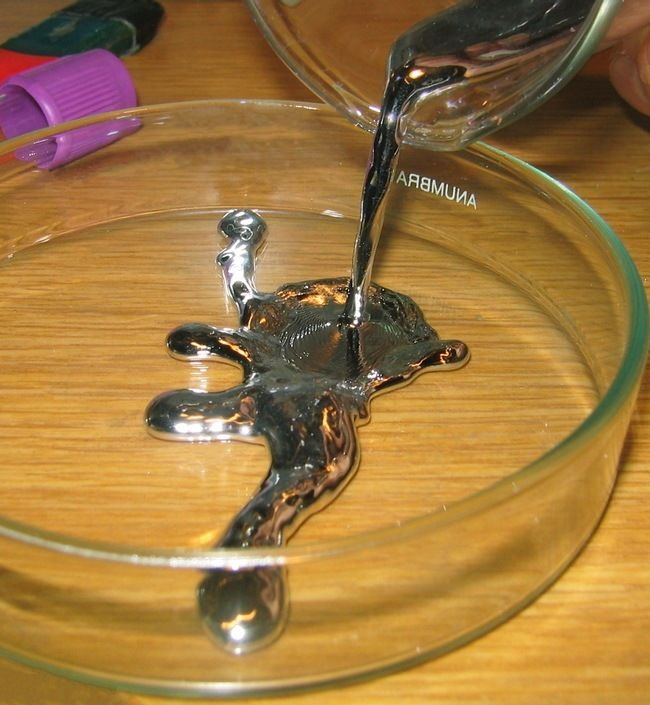
#9 Mercury Was Considered Medicine
Liquid mercury is extremely toxic. Before that was common knowledge, it was used as a medicine for a number of diseases, including sexually transmitted diseases.
advertisement
#10 Wigs Were Full Of Parasites
Periwigs, worn from the 16th through the 19th Centuries, tended to be full of parasites like lice. They don't seem quite so regal anymore.

advertisement
#11 Water Was Kept In Lead-Lined Chambers
When clean water was available, it was often stored in chambers that were lined with toxic lead. Lead poisoning is very serious and causes insanity, among other conditions.

advertisement
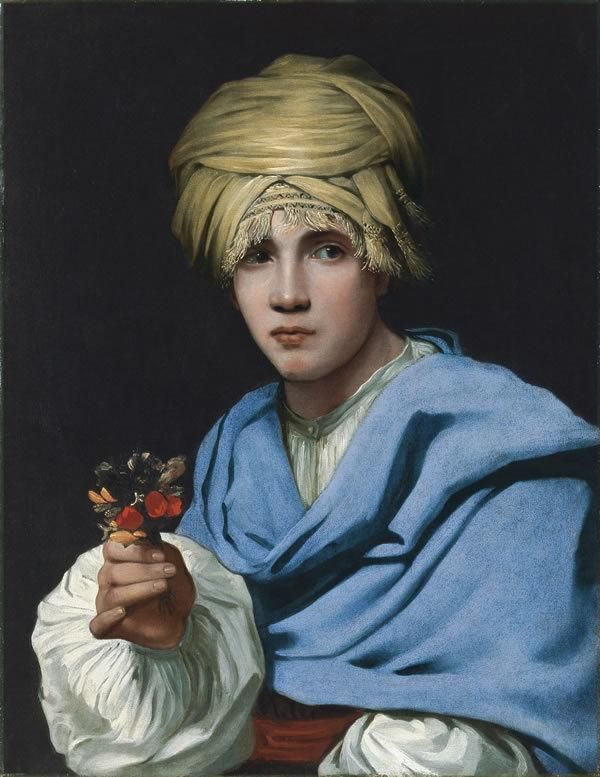
#12 People Smelled So Bad That You Had To Carry Around Flowers
Because hygiene was so atrocious, people would carry small bouquets of fragrant flowers called "nosegays" to mask the stench when things got too pungent.
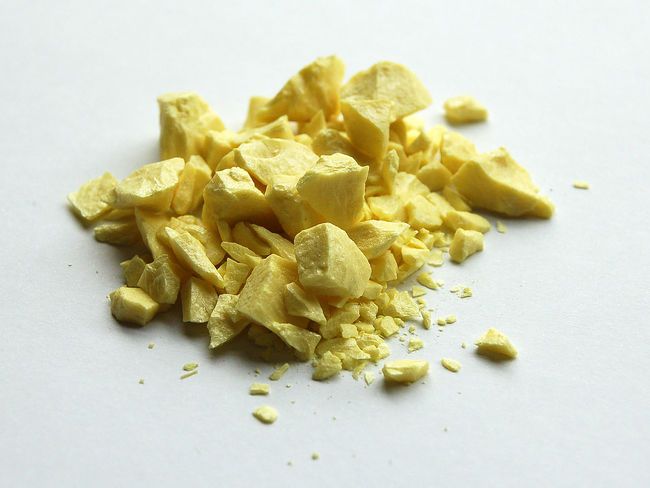
#13 Sulphur Was Used To Remove Freckles
Hard to imagine, but freckles used to be considered a horrible disfigurement. Some people rubbed sulphur on their skin every day to diminish their visibility.
advertisement
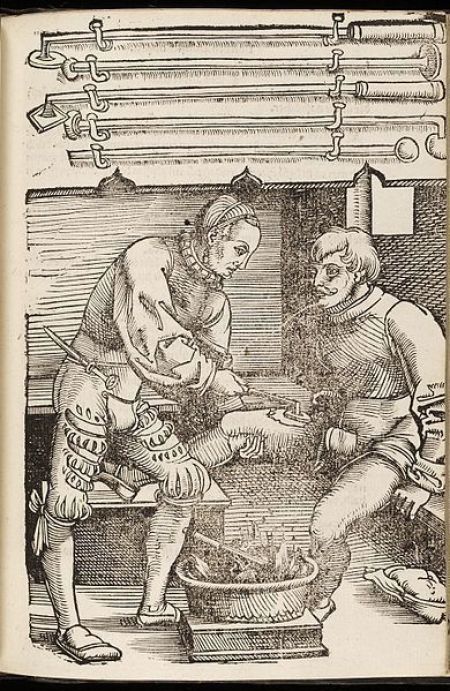
#14 Hot Pokers Were Used To Cauterize Wounds
If you came to a physician with a serious wound, chances are they would cauterize it shut with a burning hot poker.
#15 People Rarely Changed Their Clothes
Oftentimes, people would go for many days without changing their clothes. King James VI of Scotland, pictured above, wore the same clothes for months at a stretch.

advertisement
#16 Cesspits Were Common
Human waste tended to just be thrown into open holes in the ground and left to fester, which led to the spread of infectious diseases.

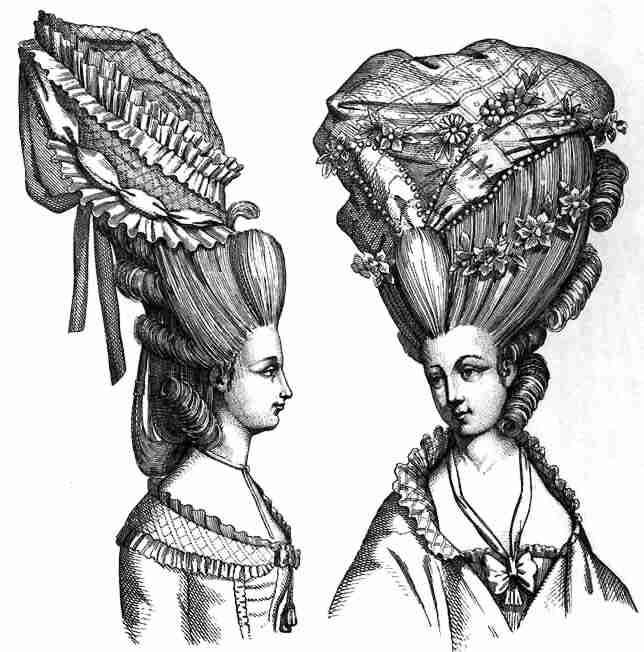
#17 Wigs Were Extremely Flammable
Wigs were shaped with animal fats, making them both disgusting and very likely to catch fire if exposed to candle flame.
advertisement
#18 People Washed Their Faces With Urine
It was common for people, especially noblewomen, to apply daily washes of urine to their faces. It was believed that it was antiseptic and led to a clear complexion.
Hot Pokers Wer

#19 Toilets Were Rarely Emptied
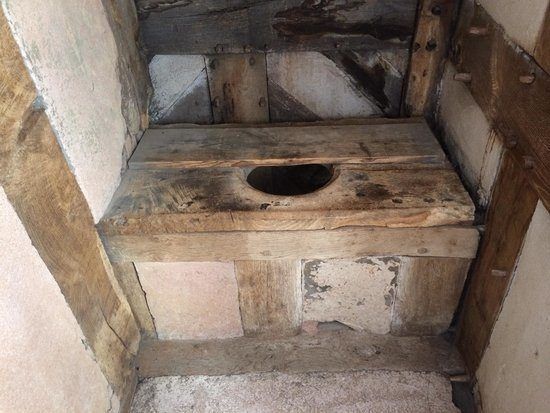
This Tudor-era toilet was almost never cleaned or emptied, leading to the spread of disease and a generally horrible smell.
advertisement
#20 Pee Was Used As An Antiseptic
During the Victorian era, physicians used two main fluids as antiseptic during surgical procedures wine and urine. Ironic, perhaps, that one produces the other in large quantities.
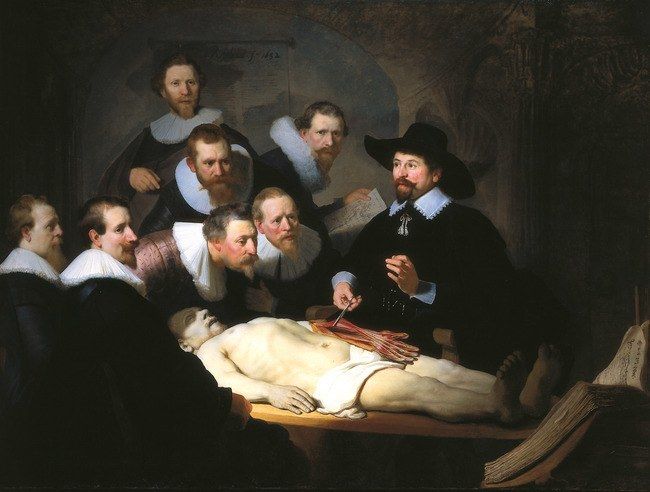
#21 Women Used Mouse Skin Cosmetically
If a woman felt she had an unattractive brow, she would supplement it by plastering mouse skin on her face until it was more shapely.

advertisement
#22 Childbirth Was A Nightmare
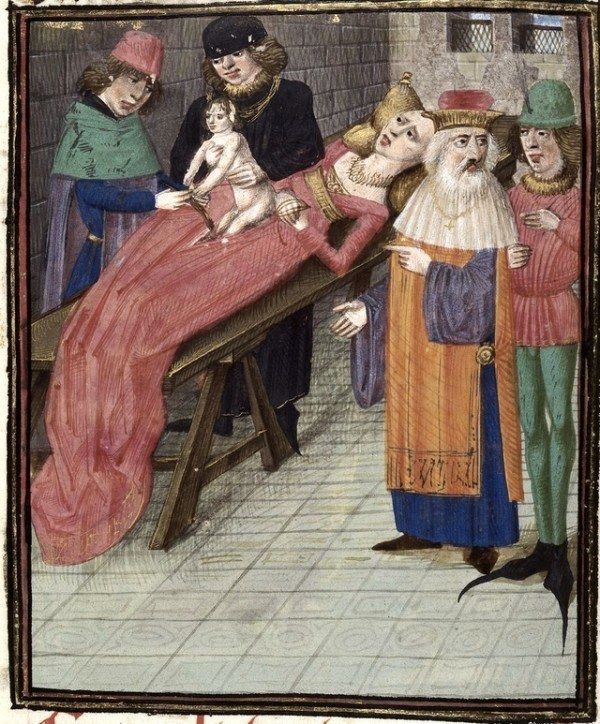
While a woman gave birth, she was given oil, vinegar or sugar mixtures to drink. She was also rubbed with poultices made of herbs and eagle dung, in the hopes that it would ameliorate the pain.
#23 Menstrual Pads Were Made Of Moss
Makeshift tampons and pads were made by wrapping old rags around clumps of moss. With luck, the moss didn't have insects in it.

advertisement
#24 Women Wore Lead-based Makeup
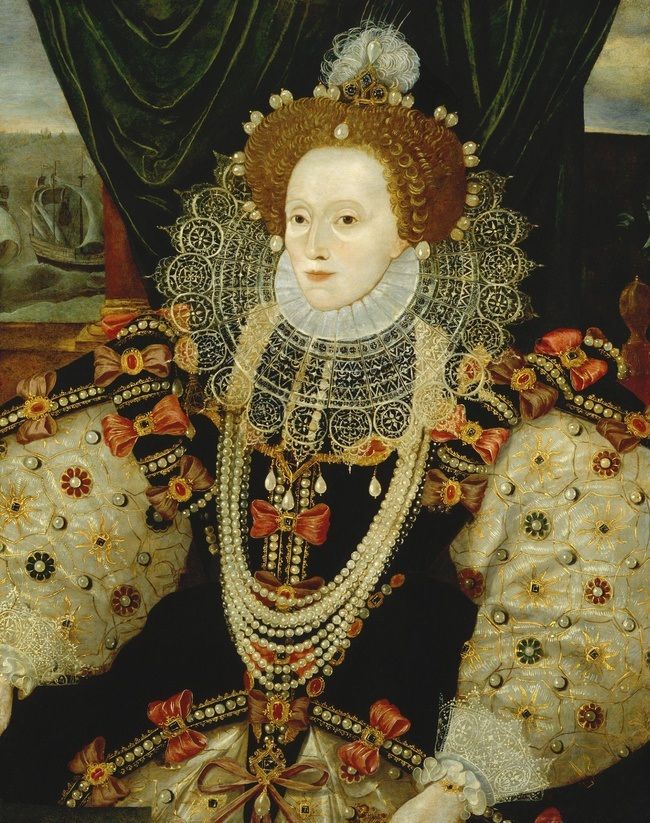
During the Elizabethan era, women wore a kind of makeup called "Venetian Ceruse," which was a skin whitener made of lead. Queen Elizabeth I would renew her Ceruse every morning upon waking, without washing off the previous days' application.
#25 People Used to Eat Mostly with Their Hands
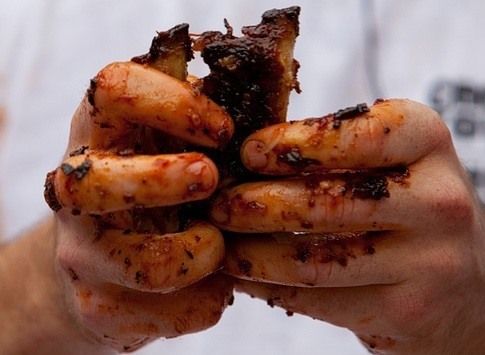
Forks and knives were not considered a necessity until recently. People commonly used to eat with their bare hands. A problem, when you consider how uncommon hand washing was.
advertisement
#26 Leaves Were Used As Toilet Paper
Unless you were part of the nobility, chances are you used dried leaves as toilet paper. Some hikers still employ this technique.