The Worst Pregnancy Side Effects And How To Handle Them
Getting pregnant is an incredible thing, but after the initial 'I'm having a baby!' glow starts to fizzle out, your ankles start to swell, the morning sickness kicks in, and it can be a bit of a bumpy road from there (if you'll excuse the pun).
We all know pregnancy comes with side effects, but with the help of comfy sock company Gentle Grip, we've rounded up some of the most testing - so you know what to expect, and how best you can go about preventing them.
#1 You May Have Sore Boobs
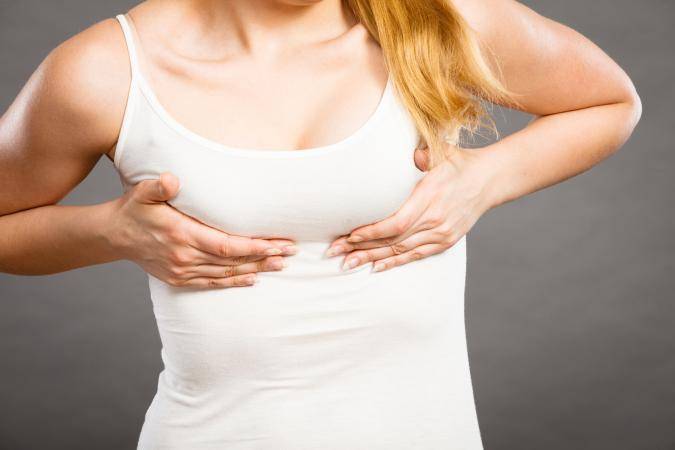
One of the first pregnancy symptoms that many women experience is sore boobs. Essentially your body sends a memo upstairs saying, “the eagle has landed” and your breasts turn to each other and say, “This is what we’ve been training for, man! Not getting out of traffic tickets. Not holding up tube tops. Not getting free drinks. It’s show time!” Then they flip the switch and start getting ready for milk production. Extra blood flow, fat production (hello awesome rack) and hormones all make for tender tatas especially in the first few weeks.
#2 Your Nipples May Protrude and You Areolas May Darken
Ah yes, creepy guys around the world just said, “nice” to this little extra feature.
Once again, your breasts are gung ho about the baby news so they want to make sure everything is ready to roll – they are like an enthusiastic grandmother stocking up on tinker toys – so they turn on the perma high beams and that can be uncomfortable.
Your areolas also tend to get darker, larger and jack up the little sweat gland bumps that will lube up the area when you’re breastfeeding.
While both have a bit of a ‘belch’ factor for some women, it’s completely normal so don’t sweat it too much and try to limit your braless, white t-shirt outings if you don’t want to cause traffic pile ups.
#3 Yeast infection
The intimate female areas are more susceptible to yeast infections when pregnant, as high oestrogen levels unbalance the healthy bacteria that keeps you healthy down there, meaning it becomes easier for yeast to grow. While an icepack or a cool bath can help reduce any discomfort; wearing cotton underwear, avoiding perfumed soaps and tight clothing are all good first lines of defence.
#4 Body and facial hair
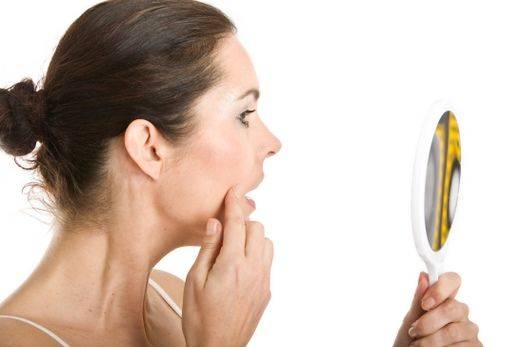
Pregnancy hormones send hair growth cycles into overdrive, so not only does more hair push through, but less falls out - giving a thicker appearance. This might be great news for people with usually thin hair, but the side-effect can extend to all body areas including the stomach and face, where you might be less keen to see thicker hair. Skin can be sensitive, so bleaching isn’t the best option, and shaving can encourage even faster, thicker growth, so try waxing or threading if you're desperate to remove the excess hair.
#5 Hair loss
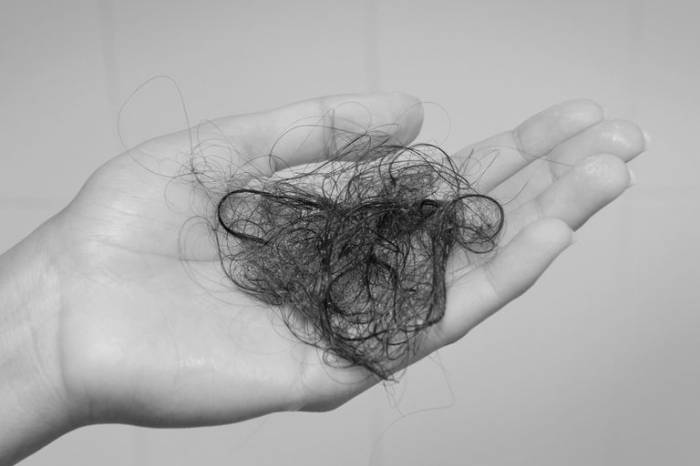
On the other end of the scale, around half of all women will experience excessive hair shedding during pregnancy. While this will clear up after pregnancy in most cases, paying attention to nutrition can help to prevent it, as a pregnancy can drain the body of essential nutrients that encourage hair growth. Salmon, eggs, and healthy fat produce like avocados and almonds can all help.
#6 Fatigue
Growing a baby uses a lot of your body's resources, so fatigue is common. Toss in an increase in progesterone which can work like a sedative, and that ups the ante, according to Parents.
UCSF Medical Center recommends getting as much sleep as possible, including short naps. Exercise increases your energy. Just be mindful of the intensity.
#7 Morning Sickness
This is generally at its worst in the a.m., but morning sickness can last all day. It seems increased amounts of estrogen stimulate the brain area responsible for nausea and vomiting.
Eat small frequent meals. Stay away from fatty, fried or spicy foods. Before getting out of bed, try eating dry starchy foods, like crackers or toast. Limit coffee, which can make nausea worse.
#8 Frequent Urination
Thanks to hormonal changes, your bladder fills more often because increased circulating blood volume means your kidneys have to filter more fluid. Plus, you can expect more pressure on your bladder as your uterus keeps growing.
Basically just pee when you need to pee. And limiting fluids is not the answer. “Your body needs more water to sustain increased amniotic fluid and blood levels during pregnancy,” said Parents.
#9 You May Be Constipated
You have extra progesterone pumping through you right now and it’s pretty important – hence the name that means “pro gestating” – because it relaxes your uterus muscles so you don’t have early contractions (just to name one of its important jobs).
The downside is that it helps relax all your muscles so you get constipated easily.
“Wouldn’t relaxed muscles actually give me diarrhea?” you say. Oh contraire, my Petal. Your intestinal tract actually works very hard to move stuff through, so once they get a little lazy, shit stops moving. Literally. Shit stops moving.
Move more, drink water, eat small meals and increase your fibre intake seems to be the suggested course of action (and for more tips, check out our post on it here). You may as well commit this phrase to memory because it is pretty much the remedy suggested for EVERY. SINGLE. PREGNANCY AILMENT. ON THE PLANET.
Just don’t use laxatives (or at least talk to a medical provider before you do) because they can screw things up even more and there may be an easier fix before you go that route.
This is also a nice segue into our next delightful treat….
#10 Extra Sweating
Feeling more hot and sweaty than usual can go from the first trimester right through to postpartum, as hormones confuse the area of the brain that regulates body temperature. This will calm down roughly around the time ovulation resumes after birth. To help with this, wear layers that can be added or removed, stay hydrated and avoid hot drinks and spicy foods.