Just because something sounds like a good idea, doesn't mean it is one. The movies on this list made headlines and drew lots of hopeful attention to the property they were portraying only to destroy all hope once they were released. Some movies were so bad that they completely scrapped plans of using the character in film again anytime soon (Green Lantern), spawned several reboots in an attempt to get things right (Spiderman), or even resulted in the comic book that inspired it being scrapped indefinitely until the brand can be rebuilt (Fantastic Four). Get ready for this cringeful trip down memory lane. These are the worst comic book movies ever!
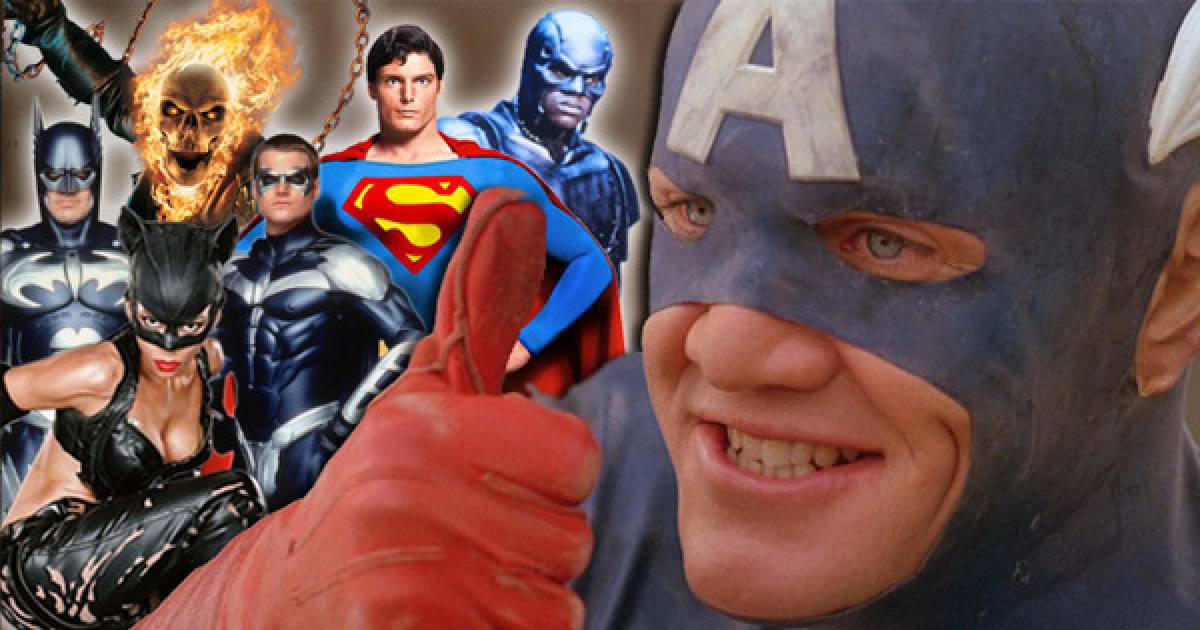
There Are Bad Comic Book Movies And Then There Are These Films That Should Never Be Spoken Of.
By
Michael Avery in
Entertainment
On 18th July 2017
advertisement
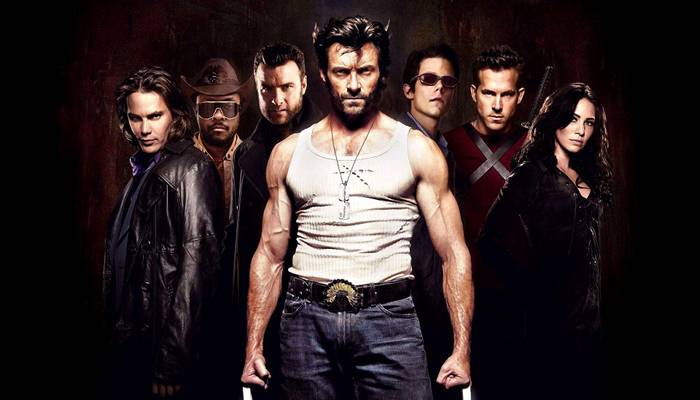
X-Men Origins: Wolverine (2009)
X-Men Origins: Wolverine was supposed to be great. It had a bonafide star leading man in Hugh Jackman, the success of the X-Men movie trilogy boosting it up, a fan-approved cast and character lineup, and a mythos that was practically tailor-fit for a big-budget movie. After that easy win, Fox planned to have a whole X-Men Origins film franchise to coast on. By now, comic book movie fans all know X-Men Origins: Wolverine as that crushingly disappointing movie that was so corrosive that it screwed up the continuity of the entire X-Men movie franchise, and killed Ryan Reynolds' dream of playing Deadpool for over half a decade afterward. How could something so simple to get right, go so wrong?
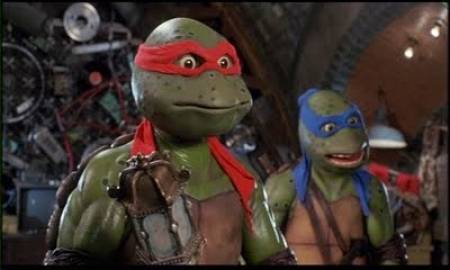
Teenage Mutant Ninja Turtles III (1993)
Let’s be honest, the Teenage Mutant Ninja Turtles movies were all pretty lame. They depended on cheesy one-liners and poorly choreographed fight scenes in order to be passable, but at least the first two were entertaining, especially for kids. Teenage Mutant Ninja Turtles III, on the other hand, just felt like a desperate cash grab from a dying franchise. The budget was noticeably cut and the Turtles' costumes looked worse than ever, but nothing could compare to the idiotic time travel plot. None of the Turtles movies ever quite lived up to the sleazy, violent comics which they were based on, but this third installment doesn’t even seem like it was trying to be a decent flick at all.
advertisement
Green Lantern (2011)
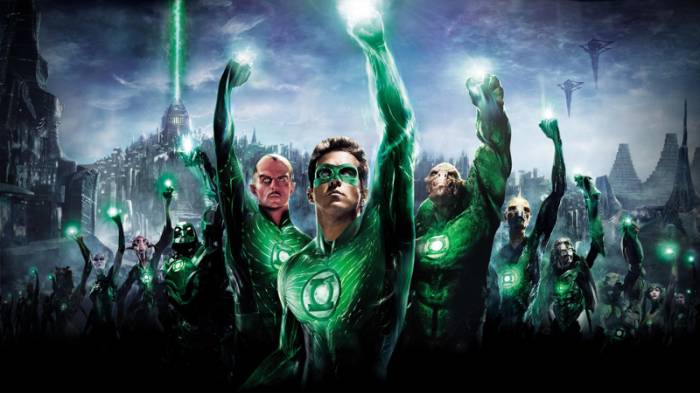
Many DC fans were absolutely ecstatic in the late 00s when it was announced that a Green Lantern movie was happening. Fans got even more excited when they learned that the movie would be based on the 21st-century reboot of the character, which had been overseen by comic book writer Geoff Johns. The casting of Ryan Reynolds in the central role of brash, smart-ass pilot Hal Jordan was just icing on the cake. And yet, despite everything it had going for it, Green Lantern turned out to be an epic disappointment. Director Martin Campbell had successfully reintroduced James Bond to the modern era, twice (Golden Eye, Casino Royale), yet his take on Green Lantern was a choppy, cheesy, travesty that can hardly be called a sensible film. Co-stars Ryan Reynolds and Blake Lively are a serious couple now, but all that chemistry must've happened off screen because they were painfully stale as Hal Jordan and his love interest, Carol Ferris. Instead of being the fantastical launch of the DC movie universe, Green Lantern set it back so far that DC/WB is still scrambling to catch up to rival Marvel Studios. Thanks to Deadpool, Ryan Reynolds can now laugh about this horrible comic book movie misstep along with the rest of us.
Howard The Duck (1986)
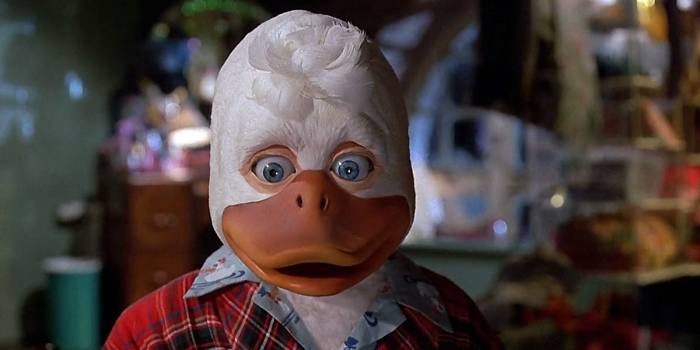
It seems like George Lucas was only a creative genius between the years 1977 and 1983 because since '83 he’s been turning out one dreadful film after another. We get that he was only a producer on this awful adaptation of Marvel Comics’ Howard the Duck, but that doesn’t excuse the fact that the whole film was basically a ploy to show off what his special effects company, ILM, could do with puppets. But no one should be surprised that the end result was so terrible because, apparently, goofy dialogue and unfunny humor are elements that Lucas crams into all of his crappy films post-The Empire Strikes Back.
advertisement
Jonah Hex (2010)
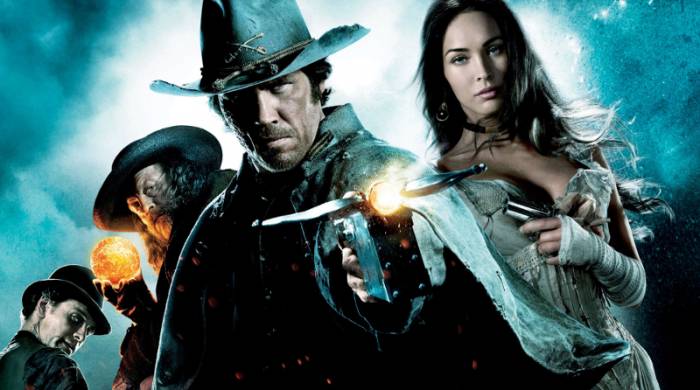
Jonah Hex is another DC Comics movie from the confused era of the late 00s/early 2010s that also spawned Green Lantern. And, like GL, Hex was a film that had enough going for it that it should've easily made its way to a nice box office return. Only somehow, sh*t went way sideways. The cast was pretty stacked (Josh Brolin, John Malkovich, Michael Fassbender and Megan Fox), but director Jimmy Hayward couldn't steer the movie to where it was anything but a generic and cheesy superhero origin story with lame action. Considering the rich history of cinematic westerns, Jonah Hex really shot itself in the foot by not blending more of the genre's best storytelling ideas into the superhero movie formula. This failed and forgettable comic book movie remains one of the more ripe candidates for reboot (but perhaps as a long-form TV western this time?).
advertisement
Spawn (1997)
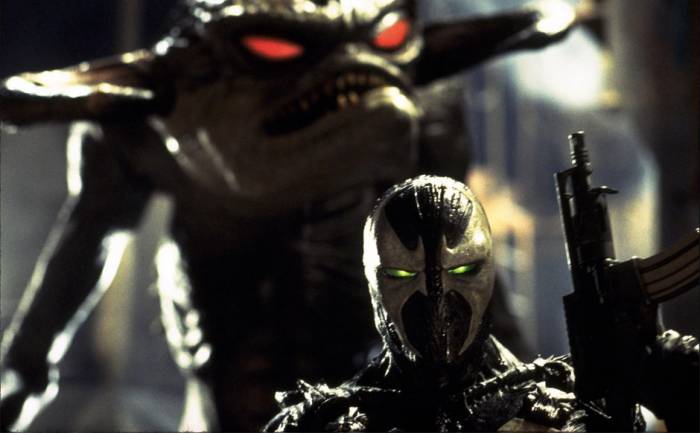
No comic book character was as big as Spawn in the mid-'90s. Todd McFarlane’s vision of a war between heaven and hell, with a hell-spawn named Al Simmons caught in the middle, was an instant hit amongst fans. The book routinely sold millions of copies a month. Of course, its success made some Hollywood suits salivate at the mere thought of a big budget blockbuster adaptation. The only problem was the whole “big budget” part. Touting some cheap special effects and gruesome acting, Spawn turned out to be a huge disappointment. It had little resemblance to McFarlane’s ultra-violent comic and the whole thing was truncated into a scant 90-minute running time. But what’s even worse is the final battle between Spawn (Michael Jai White) and Malebolgia, which features Sega Saturn-level visuals.
advertisement
Fantastic Four (2005)
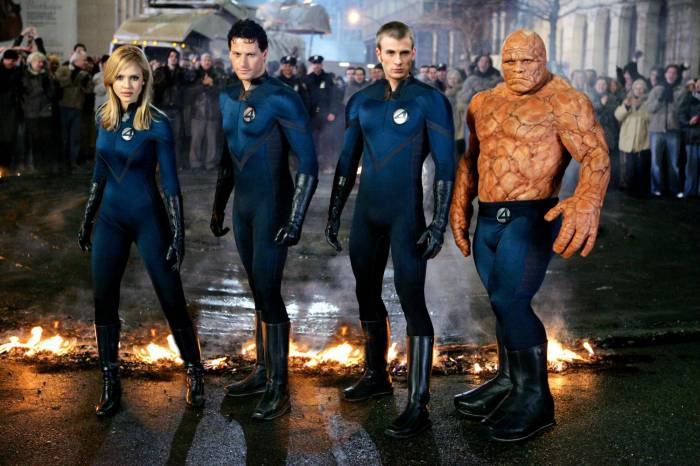
In 2005, Marvel’s first family was primed to finally hit the big screen and erase the stain of Roger Corman's shelved laugh-fest, made in 1994 (keep reading for that debacle). With decades of comic mythology and fan support backing them up, Fantastic Four's blockbuster incarnation was highly-anticipated. But before the cameras ever started rolling, Fox ruined the movie by hiring Tim Story to helm the flick. Names like Guillermo del Toro and Alfonso Cuarón were tossed around, but, apparently, Story's mildly entertaining Barber Shop was so momentous to Fox executives that he was deemed simply too talented (or cheap) to pass up. What followed was a 105-minute mess that completely bastardized the Fantastic Four mythos, piling layers of camp and cheese on top of its cinematic corpse. Instead of hiring real actors, Fox decided on the lifeless talents of thespians such as Jessica Alba and Julian McMahon to carry the film's key roles; Alba played the Invisible Woman with the blandness of white toast, and McMahon turned Doctor Doom into the bargain bin version of Gordon Gekko.
advertisement
The Spirit (2008)
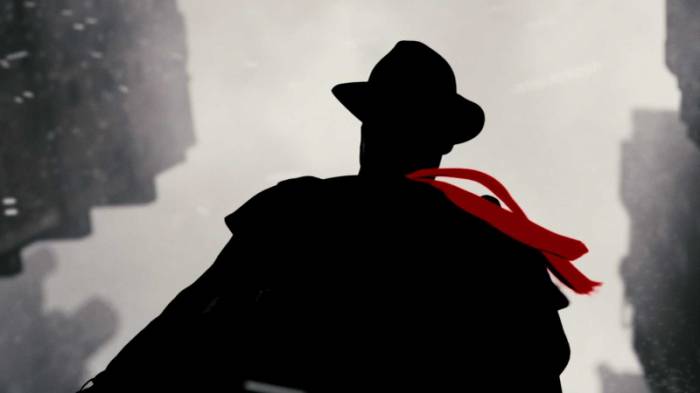
The Spirit got made when comic book creator Frank Miller was at the height of his Hollywood popularity, having had two of his comic book creations (300 and Sin City) adapted into successful Hollywood films. By Hollywood logic, having two different directors adapt his work (and a little time behind the camera himself), entitled Miller to helm his own big-budget comic book movie passion project. Bad idea. The project Miller pined for was none other than The Spirit, the cult-favorite classic comic book character first created by industry icon Will Eisner in the 1940s. As a long admirer of Eisner, Frank Miller attempted to The Spirit justice onscreen, but in his inexperienced hands what we got was a messy attempt to make "living art" out of Miller's already messy design aesthetic. The characters were absurd (like Samuel L. Jackson's villain, "The Octopus"); few had ever heard of leading man Gabriel Macht, and seeing Miller's over-the-top violence and questionable misogynistic sexual overtones live on screen was not a good look. At all. Since then, Hollywood has backed away from the idea of Frank Miller, film director. Lesson learned.
advertisement
X-Men: The Last Stand (2006)
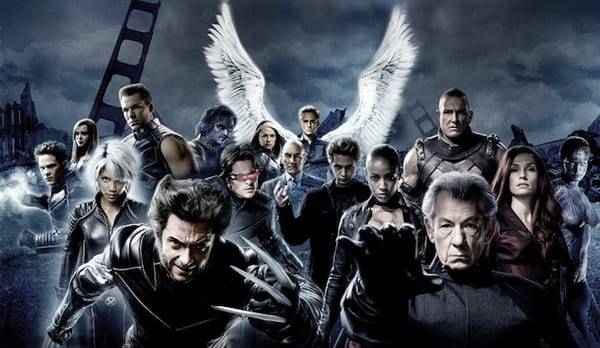
X2, released in 2003, holds up as one of the best comic book adaptations ever made. After the Bryan Singer-directed hit wowed critics and audiences alike, its 2006 follow-up quickly became the most anticipated movie of that summer. Too bad Fox replaced Singer with glorified music video guru, and widely reviled hack, Brett Ratner. The result was an incoherent B-movie filled with gaping plot holes, pointless character deaths, and way too much Halle Berry. The flash, style, and sophisticated storytelling of the first two flicks were killed off in favor of over-the-top action scenes and characters that were turned into bloated caricatures of themselves. That didn't stop X-Men: The Last Stand from making over $450 million worldwide, though. Way to go, folks!
advertisement
Kick-Ass 2 (2013)
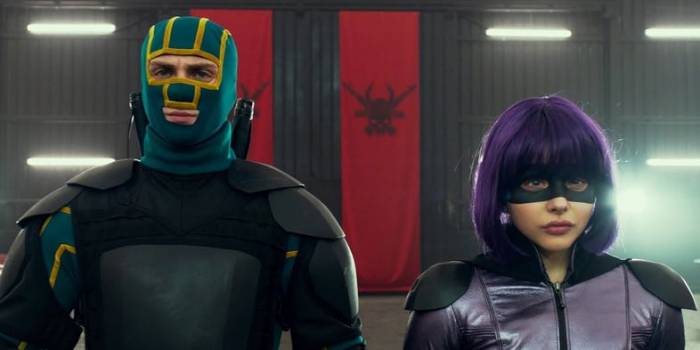
Speaking of X-Men, it was Matthew Vaughn that recovered the franchise after The Last Stand. Vaughn stepped in as writer/director of X-Men: First Class, and though he returned as neither for Days of Future Past, he is credited as coming up with the story for the sequel. He was not involved at all for X-Men: Apocalypse, which reinforced the idea that you shouldn’t continue a Matthew Vaughn franchise without Vaughn himself, after the huge disappointment that was Kick-Ass 2. Following on from Vaughn, new writer/director Jeff Wadlow had a much tougher time in towing the line between violent and tasteful. The film suffers from a complete lack of subtlety, without any of the charms that canceled out the vulgarity of the original, and even the addition of Jim Carrey isn’t enough to wash the bad taste from your mouth. Carrey famously disowned the movie, which he claimed promotes violence, and in this case, it’s hard to disagree.
advertisement
Tank Girl (1995)
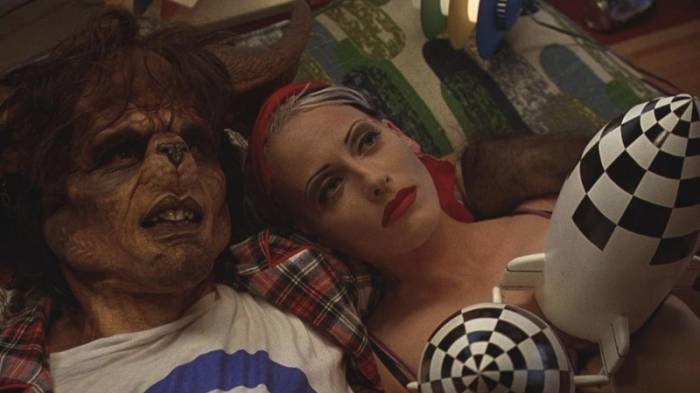
Tank Girl is one of those movies that's so bad it's fun - but that doesn't make it any less the disastrous comic book movie that it is. Featuring a crazy directorial style and questionable performances from fine actors like Lori Petty (OitNB), Malcolm McDowell, Naomi Watts and Ice-T (in dogface), the movie is an absurd ride from start to finish. The comic book by Jamie Hewlett and Alan Martin gained acclaim for its punk influences and surrealist, psychedelic overtones. Tank Girl the movie is just a hot mess of a film, perfectly suited for drinking games and/or acid trip viewing.
advertisement
Barb Wire (1996)
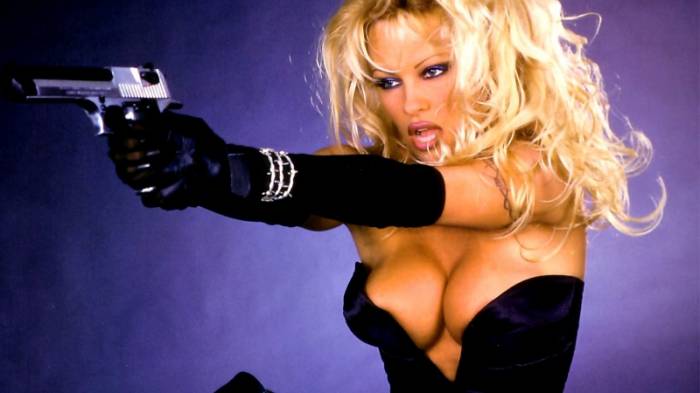
Barb Wire was one of the comics launched during the heyday of Dark Horse Comics in the '90s. It starred a bar tender/bounty hunter named Barbara (or "Barb Wire) and had the edge and sexual overtones of your average Dark Horse title. It's understandable that there would then be a movie adaptation that tried to cash-in on sex and edge, rather than coherence or substance. Look up "sex and edge" in a '90s dictionary and you're likely to find a picture of Pamela Anderson. Barb Wire was a big showcase for the Baywatch actress and came with the added lure of seeing Anderson in the buff on the big screen. That was enough to give this film a "cult-following" as a right of passage for young boys to become men, or horny Baywatch viewers to have an extra thrill. But beyond that, Barb Wire never need be viewed.
Captain America (1990)
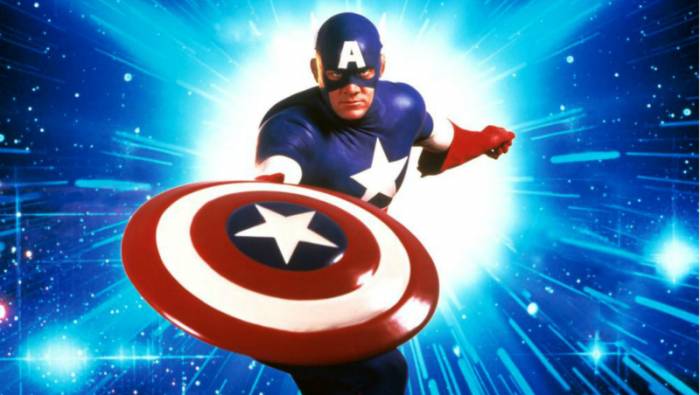
If you had a problem with Captain America: The First Avenger then you need to go back and watch this 1990 attempt to bring the character to the big screen and gain some perspective. Captain America (1990) is on the list with an asterisk because it was only released in UK theaters, and bombed hard. Matt Salinger (as in son of author J.D. Salinger) starred as Captain America, with Castle actor Scott Pauling playing Red Skull. Everything about this Captain America looks low-rent and terrible, even by '90s standards. Feel lucky if this one never made it onto your radar (before now, of course. Sorry.)
advertisement
Superman IV (1987)
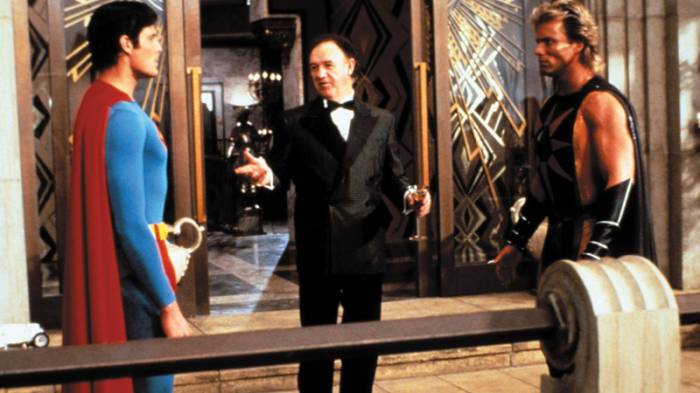
Christopher Reeve and the Superman movies of Richard Donner are now legends; the two Superman movies that came after Donner, not so much. Superman III pulled in Richard Pryor for a bizarre story about Superman taking on an evil supercomputer, but Superman IV: The Quest for Peace managed to sink even lower, hitting rock bottom as the worst Superman movie in the entire series; and to some people, one of the worst films ever. The plot is pretty silly (Lex Luthor shoots Superman's DNA into the sun to create a nuclear-powered Superman); the special effects are terrible, and the script is full of cheese. That Reeve had a big creative hand in the film makes it that much worse, as this would be the last piece of his onscreen legacy as Superman, before the terrible accident that confined him to a chair for the remainder of his life. Our Superman deserved better.
Steel (1997)
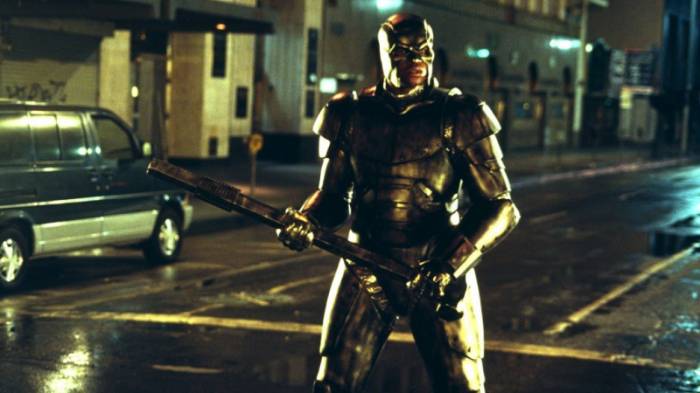
Steel was a character who came during the '90s "Death of Superman" story arc - one of four "New Supermen" who filled the Man of Steel's void. Of the four, Steel was an unlikely choice for a solo movie hero, but music industry icon Quincy Jones wanted him on the big screen and helped make it happen in 1997 - with NBA star Shaquille O'Neal in the lead role as Steel. Not only was the film ridiculous from conception, the filmmakers doubled-down on the risk by cutting the Steel character and his mythos free from their Superman ties. The result was director Kenneth Johnson creating a film that had an NBA star (and all the bad acting that came with) walking around in a silly-looking costume, performing bad action sequences onscreen. By today's standards, Steel looks like a fan-film funded by a celebrity bankroll. Which is pretty much what it is.
advertisement
Daredevil (2003)
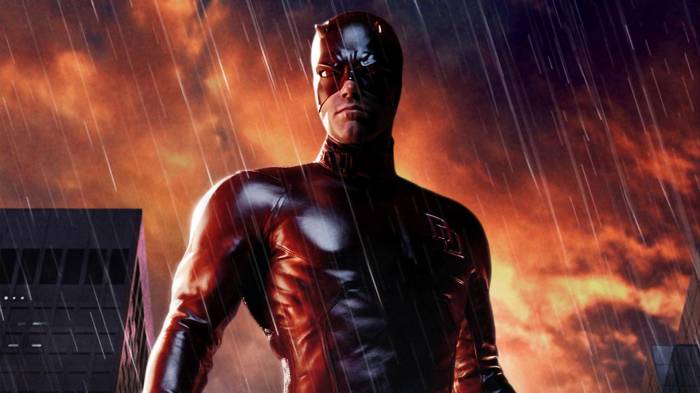
The potential for a Daredevil movie is off the charts. If done properly, it could easily rival The Dark Knight as the grittiest comic movie to ever grace the screen, but 2003’s attempt was a failure in almost every way. We’re not sure who decided to slap the red leather on Ben Affleck; it became apparent very quickly that he wasn’t up to the task of being the emotionally distant and obsessive Matt Murdock. Colin Farrell and Michael Clarke Duncan may have been acceptable in their showy villain roles, but everything else was a mess, including cheesy special effects, hokey dialogue, and a horrendous playground fight midway through the movie. The characters had little to do other than taking part in cartoonish fight scenes against each other and scowl a lot."The Man Without Fear" deserves much better.
Catwoman (2004)
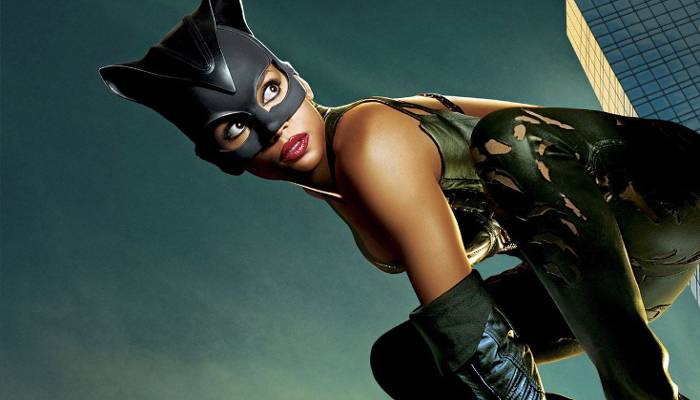
No one knows why Catwoman exists. The film was made in 2004 and has zero to do with Batman, Gotham City, or any DC Comics mythos, beyond the name. It was a showcase for Halle Berry, but like so many superhero movies of the early '00s, it was more fluff than substance. Berry chews every piece of scenery in sight, with Sharon Stone keeping pace as the film's "villain." Worse yet, there's a thin and totally superficial feminist message tacked on to the film, in which Berry's Catwoman antics are supposed to represent female empowerment. Instead, Catwoman depowered the idea of female superhero movies for years to come.
advertisement
Elektra (2005)
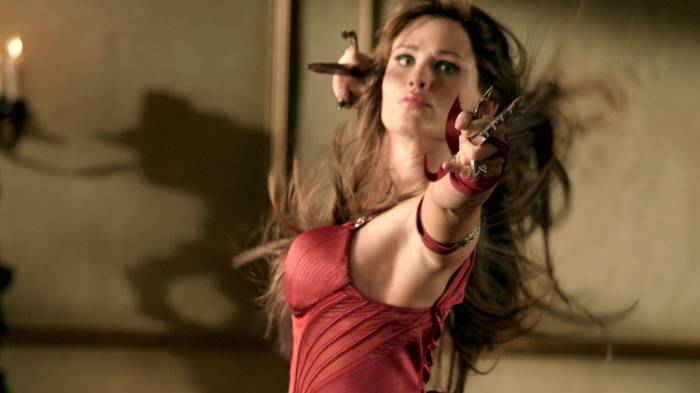
Elektra had a shaky start making it to the big screen. Jennifer Garner was a featured part of the 2003 Daredevil movie starring her eventual husband, Ben Affleck - but while the pair had sparks fly between them onscreen, that chemistry didn't really work magic on the audience. When Garner got to star in her own Elektra movie in 2005, the fan base wasn't exactly thrilled, but the end result was worse than anyone could've imagined. A sappy "assassin with a heart of gold" story, some lame action and an overall vibe that felt like nothing close to the Marvel comics heroine. Let's just say it's a good thing that the MCU Elektra has come along to push the 00s version further out of memory.
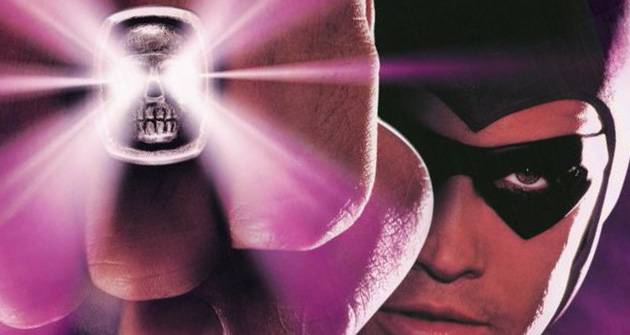
The Phantom (1996)
What’s more intimidating than a slender man dressed in purple spandex? Everything, actually. But the producers of The Phantom clearly didn’t think so as they plunked down a whole lot of money to make this odd little flick. Based on the old school pulp hero of the same name, The Phantom did little to update its storytelling for a modern audience and presented ticket-buyers with a very stilted and often corny misfire. It’s certainly not a crime against cinema, but The Phantom’s good nature just didn’t jibe well enough, and it was quickly forgotten by fans and audiences. This is also the only movie to ever try to present Treat Williams as a global threat, or Billy Zane as an action hero. Both are terrible signs.
advertisement
Spider-Man 3 (2007)
Few movies have had more money-making potential than Spider-Man 3. Taking advantage of a ravenous fan base after the beloved second installment, the anticipation for this movie was undeniably feverish in the months preceding its release. Though, there were odd little clues to its inferior quality along the way, such as Topher Grace being cast as Venom and character Gwen Stacy's pointless involvement. But, for the most part, people ignored these signs because it was another Spider-Man flick directed by the great Sam Raimi. What could possibly go wrong? A hell of a lot, apparently. Once Spider-Man 3 hit theaters, it left most comic book fans feeling absolutely gutted by the experience. Cramming in way too many characters and foolishly ratcheting up the camp, Spidey's third go-round was a massive disappointment. The overblown script was too cluttered for one movie, the actors were clearly sleepwalking through their roles, and Peter Parker's great emotional journey was replaced by cartoonish action scenes and special effects. Any superhero movie that features two separate dance sequences is clearly in trouble.
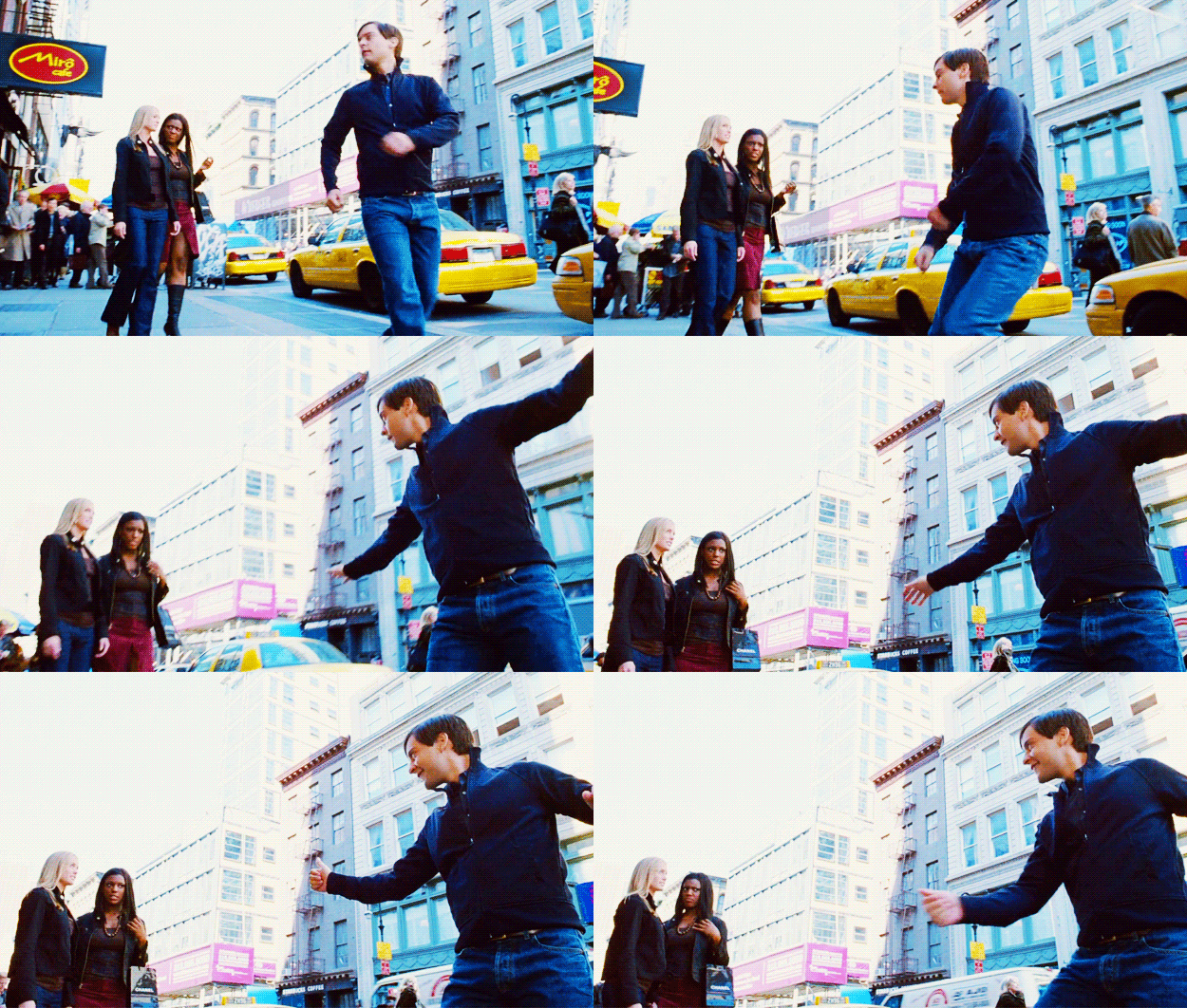
No, it really is that bad.
Just take a look.
See, told you so.
advertisement
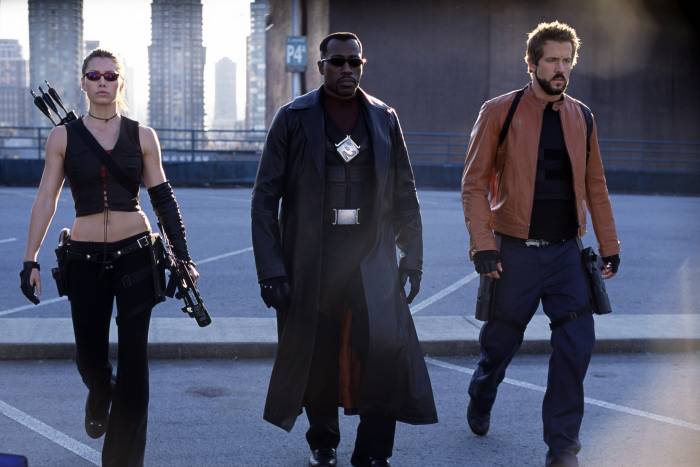
Blade: Trinity (2004)
The IRS may know him best for tax evasion, but Wesley Snipes is regarded by everyone else as the one-time action movie champ who killed it as vampire hunter Blade. The first two Blade movies, both unflinchingly visceral, played a huge part in jump-starting the darker comic book movie trend that the likes of Christopher Nolan have capitalized upon in recent years. Blade: Trinity, however, was a different story altogether. Gone were directors with a vision and in their place was David Goyer, a talented screenwriter who should never step away from his computer. Instead of the moody and realistic take on Blade that made the first two work, Trinity concerned itself more with shallow characters, vapid sex appeal (see: Jessica Biel), and Ryan Reynolds' incessant joke-cracking. It took a multi-million dollar flop for people to realize that decent script writers more often than not turn out to be lousy directors.
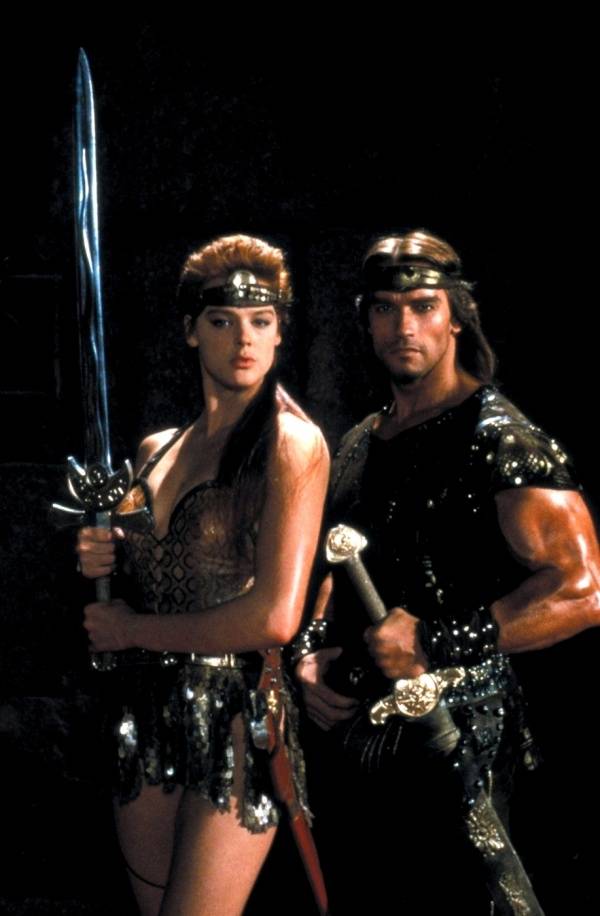
Red Sonja (1985)
The title sounds as if this movie is about a communist spy, or maybe a new flower. No such luck. It’s about Sylvester Stallone’s companion, Brigitte Nielsen. She plays a warrior maiden on a mission of revenge in the days of swords, magic, and low-cut warrior-maiden outfits. Arnold Schwarzenegger is the warrior boyfriend who wrestles with killer machines and does the heavy lifting. Sandahl (Conan the Barbarian) Bergman is a wicked queen, Paul (Dune) Smith is a jester and Ernie Reyes Jr. is a boy prince. All the other actors are so awful they make Schwarzenegger seem pretty good. The romantic chemistry between Arn and Nielsen is what you would get if you fixed up a dumpster with a mulberry bush. But that’s hardly the point, which is mayhem. Heads are lopped off, landslides rumble, lava flows, people leap on one another, and swords clang relentlessly. It seems fitting that when they kiss, Schwarzenegger and Nielsen almost miss; she ends up kissing his chin while his nose bores into her forehead.
advertisement
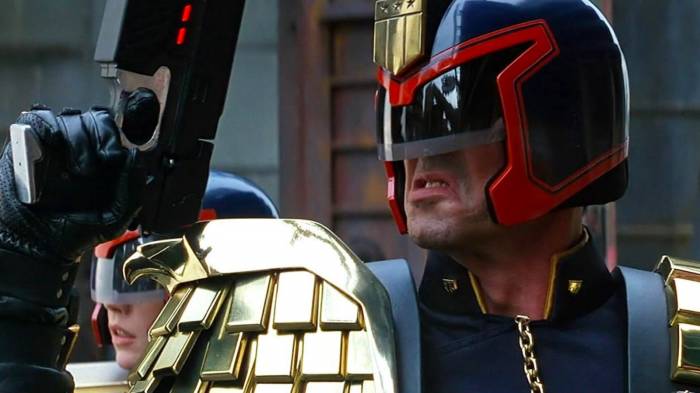
Judge Dredd (1995)
The character of Judge Dredd was created in the 1970s by John Wagner, the same guy who wrote the stunning 1997 graphic novel A History of Violence. The movie version of Judge Dredd, on the other hand, starred Sylvester Stallone and was directed by a guy who also shot I Still Know What You Did Last Summer. Need we say more? When this flop was being made, people were still under the impression that Stallone was a good actor, but of course, they were wrong. Judge Dredd turned out to be one of the biggest duds of the '90s. Fortunately, Hollywood made a new Judge Dredd starring the talented Karl Urban in 2012 and despite financially failing the movie is widely regarded as a great film.
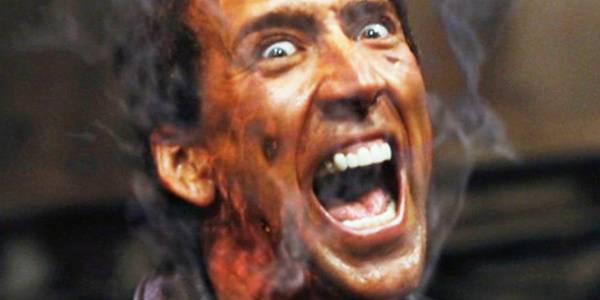
Ghost Rider (2007)
One of the most important questions a Hollywood executive can ask is, “Who's the movie's star?” And, nowadays, when Nicolas Cage is the answer, there's a 95% chance that the film will be complete garbage. The worst part about 2007’s Ghost Rider is that the character really does have potential. A flaming skeleton who rides a motorcycle and sends people to hell is rather badass, but not when you hire the guy who directed Daredevil to call the shots. Comic heads weren't quick to believe Cage as a stunt cyclist in his 30s, nor would they buy into the notion that Eva Mendes wanted to jump his flaming bones. And, of course, there's the awful final fight, in which Ghost Rider battles an emo kid (Wes Bentley) who looks like he just got out of a Minus the Bear concert.
advertisement
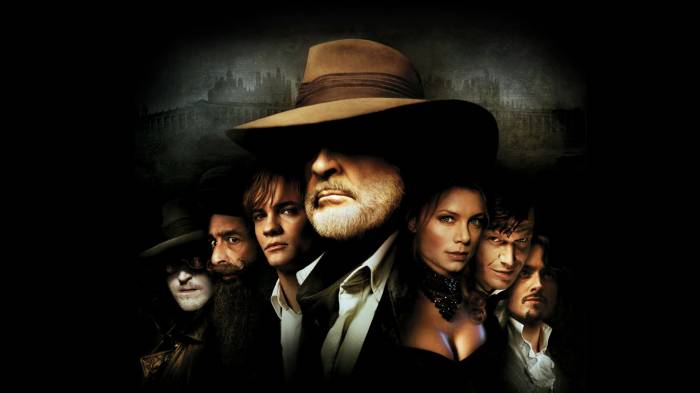
The League Of Extraordinary Gentlemen (2003)
Naïve comic book fans always wonder why Alan Moore hates all of the movie adaptations of his work, but then they see this colossal fuck-up and suddenly things start to make sense. Fox had the right idea in adapting Moore’s League Of Extraordinary Gentlemen, which put some of the greatest heroes of literature together on the same team to fight off evil, but the execution was simply abysmal. The movie ignored most of Moore’s brilliant writing and basically treated the League like generic do-gooders instead of the complex, and sometimes morally bankrupt, characters that the book presented. In fact, production on this movie was so bad and the final product was such a joke that it prompted Sean Connery to retire from acting for good. Dr. No couldn’t kill him off, but director Stephen Norrington did it with ease.
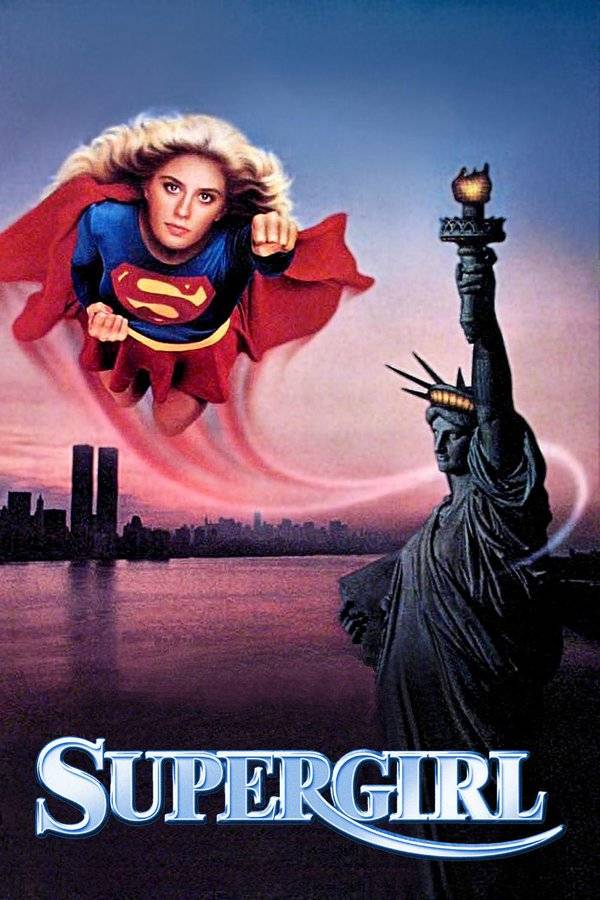
Supergirl (1984)
“Supergirl” is a movie whose very bones have been irreversibly rotted away by catastrophe — an actively sexist insult that obliterates one distinct appeal of a female superhero movie, which is to see a woman leveling the playing field when it comes to derring-do. Supergirl didn't get a live action second chance until 2015 when CBS ordered a television show based on the heroine. Supergirl was a pioneer in all the wrong ways for female superhero movies but with the release of Wonder Woman and the upcoming Captain Marvel film, maybe a big screen adaptation of Supermans super powerful cousin will be in the cards again.
advertisement
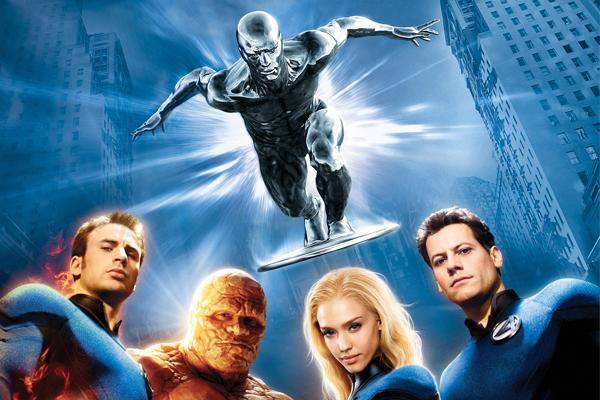
Fantastic Four: Rise Of The Silver Surfer (2007)
If their's anything worse than wasted potential it's wasting that same potential twice! Here, you have one of the greatest comic stories ever in The Coming of Galactus and the special effects budget to pull it off, but what does Fox do instead? They rehire Tim Story to direct a truncated 90-minute version of the story, and, in the process, doom any potential the Fantastic Four ever had for a decent flick. Story's first FF movie was bad enough, but Rise Of The Silver Surfer upped the shitty ante by wasting a perfectly rendered digital Silver Surfer and sticking him in a shallow children’s movie. In addition, Story decided to depict Galactus as a giant purple dust cloud rather than the world-eating force of nature seen in the comic books. Oh, and Doc Doom is still played by Julian McMahon. The less said about that, the better.
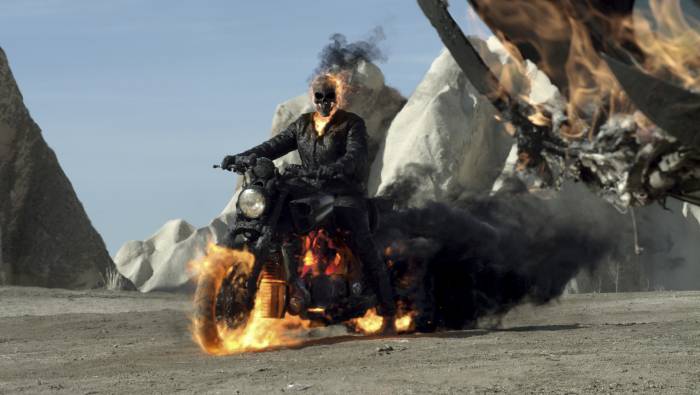
Ghost Rider: Spirit Of Vengeance (2012)
Nicolas Cage’s first outing as Johnny Blaze was criticized across the board, but a sequel that comes out and changes absolutely nothing is a far bigger offender. If anything, Spirit of Vengeance is even more absurd, and any attempt to turn silly into fun is undone by the script’s complete misunderstanding of its own characters and dreadful CGI. In the same year that the Hulk was smashing the Chitauri and Bane literally split a plane in two, Spirit of Vengeance can’t make a pyrotechnic skeleton look anything close to realistic, and the character is made no less believable by a master class in Nic Cage overacting. Cage has claimed that he has trouble choosing the right roles, and we’d love to know what part of this script made him think that his character would be even remotely likable.
advertisement
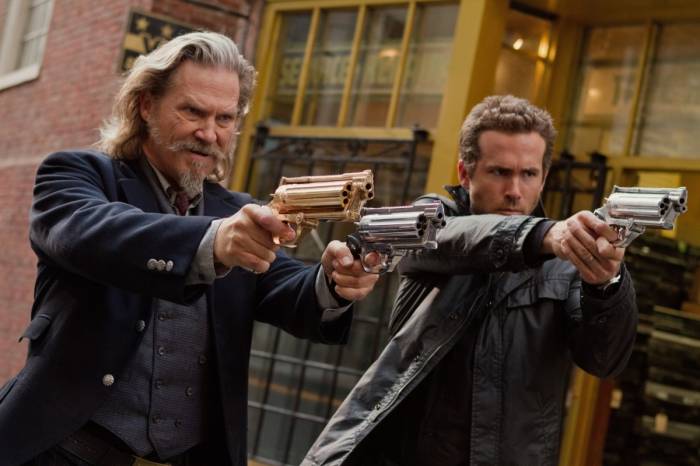
R.I.P.D. (2013)
Bake a “Men In Black” pie crust. Then throw in a pinch of “Ghostbusters,” a teaspoon of “This Is the End,” a sprinkling of “True Grit,” and a smattering of Showtime’s “Weeds.” Now drain the fun parts out, and what do you get? The half-baked, derivative movie pie that is “R.I.P.D.” It says a lot about Ryan Reynolds ability to pull off comic book adaptations when he's starred in so many terrible ones. It wasn't until 2016's Deadpool that the actor finally hit the mark.
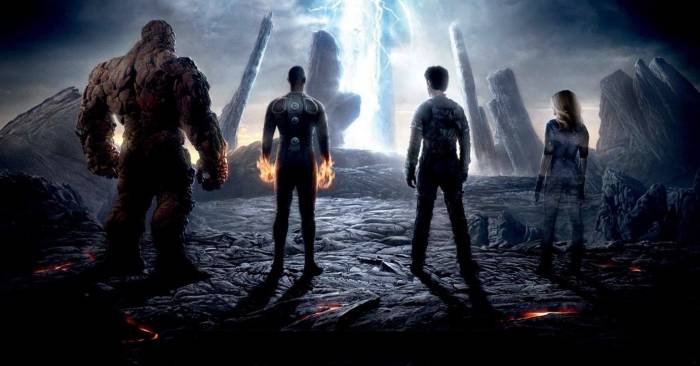
Fantastic Four (2015)
The previous Fantastic Four movies set a pretty low bar, and yet Josh Trank’s 2015 attempt somehow manages to be worse than all of them. The most frustrating thing about ‘Fant4stic’ is that it exists only to keep the rights from Marvel, and Fox didn’t even have the courtesy to make it good. The one up side to the movie is its relatively short run time, but the lazy retelling of origin stories any casual movie fan already knows makes 100 minutes feel like a lifetime. Not one of those 100 minutes is spent on character development, and the final act is virtually non-existent. Trank claims that there’s a good movie in here somewhere, but considering that literally all of its decent moments are in the two-minute trailer, that’s a bold claim. It seems like making TERRIBLE movies is the only thing Hollywood can do consistently with this franchise.
advertisement
Teenage Mutant Ninja Turtles: Out Of The Shadows (2016)
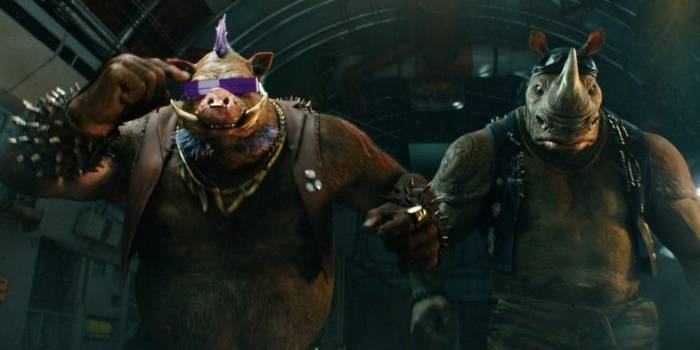
It’s a tough call between the two most recent Turtles movies. Out of the Shadows arguably plays things a little more loosely, packing in one or two more laughs than its 2014 predecessor (which is about the best you can hope for with these movies), but at least the first incorporated something resembling a plot. The sequel uses fan favorites Bebop and Rocksteady, an insanely over-the-top performance from Tyler Perry, and a brief appearance from Oscar-nominee Laura Linney as an excuse to tell the most basic of world domination stories. What’s more, the turtles themselves are even more unlikeable this time around, actively seeking attention for saving the world in the first film, to the point that you don’t blame Will Arnett for stealing the credit.
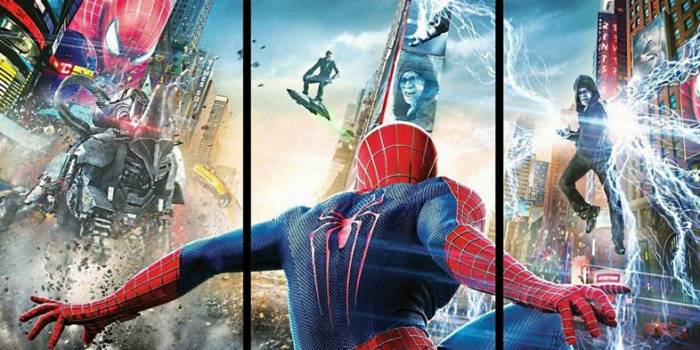
The Amazing Spider-Man 2 (2014)
It’s genuinely difficult to believe that anyone involved in the making of The Amazing Spider-Man 2 ever watched Spider-Man 3. While the final entry into the original trilogy tries to do too much, Marc Webb’s 2014 sequel repeats exactly the same formula, but without the luxury of having Sam Raimi to fall back on. The Amazing Spider-Man 2 had a shocking run from its pre-production, during which Sony obviously decided that its general audience needed spoon-feeding, to its promotion, at which point someone at the studio thought it would be a good idea to push the Rhino as a major character. When the film was finally released, and it turned out to be a cliché-infested set-up for movies that were never likely to happen, it should hardly have been a surprise to anyone. Even now, three years on, the movie stands out like a sore thumb alongside The Winter Soldier, Days of Future Past and Guardians of the Galaxy, and remains a huge dampener on one of the best ever years for comic book movies.
advertisement
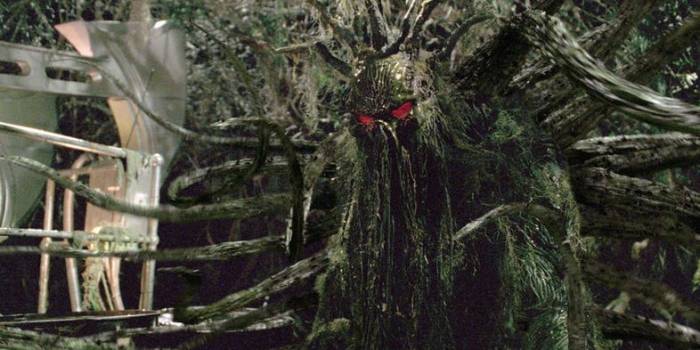
Man-Thing (2005)
Just three years before the MCU began, 2005 still represents a low point in the history of Marvel films. Alongside underwhelming movie releases Elektra and Fantastic Four, the studio finally got its long-awaited Man-Thing adaptation off the ground, which initially debuted on the Syfy channel. Put into context, Marvel’s last direct-to-television film was 1998’s Nick Fury, which offers an insight into how little the studio had invested in this project. The worst thing of all is that there’s potential in the title character, whose motives tend to fall into the morally gray category. Unfortunately, director Brett Leonard is more concerned with tone than the Man-Thing itself, who is presented unfairly as a legitimate villain, and could realistically be taken out of this movie in favor of a more generic swamp-dwelling monster.
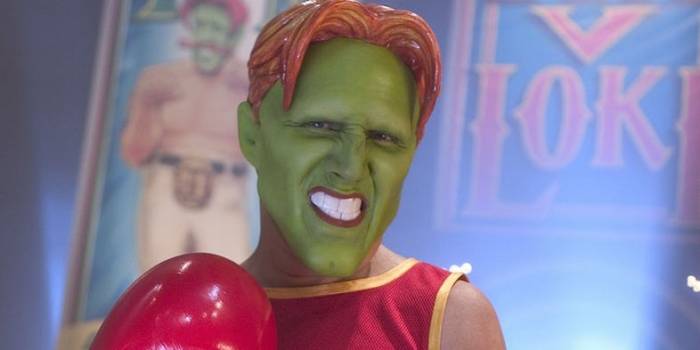
Son of The Mask (2005)
The long-awaited sequel to The Mask stars Malibu’s Most Wanted actor Jason Kennedy in place of Jim Carrey. Must we go on? We must, but only to drum home just how ridiculous the concept of this movie is. Cartoonist Tim Avery and God of Mischief Loki battle it out over Tim’s son Avery, who was conceived by the power of the Mask. We could let the premise slide if there was even a single funny moment in the movie, but the lack of humor in the dialogue is matched only by the Razzie-nominated cast. We’re not sure even Jim Carrey could save the script (that inexplicably passed through several stages of development), but the lack of any charisma in the leading role is noted. Between Batman and Robin, Evan Almighty, and Dumb and Dumberer: When Harry Met Lloyd, you’d think studios would have learned not to make Jim Carrey sequels without Jim Carrey in them.
advertisement
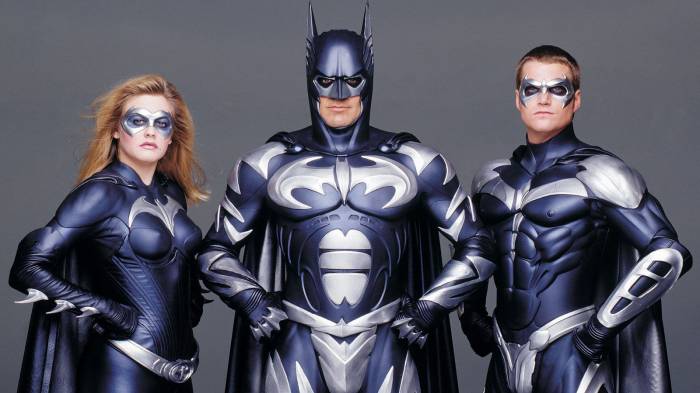
Batman & Robin (1997)
This movie is horrible! Nuff said! There really isn't anything else that can be said about this movie to describe. A true dumpster fire from start to finish that set the entire Batman universe back to square one. The only good thing about this movie is that it eventually led to the creation of the Dark Knight Trilogy. So I guess thank you Bat Nipples and ice puns.