These fans have it all figured out and once you read it will all make sense!
These 19 Mind-Blowing Fan Theories Completely Change Your Perspective Of Famous Movies And TV Shows
By
Teresa Thomerson in
Entertainment
On 24th June 2015
advertisement
I'm King of the Time Lords!
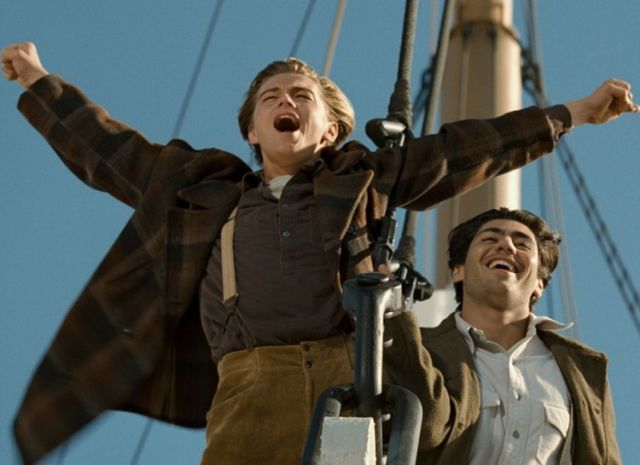
"Titanic" is one of the most romantic cinematic achievements of all time, but some fans think that there is a science fiction twist involved. The theory is that Jack is a time traveler sent back in time to prevent Rose from committing suicide. Jack makes a number of references to man-made structures that didn't exist until after the sinking of the Titanic, such as Lake Wissota, which was made five years later, and a roller coaster on Santa Monica Pier, which was constructed four years later. Similarly, his rucksack and haircut seemed out of place for the time, and he had to gamble his way onto the ship since he didn't have any money from the time period.
When you wish upon an Ho-oh...
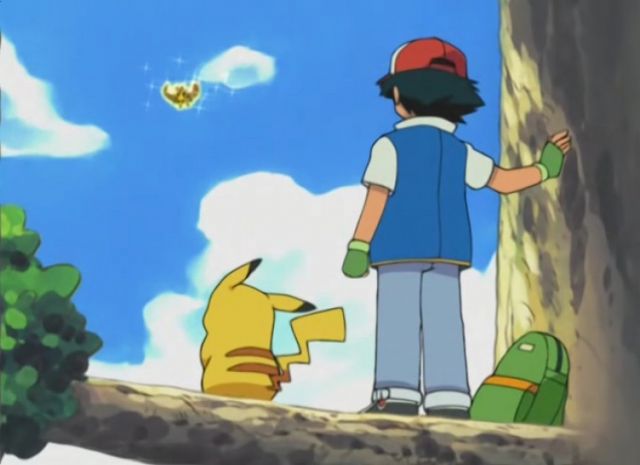
The "Pokemon" anime series has been on the air for nearly 20 years, but in all that time, the protagonist Ash Ketchum has never aged. While this is pretty common in children's cartoons, the very active "Pokemon" fanbase may have uncovered the real reason why Ash is always 10 years old. In the pilot episode, Ash sees the legendary Pokemon Ho-oh. Ho-oh's entry in the Pokedex says that "Anyone seeing it is promised eternal happiness." Ash's idea of eternal happiness is to always be on a Pokemon journey, and Ho-oh granted this for him by keeping him forever young.
advertisement
A matter of perspective...
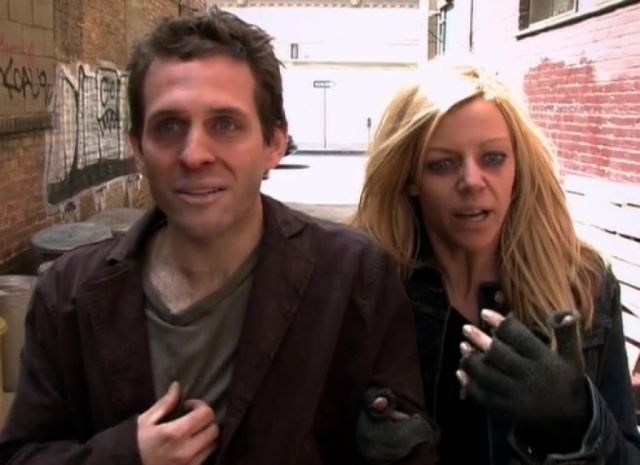
"It's Always Sunny In Philadelphia" is a show that is primarily focused on the delusions of a group of constantly drunk friends, and one fan theory takes that premise to the extreme by positing that three of the main characters look nothing like how we view them. Although Frank and Charlie are okay with their weird selves, and we see them as they are, Mac, Dennis, and Dee all look like movie stars but are never treated as such by other characters. The theory posits that Mac actually has scrawny arms but sees himself as being built since he thinks he can do karate and be a bodyguard, Dennis imagines himself as good-looking but he isn't really, which is why he has to use complex mind games to sleep with women, and Dee still has her back brace on. We are just seeing these three through their own drunk, narcissistic eyes
Heavenly Prince!
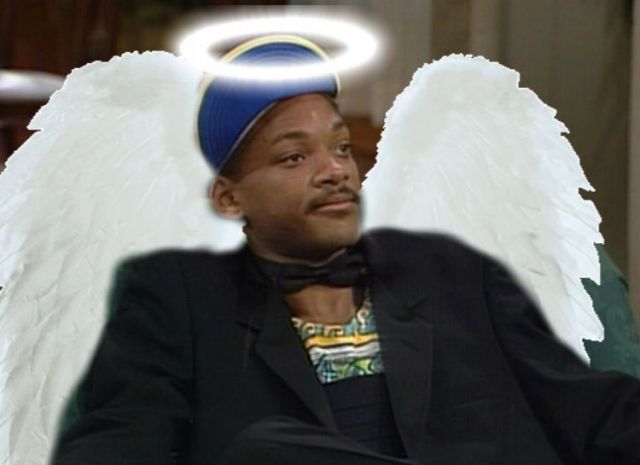
In "The Fresh Prince of Bel-Air," Will Smith moves from his parents' house in West Philadelphia to live with his wealthy aunt and uncle in Bel-Air. One theory claims that Will is actually killed in the fight that is mentioned in the theme song, and the "rare" cab is actually God taking him to heaven. Bel-Air is really heaven, and Will is there coming to terms with the issues he's had with his estranged aunt and uncle who have also died. His parents only appear in Bel-Air on special occasions, and that is when they are visiting his gravesite.
advertisement
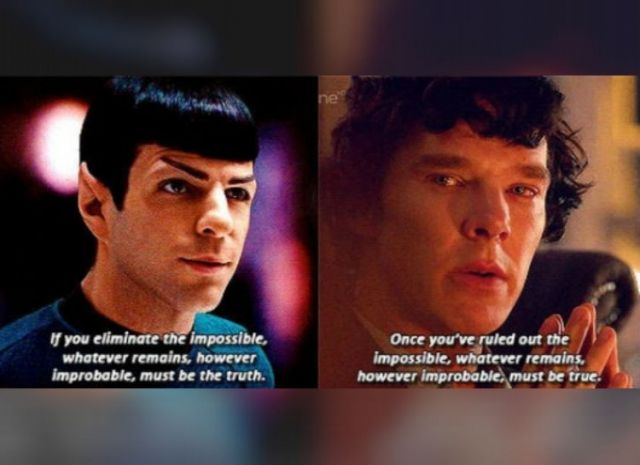
"If you eliminate the impossible, whatever remains, however improbable, must be the truth."
As surprising as this sounds, it's actually not just a fan theory, but canonical. The connection arises over a quote: "If you eliminate the impossible, whatever remains, however improbable, must be the truth." The line is originally from "Sherlock Holmes," and is then quoted in "Star Trek," and is then quoted again in the BBC series "Sherlock," but attributed to Spock in that show! However, in "Star Trek VI: The Undiscovered Country," Spock attributes the quote to "an ancestor of [his]," which makes him canonically a descendent of Sherlock Holmes himself!
advertisement
Snape's sweet secret.
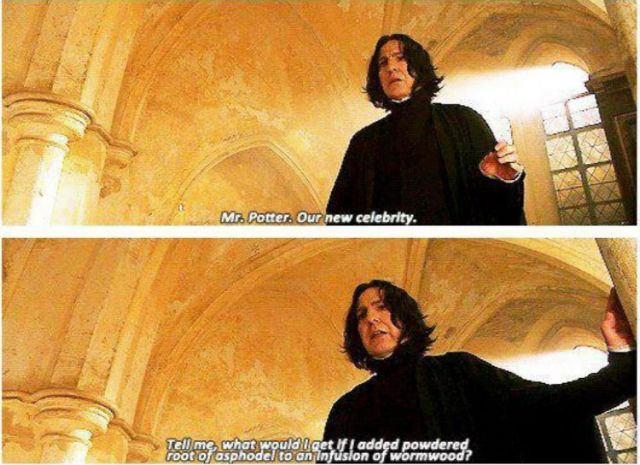
For most of the "Harry Potter" series, we see Snape being harsh or critical towards Harry, but in the end we learn that Snape loved Harry's mother Lily, and was trying to protect Harry the whole time. Snape's first words to Harry are characteristically harsh; barking out a difficult question about a potion. Snape says "What would I get if I added powdered root of asphodel to an infusion of wormwood?" It sounds like a difficult question meant to intimidate the boy, but according to Victorian Flower Language, asphodel is a lily that means "my regrets follow you to the grave," and wormwood represents bitter sorrow and absence. Implicitly, Snape was really saying that he bitterly regrets the death of Lily.
advertisement
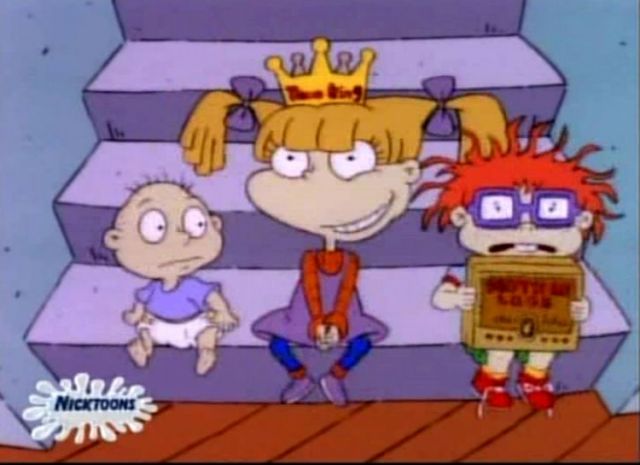
Grand Delusions!
This "Rugrats" fan theory will ruin one of your favorite kid's shows for you. Basically, Angelica invents the other babies in her mind to compensate for her parents' negligence. She imagines that her parents' friends have their own children for her to play with instead of having to always be alone. In actuality, Chuckie died with his mother, which is why his father is a nervous wreck, Tommy was stillborn, which is why Stu is always making toys for the son he never had, and the DeVilles had an abortion, so Angelica invents twins since she doesn't know the gender the baby would've been.
advertisement
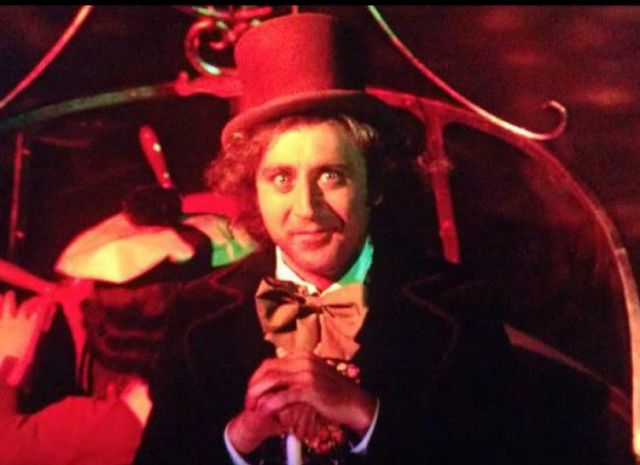
Sugar, spice and everything nice, that's what's Wonka's candy is made of!
Willy Wonka may seem like a nice, fun-loving guy in "Willy Wonka & the Chocolate Factory," but one fan theory points out that the chocolatier may have purposely invited children to his factory knowing that they would die there. After Augustus Gloop is sucked up the tube, the crew gets on a boat, but there aren't two vacant seats for Augustus and his mother. Likewise, they later get into another car with only four seats after more of the children have disappeared. The theory posits that Wonka knew kids would be lost in the factory on the tour, and furthermore that he uses them to make his candy.
advertisement
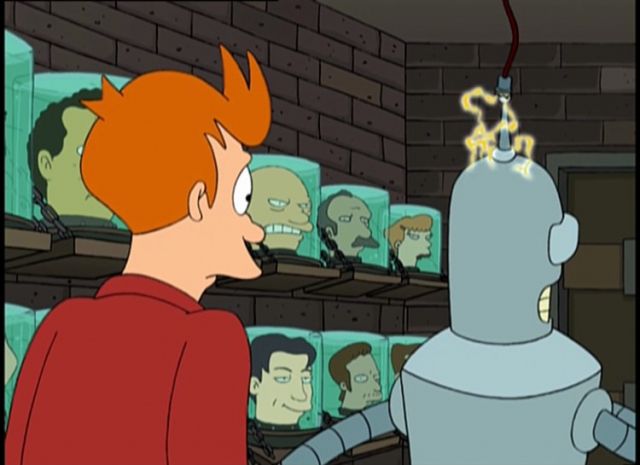
Bender see, Bender do!
In "Futurama," Bender is a comically criminal robot who doesn't bat an eye at breaking the law. However, in his first episode, he is uncharacteristically about to kill himself after learning he has been making suicide booths. One fan theory explains this character evolution through Bender's reboot feature, which we learn about in an episode where he lives with penguins. In that episode, Bender reboots and is set to a mode relevant to his surroundings, which is becoming a penguin. The theory states that when Bender is shocked by an old light fixture in the hall of criminals in the pilot episode, he reboots and matches his surroundings by becoming a criminal himself.
advertisement
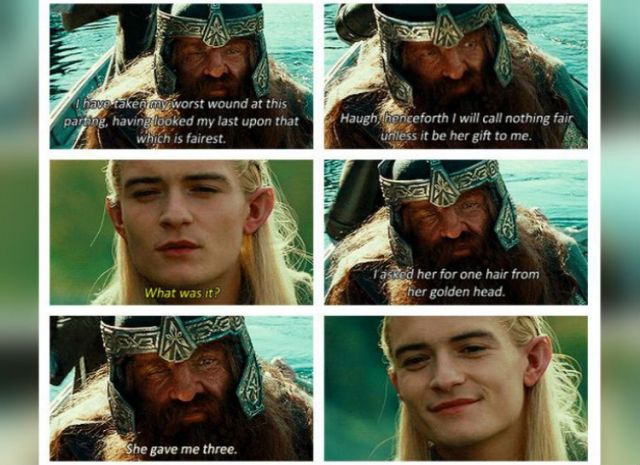
Straight to the heart of it...
In the world of "Lord of the Rings," dwarves and elves have an age-old feud, but Legolas and Gimli grow to be friends despite that. One scene in which Legolas truly sees a friend in Gimli is when the dwarf is describing a gift he received from Galadriel. In the "Silmarillion," Galadriel refuses to give Feanor a strand of her shining hair three times, even though he becomes one of the strongest elves to ever live. But she can see into Gimli's heart, and when he asks her for a strand, she gives him three. Gimli doesn't even know the full significance of this, but still treasures the hairs nonetheless, and it is then that Legolas knows he can be trusted.
advertisement
Nothing like being in the right place at the right time!
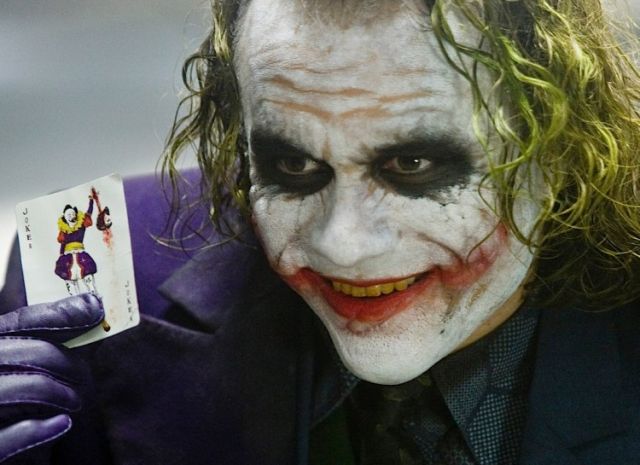
He may seem to be just an explosion-loving madman, but one fan theory puts forth the idea that The Joker actually has his own superpower, even if he isn't aware of it. That is the power of a supernaturally good sense of timing. This explains why the villain has survived countless near deaths, gone through with a number of complex plots, and managed impossible escapes he's always in the right place at the right time. This also explains why he never really confronts his insanity, since everything works out for him he never has to face reality outside of the chaos he himself creates. It seems that only Batman is able to quell this superpower, either through extreme organization and logic or something else, which is why the Joker is so fascinated by him.
advertisement
Couldn't he have just enjoyed throwing out the toys that torment him?
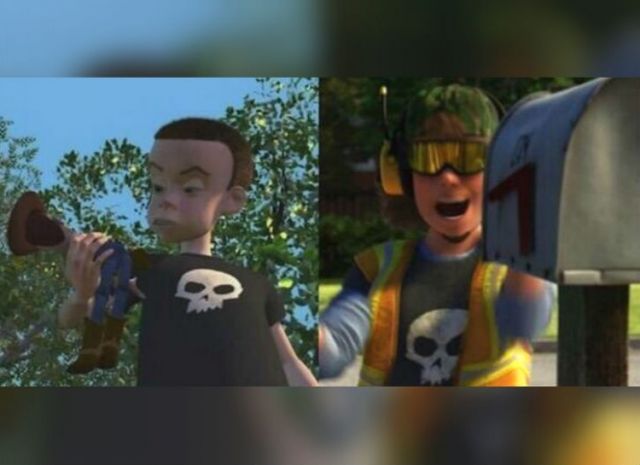
In the original "Toy Story," Sid is a troubled boy who tortures his toys, so they get back at him by coming to life in front of him and creeping him out. Later in "Toy Story 3," we see that Sid has become a garbage man. Throughout the trilogy, Sid is still the only person to have seen that toys can actually come to life, so the fan theory concerning his profession is that he is saving discarded toys. We already know that Sid does actually have a creative ability to repair toys by making hybrids, which may be creepy, but are still functional. Maybe Sid learned his lesson in the first movie and dedicated his life to helping the toys that other children have thrown away.
And so it continues...
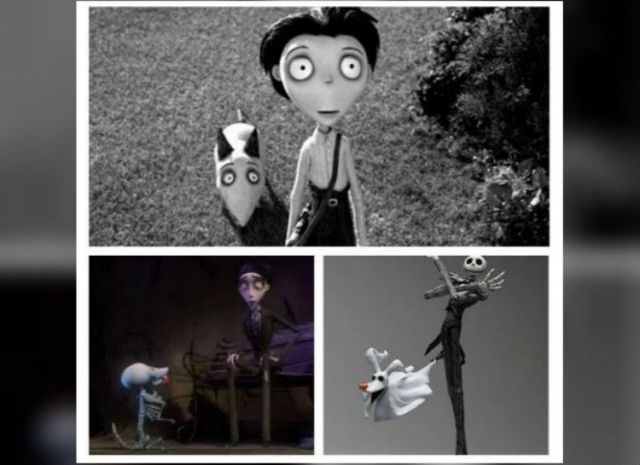
According to this theory, the movies "Frankenweenie," "Corpse Bride," and "The Nightmare Before Christmas" all follow the life and death of the same man and his dog. First comes "Frankenweenie," which tells the story of young Victor Frankenstein who is consumed with reanimating his dead dog Sparky. "Corpse Bride" also focuses on a young man named Victor in what seems to be a similar Victorian-era as "Frankenweenie," and in the film he is reunited with the animated skeleton of his dead dog Scraps. Finally, Jack Skellington is a fully grown skeleton who resembles the Victors of both other films, and is very close with his ghostly dog Zero. All of these films are fascinated with the barrier between life and death, and the similarities between the protagonists and their dogs make a convincing argument that they are the same throughout.
advertisement
Come fly away...
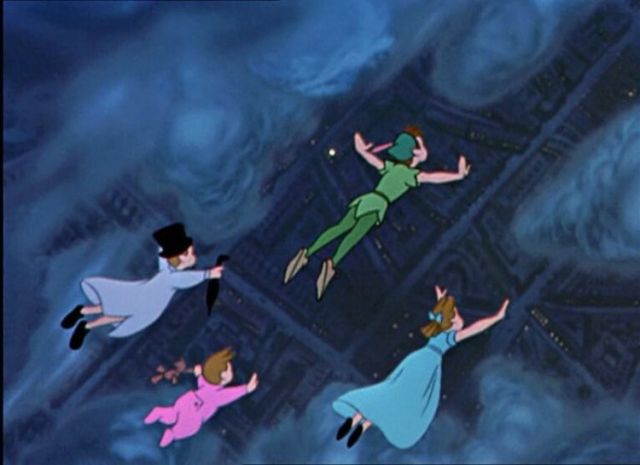
This depressing theory about the world of Peter Pan makes the story much less magical, but it makes sense. Rather than a magical flying boy, Peter Pan was an angel who held children's hands as they died and led them into heaven, or what he called Neverland. That's why the children there never age because they have died.
Pulling societies' cavities one tooth at a time!
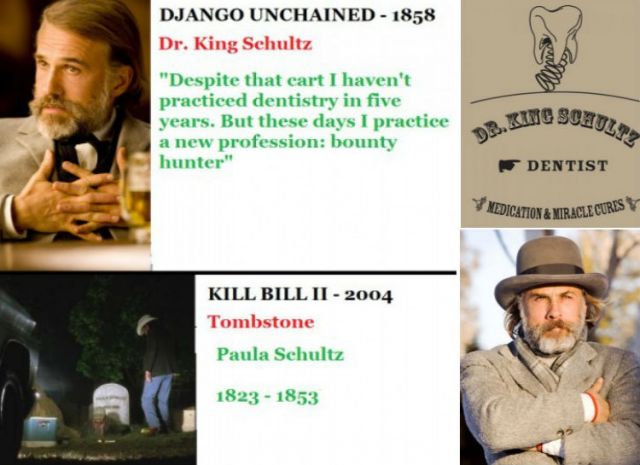
In "Django Unchained," Dr. King Schultz explains the he was a dentist, but quit five years ago to become a bounty hunter. The film is set in 1858, and in "Kill Bill II" you can see a tombstone reading "Paula Schultz 1823-1853" in the background, which might explain Dr. Schultz's change in profession. But Schultz's dental past is still important in the film as a metaphor, as he hunts down the Brittle Brothers and Calvin Candie. The film equates slavery and racism in the American South as a growing cavity, and Schultz is committed to eradicating it.
advertisement
Ignorance is bliss?
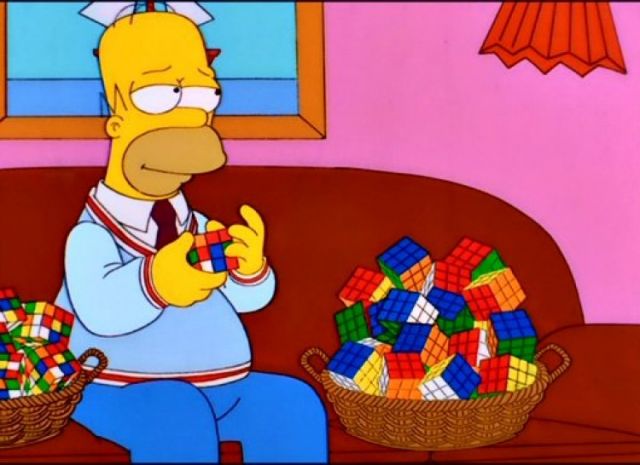
Although they may seem dim-witted, there is canonical proof in "The Simpsons" to prove that it's a show about a family of geniuses, but Lisa is the only member who embraces her gifts. Marge was once an excellent student, but makes the decision to end her academic pursuits in order to be a housewife because that is what makes her happy. We also see in one episode that Homer is one of the smartest men alive, but a crayon lodged in his brain has inhibited his intelligence. He makes the choice to put the crayon back in his brain after his friends and family ostracize him, choosing to be simple but happy rather than intelligent but alone. Bart was also shown to be smart at a young age, but learns that his father has found happiness from his simplicity and concludes that ignorance is bliss. Bart's genius still leaks out in the cleverness of his pranks, but his denial of it inhibits him in school. Finally, Lisa accepts her intelligence, but is the saddest of the characters. The show is basically a discussion of the choice to embrace intelligence or happiness.
Back to the Future!
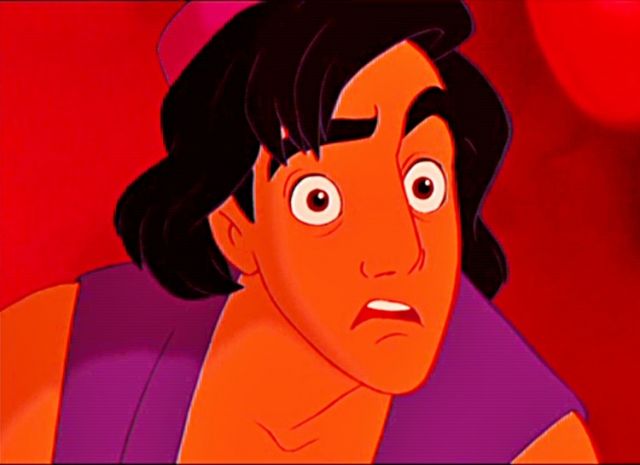
Although it may seem that "Aladdin" is set in an ancient Middle Eastern kingdom, some hints in the movie suggest that it's actually set in a dystopian future. The Genie says that Aladdin's clothes are "so 3rd century," but he's been trapped in his lamp for 10,000 years, so he would only know that if the date was at least 10,300 A.D. From here, the theory is that all of the things thought to be magic are discarded technological marvels of the past, such as flying carpet machines and genetically engineers parrots that can comprehend human speech.
advertisement
No one's home!
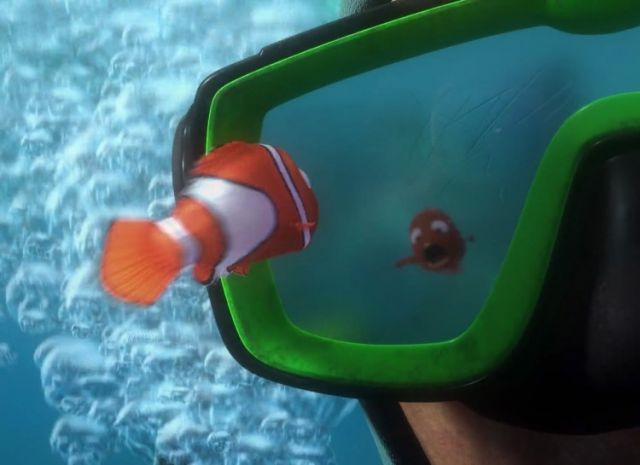
"Finding Nemo" seems to be an uplifting story about a father crossing the ocean to find his son, but one fan theory makes the movie much more depressing. When Marlin's wife and children died at the beginning of the film, Nemo actually died too his name literally means "no one" in Latin. The rest of the movie is Marlin going through the stages of grief: denying Nemo to go to school, anger over Nemo being unsafe, bargaining by putting up with the annoying Dory to complete his journey, despair after seeing his son flushed down the drain, and finally acceptance by learning to let go. Marlin and Dory's most apparent difference is that Marlin clings to the past while Dory easily forgets it, and that makes her happy while Marlin is unhappy.
Nothing like childhood antics to prep for a life of chemistry and crime!
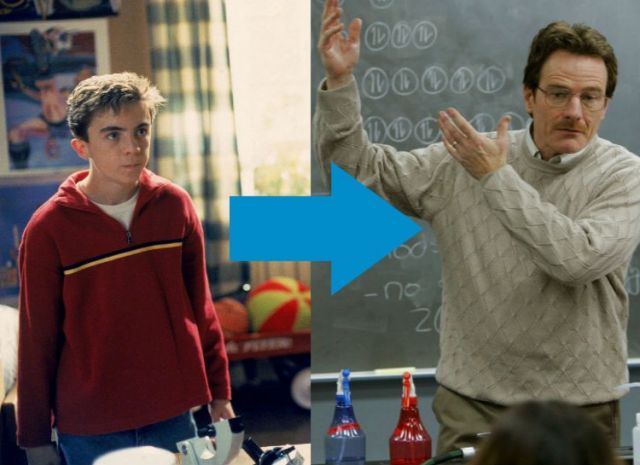
There are a lot of jokes about the incredible character differences between Bryan Cranston's two most famous roles: the happy-go-lucky father Hal in "Malcolm in the Middle" and the brilliant and cruel meth kingpin Walter in "Breaking Bad." However, for all the joking, there is a legitimate theory that Malcolm and Walter are actually the same character years apart. Obviously, Malcolm would probably grow up to look a lot like his dad, and Malcolm and Walt's character traits are very similar: good at chemistry, resourceful, misunderstood, stubborn, and manipulative. The biggest problem is the name change, but it could still make sense, especially due to the fact that Malcolm's grandfather is named Walter and is shown to be the only person who appreciates his genius. Additionally, although Malcolm's last name is said to be Wilkerson, this only comes from one scene where we see the name written on Francis' uniform, but later in the show he wears a name tag that reads "Francis Nolastname," so maybe he was wearing a different cadet's uniform in that episode. It could make sense that Malcolm changed his name to honor his grandfather after failing to make it as a scientist and becoming a high school teacher.