When you think back on the 1980s, a few images tend to come to mind: big hair, shoulder pads, and everything being overly cheesy. This decade did, however, contribute more to popular culture than collectively being known as the "New Jersey" of decades. The decade was also responsible for some of the most classic films ever to grace the silver screen. From The Breakfast Club to E.T. the '80s pumped out hit after hit, shaping an entire generation in the process and inspiring generations to come in all ways imaginable. Take a look at some of the best films from the '80s.
These Are Quite Possibly The Best Movies Of The 80's
By
Michael Avery in
Entertainment
On 20th August 2017
advertisement
#10 Top Gun
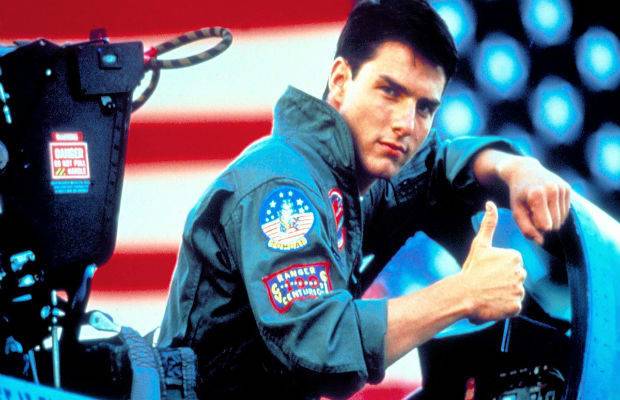
The aviator glasses, the bigger-the-hair-the-closer-to-God blondes, the bad-ass devil-may-care Tom Cruise, the homoerotic volleyball — very few films sum up the '80s better than Top Gun. The action-drama about Navy fighter pilots became the highest-grossing movie in '86, and its aerial scenes are still thrilling to watch. The film is still on everyone's favorite lists, and we're not sure if that's supposed to be tongue-in-cheek or sincere. Like Roger Ebert said, "The good parts of this movie are so good but the bad parts are relentless." We cringe at the bar sing-a-long to seduce women, but it's difficult not to be so amused by everything else that we stop channel surfing every time we catch it on TNT. It has the power.
#9 Creepshow
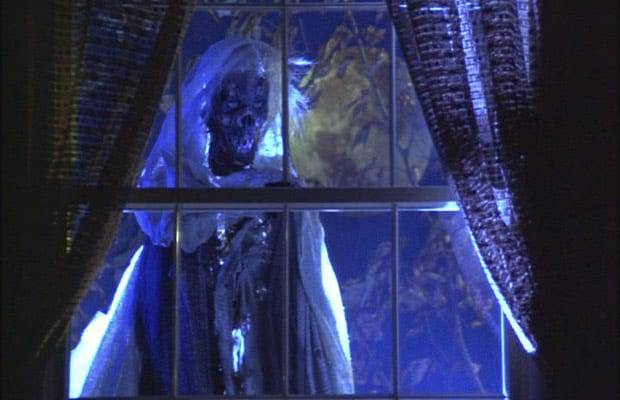
To passionate fans of the quintessential, and hopefully resurging, "horror anthology" format, 1982's Creepshow — the brainchild of Stephen King and George A. Romero — is the genuine article. Because, unlike most genre omnibus features, those jam-packed efforts that feature anywhere from three to five individual segments, Creepshow doesn't have a rotten apple in its bunch. Not all of the five stories are golden, of course, but even the film's weakest link — the Leslie Nielsen-led, zombie-inspired revenge tale "Something to Tide You Over" — is still a hell of a lot of fun. Inspired by the old E.C. horror comics of the 1950s and '60s, King and Romero joined forces to recapture the old E.C. tradition of watching awful people get their gruesome and ironically humorous comeuppances. Even when Creepshow is, pun intended, really creepy, though, its scares are always punctuated by riotous sight gags and a sharp playfulness that invites applause rather than gasps.
advertisement
#8 Down By Law
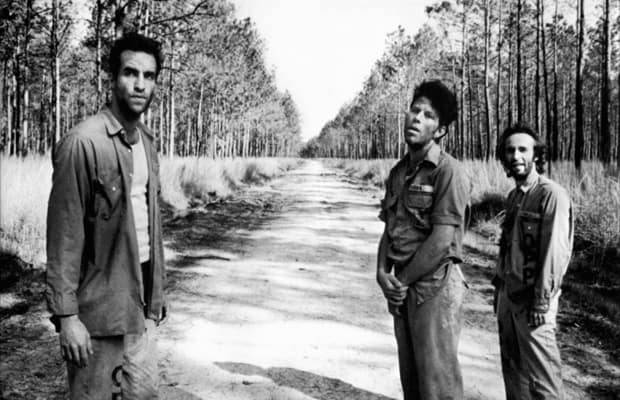
Indie godfather Jim Jarmusch, old deadpan himself, followed up his breakout feature Stranger Than Paradise with another comedy of vagabonds, this time pitting grizzly musicians opposite the lovably weird Roberto Begnini in a jailbreak movie that forgoes The Great Escape model for a scaled-down drama about quiet moments and occasional bursts of lunacy. The three acts of this well-tailored comedy break most of the stereotypes for prison films and even a lot of comedy standards. Jarmusch, works in small scale, bringing a slow and patient camera to his subjects. Few in American film have this sort of patience or think so highly of their viewers.
#7 Full Metal Jacket
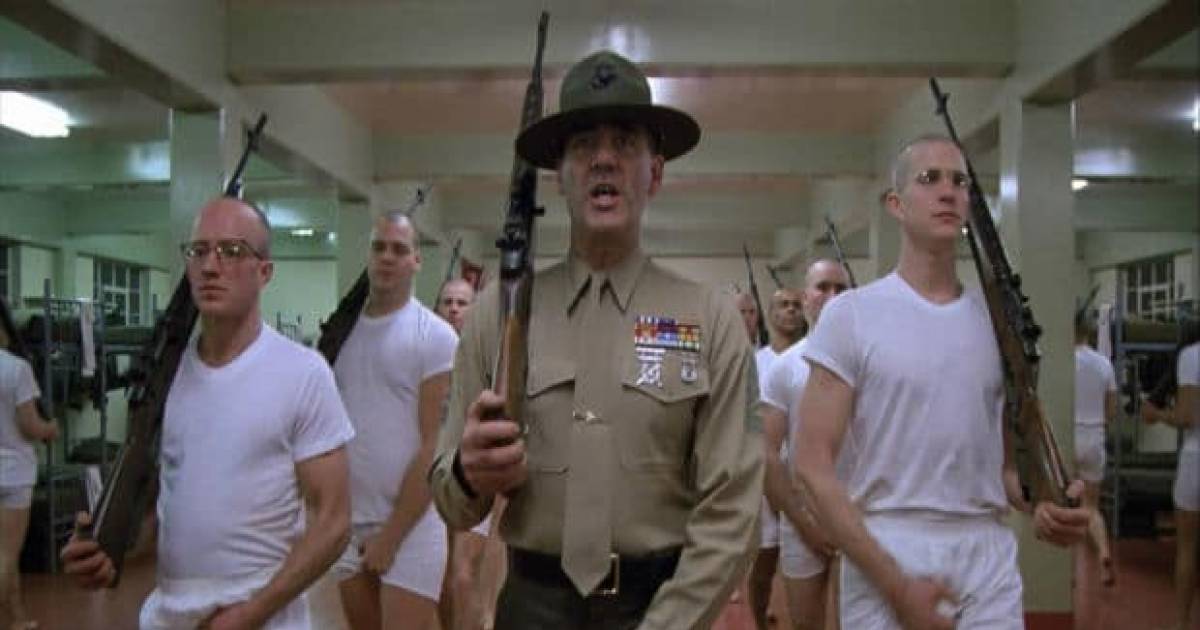
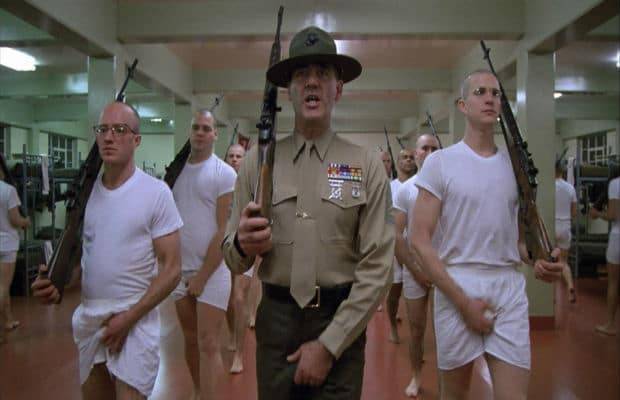
Stanley Kubrick's Full Metal Jacket paints a chilling, psychologically penetrating picture of combat before any characters even step onto a battlefield. A film of two distinctly different halves, Kubrick's follow-up to 1980's The Shining opens with its stronger half, a blunt, searing look inside a hellish boot camp for aspiring soldiers. Though there are several people in the mix, it's really the R. Lee Ermey and Vincent D'Onofrio show, a haunting depiction of how the soldier's life isn't meant for everyone, and how war can be hell before any shots are ever fired. It's worth noting that Full Metal Jacket's second half, during which the graduated cadets finally see combat, isn't nearly as superb as the boot camp section. But, still, Kubrick never loosens the film's tension and visceral hold on the viewer, even when he and his top-notch cast toss in some very dark comedy for the sake of balance.
advertisement
#6 Stand By Me
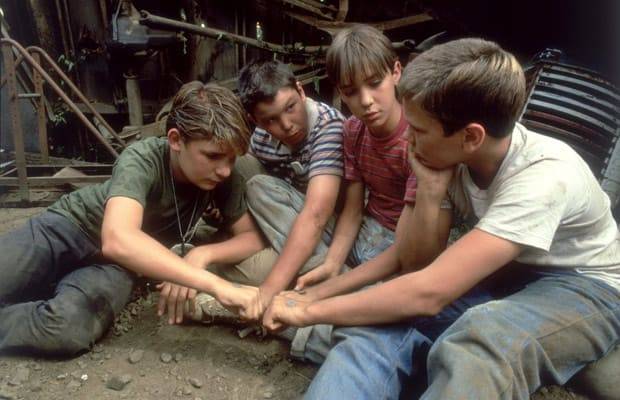
"I never had any friends later on like the ones I had when I was 12. Jesus, does anyone?" An older man's observations on the virtues of young friendship set the tone for the timeless story that follows a ragtag crew of kids on a quest to become local heroes by finding the body of a missing boy. Their coming-of-age story is the kind of adventure you can only have on a summer vacation when long nights and possibility-filled days create crystallized memories you'll recall in detail for the rest of your life. Four kids who find themselves during the length of a break from school could read as too convenient, that is if it weren't so remarkably relatable.
advertisement
#5 Ferris Bueller's Day Off
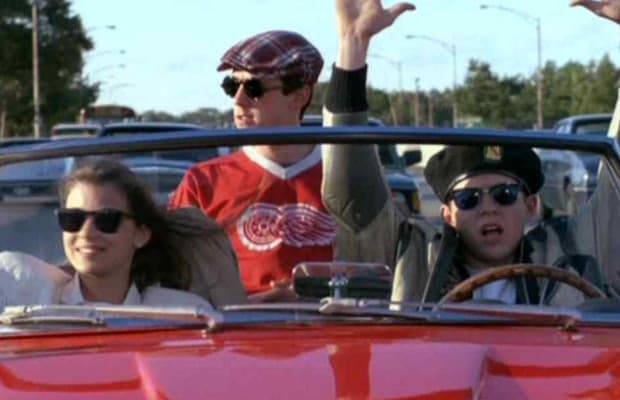
No '80s film could inspire you to live out your youth to its extreme more than Ferris Bueller's Day Off. It's the perfect amalgam of everything you fantasized about while stuck in homeroom. If a joy ride in a Ferrari with your best friend and beautiful girlfriend wasn't already a mind-blowing idea to you, toss in a downtown parade where you perform "Twist and Shout," a free lunch at a fancy restaurant, and the image of your crusty, pornstache having principal getting chewed out by your dog. Heaven has never been represented so accurately in the movies.
advertisement
#4 The Shining
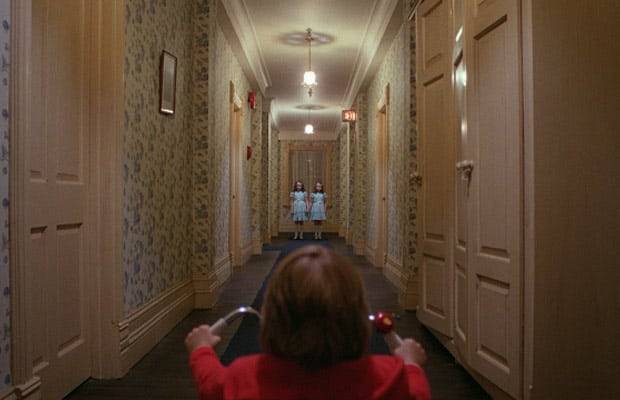
The recent documentary Room 237 has reignited interest in Stanley Kubrick's adaptation of Stephen King's haunted-house masterpiece The Shining. That doc spins increasingly wild theories about the complexity of Kubrick's film, turning the work into a maze for the viewer to get lost in, much like Jack Nicholson's character in the film itself. It's great that Room 237 exists if only to bring more people to The Shining, but truly the film doesn't need it. After all, there's no better place to get lost than in the long corridors of Kubrick's only horror movie. The premise remains just as creepy as it did in 1980: A man accepts a job as the winter caretaker of a massive hotel in Colorado and moves his family there just as the cold sets in among the mountains. But the hotel is the source of great evil.
Whether you want to read the violence as symbolism for the Native American genocide, the Holocaust, or the irrational misogyny of the world, well, that's up to you. You won't have a choice but to be afraid. The music, culled mostly from dissonant 20th century classical, conspires so tightly with the smooth tracking shots and powerful images such as the hemorrhaging elevator and the twins, that only one response is possible: you succumb.
advertisement
#3 E.T.: The Extra-Terrestrial
We were all children once, heading into adulthood with wide eyes, innocence, and wonderment. No filmmaker in cinema's history has worked this angle better than Steven Spielberg, and few movies have bottled the feeling of pre-teen magic better than E.T.: The Extra-Terrestrial. Spielberg hit a sentimental grand slam with the title character, a lovable space invader who befriends a young boy named Elliot and becomes the best friend a kid could ever ask for. The relationship between Elliot and E.T. is the glue that binds Spielberg's flick; it's impossible to watch E.T. and not wish that a cuddly little alien would land in your own backyard.

advertisement
#2 Raging Bull
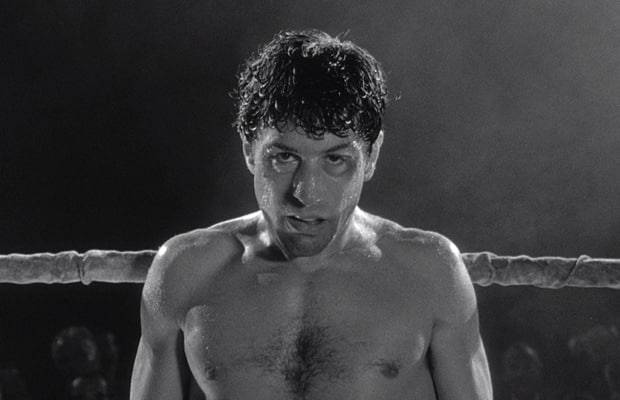
Go ahead and make a list of the Best Sports Movies and place Raging Bull at the top. It's the easy decision, because lots of sports movies are average, largely because they can't their heads out of the game. Martin Scorsese's best film is about the headspace of the athlete, in this case, boxer Jake LaMotta. For a sports movie, there's little time spent in the ring, and when the camera does move between the ropes, it's a ring that's shaped formally by LaMotta's ferocious and roiling interiority. Go back and watch the fights again—you'll see that Scorsese distorts the canvas, shrinks it or makes it vast, depending on LaMotta's mood. During one bout, he photographs the fight with a fire burning beneath the lens; waves of heat wrinkle the image.
Raging Bull is about the inherent ugliness of masculinity as it's been conceived of for generations. Being a man in Raging Bull means being warped by jealousy, inferiority, self-loathing. It's maleness as monstrousness. No wonder the Academy gave the 1980 Best Picture award to Ordinary People, a living room drama. The truth wasn't pretty enough.
advertisement
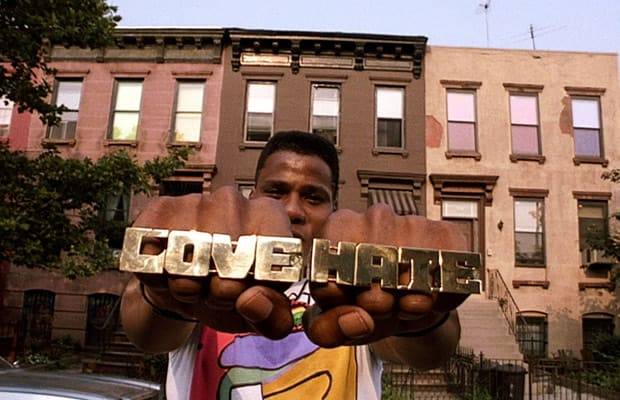
#1 Do the Right Thing (1989)
1989 was a very good year for the American independent film movement. Channeling the political awareness of the New Hollywood directors of the 1970s, Spike Lee and his late '80s brethren heralded the arrival of a new kind of filmmaking. Like most of Lee's films, Do the Right Thing—the story of racial tensions erupting into violence on the hottest day of the summer—was mired in controversy upon its release. Close-minded cultural pundits suggested that the film was likely to spark a series of similar riotous acts.
In 2008, he told New York Magazine: "People like Joe Klein and David Denby felt that this film was going to cause riots. Young black males were going to emulate Mookie and throw garbage cans through windows. Like, 'How dare you release this film in summertime: You know how they get in the summertime, this is like playing with fire.'" No violence came of the film, but it did ignite a dialogue—one which continues today—about the still-simmering tensions that exist in the world but is often denied or covered up. And the film has stood the test of time; it's just as prescient and relevant a film today as it was 24 years ago. Not bad for a script it took Spike two weeks to write.