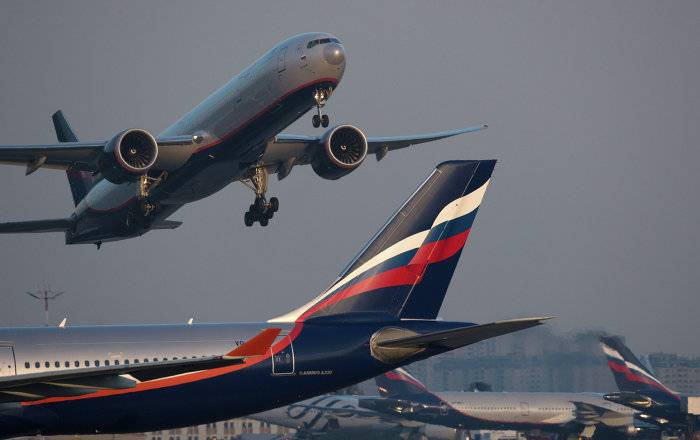
Whether it’s reading a book, binge-watching films or seeing just how many of those little bottles of wine you can put away, everyone has their own way of passing the time on a long flight. But what about the pilots? Ever wondered what a pilot gets up to on a long-haul flight? These are the strict rules they have to obey in the cockpit.
These Are The Very Strict Rules That Pilots Must Obey While In Flight.
By
Sughra Hafeez in
Facts
On 11th November 2017
advertisement
Small Talk
The Sterile Cockpit Rule or Sterile Flight Deck Procedure forbids pilots from making small talk with each other once the plane has descended below 10,000ft.
According to the rule, pilots must “avoid non-essential conversations” past this point, so they are entirely focused on their “their essential operational activities”.
The code reads: “Sterile flight deck procedures are meant to increase the flight crew members’ attention to their essential operational activities when their focused alert is needed.”
Eating
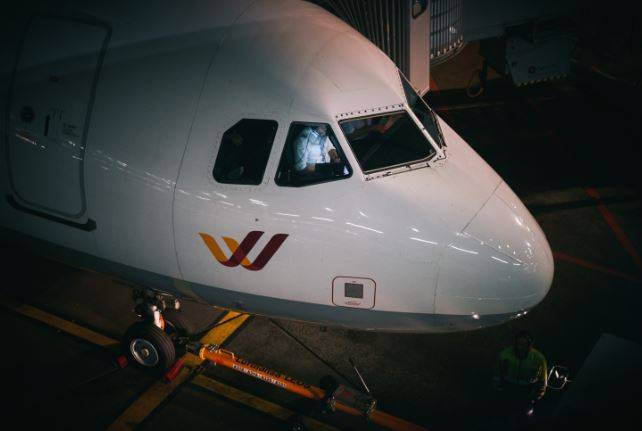
Along with the poor schmucks generally known as passengers, pilots also have to dine on airline food if they're to eat. However, neither of the two pilots are allowed the same meal, even if one of them really wants the chicken. This is on the off chance one of the meals is contaminated, causing sickness, not because airline food is shite.
advertisement
Not flying the plane
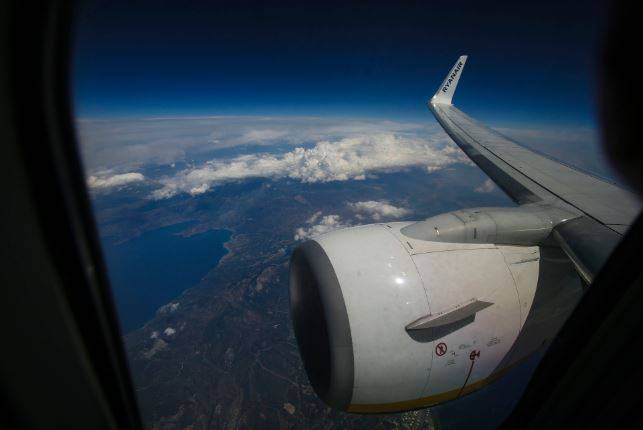
You might like to think that pilots always have their steady hands at the wheel. But in reality, airmen and women normally flick on autopilot within seconds of taking off. In normal circumstances, modern computer tech on passenger planes allows for next to no human intervention apart from during takeoff and landing. While this fact might panic some, frequent flyers need not get too jittery because pilots are constantly monitoring for turbulence and other safety and comfort factors during cruising.
Wireless devices
FAA regulations prohibit commercial pilots from using a personal wireless communications device or laptop computer while at their duty station on the flight deck while the aircraft is being operated. A personal wireless device may only be used if it is directly related to the operation of the aircraft, or for emergency, safety-related, or employment-related communications, in accordance with air carrier procedures.
In general, wireless devices include, but are not limited to, devices such as cell phones, smartphones, personal digital assistants, tablets, e-readers, some gaming systems, iPods and MP3 players, as well as netbooks and notebook computers. The rule does not affect the person occupying the jumpseat
advertisement
Reading newspapers but NOT books
Depending on the airline, most pilots are allowed to flick through a newspaper during their journey. Because papers are usually filled with many short articles, it means that a pilot’s attention is not taken for a dangerous length of time. But the same can’t be said for novels and other lengthy books, which are banned from the cockpit. It is believed a crew member could too easily get swept up in a story and fail to monitor the flight deck regularly enough.
advertisement
Stay ahead of the airplane
Pilots taught to “stay ahead of the airplane” to avoid trouble. Staying ahead of the airplane means knowing exactly where you are and where you’re going at all times. Pilots are always planning the next step, preparing for the airplane’s arrival before it arrives. This keeps pilots aware of their position in the clouds and prevents them from losing track of the airplane’s position as it flies along without any visual reference to the ground.
Preparing for the future and knowing exactly what you plan to do before you do it will serve you well in all aspects of life.