These Breathtaking Phenomena Are Definitely Not Normal, But They Do Exist.
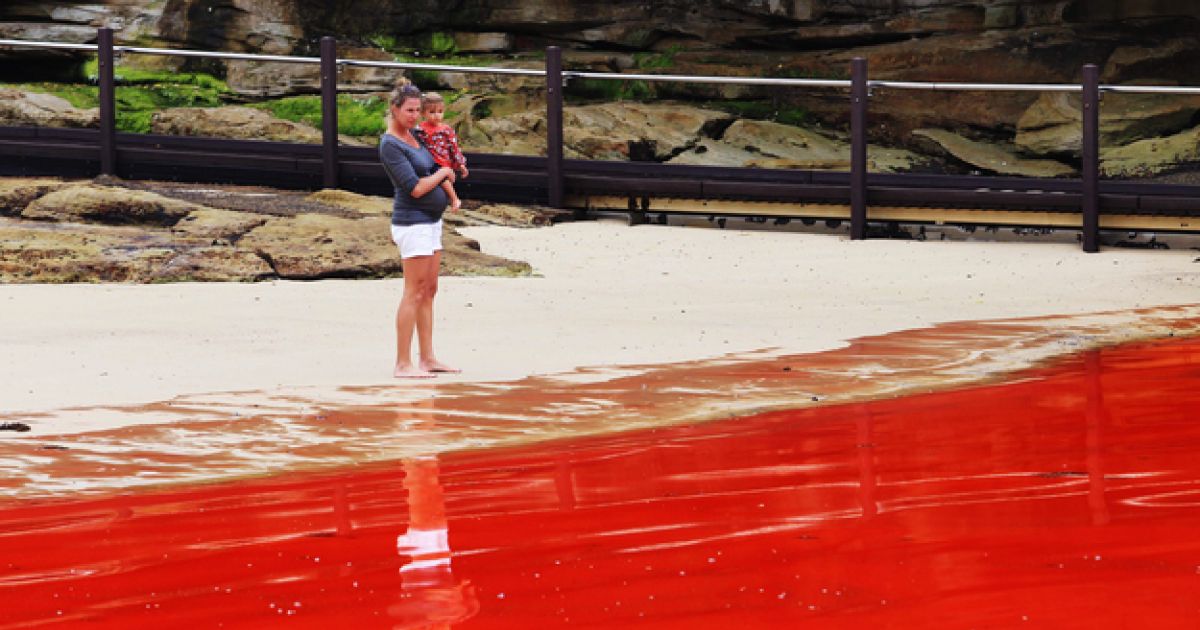
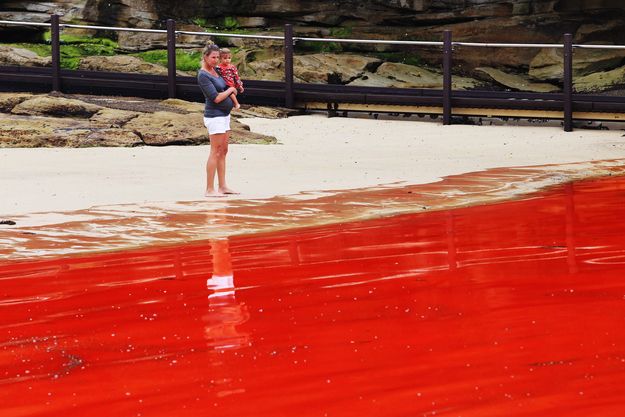
#1 Red Tides
No, this isn't a screenshot from Ghostbusters II. Red tide is a phenomenon caused by algal blooms during which algae become so numerous that they discolor coastal waters.
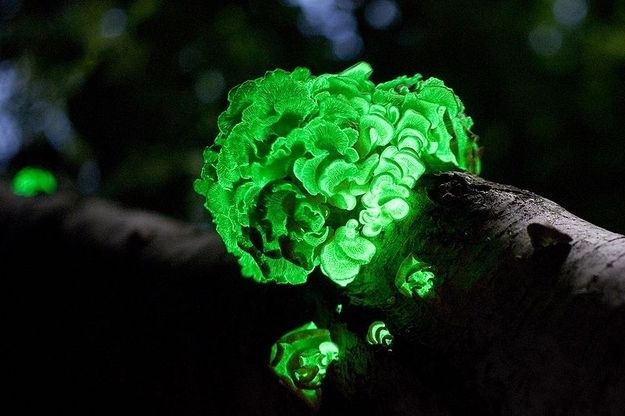
#2 Foxfire
Also known as "fairy fire," this phenomenon is the result of naturally occurring bioluminescence in some species of fungi found on decaying wood. Even the forest needs a night light.
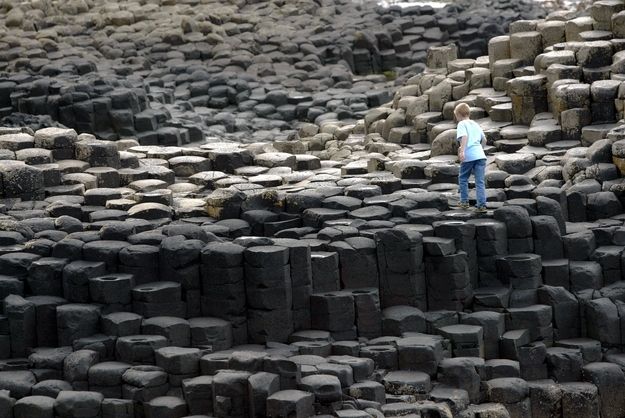
#3 Columnar Basalt
These typically hexagonal columns are formed from a relatively rapid cooling of lava flow. Aside from looking awesome, columnar basalt makes for one mean game of hopscotch.
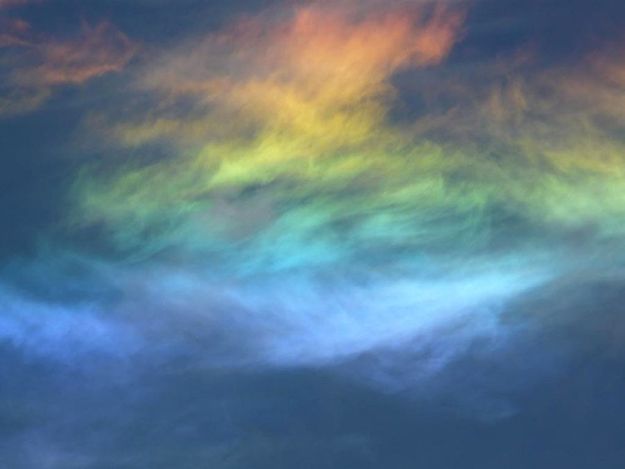
#4 Fire Rainbow
Circumhorizontal arcs, or fire rainbows as they're commonly known, is an optical phenomenon caused by plate-shaped ice crystals in cirrus clouds or when magical ponies fly through the air.
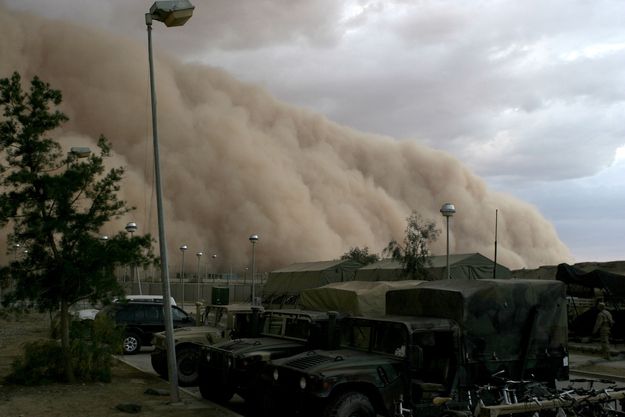
#5 Haboob
A haboob is a type of intense dust storm carried on an atmospheric gravity current, also known as a Weather Front. Haboobs occur regularly in arid regions throughout the world.
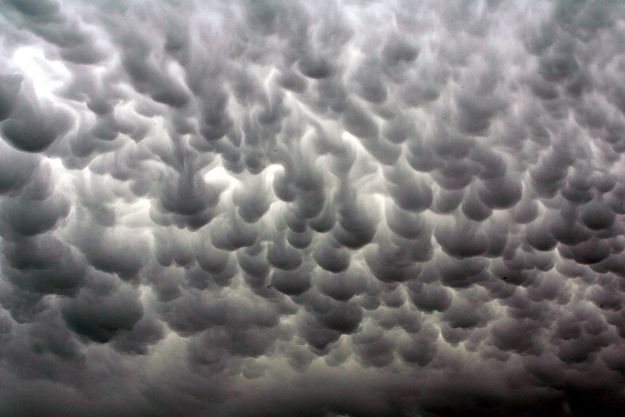
#6 Mammatus Clouds
These marshmallow like cloud structures and a rare example of clouds in sinking air. Sometimes very ominous in appearance, mammatus clouds are harmless and do not mean that a tornado is about to form; a commonly held misconception.
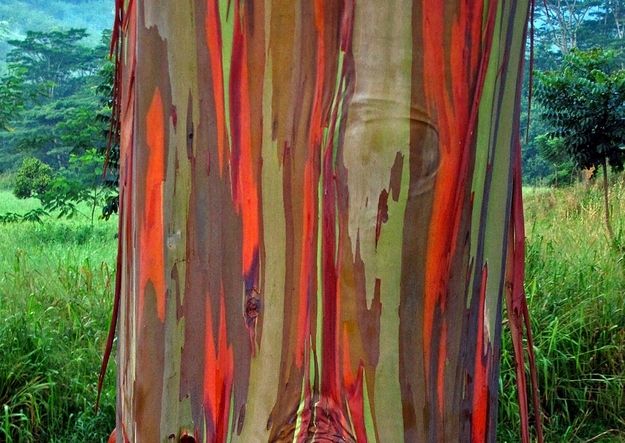
#7 Rainbow Bark
There's no need to adjust the color on your monitor. The bark of the rainbow eucalyptus sheds at different times, thus creating a wide range of different colors as the bark matures.
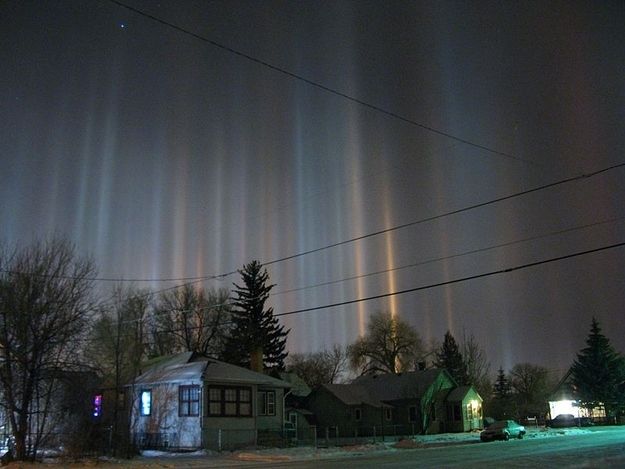
#8 Light Pillars
A light pillar is an atmospheric optical phenomenon in the form of a vertical column of light which appears to extend above and/or below a light source..
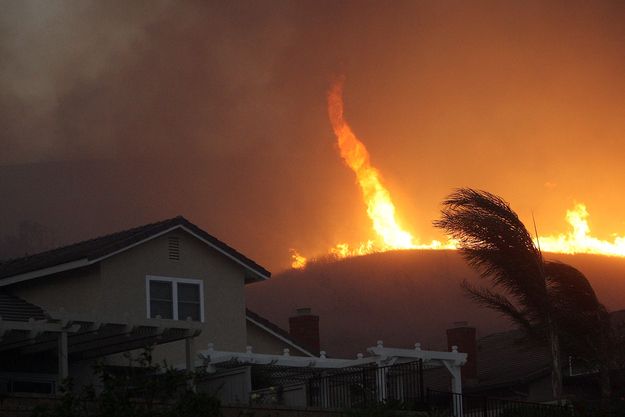
#9 Firenadoes
And you thought regular tornadoes were bad. Popularly known as firenados or fire tornados, fire whirls typically form during wildfires and can be strong enough to uproot trees.
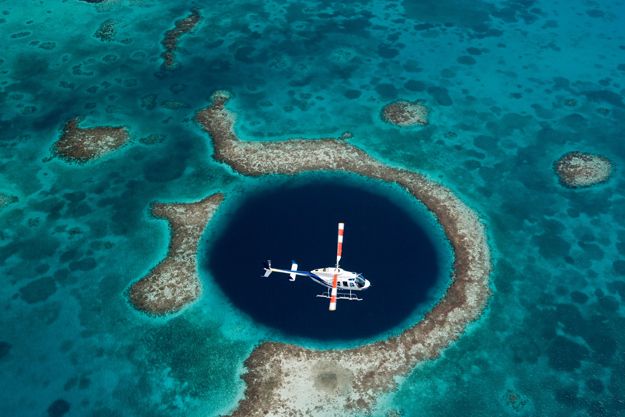
#10 Blue Holes
Blue holes get their name due to the apparent blue color of their surface water. This is generally just a reflection of the sky on the water when viewed from an aircraft. The surface water in some blue holes can be dark, tannin or even muddy, but the deep water below is usually very clear.