These Could Be The Reasons You're Sneezing All The Time
If you’re not much of a sneezer, it can be annoying (and confusing) if you suddenly start having sneezing fits. But sneezing doesn’t happen just because—there’s often a reason behind it.
People sneeze because we all have little hairs in our nose that act as our defenders against outside invaders that may harm us.These little hairs, known as cilia, sense if there is something your nose or body wants to get rid of, and triggers a sneeze to get it out.It is a self-cleansing mechanism, in a sense.
Of course, if you suddenly start sneezing a lot you’re going to want to know why so you can make it stop. Here are a few things to consider.
#1 Allergies
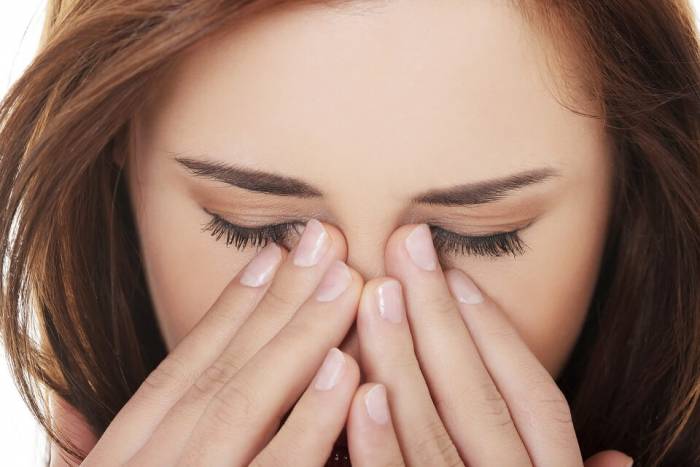
Most of the time, the reason behind your continuous sneezing is some type of allergy. This usually happens when you're suffering from allergic rhinitis, which may affect you in specific seasons or hurt you all year round. Sometimes, you may also be allergic to specific foods, such as dairy.
Sneezing fitsare the most common symptom that you have allergic rhinitis. You may experience bouts of sneezing after you wake up in the morning. Other common symptoms include runny nose, nasal congestion, itchy or watery eyes. This could also be due to seasonal rhinitis, which is characterized by frequent attacks of sneezing. If you're a victim of perennial rhinitis, you're more likely to experience symptoms when you inhale specific antigens, such as house dust mite, pet hair, and fungal spores.
#2 Colds
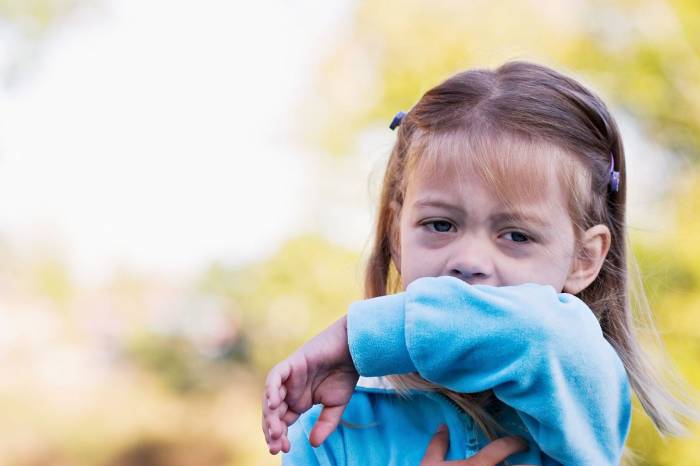
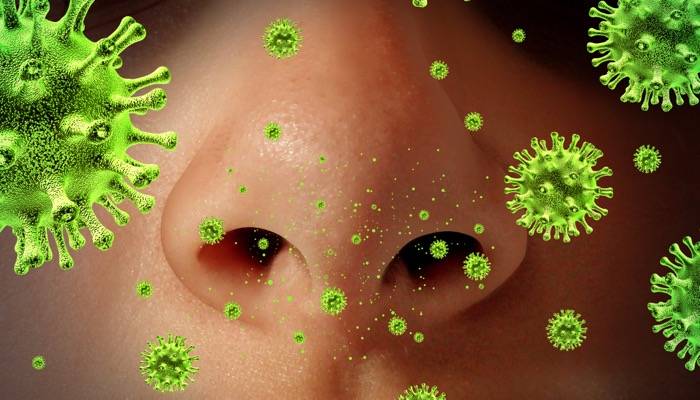
With more than 200 subtly different types of cold virus variants around, it is hardly surprising that we succumb. The virus is transmitted either by direct inhalation (when someone sneezes, a microscopic droplet finds its way into your mouth or nose), or touch.
A good strong sneeze can send 100,000 virus-containing droplets around 3.5 metres into the air, and just one of those droplets can survive for up to 48 hours on a doorknob, TV remote control or a handrail, to be picked up when you touch it.
If you put your hands close to your nose, eyes or mouth, the virus can swiftly enter your body, using your cells as hosts to make thousands of copies of itself. This rapid replication — or more specifically your body’s reaction to it — is what triggers classic cold symptoms.
#3 Dry Atmosphere
Dust mites peak in autumn and winter,as many people switch on their central heating, and the mites thrive in hot, dry environments.
Dust mites are one of the most common causes of allergies, with their droppings triggering asthma, eczema and rhinitis in sensitive people.
Ideal indoor humidity is around 50 per cent, but this drops dramatically in the autumn, making the atmosphere dry — perfect for the dust mites.
Try hanging up your washing indoors, and leaving windows open for a short time, particularly in bedrooms. This can increase humidity and improve ventilation.
Wash all bed linen at 60 degrees to kill mites, and use anti-allergy bedding that will provide protection from them.
Dust mites tend to be attracted to cuddly toys, so place these in the freezer for several hours to kill off mites,
#4 Plucking your eyebrows
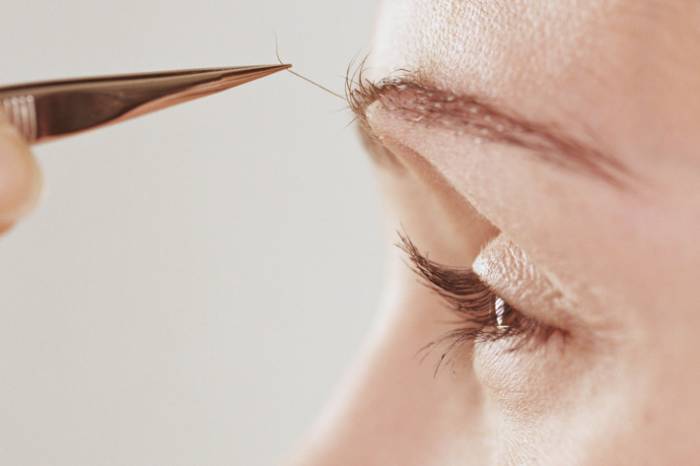
Plucking your eyebrows may make you sneeze.Plucking may set off a nerve in your face that supplies your nasal passages. As a result, you sneeze.
#5 Nasal Irritants
Some people experience nasal symptoms from certain irritants that don’t necessarily cause the same immune response as an allergy. These irritants are often changes in the weather (especially the dry, cold weather of the winter months), cigarette smoke, alcohol ingestion, air pollution, and the smell of chemicals or perfumes. These irritants cause the tiny blood vessels in the nose to open up and leak fluid. This phenomenon is referred to as “vasomotor rhinitis,” and the treatment is a different prescription nasal spray that helps to close off these opened blood vessels.
Nasal saline irrigation can also help to cleanse these pesky irritants out of the nose. If the culprit is job related, wear a mask. If your nose hates your or your partner’s perfume, stop using it.
#6 Your Sunniest Room
Like cold air, bright sunlight is a common — though surprising — trigger for sneezing. This phenomenon is known as a photic sneeze.
#7 Pets
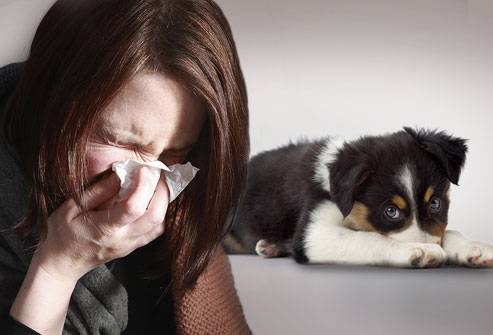
Cat and dog dander, which are flakes of dead skin that collect on fur and other surfaces, contain allergens that can cause serious asthma attacks.Pets also carry outdoor allergens back inside on their coats.
Keep your pets in well-ventilated rooms and never let them sleep on the beds or furniture.
Wipe pets down after long walks and wash their bedding weekly.
You could try a pet cleanser, such as Petal Cleanse made by Bio-Life, which removes allergens from coats.
#8 New Medication
One strange side effect of some medications (like beta blockers or even NSAIDs): Sneezing.Certain medications can lead to strange nerve responses, making you sneeze. Luckily, this is rare. If you notice sudden your suddenly sneezy on new medicine , it can certainly be annoying—but it's not reason enough to stop them on a whim. Talk to your doctor first.
#9 Extreme changes in temperature
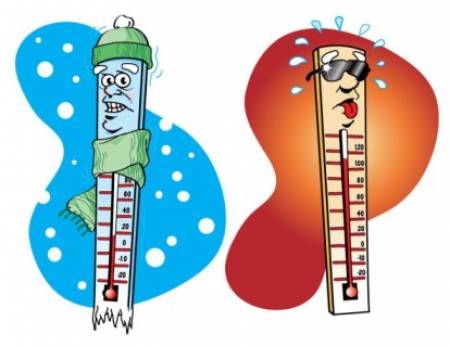
It’s weird but true: Extreme changes in temperature can trigger sneezing. It’s easy to suspect that you might have allergies if you start sneezing the second you step out, but if it stops after a minute or two, it may simply be because of the temperature change.
#10 Sex can be a sneezing trigger
Have sex, must sneeze? It happens more often than you might think. Researchers believe that the stimulation of the parasympathetic nervous system fires off signals in some people to not only enjoy the act of sex, but to sneeze when it's over.