These Fungi Are Making You Sick And You Probably Don't Even Realize It

By Michael Avery in Health and Fitness On 7th February 2016
advertisement

#1

There is reason to believe that fungus could be the hidden cause of many diseases from the flu all the way to cancer.

Sounds like a big claim and a sweeping generalization, but when you take a closer look at it, you will be staggered to discover just how ubiquitous the humble fungus is, and how much ill-health it can cause.

Let's start at the beginning. Nature has a way of eliminating old, decaying matter, whether plant or animal: the fungus. While bacteria are also decomposers, fungi are largely unrecognized for the role they can play in disease, and breaking down the human body prematurely.

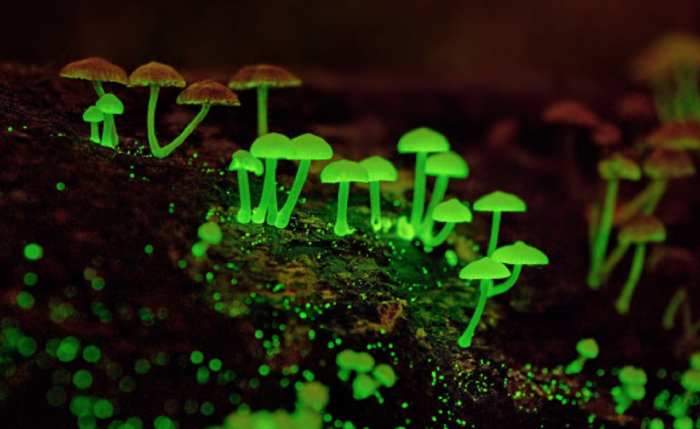
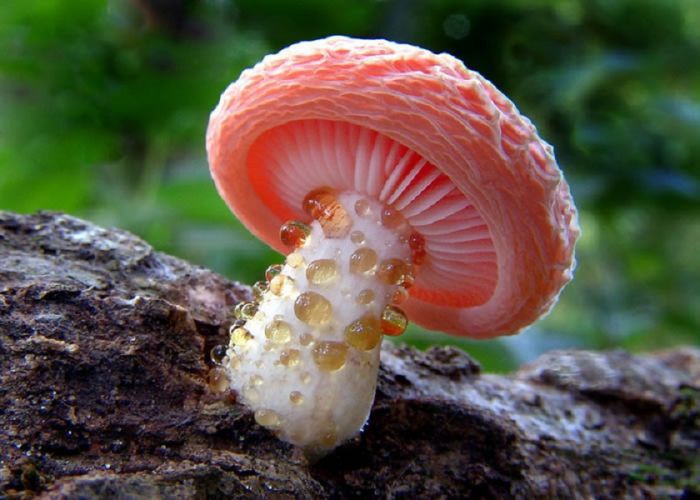
Not all every kind of fungus is "bad" or harmful to your health. For example, many of the Chinese and Japanese medicinal mushrooms, such as reishi, shiitake and maitake, are among the greatest stimulators of the immune system and are superb natural remedies. Other mushrooms like the common button mushroom are also good for your health and high in certain nutrients like vitamin D, which is hard to get from food sources.

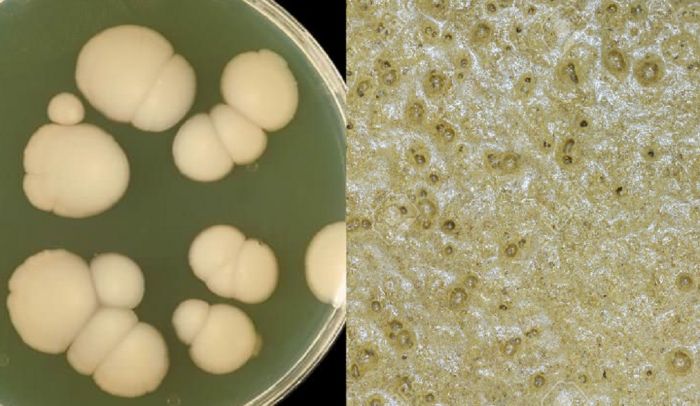
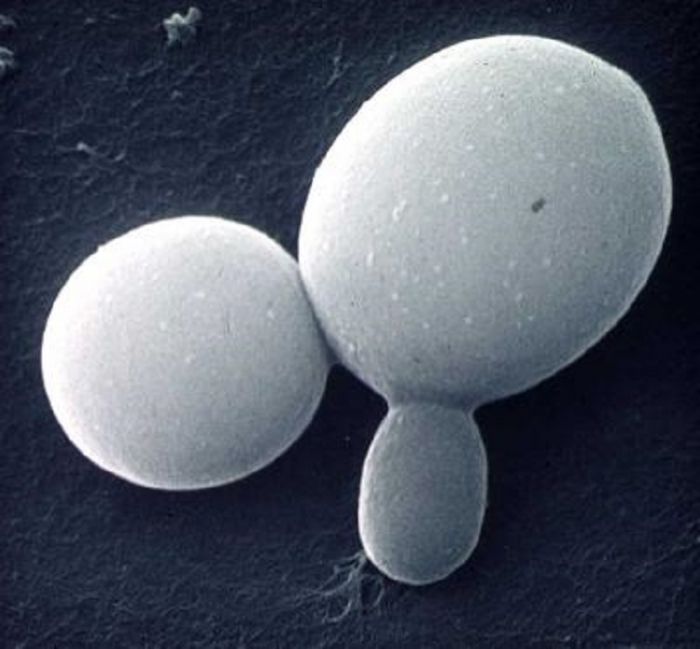
However, I am focusing here not on the more rare beneficial types of fungus, but on the more common and widespread deleterious types of fungus, including yeast (candida), strains of mold and mycotoxins.

Fungi are everywhere in nature. They are tiny and practically invisible. They fly in the air. They survive the cold and dry conditions for years, dormant, just waiting to get activated by a hot, moist and dark environment, or an aerobic environment (one with sugar). They tend to attack or develop only in plants or animals that have an impaired immune system. If the plant or animal is healthy and strong, it will fight off the fungus and prevent it from taking root. However, once the plant or animal becomes weak, the fungus sets in, and slowly takes it over, killing it. The process may take days, weeks or years. (The video clip above shows the cordyceps fungus, some types of which are actually a medicinal mushroom for humans, killing ants through the spread of its spores).

You can see this in action with the way that food decays. Look at how lemons decompose. When they have just come off the tree, they are at usually at their most optimal and vital. Then, gradually, without the support of the immune system of their mother plant (the lemon tree) to give it defense through the tree's branches and the fruit's stalk, it is left on its own to fend off fungi in the air, which it can only do for so long, a few weeks at the very best. Eventually a spot of green mold develops somewhere on the lemon, and it's game over.

The same phenomenon is happening all the time with plants and animals including you. The question is: are you successfully fending off fungi, or has it already infiltrated your body, formed colonies and made a home there?


#2

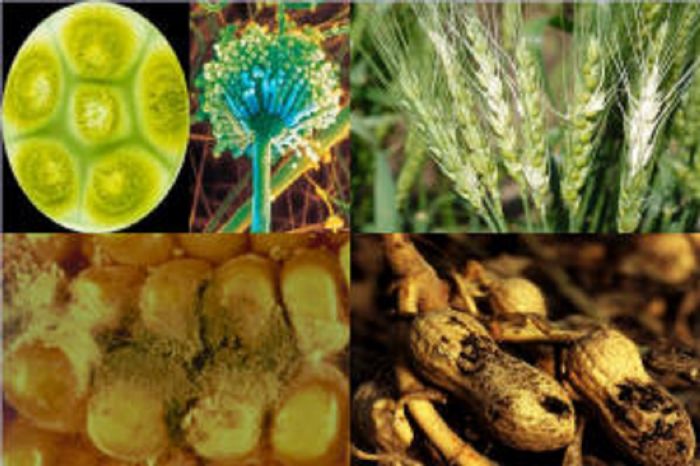
Yeast fungi enter your body when you eat food with hidden mold (or outright mold as in the case of certain mushrooms, molded cheeses and molded breads). Unfortunately there is widespread contamination of food with mycotoxins, especially of grains such as corn, wheat and barley, and other foods such as peanuts. One such mycotoxin called aflatoxin is one of the most carcinogenic substances on earth. It has been estimated that we consume from 0.15mg to 0.5mg of aflatoxin per day, through contaminated food such as popcorn and peanuts.

Of course, fungi can also enter your body if you breathe them in. This could happen if you live or work in a damp environment, sleep on a musty pillow, wear musty clothes, or have items in your house or surroundings which have already been colonized by fungi.

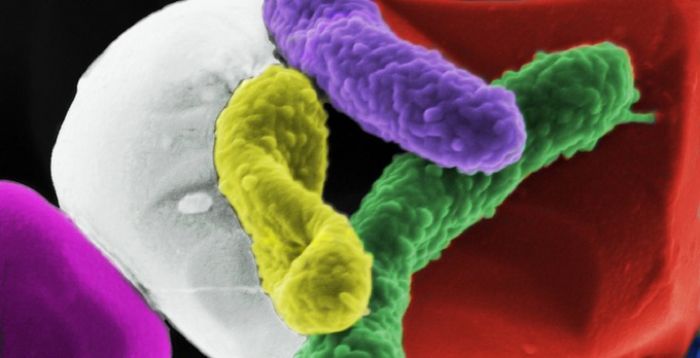
Taking pharmaceutical drugs like antibiotics (which literally means "anti-life") encourages fungal growth in your body, because these drugs indiscriminately kill all the bacteria, including the so-called "friendly" or "good" bacteria that reside in your gut and body. This upsets the balance of bacteria, the basis of your immune system, and inhibits your ability to fight off fungi. Other allopathic promoters of yeast overgrowth are cortisone-based hormonal drugs and painkillers. Additionaly, any fungus loves to feed on simple sugars (monosacchardies). Sugary foods are also detrimental to probiotic gut bacteria. The Standard American Diet contains so much sugar that people's bodies are feeding the yeast all the time, with every meal.

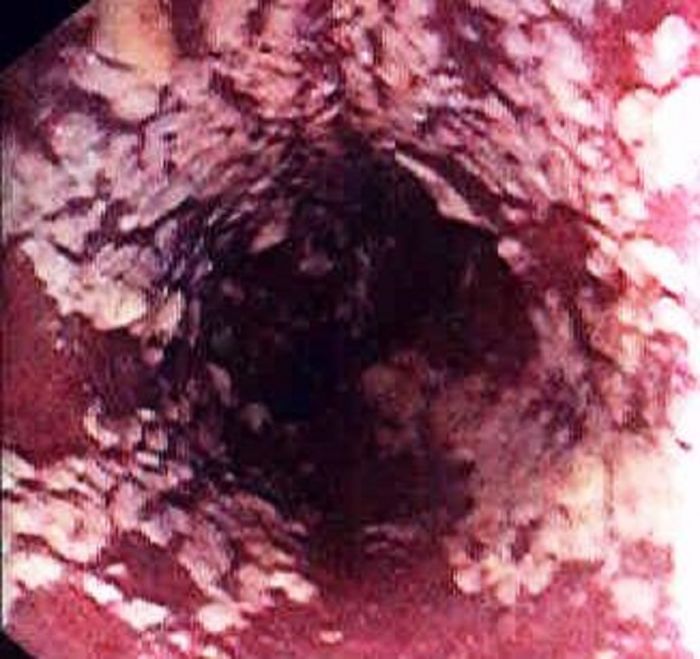
Hence, due to the prevelance of drugs and sugar throughout Western society, we can witness a phenomenon of widespread yeast colonization. The yeast gravitates towards the mucus membranes, damaging the mucosal lining of the gastrointestinal tract by making it porous. Consequently, food particles can enter the bloodstream undigested and cause allergic or toxic reactions. This is known as a "leaky gut".

advertisement

#3

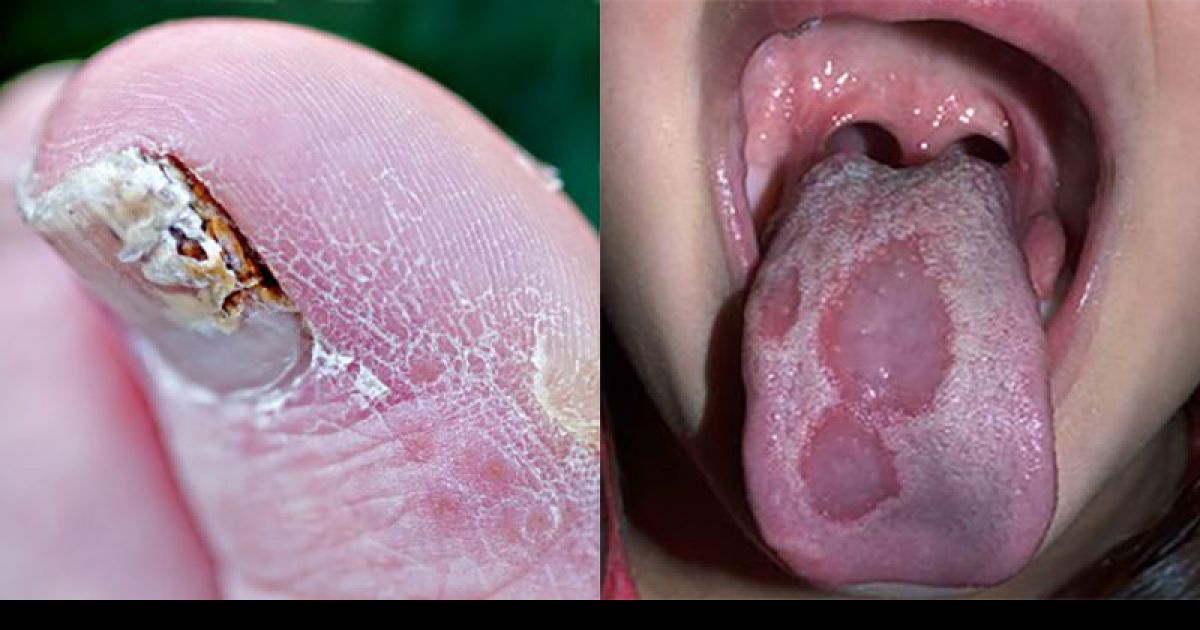
The Candida fungus slips through the stomach pores and enter the bloodstream. They are very adaptable; they can then travel to all corners of your body via your blood, causing local allergic symptoms like thrush, sinusitis, fungal toenails, or causing diseases throughout the whole body like colds, flus, hay fever, psoriasis, hypoglycemia, arthritis, diabetes, CFS (Chronic Fatigue Syndrome) and even depression.

#4

If you have a candida infection throughout your body, it can seriously weaken your immune system. Not only that, but candida excretes toxins which further degrade the body. The major waste product of candida is acetaldehyde, which turns into ethanol. Ethanol is a good fuel for machines but is a toxin for the human body. It reduces strength and stamina and results in excessive fatigue. It also destroys enzymes needed for cell energy, and causes the release of free radicals that can damage DNA.

To make things even worse, ethanol also inhibits the absorption of iron. Since iron is the primary element of hemoglobin (or blood), if you are not assimilating enough iron, you are going to have problems getting enough oxygen, which is of course vital to all bodily functions. Disease cannot exist in an oxygen-rich environment, and conversely, disease will thrive in a low-oxygen environment.

advertisement

#5

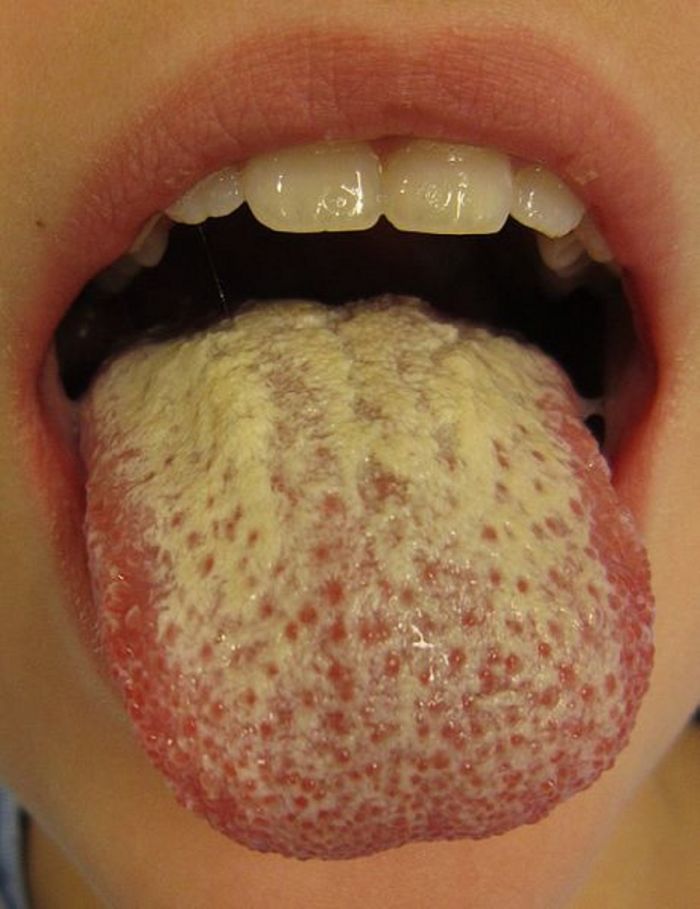
Oral thrush occurs when a yeast infection develops on the inside of your mouth and on your tongue. This condition is also known as oropharyngeal candidiasis.

Oral thrush occurs when your immune system can't maintain its natural defense against the Candida albicans fungus.

Normally, your immune system uses "good" microorganisms to keep Candida albicans and other "bad" microorganisms under control. Taking antibiotics, which kill off the "good" bacteria that would naturally prevent infection, can allow the fungus to multiply.

Diseases such as HIV/AIDS and cancer attack your immune system. Cancer treatments, including chemotherapy and radiation, can damage or kill healthy cells. This also makes you more susceptible to infections such as oral thrush.

Diabetes also can contribute to oral thrush. If you have uncontrolled diabetes, you likely have a high level of sugar in your saliva. Candida albicans can use this extra sugar to fuel its growth in your mouth.

In newborns, oral thrush can be contracted at birth. Women who have vaginal yeast infections can pass the infections to their newborns during delivery because the same fungus that causes yeast infections causes oral thrush.

advertisement

#6

For patients with healthy immune systems, complications from oral thrush are rare. Patients whose immune systems are weakened by disease or chemotherapy are the most likely to experience complications. In these patients, the fungus may multiply, enter the bloodstream, and spread throughout the body. The infection can spread to various locations, including the brain, heart, joints, eyes, kidney, liver, or lungs.

Infants who develop oral thrush also may get a severe diaper rash.

advertisement

#7

Chronic fatigue syndrome is a complicated disorder characterized by extreme fatigue that can't be explained by any underlying medical condition. The fatigue may worsen with physical or mental activity, but doesn't improve with rest.

The cause of chronic fatigue syndrome is unknown, although there are many theories ranging from fungal infections to psychological stress. Some experts believe chronic fatigue syndrome might be triggered by a combination of factors.

There's no single test to confirm a diagnosis of chronic fatigue syndrome. You may need a variety of medical tests to rule out other health problems that have similar symptoms. Treatment for chronic fatigue syndrome focuses on symptom relief.

advertisement

#8

Types of fungal infections

Fungal infections are often described as opportunistic or primary. They can affect many areas of the body (systemic) or only one area (localized).

Opportunistic fungal infections take advantage of a weakened immune system. Thus, they usually occur in people with a weakened immune system, such as those with AIDS. They occur worldwide. Typical opportunistic fungal infections include

Aspergillosis

Candidiasis

Mucormycosis

Opportunistic fungal infections can be very aggressive, spreading quickly to other organs and often leading to death.

Primary fungal infections can occur in people with a normal immune system, sometimes with serious consequences.

Certain primary fungal infections are more common in certain geographic areas, as in the following examples:

Histoplasmosis is especially common in the Ohio and Mississippi River valleys, central New York, and Texas in the United States. It also occurs in parts of Central and South America, Africa, Asia, and Australia.

Blastomycosis is particularly common in the eastern and central United States. It also occurs in Africa and in the Saint Lawrence River valley of Canada.

Coccidioidomycosis occurs almost exclusively in the Southwest and the central valley of California in the United States and in parts of Mexico and Central and South America.

Paracoccidioidomycosis occurs mainly in certain parts South and Central America.

Because many primary fungal infections develop slowly, months or years may pass before people seek medical attention. Typically, if the immune system is normal, fungal infections do not spread to organs deep in the body.

Localized fungal infections affect only one area of the body. They sometimes occur when the normal balances that keep fungi in check are upset. For example, certain types of fungi (such as Candida) are normally present on body surfaces or in the intestine. The bacteria normally present in the digestive tract and vagina limit the growth of these fungi in those areas. When people take antibiotics, the helpful bacteria can be killed, allowing the fungi to grow unchecked. The resulting overgrowth of fungi can cause symptoms, which are usually mild. As the bacteria grow back, the balance is restored, and the problem usually resolves.

Localized fungal infections typically involve the skin and nails, vagina, mouth (see also Gingivitis Due to Infections), or sinuses.

advertisement

#9

Treatment

Antifungal drugs

Several drugs effective against fungal infections are available, but the structure and chemical makeup of fungi make them difficult to kill.

Antifungal drugs may be applied directly to a fungal infection of the skin or other surface, such as the vagina or inside of the mouth. Antifungal drugs may also be taken by mouth or injected when needed to treat more serious infections. For serious infections, several months of treatment are often needed.

advertisement

#10

The World's Top 5 Antifungal Foods

Baking soda is a very effective antifungal agent, but it is hardly a "food". It is more of an ingredient you may put in your food now and then, e.g. if you are baking something you want to rise. Here is a list of the world's top 5 antifungal foods which you can incorporate into your diet today:

Coconut oil

Coconut oil is an incredible antifungal substance. Its antifungal power is mostly due to one of its constituents, caprylic acid. Numerous studies have been done (click here, here and here for instance) showing its incredible antifungal power against all sorts of fungi including candida.

ACV (Apple Cider Vinegar)

Vinegar by its very nature is an antifungal substance because in the process of making it, whether from apples, grapes, rice or other grains, it turns into alcohol and then ferments again. The process involves exposing it to the ambient bacteria and fungi; thus the end product has already developed significant resistance to fungi, or it would not exist as an edible food product at all. ACV or apple cider vinegar is the best of all vinegars when it comes to fighting fungi click here for a study showing its antifungal properties against candida.

Garlic

Garlic is a without doubt one of the world's most superb natural remedies for many ailments, especially viruses and fungi. Containing powerful constituents like allicin, garlic has been held in the highest respect by millennia-old healing modalities like TCM (Traditional Chinese Medicine). Here is one study showing its efficacy against candida.

Clove

The humble clove spice is truly remarkable for a variety of reasons, including its off-the-charts antioxidant levels, and its sensational ability to ward of fungi. Mold can't touch this stuff! Here is one of many studies (on eugenia jambalona) showing its antifungal properties against candida.

Black Walnut

This one is the least common food and the hardest to obtain. Studies have shown that the active ingredient in black walnut, juglone, is as effective as some commercial antifungal drugs. Black walnut contains natural tannins that kill parasites, yeast and fungi. It is well known in the horticultural world as a danger to other plants. Juglone has antibacterial properties too. Additionally, black walnut can also rid your body of worms and parasites, as well as helping with lowering blood pressure, thyroid problems, diarrhea, sore throats and asthma.

advertisement

#11

Who Gets Fungal Infections?

Anyone can get a fungal infection, even people who are otherwise healthy. Fungi are common in the environment, and people breathe in or come in contact with fungal spores every day without getting sick. However, in people with weak immune systems, these fungi are more likely to cause an infection.

People with weak immune systems

Infections that happen because a person's immune system is weak are called opportunistic infections. These illnesses can be caused by bacteria, viruses, or fungi. Many fungal infections are opportunistic infections.

What weakens an immune system?

Some people are born with a weak immune system. Others may have an illness that attacks the immune system such as HIV/AIDS. Some medications, like corticosteroids or cancer chemotherapy, can also lower the body's ability to fight infections.

If you have a weakened immune system, you should be aware that fungal infections can happen. Learning about fungal infections can help you and your doctor recognize them early. This may help prevent serious complications.

Fungal infections can also happen in people without weak immune systems

Fungal infections that are not life-threatening, such as skin, nail, or vaginal yeast infections, are common.

Some infections can be more serious. Lung infections like Valley fever or histoplasmosis can happen in people who live in or visit certain areas.

advertisement

#12

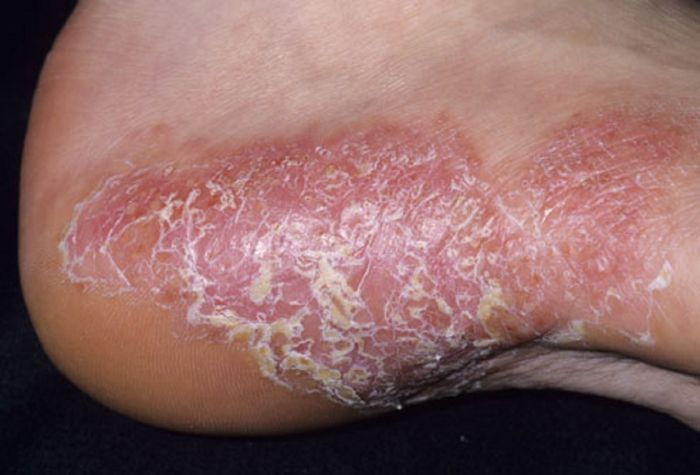
The tendency for fungus to recur in many adults, especially on the feet and toenails, is a genetic condition. Their skin cannot recognize the fungus as foreign and get rid of it. After having a fungus there for a while the body's immune system learns to live with the fungus and no longer tries to get rid of it.

Children only rarely get fungal infections of the feet, especially before the age of five. Their bodies still react vigorously to the fungus. For some reason, they are more likely to get it on the scalp than adults are.

Fungus is all around us, on floors, in dirt, and on other people. It is hard to avoid forever. It likes warmth and moisture, making certain parts of the skin more vulnerable. A fungus is a superficial skin problem, not an internal one. It does not spread by going inside the body. Cortisone creams, tried by many patients, help fungus grow! The rash may get less red and itchy at first, but spreads out and recurs, itchier than ever, when the cortisone is stopped.

#13

A fungus sheds "spores", like tiny seeds, which wait for the right moment to grow into new fungus. The most common place for these spores to collect is in shoes. Therefore, after effective treatment, a fungus may recur quickly where spores are present. Fungus doesn't care what color the socks are. White socks offer no advantage. Absorbent cotton or wool socks are best.

Some Rules for Prevention: Remember, nothing works one hundred per cent. Try combinations of these ideas.

Use the medicine completely and as recommended. The fungus may till be present long after it is no longer visible as a rash.

Keep feet clean, cool and dry. Change socks. Wear shoes that "breathe" like leather, rather than plastic.

Make sure shoes fit correctly and are not too tight.

Apply an anti-fungal cream, like Lotrimin or Lamisil, or a prescription antifungal cream to the bottom of the feet, and on the nails, about twice a week. This may help prevent early re-growth of the fungus. In some cases, an oral medication may be prescribed.

Avoid walking barefoot, especially in bathrooms, locker rooms, gyms, on carpeting, and in public bathing areas. Wear slippers or stand on a towel or piece of paper.

Keep toenails short, cut straight across and avoid ingrown nails. Do not use the same clippers on abnormal nails and normal nails.

Family members and close personal contacts should treat any fungus infections they may have to avoid trading back and forth.

Apply an anti-fungal powder, like Zeasorb-AF to the shoes every day, to keep spores from growing.

Discard old shoes, boots, slippers and sneakers. Do not share footwear with others.

If one has had a body fungus, in the groin or elsewhere on the skin, consider using an anti-dandruff shampoo, like Selsun Blue on this area twice a month. Lather up and leave it on the skin for about five minutes, then wash off completely. In some cases a preventive medication may be prescribed.