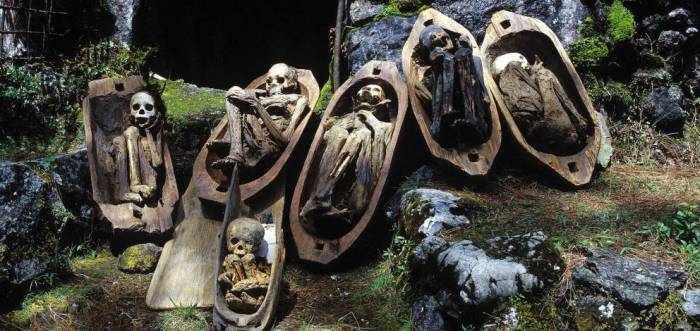
Mummification of the dead is a well-studied practice from ancient times, particularly as it relates to the Egyptians and their heavily bandaged and embalmed corpses. However, the discovery of some carefully preserved remains in the Philippines has brought a different type of mummy to light—the fire mummy. These ancient bodies have given researchers new insight into a unique mummification process and the interesting tribal culture that prepared them. When the caves of the fire mummies were first discovered in the early 20th century and left generally unprotected, the discoveries inside were often plundered, causing the Filipino government to become secretive about their location. The caves are now considered one of the most endangered sites in the world.
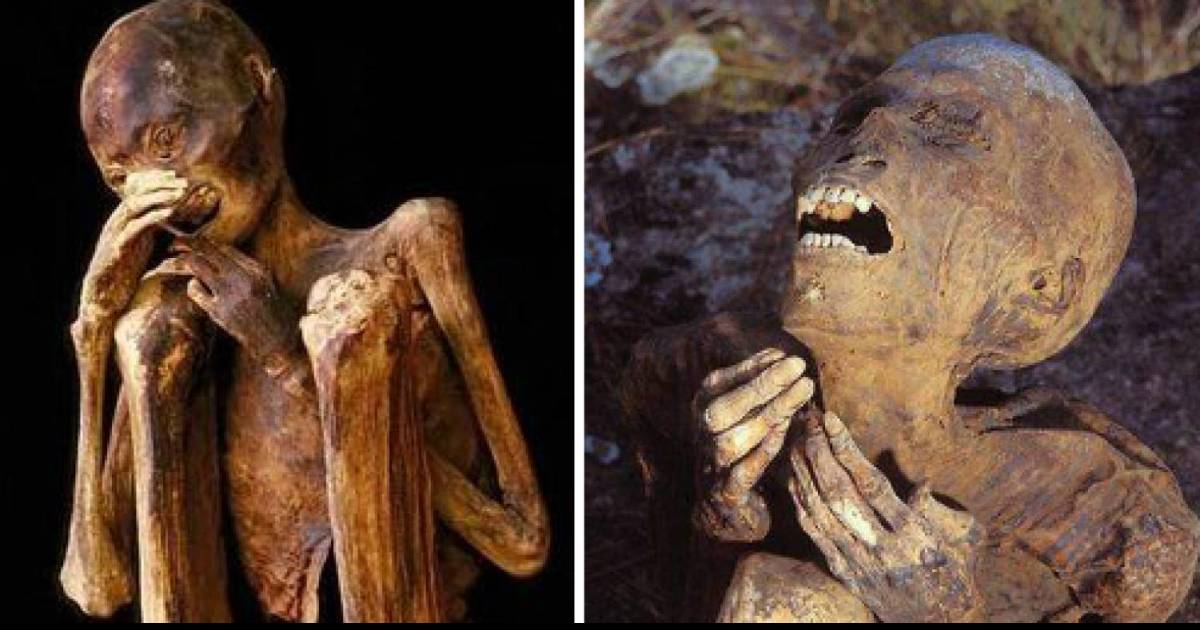
These Rare Ancient Fire Mummies Were Made By Literally Blowing Tobacco Smoke Inside Them
#1 Ibalois People
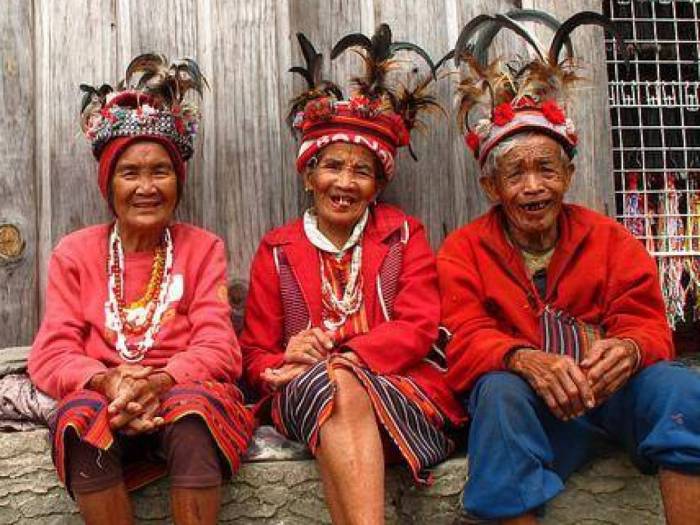
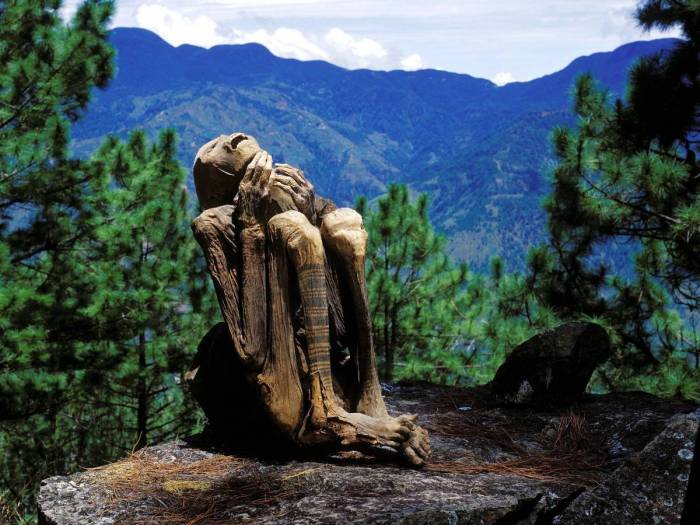
The indigenous people of Kabayan, also known as the Ibaloi, live in the secluded mountains of the northern Philippines. Their land consists of mostly terraced rice fields, and they are generally friendly and hardworking peopleall very normal, except they have an ancient tradition like no other. On Mt. Timbac, which hovers above their fields, lie hundreds of their ancient ancestors' smoked bodies dating back as far as 1200 A.D.
#2 Secret Location
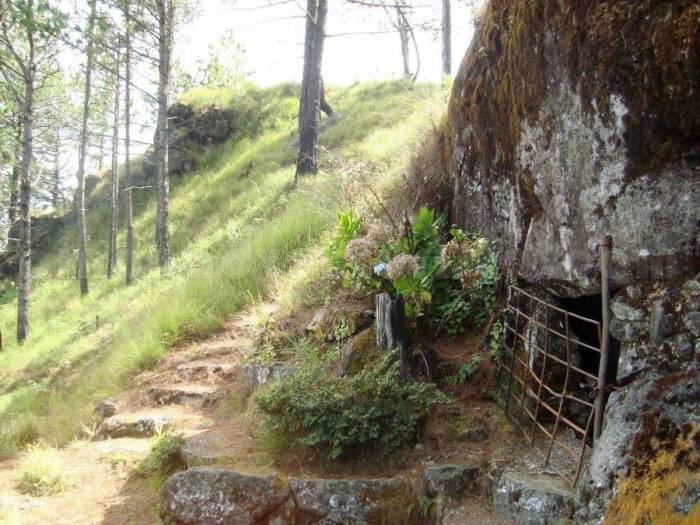
The fire mummies are not easy to find because the locals and Filipino government have worked hard to protect their locations. The ancient sites can be found only after a five hour car ride up the mountains to Kabayan, followed by another five hour hike up a dizzying series of stone steps. Secure fences cover the entrances to the caves where the mummies lie, perfectly preserved in their original coffins from the time of their death.
#3 Initial Process
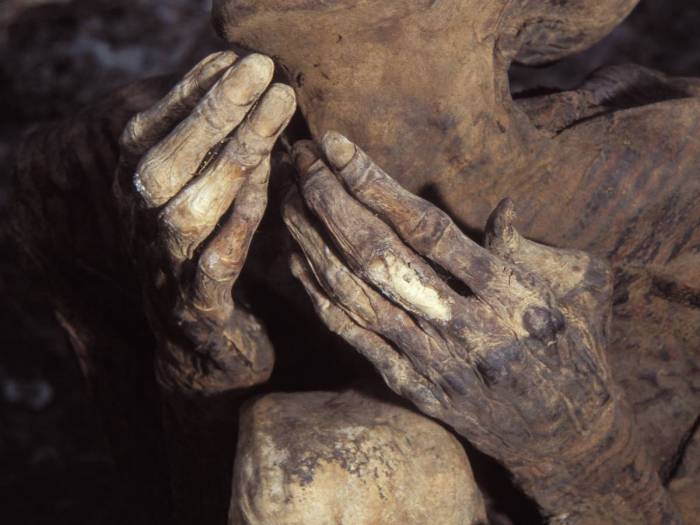
There are many things that make the fire mummies different from those preserved with traditionally known bandages and embalming fluid. The first step of the process required the dying person to participate by drinking a salty beverage that would begin to slowly dehydrate his or her body. Once the person had passed, the rest of the elaborate process would take place, sometimes taking up to several weeks or months to complete. The body was thoroughly washed and then placed above a heat source in a seated position. This allowed the Ibaloi to fit more bodies into the cramped caves. The corpses were never exposed to actual fire or flames but were just smoked above smoldering kindling. The heat of the smoke would slowly remove all the fluids from the body, leaving it leathery and dry.
#4 The Final Stages
Once the body was fully dried on the outside, the Ibaloi would set to work on dehydrating the inside of the corpse as well. This involved blowing tobacco smoke into the corpse's mouth to dry the internal organs, at which point the fully preserved body was rubbed down with herbs and placed neatly in a small wooden coffin inside one of the hidden caves.
#5 The Spanish Invade
When the Spanish, led by the famous explorer Ferdinand Magellan, invaded and colonized the Philippines around the year 1500, the smoking mummification process, along with a great deal of other indigenous practices, began to die out. Processing the dead assumed a more European style and mummification was regarded as archaic and tribal.

#6 Stolen History
Despite their obvious age and fragility, several of the Kabayan fire mummies were stolen in 2000 and sold in Europe for a great deal of money. In fact, it became such a problem for the country that the Department of Foreign Affairs had to step in and ensure as many remains as possible be returned to their original resting place. In 2004, eight mummies were restored to the caves and proper death rituals were held, although many still remain missing.
#7 Missing Elder
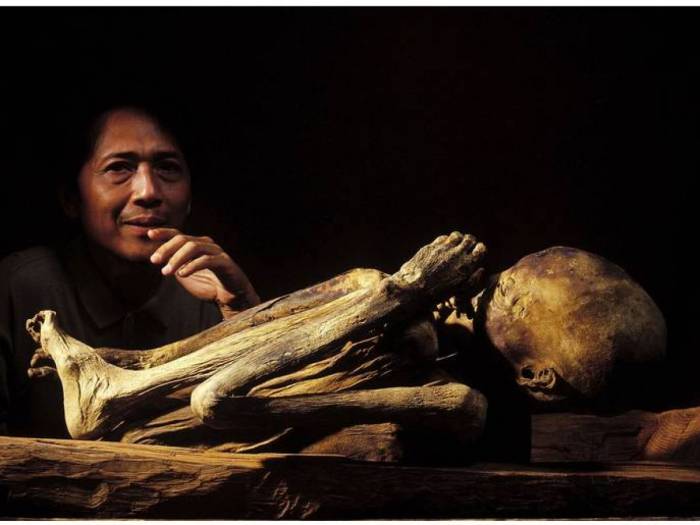
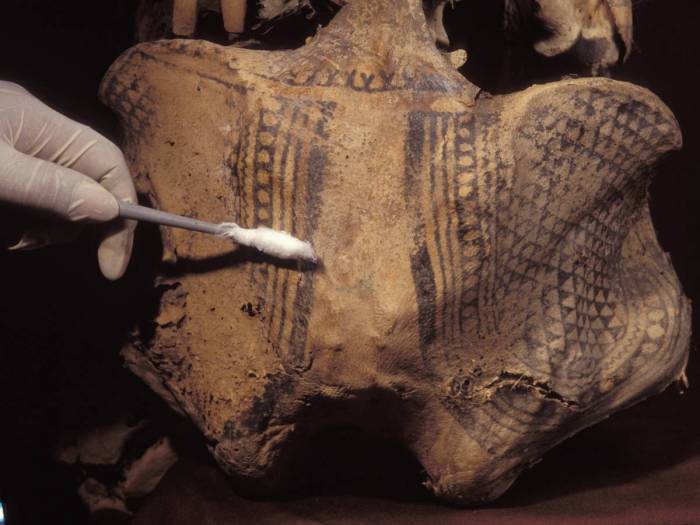
One notable disappearance occurred around 1919, when the intricately tattooed body of an important tribal leader named Apo Annu, who had died 500 years before was stolen from his coffin. As was later discovered, the body had been taken by a Filipino pastor visiting the site and had wound up as part of a sideshow in a Manila circus. The mummy then changed hands a number of times, until 1984 when it was finally donated to the national Museum by an antique collector. The museum immediately notified the government, and the body has since been restored to its original resting place.
#8 The Mummy's Curse
As is the case with most ancient burial sites, the caves are steeped in a certain amount of superstition. Given the amount of looting that has occurred in the sacred caves, many residents of the area believe the region has been cursed by droughts, earthquakes, and famine as a result of Apo Annu's desecration. To ensure this valuable figure stays put, the government has erected a special fence around his resting place and have offered to pay for any other necessary safety precautions.
#9 Visiting The Past
One of the fascinating things about the Kabayan fire mummies is that, unlike the ancient discoveries from other areas, these remains have been retained in their natural environment to this day. They remain protected by the government and the indigenous people who revere them as their direct ancestors. If you secure a local guide before ascending the mountain, it's possible to unlock the forbidding gates and enter a genuine burial site from thousands of years ago, a site where the mummies continue to serve as great mysteries of the past.