Archaeology gives a glimpse of our past and can show how we have come to be what we are today and how time has changed the world we live in. For centuries, archaeologists have made discoveries that have left us confounded. While many of their findings are more straightforward, sometimes their origins aren’t so clear. Check out these amazing discoveries found right here in America!
These Strange Finds Are Baffling Scientists, And They’re All From Right Here In America
By
Editorial Staff in
Nature
On 17th December 2016
advertisement
#1 Great Serpent Mound
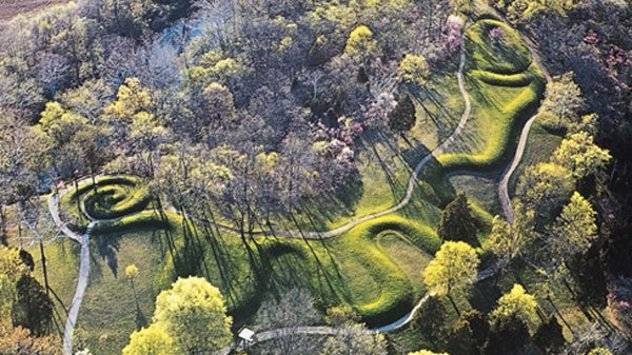
Archaeologists discovered a mound in middle Ohio that is believed to have been constructed around 1,000 AD. The mound is in the shape of a giant serpent with a defined face and swirly tail. The mound, now known as 'The Serpent Mound' is believed to have been used as an effigy during sacrificial offerings or in religious ceremonies. However, the reason for the construction of this strange mound remains a mystery, as well as who constructed it.
#2 Indian Cave Petroglyphs
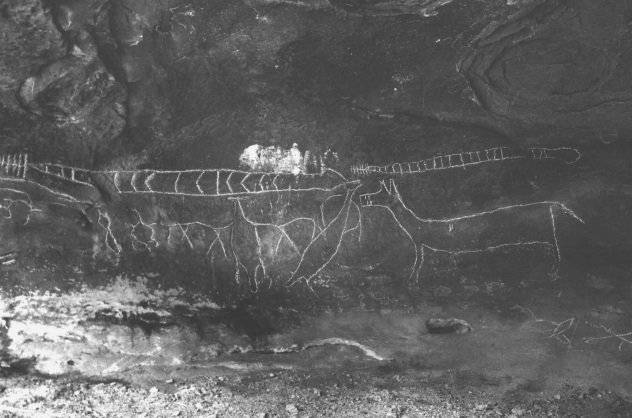
A small cave was discovered in upper West Virginia in the mid-19th century when a coal mine was being dug out. What was so unusual about this cave was that it resembled one that would be found in ancient Egypt. The walls were covered with petroglyphs of animals like fish and snakes. The curious part of these carvings is their use of the color red, which can be seen in several of these etchings. The coloring is said to be from some type of berry or plant, but that is still unknown. Studies have confirmed the drawings to be the work of a Native American tribe, though which one exactly has never been determined.
advertisement
#3 Cahokia
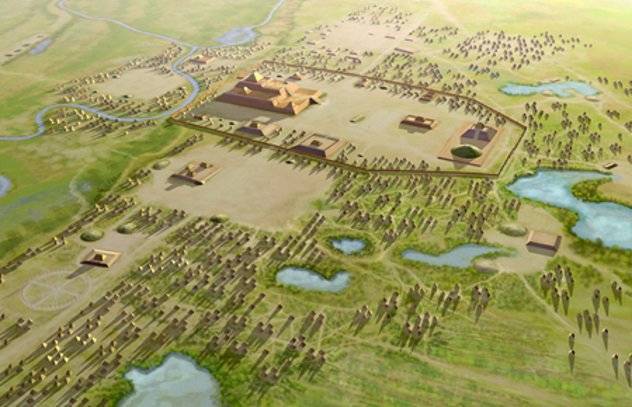
The remains of an ancient Native American city near Collinsville, Illinois, the Cahokia Mounds State Historic Site covers more than 2000 acres and sits directly across the Mississippi River from St. Louis, Missouri. Research has found that the city had a population of nearly 15,000 people. Cahokia was at one point the largest city in pre-Columbian North America. It was settled between 700 AD to 1300. Scientists from around the world have been studying this area for decades and claim that it had its own ruling class and unique culture. They were farmers, partook in battles with other tribes and, legend has it, practiced human sacrifice. One day out of the blue they vanished from the territory and their whereabouts have baffled historians for ages. It is believed they went south to Mexico.
#4 America’s Stonehenge
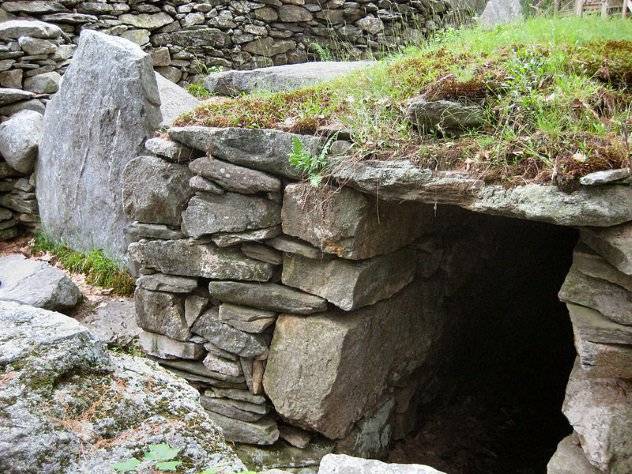
Discovered in Salem, New Hampshire, America's Stonehenge is made up of stone chambers, caves, rock structures, and walls that are believed to be those of an ancient civilization. Archeologists believe that a Native American tribe used it for religious ceremonies more than 2,000 years ago. Several etching and grooves into the cave walls have never been seen or discovered at any other location throughout history, which has baffled scientists. When found in 1884, it was mostly intact and is now a historic site.
advertisement
#5 Lake Winnipesaukee Mystery Stone
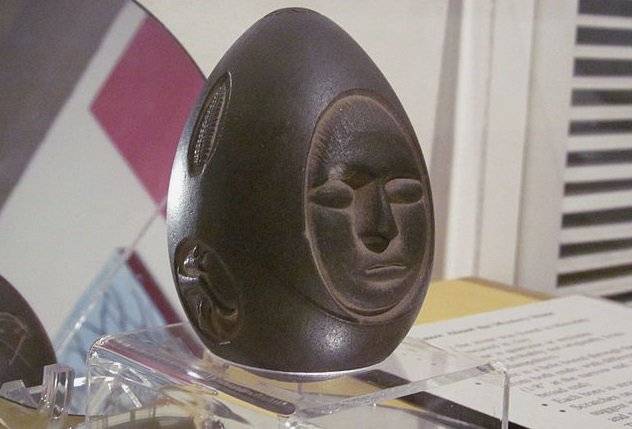
Discovered in New Hampshire in 1872 at Lake Winnipesaukee, this stone resembles a football. However, it has several symbols including a face, ears of corn, and a teepee. After over a century of studying the stone, scientists still have no clue as to who made it and why. There have been several theories, including that it was made as a gift from one tribe to another as some sort of peace treaty, while other theories have suggested it has Celtic or Inuit origins.
advertisement
#6 Poverty Point
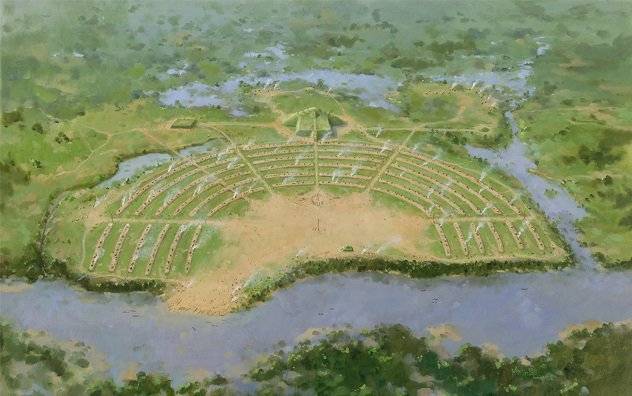
Poverty Point is an extensive complex of earthworks in Louisiana. It contains a series of mounds and is the only known large construction done by a hunter-gatherer society. No one is sure what its purpose was, though some archaeologists think it was where ceremonial events were hosted.
advertisement
#7 The Upton Chamber
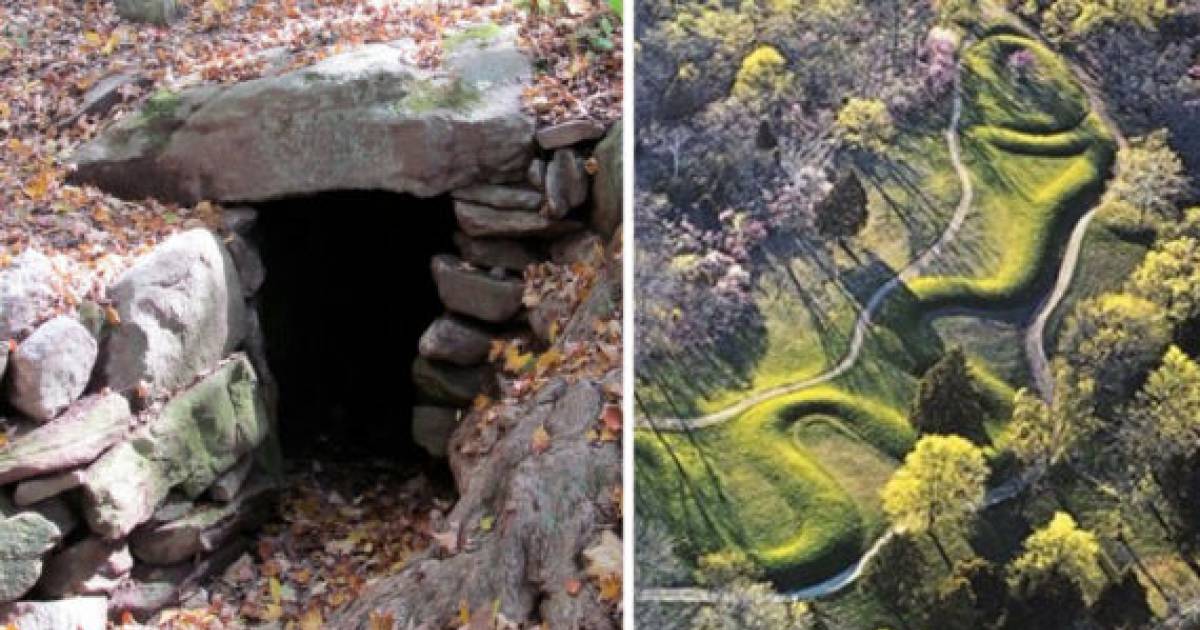
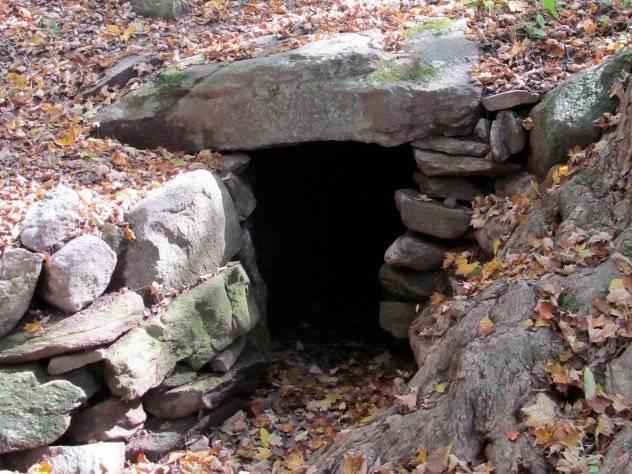
The Upton Chamber was constructed into a hill and consists of a long passageway that opens up into a dome. The workmanship of the chamber indicates that whoever built it had a working knowledge of stonework. Amazingly, the structure is astronomically aligned. According to researchers, the entrance to the chamber aligns perfectly with the sun on the summer solstice. This has led some people to believe that it was created by an ancient tribe.
advertisement
#8 Petroglyphs Of Winnemucca Lake
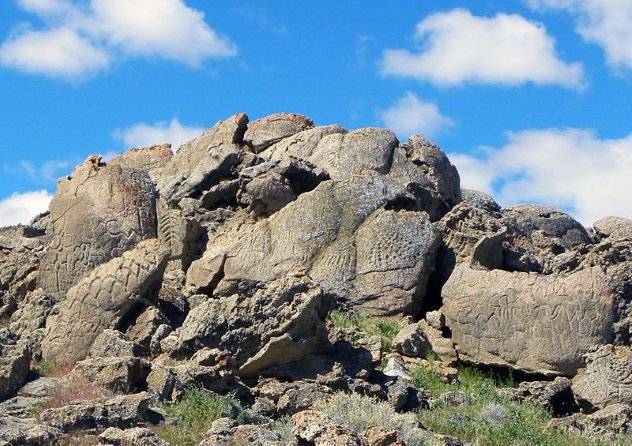
Archaeologists believe Winnemucca Lake in Nevada contains the oldest petroglyphs in North America. The western end of Winnemucca Lake is home to several boulders carved with petroglyphs that lie within the Pyramid Lake Indian Reservation which is now dry land. They believe that they are 10,000 years old, but don't know the meaning of any of the carvings which are mainly a series of dots, swirly lines, and deeply carved grooves.
advertisement
#9 The Maine Penny
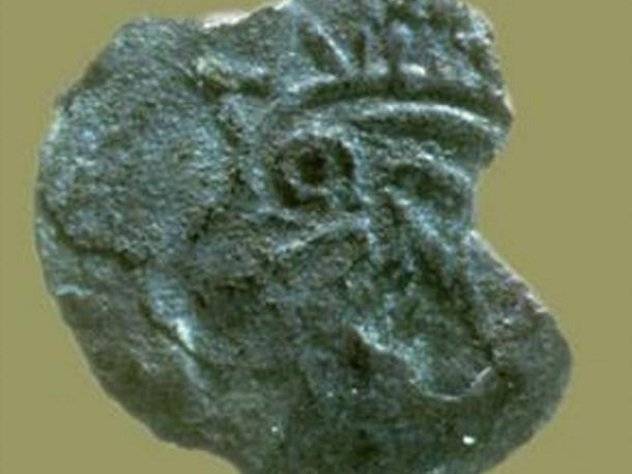
In 1957, archaeologists discovered the Maine Penny buried in the dirt while excavating a Native American settlement. It has been confirmed to be the only pre-Columbian Norse artifact ever discovered in the United States. They originally believed the penny to be of British descent from the 12th century, though this was later disproven. Other researchers have suggested it was made between 1065 and 1080.
advertisement
#10 Dighton Rock
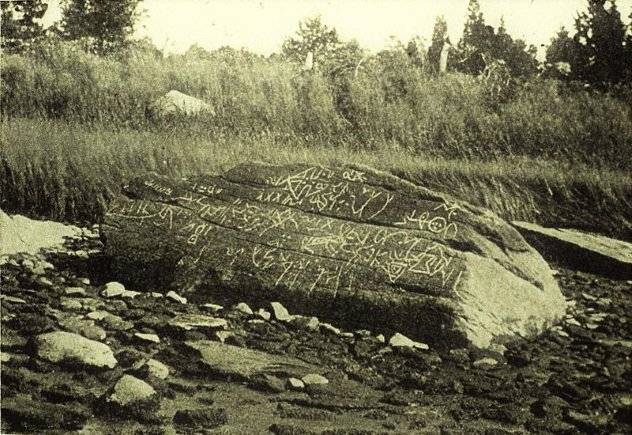
Found in the Taunton River in Massachusetts, Dighton Rock is a gigantic 40-ton boulder containing mysterious markings. The markings, however, don't seem to have any recognizable style and have led to debates among researchers. People have theorized that they have Norse, Chinese, Native American and other backgrounds, though none of these has ever been confirmed.