Things Dermatologists Are Dying To Tell You About Your Skin
When it comes to skincare, dermatologists seem like all-knowing, mighty, and powerful gods that work their magic and clear your skin up.
And in some ways, they seriously are. But there's a lot more to their job, and there are a lot of things you can be doing at home that you really should know about.
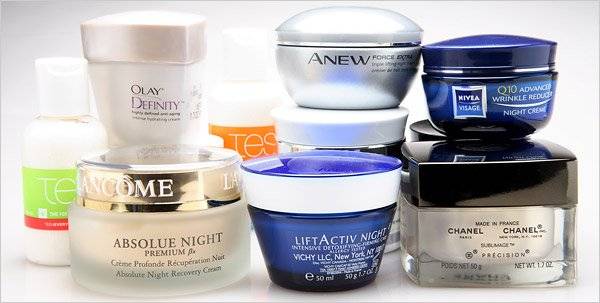
Expensive moisturizers don’t actually work better than cheap ones.
If you’re looking to remedy dry or oily skin, chances are there’s a product that will soothe your skin for much less than the “miracle” lotion endorsed by your favorite celeb.
“Vaseline is an outstanding moisturizer in that it 'locks in' moisture from the outside and prevents what we call ‘transepidermal water loss’ which is associated with dry, irritated skin,” says Jason Miller, MD, a board-certified dermatologist with CentraState Healthcare System in Freehold, New Jersey, and a clinical instructor of dermatology at the Robert Wood Johnson Medical School. “Blotting dry with a towel (not rubbing all of the water off) and immediately applying vaseline or another inexpensive moisturizer, such as Cetaphil or Eucerin, works very well.”
There’s no such thing as a healthy tan.
You might love the way you look with that sun-kissed glow; but as au-natural as it makes you feel, it’s in no way healthy. “Tanned skin equals damaged skin,” says Shainhouse. “Just because it isn’t burned doesn’t mean that your skin cells aren’t constantly in a state of repair to make up for the change in pigmentation, known as melanin.” What’s actually happening on a cellular layer while you’re bronzing in the sun is that your skin is reacting to protect itself—AKA it knows it’s being damaged. “I tell my patients to consider their skin as white bread. Once you toast it, it will never be soft and white again, even if you never burn it,” says Shainhouse. “Yes, you can scrape off the top layer of hard brown crust, but the bread will never be the same.”
Be wary of who you see.
"There are far too many therapists advertising themselves as dermatologists out there," says Dr Stefanie Williams. "Dermatologists are doctors who, after their general medical University degree, have completed a formal higher specialist training in dermatology. If in doubt ask to see their specialisation certificate."
Start anti-aging now
"When someone asks, 'When do I deal with this line between my eyes?' I'm tempted to say, 'It was time to deal with it when you first noticed it!' I can be blunt like that with family, so when my cousins asked, I told them my philosophy: Clean up your room before it gets too dirty. If you begin with small amounts of Botox or filler in your early 30s when lines start forming, the muscle movement that creates wrinkles is restricted sooner, so you likely won't develop deeper ones. That said, it's okay if you've put it off. Botox, Fraxel, and fillers work into your 40s and beyond; you'll just need somewhat higher doses since the damage will be greater. Most people have it backward: They're worried about overdoing it by coming in too frequently. But if they came earlier and more often, I wouldn't need to do much, so it would cost less and look more natural." —Paul Jarrod Frank, M.D., director of 5th Avenue Dermatology Surgery and Laser Center and clinical assistant professor of dermatology at Icahn School of Medicine of Mount Sinai in New York City
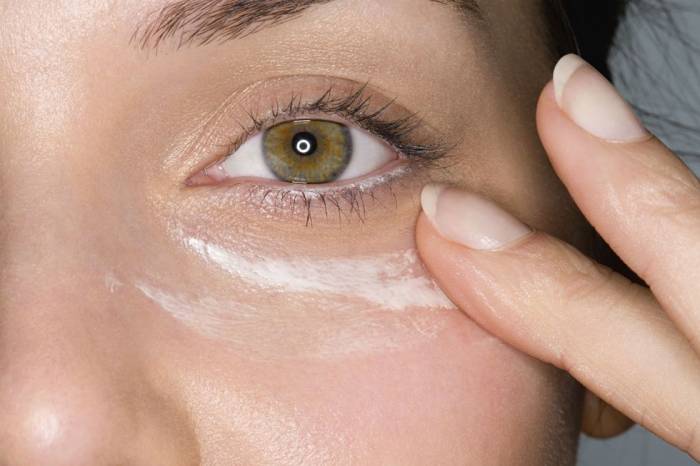
You should be wearing sunscreen every single day — even in the winter.
Though we may spend less time outdoors in the winter than we do in the summer, the sun’s rays can still be damaging when we are exposed. Even on cloudy days up to 80 percent of the sun’s UV rays can pass through the clouds. If you are a skier, snowboarder or enjoy other snow based activities, then you are at an even higher risk for sun damage. The snow can reflect and intensify the damaging rays of the sun, which can increase your chances of sunburn. Dr. Asarch recommends using a “broad spectrum” sunblock with an SPF of at least 30, like our DERMAspaRx Sun Protection System, that is applied daily to all sun exposed areas, then reapplied every two hours.
If you have a lot of moles
The more you have, the greater your risk of skin cancer. About half of all melanomas develop in pre-existing moles. "There are two types of moles: little sun spots, evenly colored and nicely shaped, and what we call atypical moles," Dr. Linder says. Folks who have 10 or more atypical moles, also known as dysplastic nevi, have 12 times the risk of getting melanoma as the general population.
Not all natural products are safe to put on your skin.
“Just because it comes from the earth doesn’t mean it’s safe to rub all over your skin,” says Doris Day, MD, a board-certified dermatologist and clinical associate professor of dermatology at the New York University Langone Medical Center. “Arsenic and poison ivy are all-natural, but you wouldn’t want to rub those on your skin.”
While that might seem obvious, there are other seemingly harmless natural products you should probably steer clear of. For example, “Tea tree oil is estrogenic and young boys who used it started growing breasts,” says Day.
Over-the-counter products are better because they have been made and tested for use on your skin, she explains. If you’re set on using natural products, Day recommends mixing coconut oil, aloe, and honey, all of which are natural antibacterials. And it's a good idea to test a patch of any mixture on your arm before putting it on your face, to see if you have a reaction.
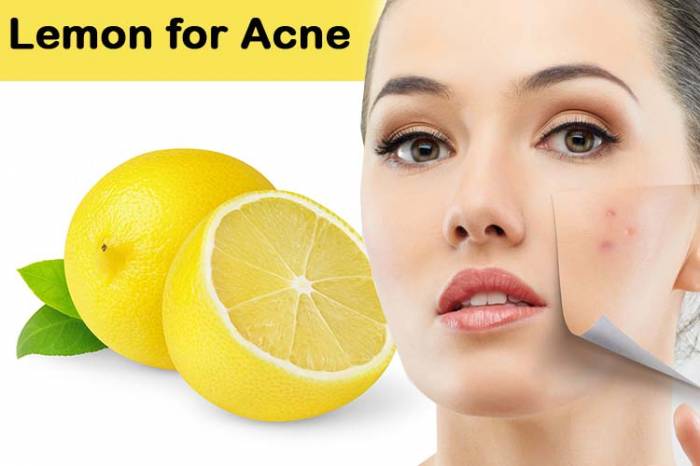
Lemon juice as blackheads home remedy is not a good choice.
Another seemingly harmless natural product, lemon juice, can end up hurting your skin a lot more than it can help it. Lemon juice is more irritating than it is helpful, advises Day. Not to mention, citrus juices can seriously burn your skin when exposed to sunlight.
Skin cancer doesn’t discriminate on skin color or race.
Though people with naturally darker skin shades have a lower risk of skin cancer than those with fair skin, they still need to protect themselves with sunscreen and see a dermatologist for annual skin checks. “Cases of skin cancer in people with darker skin tones are often not detected until the cancer is in its later stages, when it is much more dangerous and even potentially deadly,” says Engelman.
In fact, the overall average five-year melanoma survival rates for African Americans is only 70 percent versus 93 percent for Caucasians, according to Shainhouse. Play it safe: Check your skin monthly and be alert to changes in the number, size, shape or color of spots on your skin or sores that do not heal.
Forget face wipes
"Facial wet wipes are not a replacement for proper face cleansing with water! If you have no alternative (for example, on a flight), then they are an occasional OK substitute. However, they sit between a leave-on product and a wash-off product and don’t do either job very well at all."
Good Skin needs a schedule
"So many friends ask me for product recommendations, and when they do, I remind them that applying formulas at the right time is as important as choosing the right ones. The rule is: Daytime is for protection and nighttime is about repair. Smooth on an antioxidant serum in the morning to neutralize free radicals, which are harmful molecules created when you're exposed to UV light and pollution. They contribute to the breakdown of collagen and elastin — that's what leads to wrinkles and dark spots. At night, there's no UV to block, so that's a good time to apply moisturizer or serum that contains peptides or retinol; those are proven to stimulate collagen, which'll reduce existing wrinkles and spots and prevent new ones from forming." —Mary Lupo, M.D., director of Tulane University Resident Cosmetic Clinic and clinical professor of dermatology at Tulane University School of Medicine in New Orleans
If a product doesn’t give you fast results, choose something else
Whenever you try out a new product or a new skin care regimen, it’s natural to want fast results. But you actually need to give new products weeks — as long as eight to 10 weeks, depending on whom you ask — before judging whether it works for you. Anti-aging products, for instance, will produce different results for different people. But ingredients like retinoids require time for your skin to adjust to and build a tolerance for, so you’ll likely need to increase the frequency of usage. The moral of the story? Give a new product or skin care regimen some time before moving on to the next thing. It may be working better than you’d think by judging the results prematurely.
It's true that you need the sun for Vitamin D, but 5-10 minutes of exposure is usually sufficient enough, depending on your skin type.
Yes, everybody is a little bit different, but prolonged exposure isn't going to do you any good. You can always get your Vitamin D from foods and supplements, as well.
Beware THE MARGARITA SUNBURN
"A good friend came back from vacation with a strange-looking rash on his forearm that looked like someone had dripped brown paint on it. I asked if he had been drinking margaritas, and he looked at me like I was psychic. The reason is that psoralen, an organic compound found in lemons and limes, makes skin supersensitive to UV light, causing a chemical burn called phytophotodermatitis. It's so common that it's jokingly called 'margarita sunburn.' He treated it like any other sunburn, with a moisturizer containing aloe vera or soy, and it faded away." —Rebecca Kazin, M.D., associate director at Washington Institute of Dermatologic Laser Surgery in Washington, DC
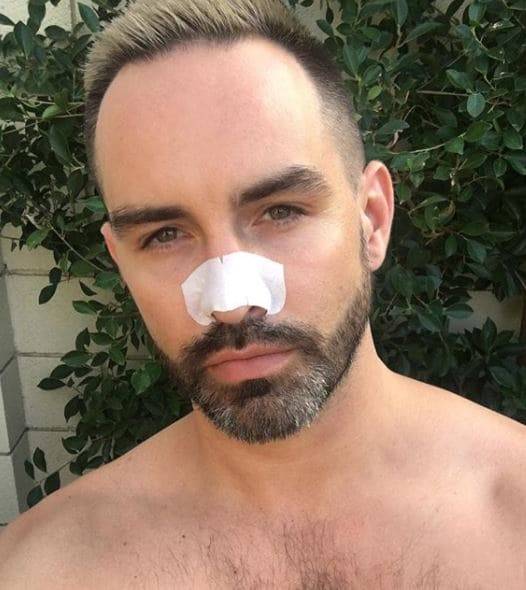
Pore strips can get really addicting, but dermatologists advise against frequent use.
It's found that they can cause your body to produce even more oil once it's been stripped from your skin. It's basically a vicious cycle.
Bar soap is a good cleansing option
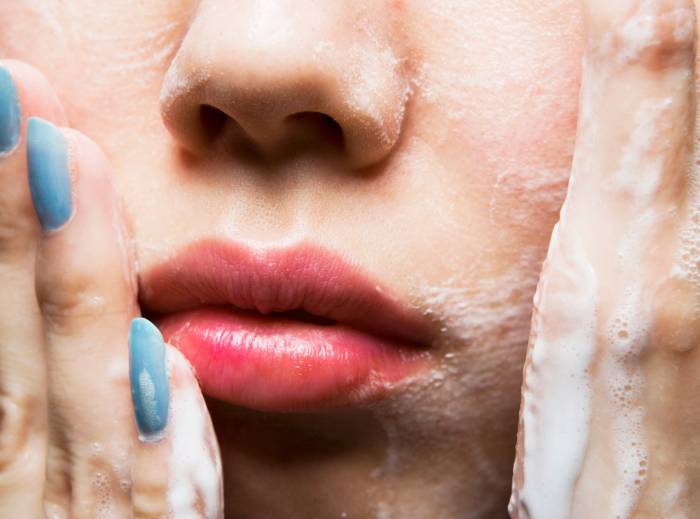
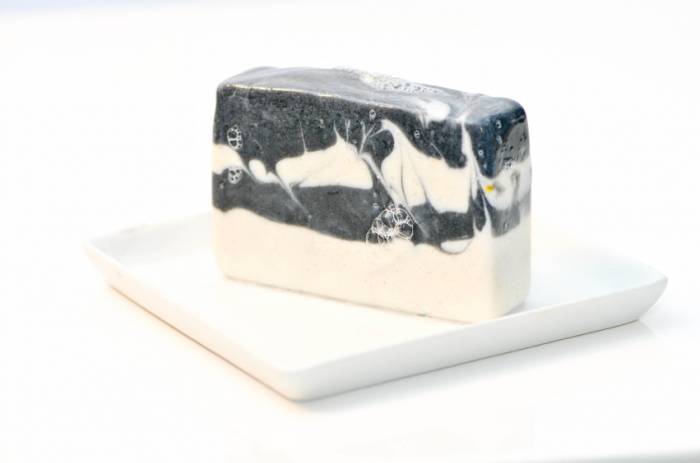
Esthetician Renée Rouleau reports many people think is alright to use is bar soap, but the binding ingredients that hold a bar of soap together naturally have a high pH balance. Rouleau reports these ingredients “are always going to be too strong for the skin.” When you wash your skin with a soap or cleanser that’s too harsh, you’ll leave it dry and you’ll start building up dead skin cells. If you’ve been washing your face with bar soap, you owe it to yourself to try a gentle, sulfate-free cleanser instead. And if your skin feels tight after you wash it, your cleanser, no matter the form, is probably too harsh.
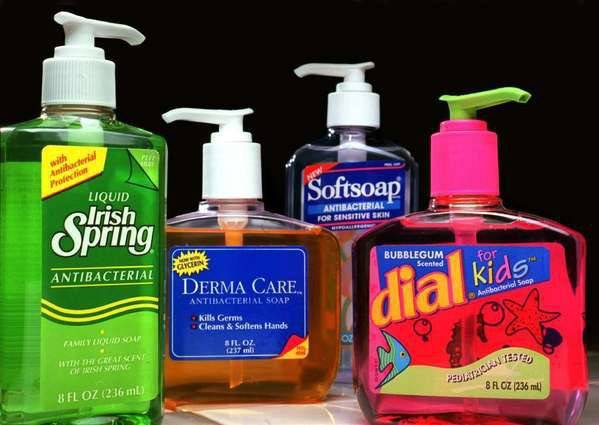
Antibacterial soap is better because it kills germs
Antibacterial soaps are no more effective than regular soap in keeping your family sick-free. It's actually regular hand washing that prevents the spread of infection, not the kind of soap you use. Soap makes it easier to scrub away germ-carrying dirt, and that's what makes it an important part of handwashing. Killing off bacteria isn’t necessary.
Last year, the Food and Drug Administration in the U.S. has banned antibacterial products from being sold in stores as they may actually have long-term negative effects. “Many experts are concerned that the use of antibacterial soap could lead to more antibiotic-resistant bacteria,” according to Harvard Health, a division under the Harvard Medical School of Harvard University.
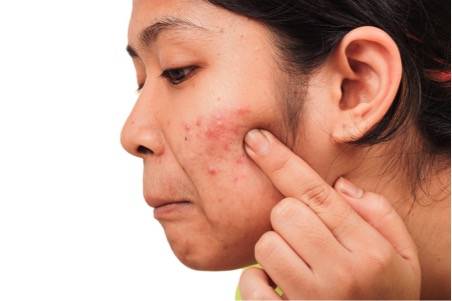
Acne is the Result of Poor Hygiene
Washing may help in the overall treatment of acne by removing excess oils, dead skin cells and foreign substances, but washing alone will not clear it up or prevent it. Many acne sufferers want to scrub their skin, but this aggressive washing will remove protective oils and barriers leading to increased agitation. The best approach to hygiene and acne is to gently wash your face twice a day with a mild cleanser, pat dry and use a prescription acne treatment.
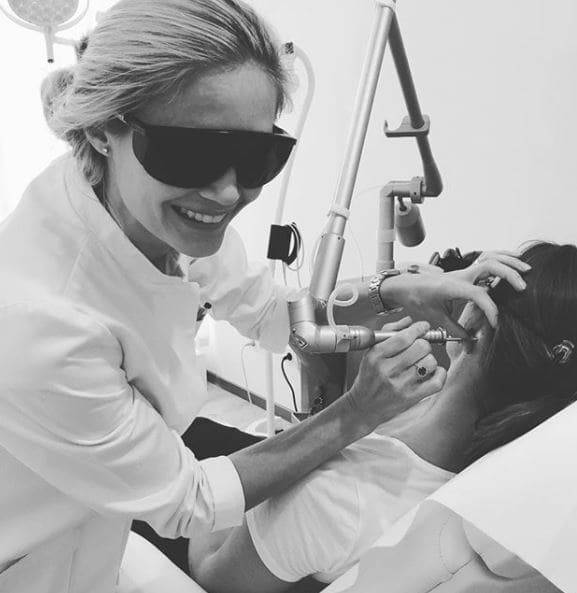
If your acne is not responding to topical treatment, there are alternatives available. Theraclear- formerly called Acleara—is a virtually painless vacuum and broad band light treatment that is able to produce immediate results in as little as 10 minutes.
DIET Matters
"In all the negative coverage about sugar in the press at the moment, I wish people would also consider the effects that it has on their skin! My patients are often very surprised to hear about how diet affects the health of your skin, and particularly the rate at which it ages."
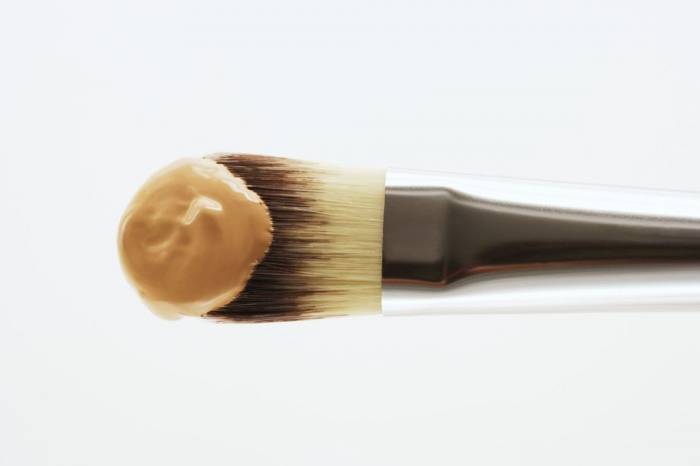
Don't rely on your FOUNDATION for skin protection
"My mother and aunts often ask me questions about sun protection in the beauty products they already use, like their foundation or moisturizer. The truth is, the SPF you'll see on these labels won't be sufficient to protect you from sun damage. This is because when something like a foundation with SPF is tested, a much thicker layer of the product is used in the lab — you'd never actually put on enough of it to give you adequate sun protection. So cut the amount of SPF you see on your makeup label in half: If the product says it contains SPF 30, only count on protection of SPF 15. Buy the SPF foundation if you like it for the makeup qualities, but not for the sun-care ones! As I tell my relatives, you shouldn't depend on the SPF in your makeup to protect you — rely instead on applying a sunscreen with an SPF of 30 to 60 every day." —Anna Chien, M.D., assistant professor of dermatology at Johns Hopkins University School of Medicine in Baltimore