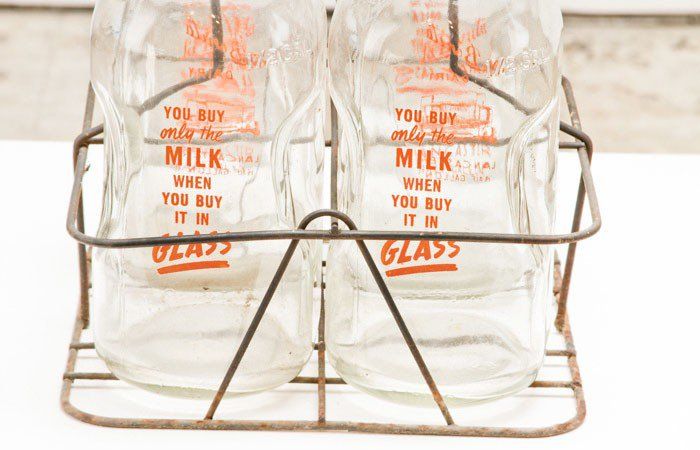
It may seem like the “green” movement was created by us, but the truth is, a lot of people have been good stewards of the environment for hundreds of years. Our grandparents were taking care of the environment long before it became fashionable to do so. A lesson we could all benefit from.
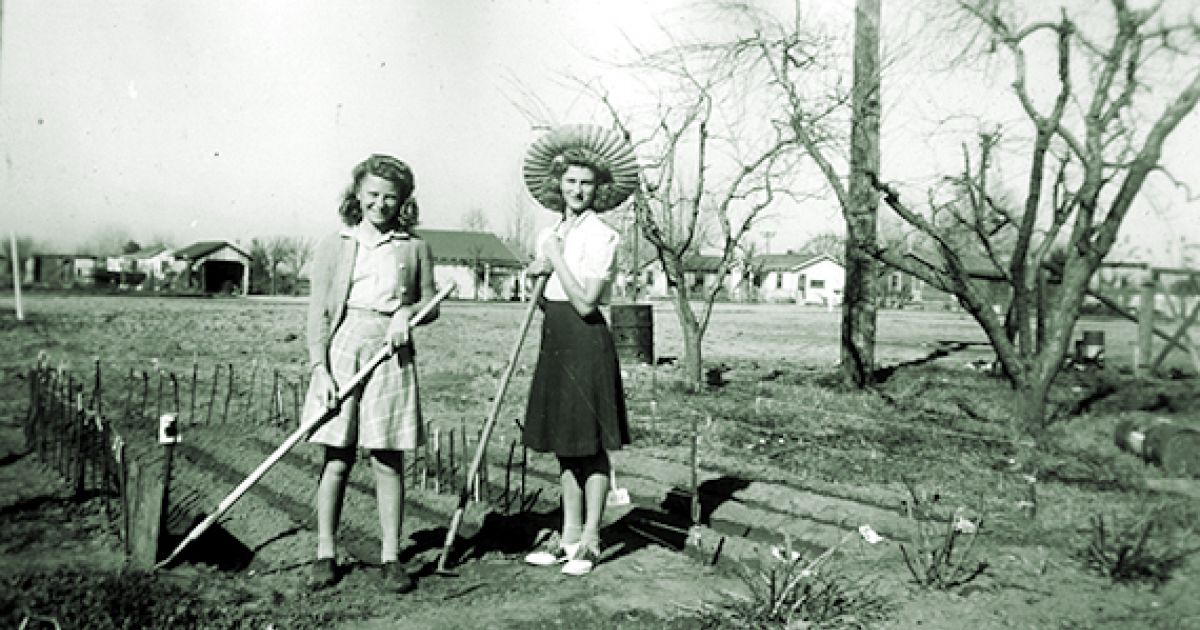
Things Our Grandparents Did When "Green" Was Just A Color
By
Editorial Staff in
Facts
On 10th April 2016
advertisement
#1 Used A Clothesline For Drying Clothes
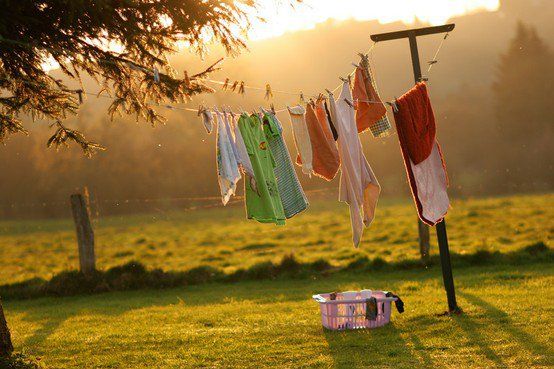
Clothes dryers have come a long way in energy efficiency but the average home clothes dryer has a carbon footprint of about 4.4 lbs. of carbon dioxide per load of laundry. Our parents and grandparents dried their clothing by hanging it out on the line in the warm breeze. Washing machine and dryers are the normal now, perhaps due to the convenience, but there was a time when clothing was hand washed then hung out to dry. There's nothing like the freshness of a soft, air dried shirt, dress or bedsheet.
#2 Grew Their Own Food
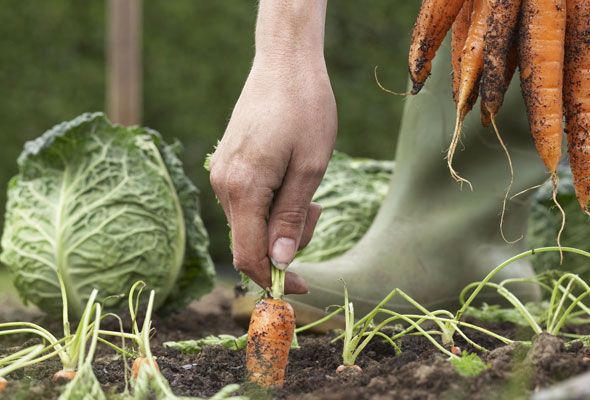
Gardening was an everyday slice of life. Not only is there an incredible sense of accomplishment in growing your own fruits and vegetables, but you also ensure that your crops aren't sprayed with pesticides and you can control the types of seeds and transplants that you sow and grow. Just about every home had a backyard garden of some sort. My grandparents ALWAYS grew their own food. All you need is soil, water, and the sun!
advertisement
#3 Preserved Their Own Food
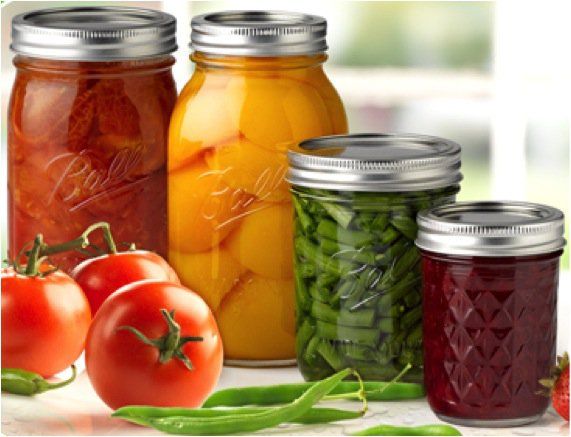
Canning the food you grow in your very own garden is a great way to preserve fresh foods. I would love to have a "root cellar" full of home-canned goods like my mother and grandmother did. Very little food was wasted. Instead of rushing to the grocery store for whatever you wished to eat, you would prepare meals based on what you had canned in the cellar at the time. If people today practiced even a portion of what our parents and grandparents did, there would be a lot less food going to waste.
#4 Collected Rainwater
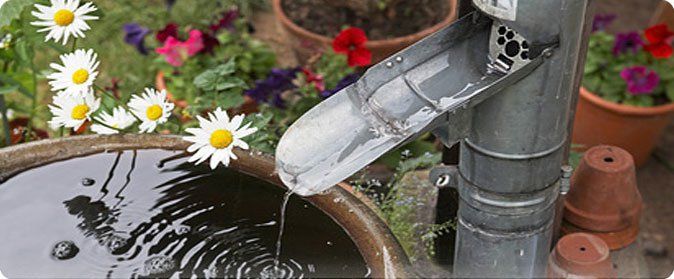
A rain barrel would save most homeowners about 1,300 gallons of water during the peak summer months. It was used for irrigation, bathing, and even for drinking! Also, diverting water from storm drains can alleviate stressed water systems and conserve limited resources.
advertisement
#5 Saved Eating Out for Special Occasions
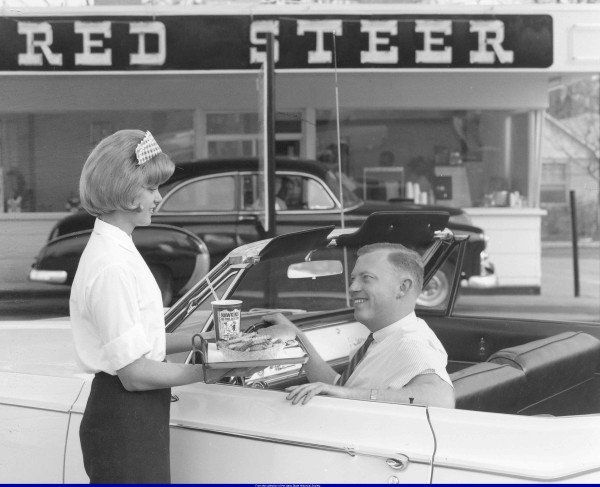
Nothing beats a home-cooked meal, and if you prepare your own food, you control what goes onto your plate and into your body. You can ensure that you are eating an organic, non-genetically modified diet. There were no microwaveable dinners or quick meals. Everything was prepared at home, in your own kitchen. Nowadays, it is not uncommon for people to eat out several times each week or for some, every meal of the day. For our grandparents, eating out was saved for special occasions. Even fast-food, which wasn't as common back then, was considered a treat. When was the last time you looked at the list of ingredients, calories, sugar, salt, additives and preservatives in the food you purchase at fast food restaurants?
advertisement
#6 Entertained at Home
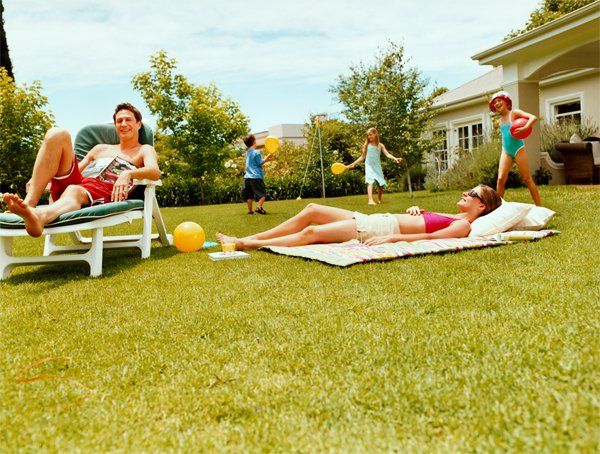
Today we spend lots of money going out for our entertainment. Our grandparents spent more time outdoors during the day, and in the evenings, their families enjoyed playing board games, reading, and time devoted to hobbies. Neighborhood gatherings were the normal. Going to the movies or to a concert was considered a luxury. By finding more free activities to do and spending more time at home as families, we can save a lot of money and maybe even get to know one another better.
advertisement
#7 Drank Water From The Tap
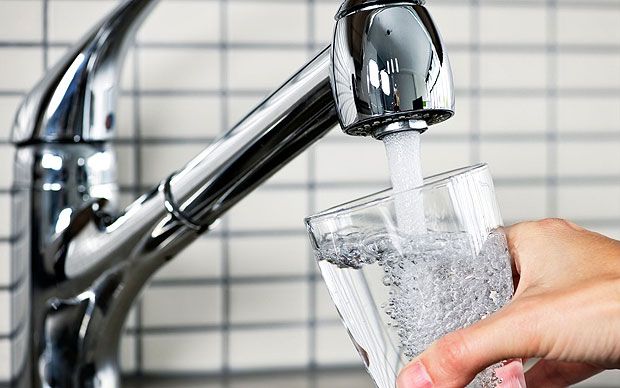
When our grandparents were thirsty they drank from the well or a tap instead of drinking from a plastic bottle of water shipped from the other side of the world. Bottled water would have seemed ridiculous 100 years ago, but now people it wherever they go. Is it really better for you? Have you tested your water lately? Those plastic bottles and caps take 30 years to decompose, if not longer, as they fill up slices of land in heaps we call 'landfills'.
advertisement
#8 Brown Bagged It
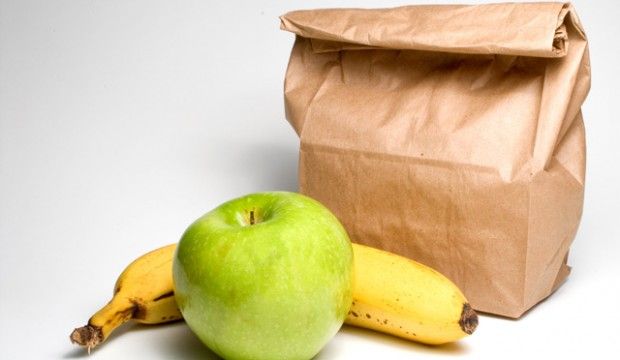
When grandpa or grandma went to work, or even our parents, they took a packed lunch from home. Leftovers became a whole new meal. PB&J was a wholesome lunchtime meal. Think about how much money we could save if we took our fresh food raised at home for our lunches.
advertisement
#9 Bought Less
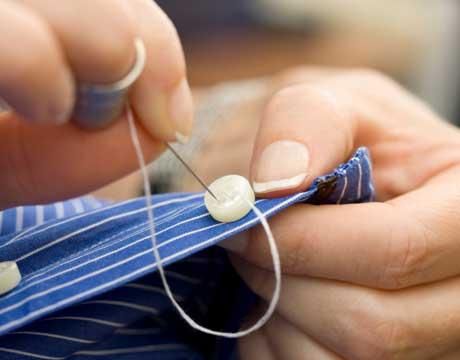
Our grandparents spent less because they didn't buy as much as we do today. In most cases, the money probably was not available for frivolous things. People didn't go shopping as often, and things were repurposed. If something had a hole in it, it wasn't thrown outit was patched or mended. They actually darned socks that had holes in them. Instead of always buying presents for Christmas or birthdays, gifts like sweaters, blankets, hats, scarfs, and candy were often homemade. Things were frequently handed down from child to child to save money. The kids didn't always get new things. These practices not only saved money, but they were eco-friendly, too.
advertisement
#10 Spent More Time Outdoors
In our grandparents day, being indoors meant you were grounded or sick. The outdoors was everyone's playground from dawn ‘til dusk! More games were played outdoors and even the adults would spend evenings in the gardens, or on the porch getting fresh air. There was no Facebook, there was no reality TV. Grandma and Grandpa just talked to people in actual reality. About real stuff.

advertisement
#11 Used Home Remedies
No need for a prescription. Grandma always had a home remedy for what ailed you. Many of us have been taught home remedies that have been passed down from generation to generation. Honey was used for a cough or cold, along with warm cider or tea. They learned how to combat a cold with garlic, ginger, and onions or soothe a bug bite with Lavender essential oil or a plantain poultice.

advertisement
#12 Made Their Own Cleaning Products
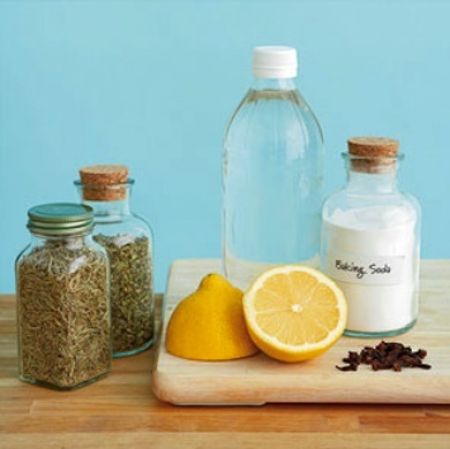
Have you looked at the ingredients in the cleaning products that line the shelves of your grocery store? Can you pronounce any of them? Say goodbye to toxic household chemicals and say hello to baking soda, vinegar, lemon, castile soap, and essential oils for most of your cleaning needs.
#13 Relied on Traditional Modes of Transportation
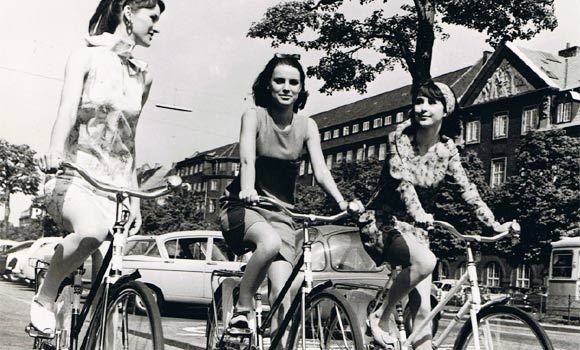
It was common for many of our grandparents to walk or bike to and from work, and more people used public transportation because they didn't have a car to drive. People took the bus and kids rode their bikes to school or walked instead of moms turning into 24-hour taxi services. Nowadays, we drive around the parking lot, trying to find the closest parking spot so we don't have to walk any further than necessary to go in a store or go to work. We certainly line up at the elevator than consider using the stairs.
advertisement
#14 Recycled
Everything had a second life and nothing of value was ever thrown away.
Our grandparents didn't have a single-stream-recycling center in town, but they knew how to make something into something else. Dresses became quilts. Coffee grounds got added to the next day not brand new ones every time you made coffee. Things were rarely ever just tossed away, and if they were, they were burned in home bonfires. They returned milk bottles and soft drink bottles to the store. The store sent them back to the plant to be washed, sterilized and refilled, so they could be used again and again. The bottles were made of glass, instead of plastic. The milkman came to your door every day with a fresh bottle of milk and took back your empty.