People who suffer from clinical depression carry with them a social stigma that unfortunately exacerbates the serious problems they deal with on a daily basis. Since the disease is completely misunderstood by the general public, those who suffer from depression are generally shunned or, at the very least, treated differently in some way by friends, family, and colleagues. By becoming informed about the true essence of clinical depression, people can better equip themselves to help those they care about that suffer from the disease.

Things People With Depression Want Their Significant Others To Know
By
Sughra Hafeez in
Health and Fitness
On 10th September 2017
advertisement
#1 What Is Depression?
Depression (major depressive disorder) is a common and serious medical illness that negatively affects how you feel, the way you think and how you act. Fortunately, it is also treatable. Depression causes feelings of sadness and/or a loss of interest in activities once enjoyed. It can lead to a variety of emotional and physical problems and can decrease a person’s ability to function at work and at home.

#2 What causes depression?
While we don’t know exactly what causes depression, a number of things are often linked to its development. Depression usually results from a combination of recent events and other longer-term or personal factors, rather than one immediate issue or event.

advertisement
#3 There are many well-known depression triggers:
Trauma, grief, financial troubles, and unemployment are just a few. But if you are depressed and none of these apply to you, it can be hard to pinpoint a specific cause. In truth, there may not be a concrete reason for your depression. But here are some little-known causes to consider.

#4 Thyroid disease
When the thyroid, a butterfly-shaped gland in the neck, doesn't produce enough thyroid hormone, it's known as hypothyroidism, and depression is one of its symptoms. This hormone is multifunctional, but one of its main tasks is to act as a neurotransmitter and regulate serotonin levels. If you experience new depression symptoms—particularly along with cold sensitivity, constipation, and fatigue—a thyroid test couldn't hurt. Hypothyroidism is treatable with medication.
advertisement
#5 Poor sleep habits
It's no surprise that sleep deprivation can lead to irritability, but it could also increase the risk of depression.
A 2007 study found that when healthy participants were deprived of sleep, they had greater brain activity after viewing upsetting images than their well-rested counterparts, which is similar to the reaction that depressed patients have, noted one of the study authors.
"If you don't sleep, you don't have time to replenish [brain cells], the brain stops functioning well, and one of the many factors that could lead to is depression," says Matthew Edlund, MD, director of the Center for Circadian Medicine, in Sarasota, Fla., and author of The Power of Rest.

advertisement
#6 Poor sibling relationships
Although unhappy relationships with anyone can cause depression, a 2007 study in the American Journal of Psychiatry found that men who didn't get along with their siblings before age 20 were more likely to be depressed later in life than those who did. Although it's not clear what's so significant about sibling relationships (the same wasn't true for relationships with parents), researchers suggest that they could help children develop the ability to relate with peers and socialize. Regardless of the reason, too much squabbling is associated with a greater risk of developing depression before age 50.

advertisement
#7 Birth control pills
Like any medication, the Pill can have side effects. Oral contraceptives contain a synthetic version of progesterone, which studies suggest can lead to depression in some women. The reason is still unknown, says Hilda Hutcherson, MD, clinical professor of obstetrics and gynecology at Columbia University, in New York. "It doesn't happen to everyone, but if women have a history of depression or are prone to depression, they have an increased chance of experiencing depression symptoms while taking birth control pills," Dr. Hutcherson says. "Some women just can't take the Pill; that's when we start looking into alternative contraception, like a diaphragm, which doesn't contain hormones."
advertisement
#8 Depression and Mental Health
Depression and Mental Health as a whole have only seemingly come to light over the last decade, and more and more people are able to publicly identify with their Mental Health diagnosis than ever before.

advertisement
#9 "It still is an illness. It still is an invisible illness."
You see someone running on the treadmill at the gym, headphones on, listening to music, and breaking a sweat. You automatically assume they are working out to build muscle or lose weight. What you don’t see is someone running through the pain of their depression, their anxiety, their schizophrenia, their bipolar disorder (etc.).
The invisible disease. It’s harder to grasp because the general public can’t physically see it. And hey, seeing is believing, right?

advertisement
#10 Unfortunately, the symptoms are beyond a broken bone.
It’s so very internal and the only way someone becomes aware that a person is suffering this way is if that person tells you.Mental health has been such a taboo subject. The public didn’t associate with the sub-diagnoses, they just called you crazy.Below are few significant things people with depression want you to know.

advertisement
#11 We may or may not take meds
People diagnosed with clinical depression don’t necessarily take medication for their symptoms. And if they do, that doesn’t mean they’ll magically “get happy” after popping a couple pills. And it certainly doesn’t mean they’re just faking to get access to drugs. In fact, because of the stigma attached to taking drugs to offset depression, many people who suffer from the disease choose not to take medication. Unfortunately, this can be detrimental to their health, as some people truly do need medication to help them, but will refuse them based on how society views “pill popping.”

advertisement
#12 We struggle with ourselves.
To look our selfs in the mirror every day and see nothing but a lifeless body. Hair in knots, cheeks washed away from the color that once consumed them. We lose our hygiene. We become so unaware of everything that we even lose the sense of our own bodies.

#13 “I don’t always have a reason as to why I’m feeling depressed”
This may sound strange but people with depression do not always have a reason for being depressed.Sometimes your friend may feel low without a reason and depressed people wants you to know this and be patient with them
advertisement
#14 “I often isolate myself but doesn’t mean I will ditch you”
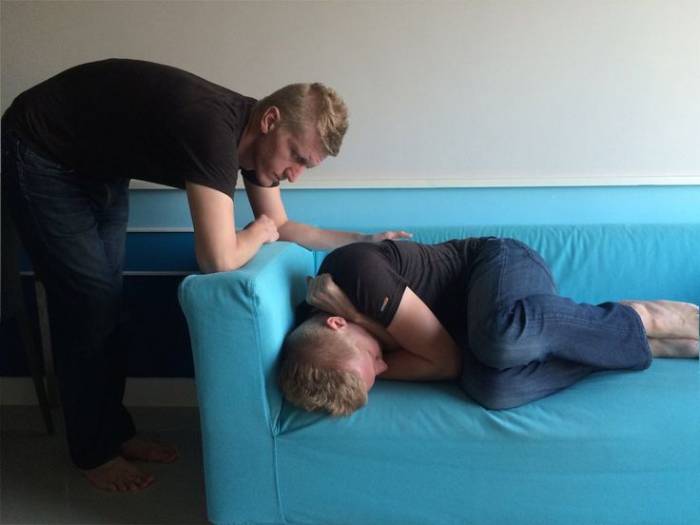
People who suffer from depression often isolate themselves from their friends and family. Unfortunately, those on the outside looking in may get the wrong idea, thinking the person suffering is actively trying to shut everyone else out of their lives. In fact, the reason people suffering from depression distance themselves from friends and family is that they don’t want to burden others with their problems. They know it’s draining to be around them (because it’s draining to be themselves), so they don’t want to throw a pity party while everyone else is trying to have fun. This is a major reason friends and family need to make an even greater effort to be there for friends who suffer from this debilitating disease.
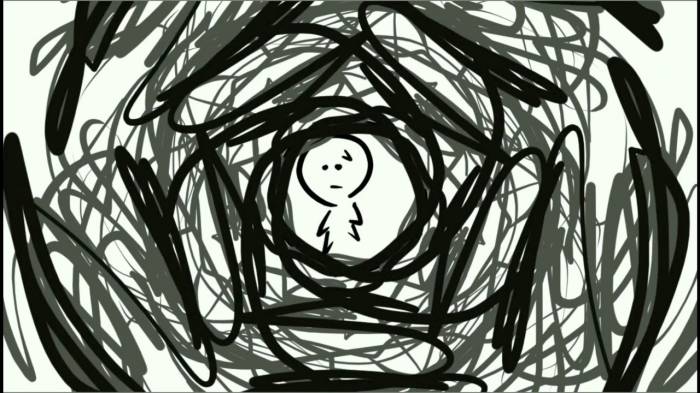
#15 “Don’t compare me with other depressed friends, we all have different coping abilities”
Comparing is always bad. But comparing someone coping abilities (mental illness) is worst. They don’t want sympathy, they need love. Understand their problems and never compare them with other friends how they cope up with their depression. Everyone is going through different ups and downs and most importantly everyone has a different coping mechanism.
advertisement
#16 "It doesn’t define us."
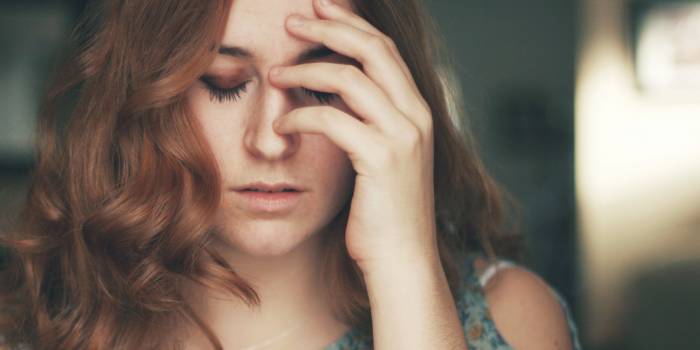
Although it’s a big fork in our road our depression doesn’t define who we are or our character. We are people too and we have feelings, we are all the same just deal with things differently and we’re working on it.

#17 “If I knew how to get out of it, I would”
Because depression is misunderstood by the general public, people find it hard to believe those who suffer from it actually can show signs of happiness and emotions other than sadness. When a depressed person musters up the courage to go out with friends, they’ll sometimes be able to “snap out of it,” telling jokes and laughing with the group for a few hours, and it may seem like nothing is wrong. However, depression transcends fleeting moments, and acts as a forcefield around the person that prohibits good moods from lasting very long. While those who suffer from depression can in fact enjoy themselves at times, anxiety and despair rear their ugly heads later on when they settle in from a relatively fun night.

advertisement
#18 Your words can really hurt.
If you say the littlest thing to us, it may not seem like a big deal to you. I can assure you we will dwell on it for weeks. Not only that but it tears us down inside too. It’s so difficult to hear the words of other people when you feel alone and feel as though everyone’s eyes are on you

#19 We don’t try to lose connection.
With depression, it can be very difficult to keep contact with the ones you love. It’s truly not our intention we tend to shut ourselves out and isolate yourself. Please don’t take this personal
advertisement
#20 ”Anyone can have depression- It’s not my fault”
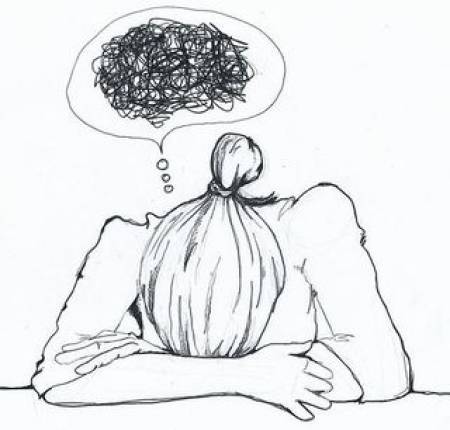
If you think only kids, poor or a failure can be a victim of depression then you are completely wrong.Anybody can have depression. From celebrities to hairstylist, rich to poor, kids to adults etc. The bottom line is- You have to treat them just like a friend and not blame them. They are just like normal people with an anxious mind.

#21 "We are not weak"
Since the term “being depressed” is so overused in society, many people operate under the misconception that actually being depressed is a sign of weakness. People think “I was sad last week, too. But I got over it pretty quickly,” so they assume that other people who suffer from depression are “milking it” in some way. There’s a saying about those who suffer from depression that says they have simply “been strong for far too long.” In other words, they’ve lived with this crippling disease for an incredibly long time, and only recently hit the breaking point at which they needed to find help. People who suffer from depression aren’t weak. In fact, they’re some of the strongest members of our society.

advertisement
#22 “Don’t give up on me”
“Don’t give up on me! I may look like a big, burly, manly man. But I still need to be reassured, I still need/want affection.” — Steve Lee. I think it explains it all.
#23 "We’re too much to deal with"
They understand that at times they can be “Debbie Downers,” and don’t want to bring everyone else down with them. And they know their moods can fluctuate at times, so they would rather stay home alone than risk having a meltdown in front of their friends. However, this is when friends need to step it up and be more understanding and compassionate than they’ve ever been before.
advertisement
#24 "If I’m leaning on you too hard, let me know- please.”
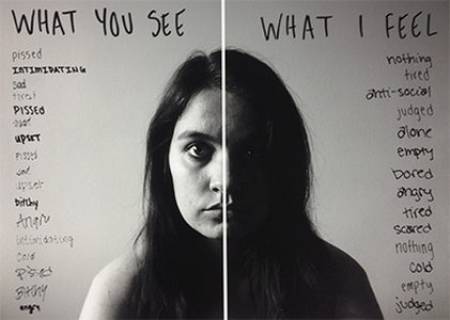
Sometimes, a depressed leans too hard on a person even without realizing it. Depressed people have so many thoughts and when they talk to someone, they share their highs, lows and even lowers low. As a result, they start bothering people even without realizing and the other person may start to keep distance. If you think they’re, thoughts are weighing on you let them know with ease. This would not spoil your relationship, but instead, the depressed person will be more careful how much to share in a healthy and useful way.
#25 “Achievements you see small are big to me”
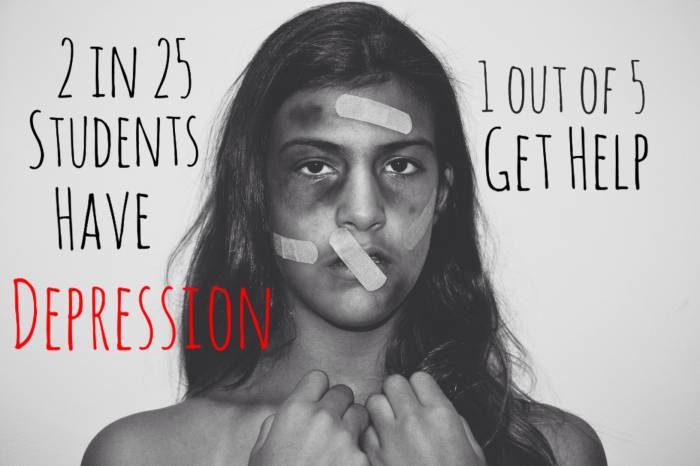
Achievement is a personal goal you need to achieve. And, so everyone thinks about it differently. People with depression try to find happiness even in the smallest things. So, please don’t make fun when they celebrate their small achievements. In addition, celebrate even the smaller success.
advertisement
#26 We fight every day.
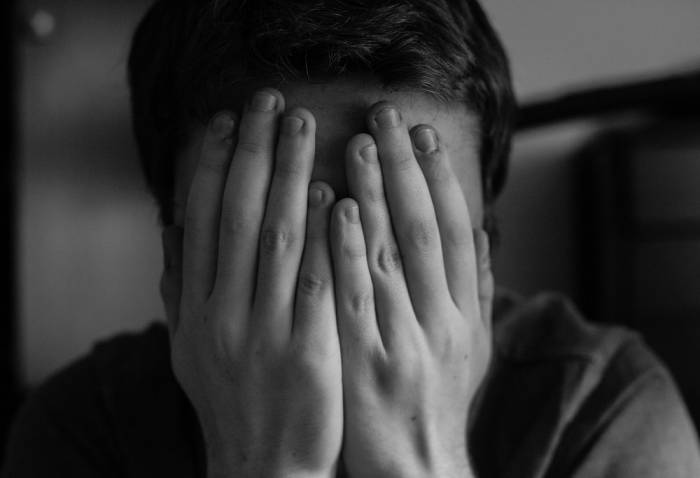
We fight this battle every second we step out of our beds. It’s so hard to do things when you find zero enjoyment in any of them. It’s like a constant headache that you can’t get rid of. Your mind and body fight each other and it’s never ending.
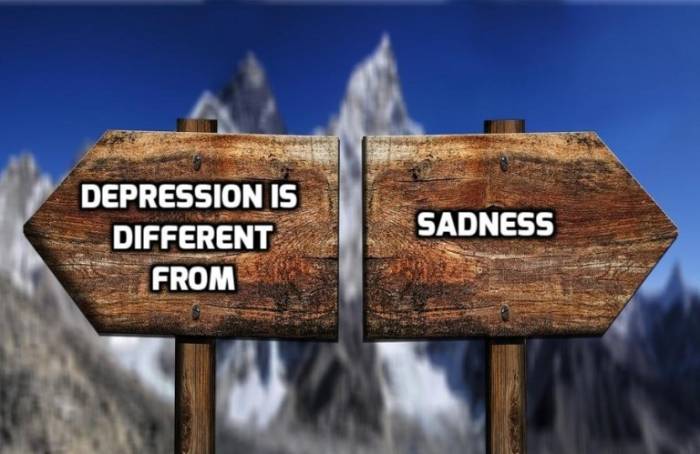
#27 ”Depression isn’t just a bad mood or a bad day. It is different from being sad”
Sadness is a normal human emotion. We’ve all experienced it and we all will again. Sadness is usually triggered by a difficult, hurtful, challenging, or disappointing event, experience, or situation. In other words, we tend to feel sad about something. This also means that when that something changes when our emotional hurt fades when we’ve adjusted or gotten over the loss or disappointment, our sadness remits.
Depression is an abnormal emotional state, a mental illness that affects our thinking, emotions, perceptions, and behaviors in pervasive and chronic ways. When we’re depressed we feel sad about everything. Depression does not necessarily require a difficult event or situation, a loss, or a change of circumstance as a trigger. In fact, it often occurs in the absence of any such triggers. People’s lives on paper might be totally fine—they would even admit this is true—and yet they still feel horrible.