Things Psychologists Say About A Nail Biter’s Personality
By
Sughra Hafeez in
Facts
On 23rd August 2017
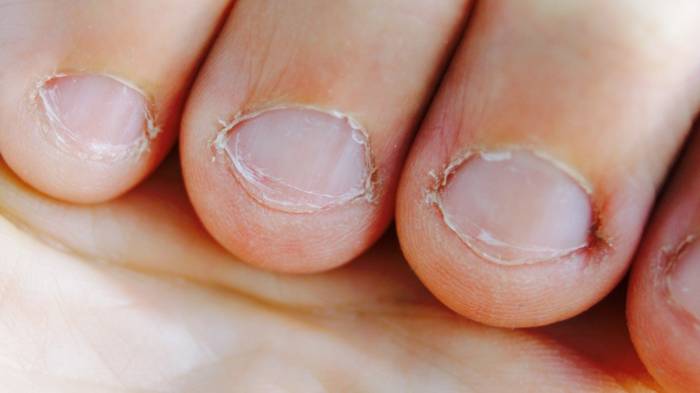
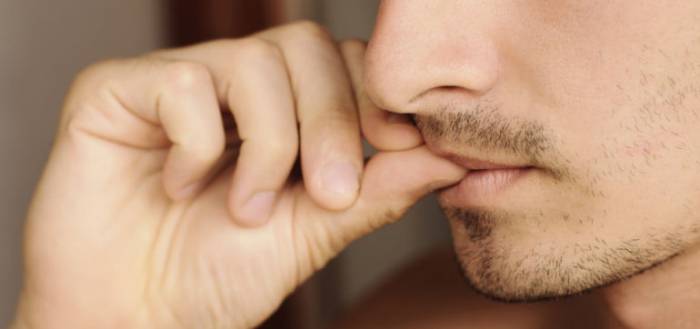
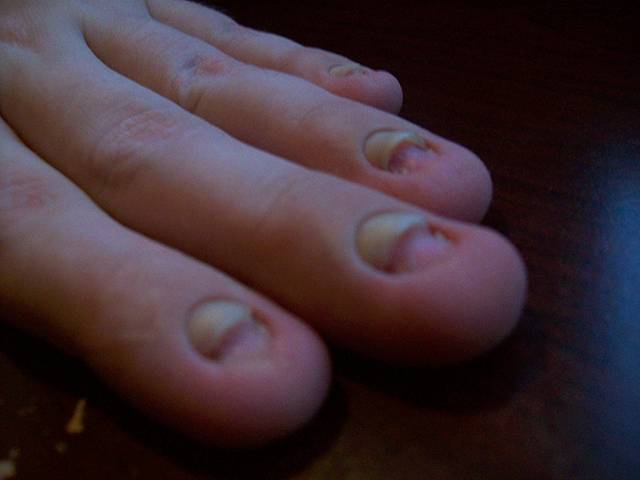
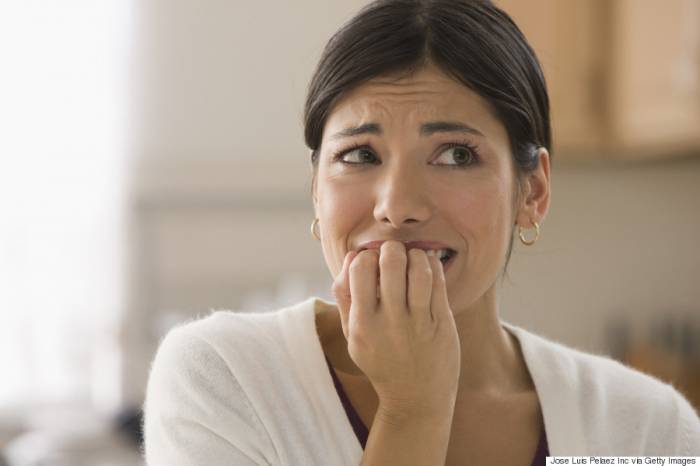
Chewing on one’s fingernails may repulse some people, but it is a common habit. Some individuals take it as a sign of inner stress, anxiety, or unease while for others it is a sign of perfectionism. Statistics show that a staggering one-third of grown-ups still retain their nail-gnawing habits.
Whether it’s perfectionism or anxiety, the extremes of both psychological features can be harmful. Biting your fingernails can make your hands and fingers ugly. Plus, the habit can indicate things you may not know about your personality. Read on below to find out what these are:
#1 Nail Biting's Cause Is Hard To Pinpoint
When it comes to picking out the causes for a nail biting habit, psychologists have pinpointed virtually everything under the sun. Some stick to a fairly conventional explanation: that it's due to preoccupation, boredom, tiredness, or a wish for simple comfort.
#2 Others, however, have more out-there explanations.
Sigmund Freud thought that it indicated some kind of fault in your psychosexual development since childhood (because of course, he did).
#3 Suggestions have also included that it's about self-mutilation and a sign of inward aggression toward yourself.
Which, if you ever just pick idly at a nail on a slow day, may make you slightly freak out.
#4 Another Theory.
There isn't really a universal cause ― that the habit develops for many different reasons, and that the behavior happens to be the same because nails are easily accessible, and we grow up putting things in our mouths.
#5 You may bite your nails because you need an outlet for your stress while doing taxes.
It's all part of the same spectrum. The problem with this? It becomes much harder to "cure" something when there isn't a distinct cause.
#6 Nail biting helps us balance out our emotions
Recently psychologists have come to a more plausible theory of nail biting: that it can provide a temporary escape, distraction, or bit of pleasure or relaxation for the biter.
#7 Perfectionism
One possible answer relates to the finding that people with body-focused repetitive disorders tend to be perfectionists. It might be that ripping off an oddly shaped nail can provide a satisfying sense of perfection for the biter — and the quest for this satisfaction eventually gets out of control.
#8 Nervousness
Nail-biting is still very much associated with nervous behavior. Some psychologists associate it with people who are obsessive compulsive.
One of the lead researchers, Kieron O'Connor gave this explanation about the behavior:
“Although these behaviors can induce important distress, they also seem to satisfy an urge and deliver some form of reward. We believe that individuals with these repetitive behaviors may be perfectionistic, meaning that they are unable to relax and to perform the task at a ‘normal’ pace.”
#9 Boredom
Not doing anything in particular, being inactive, or feeling bored are also common reasons why people bite their nails. The habit of nail biting is a way to stimulate the nervous system, which can help you to stay awake, for example.
#10 Imitation
Lots of children who bite their nails do so after seeing their parents practice the same bad habit. In the case of patients who are over 18 years old, onychophagy tends to appear as part of an anxiety disorder, or because of a tic, hyperactivity, or obsessive compulsive disorder.
#11 Lonely Kid
Recently, it was observed that children who were nail-gnawers were more likely to be socially awkward. They had few or no friends and weren’t confident.
This problem is severe in developed and industrialized countries. Almost half of the children in such areas suffer from this behavioral aspect. Adults may only be at 10%, but this number is likely to increase as the kids above grow up.
These kids are most likely anxious, as many increasingly are. Children now face a lot of peer pressure, as well as home trouble and academic struggles. Thus, it is not surprising that as these pressures increase, so make worrisome habits like nail biting. Along with the health problems, a nail biting kid’s esteem could go down even further.
#12 Part Of A Disorder
If nail biting comes to the fore when one is 18 or older, it is probably not imitative behavior. In fact, psychologists usually diagnose this compulsion as the result of an anxiety disorder. Alternatively, it could also be because of a general hyperactivity, tic, or even a sign of OCD.
#13 Nail Biting And Health
As the study makes clear, nail-biting is considered a body-focused repetitive behavior – a classification reaffirmed by the vast majority of the medical community. Any BFRD-related behavior is harmful to one’s health and nail-biting is no exception.
Additionally, nail-biting can be quite painful and lead to unattractive hands. So if you’re a nail-biter, you should start taking steps to counteract this habit.
#14 Psychosomatic causes
Many people bite their nails to cause pain, injure themselves, etc. This may occur in violent families, children who were subjected to severe parenting styles, or as a way to gets others’ attention.
#15 Emotions
Shyness and low self-esteem, as well as the pain caused by divorce or the death of a loved one, can cause people to bite their nails. This habit tends to disappear if and when the person feels more self-confident and starts to trust their environment again.
#16 The Conclusive Solution
To do away with nail biting, one could replace one fidgeting action with another. Playing with a piece of dough, a fidget spinner, or taking up knitting to occupy your hands are good ideas. A longer but more efficient step is to take care of the factors that produce tension. If one has an overbearing family, for example, they should consider moving out or going to a new town/country altogether.
The people around nail biters could also play a huge part in getting them to quit. Unfortunately, the friends and families of nail biters tend to get used to their habit. They either ignore them or only stop reminding them to leave of this disturbing action. However, if they care, they should make an effort and take active steps to dissolve this habit once and for all.