If you’ve spotted (and swiftly plucked) the odd hair sprouting from your chin, you probably haven’t thought much of it. Most people - men and women - will grow the occasional unexpected strand in all kinds of areas on their body without it becoming a cause for concern.
advertisement
#1 Chin hairs are like stars. You don’t always see them, but every so often they emerge to surprise you in all their bold glory.
Facial hair, of course, is no big deal, but we have always wondered what the deal is with that one thick, long hair that seems to appear out of nowhere, just begging to be plucked.
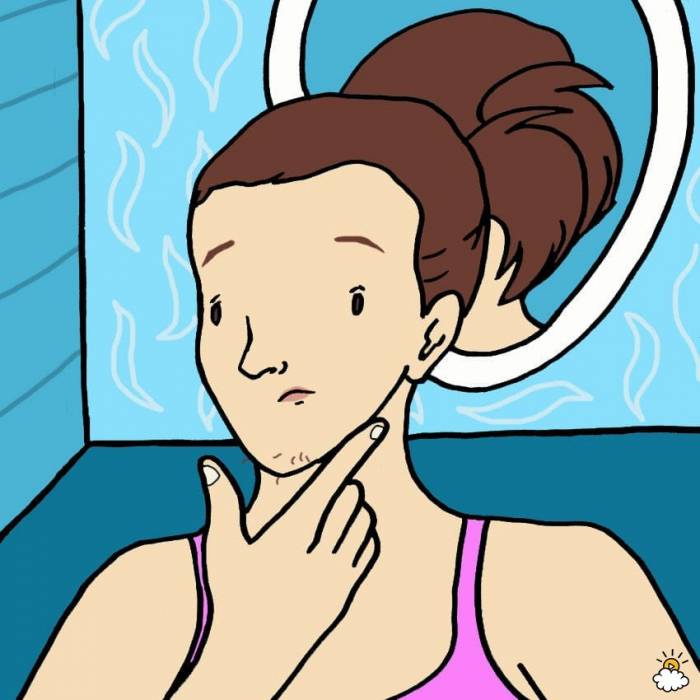
However, if you’ve noticed excessive or repeated growth of hair on your face, or are wondering WTF is going on with that one stubborn thread that can’t be beaten by your tweezers, there are a number of possibilities to consider.
#2
Dr. Heidi Waldorf, director of laser and cosmetic dermatology at The Mount Sinai Hospital, said:
“These are terminal hairs versus the vellus hairs on the rest of the face,” she said. “Hair differs in its susceptibility to testosterone. Beard and mustache hair are more susceptible. Since [the chin is] considered a masculine area, when hair appears in that area in women, it is referred to as hirsutism.”
Hirstuism is a medical condition that is often caused by polycystic ovary syndrome and certain medications that cause excessive growth. But if you have just one or two terminal hairs that appear in the same place each time they grow, you can usually chalk it up to our unique, complicated bodies.
Here’s what could be going on behind the scenes…
advertisement
#3 Genetics
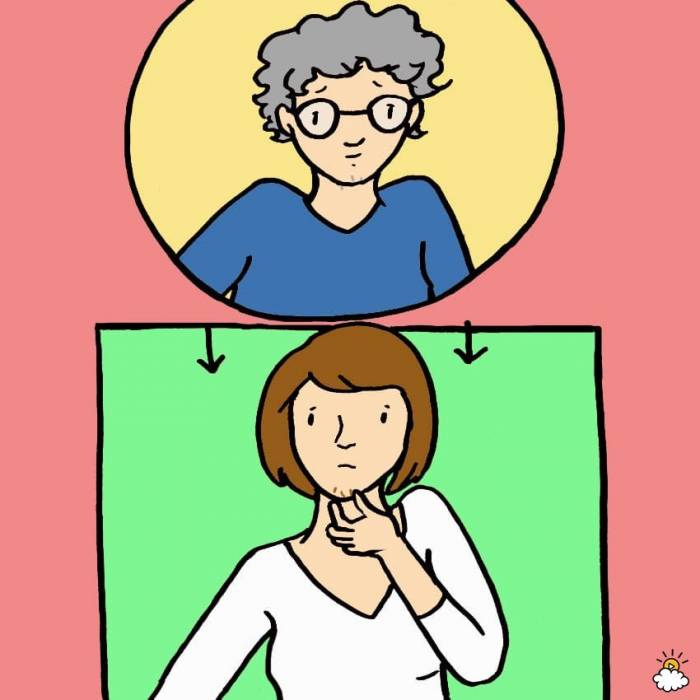
Like many things in this life, chin hair can be a genetic trait.. Hadley King tells Women’s Health Magazine that “chin hair results from a combination of genetics and hormones.”
If you’ve ever noticed chin hair on your grandma or mother, then you might notice the same thing on your own chin at around the same age.

#4 You have Cushing’s syndrome
Elizabeth also notes the possibility of Cushing’s syndrome, which is less common, affecting an estimated 1 in every 50,000 people - but women are three times more likely to develop it.
Cushing’s syndrome is caused by high levels of a hormone called cortisol, and in addition to facial hair, it can cause weight gain, stretch marks, skin that bruises easily, and muscle or bone weakness. It can occur as a side effect of taking certain medications, or more rarely, because of a tumour developing inside a gland, so it needs managing with appropriate advice from a medical professional.
advertisement
#5 You have PCOS
"There are some conditions where the increased hair growth is caused by hormonal imbalances, namely increased production of male hormones. PCOS (Polycystic Ovaries Syndrome) is the most common cause," Elizabeth explains.
PCOS is a condition that affects how your ovaries work, and other symptoms include irregular periods, weight gain, acne, and fertility problems. If you’re suffering from one or more of these signs and you’re concerned, speak to your doctor about your options - there’s no ‘cure’ for PCOS as such, but there are treatments that can help to manage the condition, ranging from lifestyle changes all the way through to surgery.
advertisement
#6 Age
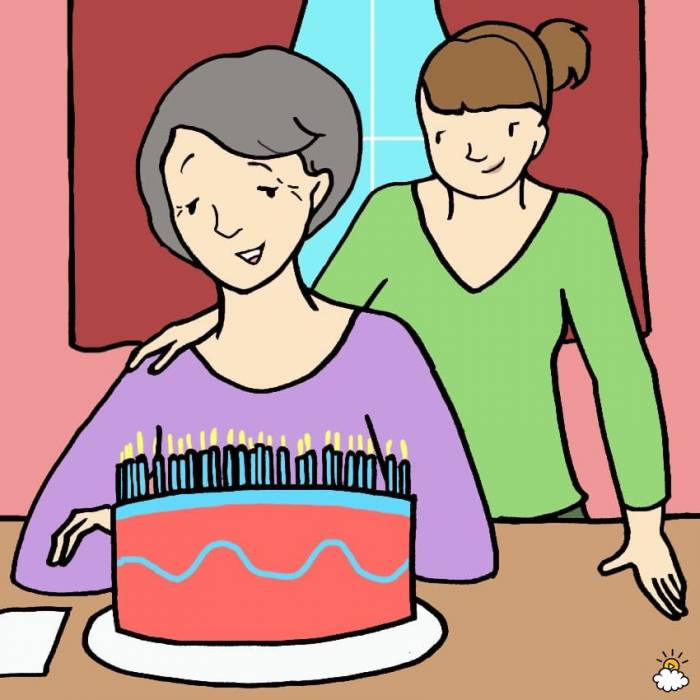
The balance of hormones in our bodies change throughout our lives. At menopausal age, women begin to produce less estrogen.
If your chin-hair growth started around this phase in your life, it definitely has to do with the big changes your body is going through.
You might see it stabilize over time, or you might find that you need to do a little more plucking to keep things smooth.
advertisement
#7 Unbalanced Hormones
When your body acts strangely, the answer often has to do with your hormones. Chin hair is no exception.
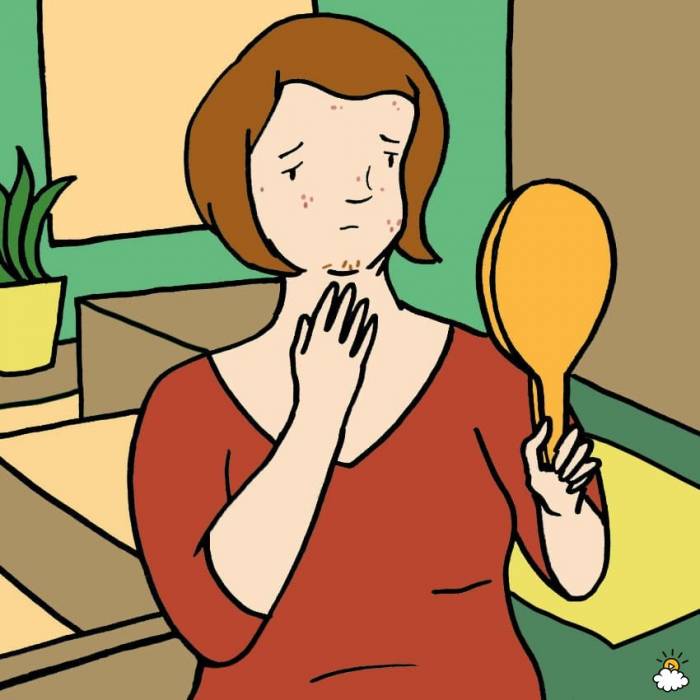
An overabundance of male sex hormones, called androgens, is sometimes to blame for those stubborn chin hairs.
It is normal to have both hormones present, but sometimes an imbalance can cause hair growth in areas usually designated for men.
advertisement
#8 Your medication is affecting you
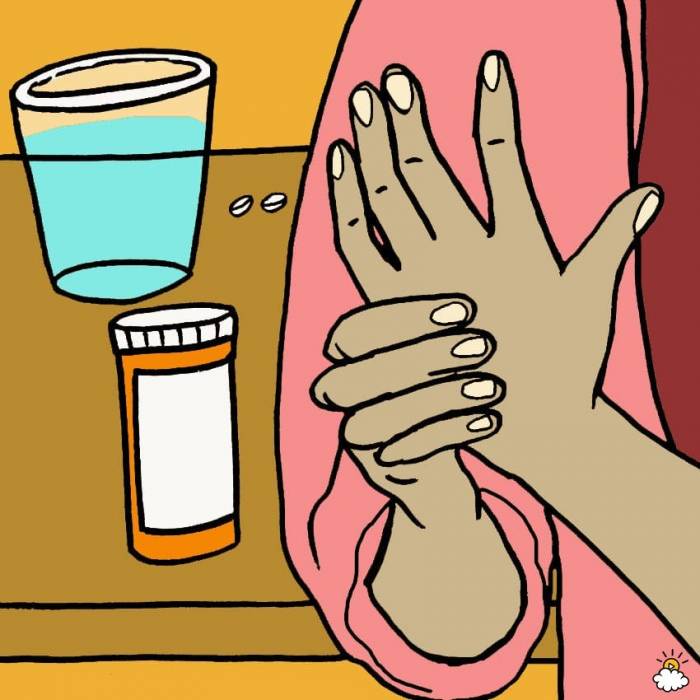
It’s rare, says Elizabeth, but certain medications can cause an increase in hair growth including "some chemotherapy drugs for cancer, and some medicines for epilepsy."
"Anabolic steroids used illegally in sport and sold in some gyms may increase facial hair if used by women," she continues. These are class C drugs, and should only be sold by pharmacists with a prescription; if you’re using them without guidance, facial hair may be just one of a range of very serious side effects, from aggressive behaviour and mood swings to blood clots and increased risk of heart attack or stroke.
advertisement
#9 Congenital Adrenal Hyperplasia
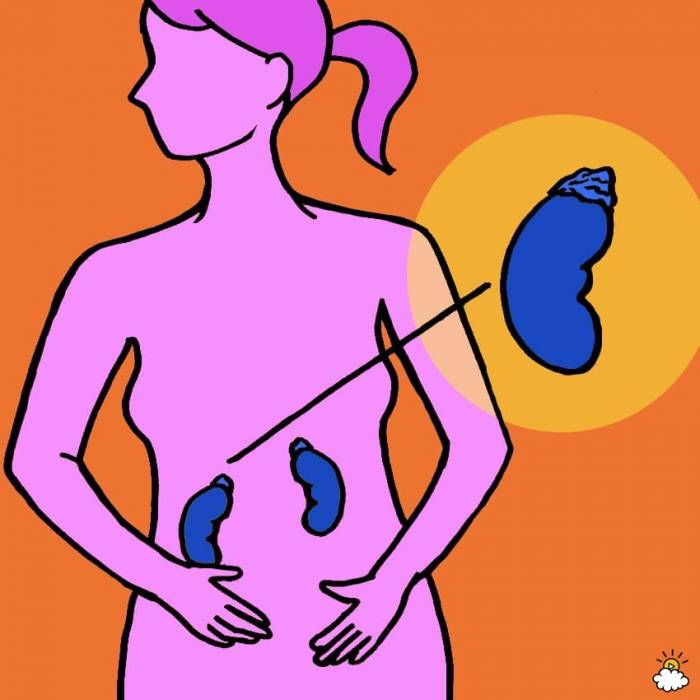
Some chin hair is caused by congenital adrenal hyperplasia, a condition typically diagnosed at birth.
According to Medline Plus, this birth defect occurs in about one in 15,000 children.
These people are missing an essential enzyme that secretes hormones from their adrenal glands. As a result, the body produces more male hormones, which triggers the growth of extra chin hair.
advertisement
#10 Pregnancy Or Birth Control
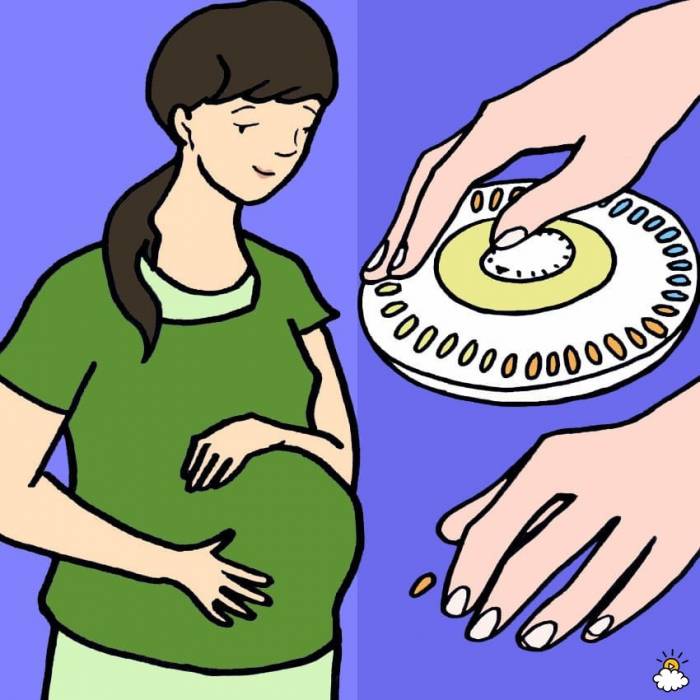
One of the biggest hormonal changes a woman’s body can undergo is pregnancy.
Some unusual or excessive chin hair growth is nothing to be alarmed about for a pregnant woman.
Similarly, women using hormonal birth control might experience unusual hair growth due to the change that their body is undergoing.
These hormonal shifts are usually temporary, and the extra chin hair goes away when your body chemistry re-balances.
advertisement
#11 Your weight needs addressing
If your increase in hair production has coincided with a noticeable weight gain or weight loss, the two could be related. "Obesity upsets the balance of male and female hormones," details Elizabeth - and as we’ve already learned, your hormones can have a major impact on hair growth.
At the opposite end of the spectrum, she adds, extreme weight loss can cause an increase in fine hairs, like those usually seen in children. This is known as lanugo, and can be an indicator of anorexia - a disorder for which you should always seek the support of an expert.
advertisement
#12 How Can You Get Rid Of Unwanted Chin Hair?
For many women, chin hair can help diagnose a serious illness. Still, that doesn’t mean she wants to leave it on her face!
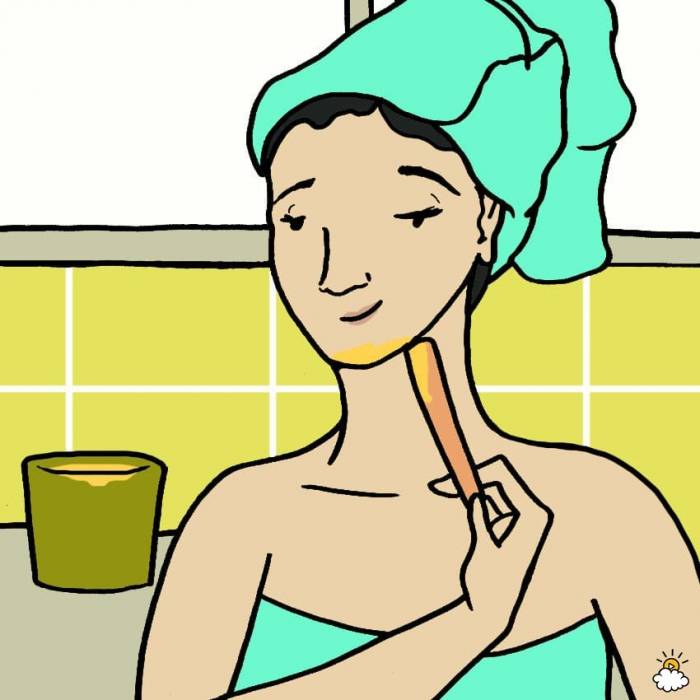
The easiest way to remove chin hair is by simply plucking it, bleaching it, or waxing it off.
More long-term solutions may involve laser removal, or for someone with a hormonal condition, speaking with a doctor about achieving a better balance.
Of course, don’t just pluck off the chin hair and move on if there’s a possibility you have a more serious condition. Go to a doctor!
Sometimes, a bristly hair is your body’s best way of alerting you to a dangerous problem.