We might not all agree about what happens in the afterlife, but we can be certain about what happens to our bodies after we die. Must See!
advertisement
#1 Eaten By Enzymes
Withing three days of death, enzymes that aide in digestion begin to eat your body from the inside.
#2 C02 Build Up Increases Acidity Levels
Bacteria in the stomach begin to dine on the dead cells that rupture due to the increase in the body's C02 levels.
advertisement
#3 Skin Cells Live On
Though the body is being eaten away from the inside, the skin cells remain intact for several days, sometimes weeks or more.
#4 The Brain Dies Within Minutes
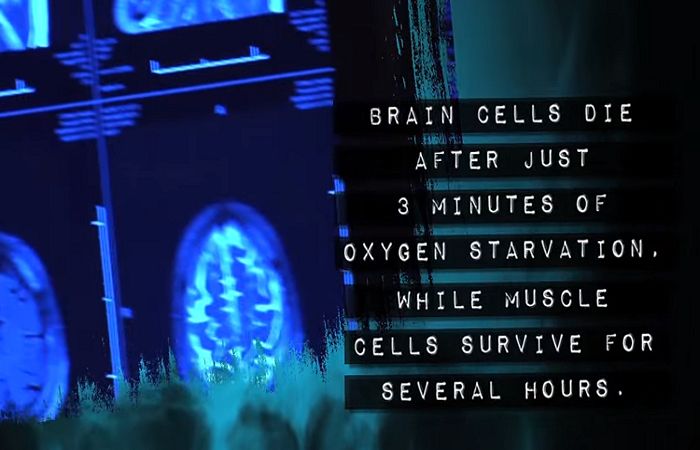
Within 3 minutes the brain dies from lack of oxygen, but the muscles in the body, mainly the arms, hands, and legs, may survive for as many as 6 hours after the brain has stopped functioning.
advertisement
#5 Livor Mortis
The moment the hearts stops pumping blood through the veins, gravity kicks in and pulls all of the red blood cells to the lowest part of the body. This is dependent on the position the body is in at the time of death. This causes the areas without any blood to harden.
advertisement
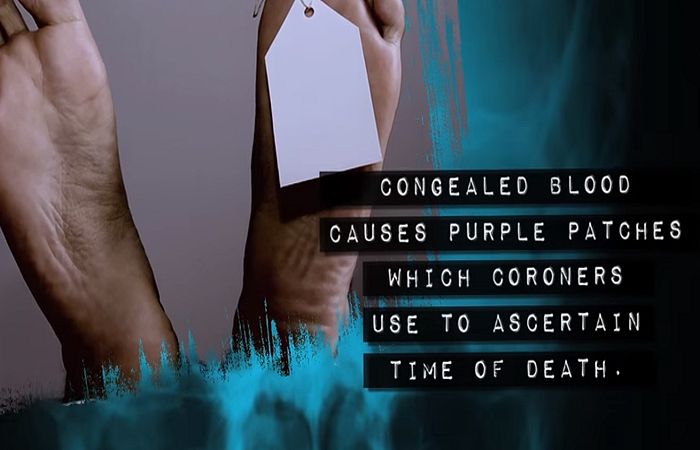
#6 Congealed Blood Patches
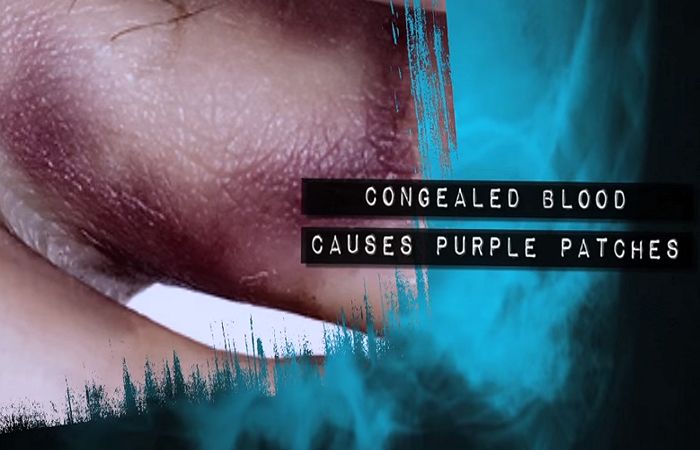
Areas where the blood lays or congeals begin to develop bright purple blotches on the skin. The is the blood laying in pools just under the muscle.
advertisement
#7 Time Of Death
Coroners use the pooled patchy areas on the body to obtain needed information on the approximate time of death. This is commonly referred to as 'rigor mortis' because of the hardening of the areas where no blood has pooled.
advertisement
#8 Adipocere
Some bodies, depending of the cause of death, develop adipocere, which is the formation of a waxy gloss to the body. It occurs at about 5-12 hours after death.
advertisement
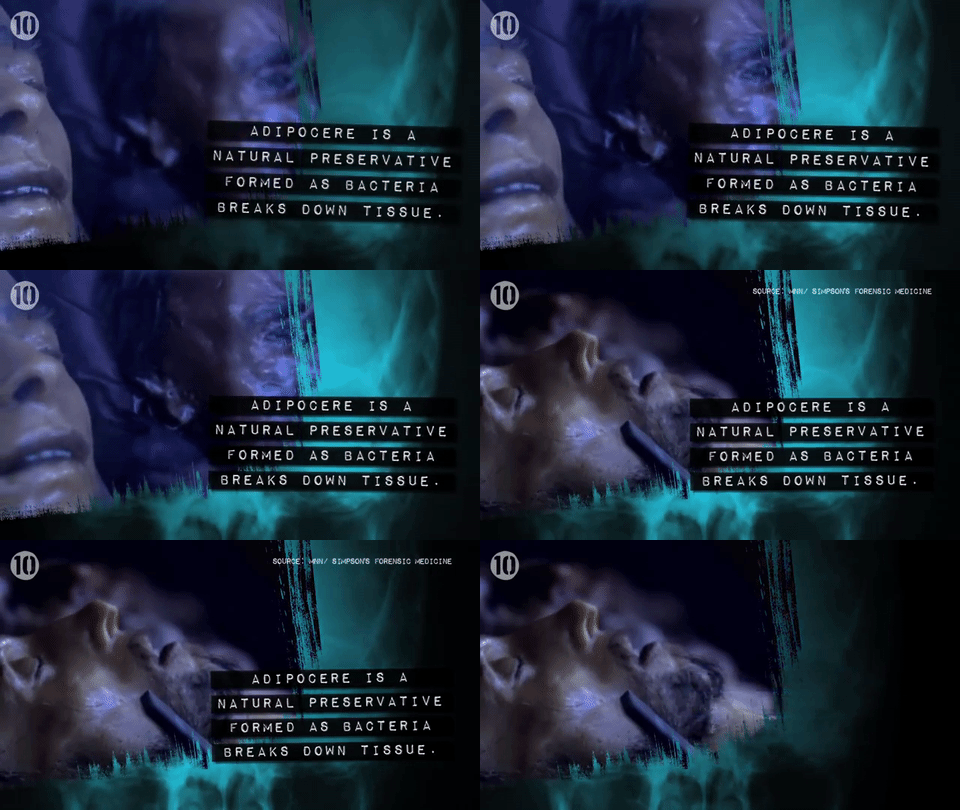
#9 Natural Preservative
As the body's bacteria breaks down and the hungry cells eat away at the inside, the adipocere manufactures a false preservative, making the corpse resemble a wax like figure. This natural mummification of the outer body can last for many months or even years.
advertisement
#10 Greening
The bowels and lower intestines contain a bile that is full of bacteria. As this flows from the walls of the bowels it turns greenish in color, causing the skin to take on a green glow.
advertisement
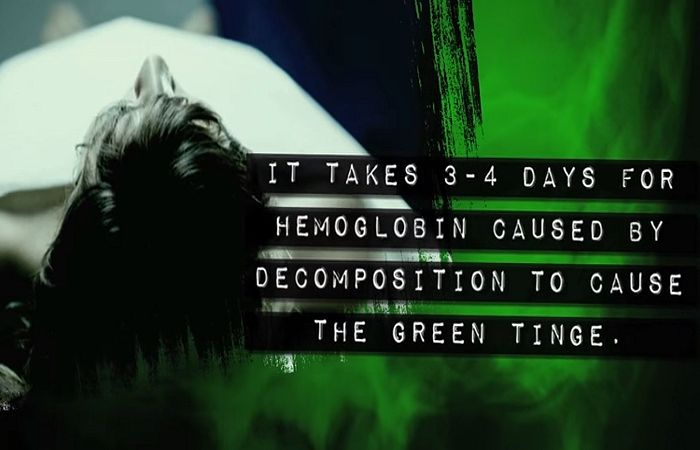
#11 Greening Takes 3-4 Days
The green glow to the skin, or green tinge, takes up to 4 days to turn the blood cells as the bile from the bowels takes over where the blood once flowed. Decomposition begins instantly as the organs all begin to break down and release bacteria and free agents.
advertisement
#12 Purge Liquids
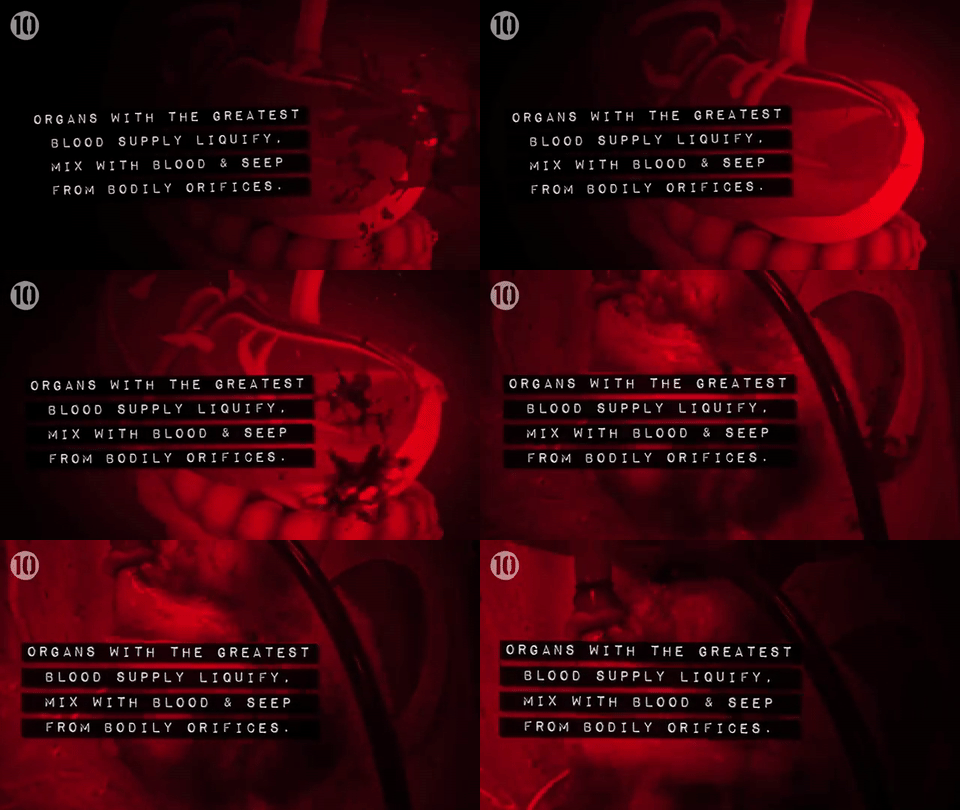
Organs with the most amount of blood flow, like the liver, brain, heart, and bladder, begin to turn to a liquid state when they are being eaten away, and the vile fluids seep from the orifices. As the fluid builds up, the pressure starts to push break down the abdominal wall.
#13 Decomposition
A body in the water will erode and decompose two times faster than a body out of water, and 8 times faster than a buried body.
advertisement
#14 Degloving
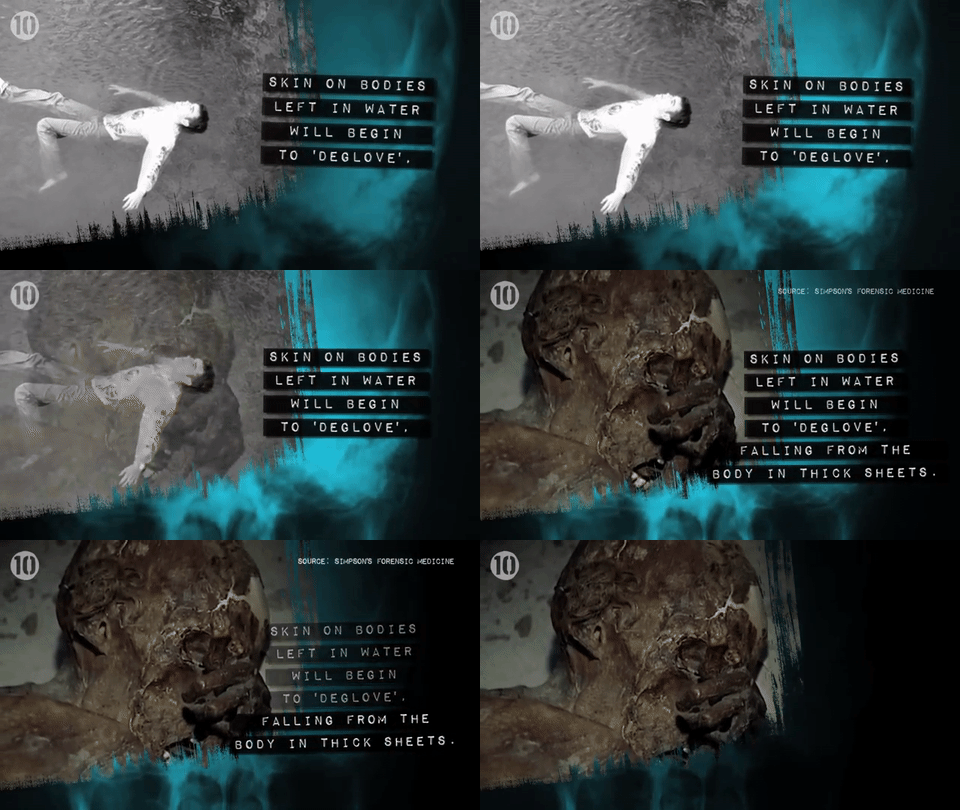
When a body is decomposing in water, a process called 'degloving' occurs. The skin then begins to shed or slide off of the body's frame in thick, bloated sheets or slices.
#15 Bloating Bodies
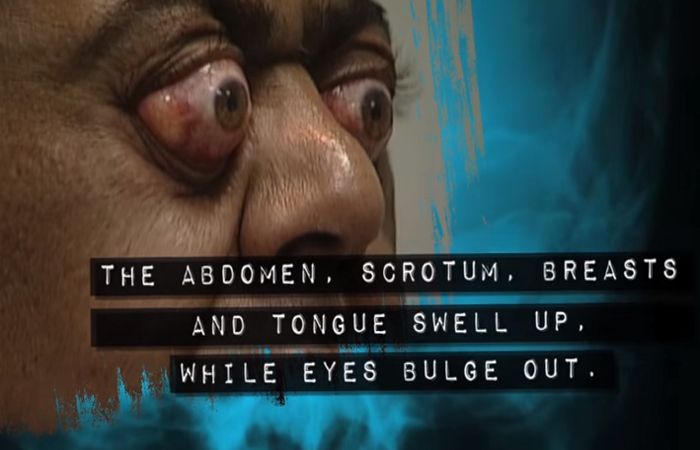
Bacteria in the body begins to create a foul smelling gas that causes the body to bloat. This is known to many as the 'smell of death'. Normally, the tongue, breasts, and scrotum swell up, while the eyes bulge out.
advertisement
#16 Post Mortem Fetal Extrusion
If a female is pregnant at the time of death, the buildup of gases can expel the fetus from her decomposing body.
#17 Fetus Extrusion
The gases continue to increase as the body decomposes, and within an hour after the gas build up causes pressure to the abdomen, the pressure expels the entire womb and fetus from the dying host.
advertisement
#18 Death Bed Erection
As rigor mortis sets in, the muscles begin to shrink and contract. The muscle around the scrotum can harden and cause an erection in males. This is common in hanging deaths, as the noose places pressure on the cerebellum.