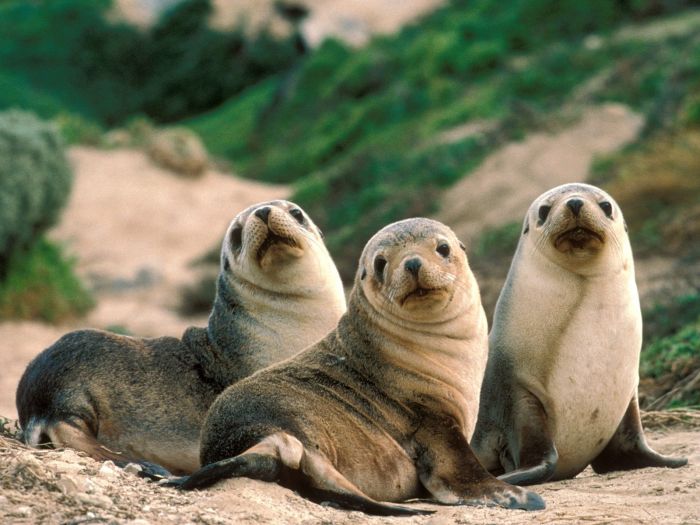
While they’re often only thought of as the cute creatures that do all the tricks at Sea World, pinnipeds are fascinating creatures.
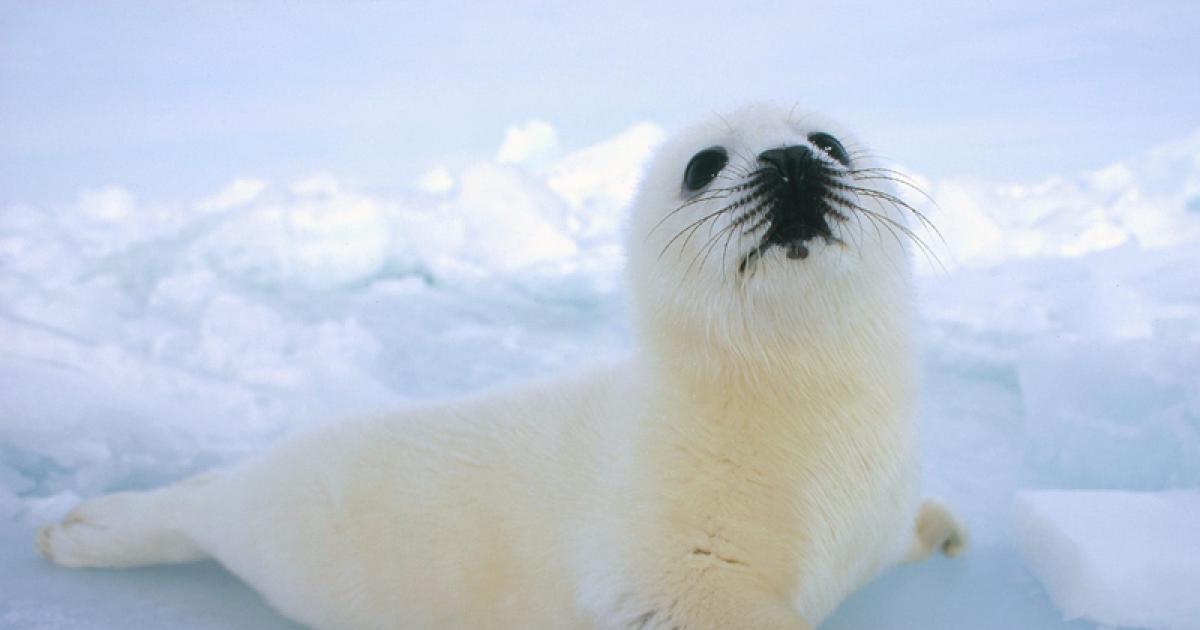
Things You Didn't Know About Seals, The Dogs Of The Sea
By
Editorial Staff in
Nature
On 30th March 2016
advertisement
THERE ARE EARLESS SEALS
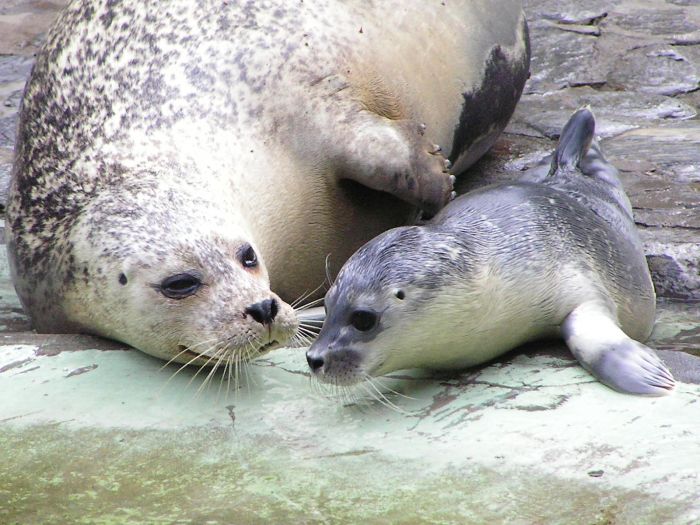
There are two main types of seals: earless and eared. Earless seals are also known as true seals. These guys don't have ear flaps (duh), and have a light coat of fur, primarily relying on a thick layer of fat called "blubber" to keep them warm in the water.
AND THERE ARE EARED SEALS
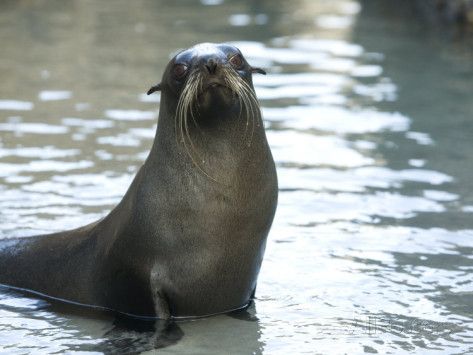
The other type of seal is the eared seal. Yup, you guessed it, they have ear flaps. They also have heavier coats and less blubber, relying on the air that gets trapped in their fur to keep them warm.
advertisement
SEALS HAVE FUR COATS
This is a bit redundant since I mentioned the fur coat thing when describing eared and earless seals, but most people often think of seals as being as sleek as dolphins, so it deserves a slide. Seals not only have fur, but have some of the softest fur out there. That's why many species were hunted to the brink of extinction for their fur for clothing.
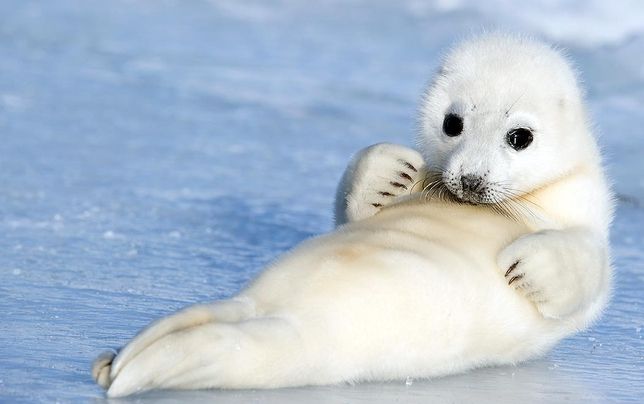
SEALS LIVE 25-30 YEARS
Seals are relatively long lived, able to reach 30 years old. Much like humans, the females live longer than the males.
advertisement
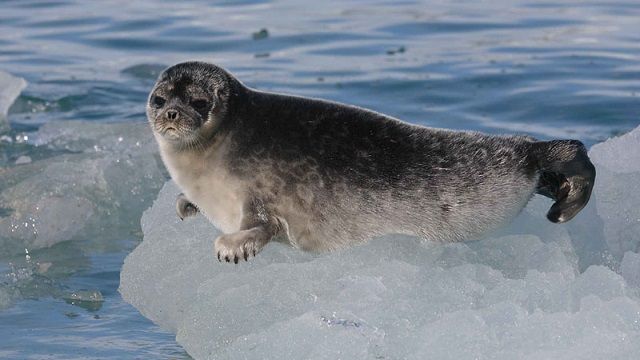
THE SMALLEST SEAL WEIGHS 70-308 POUNDS
This is the earless ringed seal. They're the smallest seals, true or not, and are so named for the ring patterns in their fur. They can weigh as little as 70 pounds and as much as 308, and they range in length from a tiny 3.3 feet to 5.75 feet.
advertisement
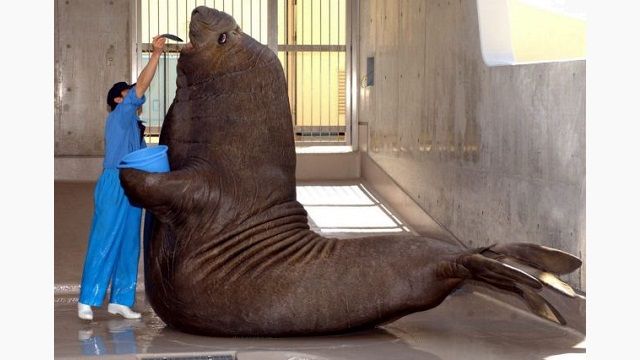
THE LARGEST SEAL WEIGHS 4,900-8,800 POUNDS
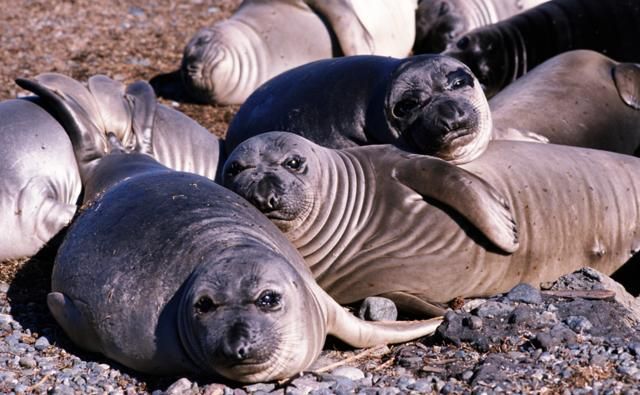
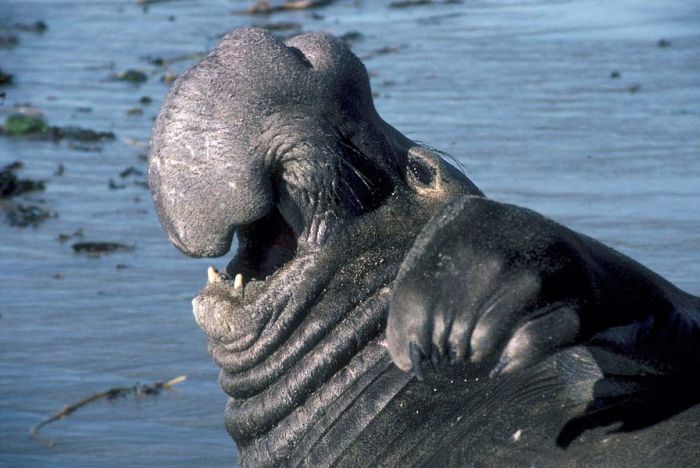
On the other side of the spectrum is the elephant seal. These bad boys are the largest carnivores alive today, and a fully grown bull (male) can range from 4,900 pounds to 8,800 pounds, and can reach up to 20 feet in length.
advertisement
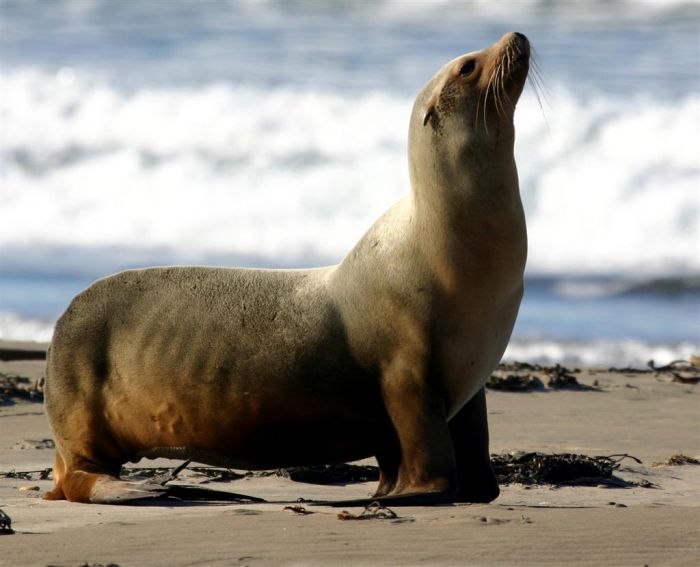
SEA LIONS ARE A TYPE OF SEAL
While many people stress the distinction between seals and sea lions, sea lions are actually a type of seal. They belong to the eared group, and they have leg-like flippers that allow them to walk on land, unlike their true seal counterparts, who can only awkwardly waddle.
advertisement
ELEPHANT SEALS HAVE "SMOKER'S BLOOD"
Elephant seals have as much carbon monoxide in their blood as somebody who smoke over 40 cigarettes a day. Scientists believe this allows them to dive to deeper depths (oxygen becomes toxic under the kind of pressure you find at depth).
advertisement
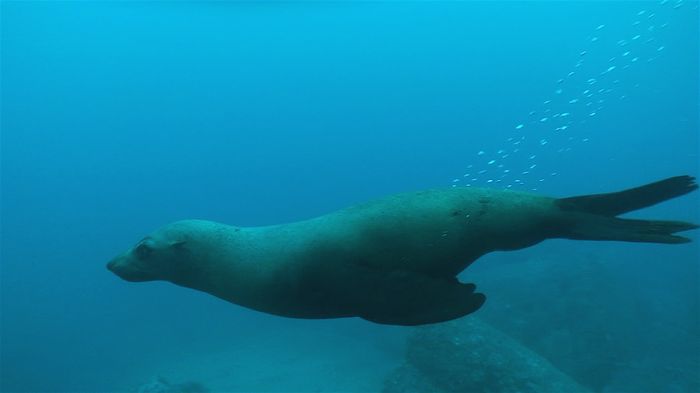
SEALS CAN HOLD THEIR BREATH FOR AROUND TWO HOURS
See? Seals really are just underwater dogs. The amount of time a seal can hold their breath underwater depends on the species. Some can hold their breath for only half an hour, while others can go as long as two hours. They do this by slowing their heart rate down to conserve oxygen.
advertisement
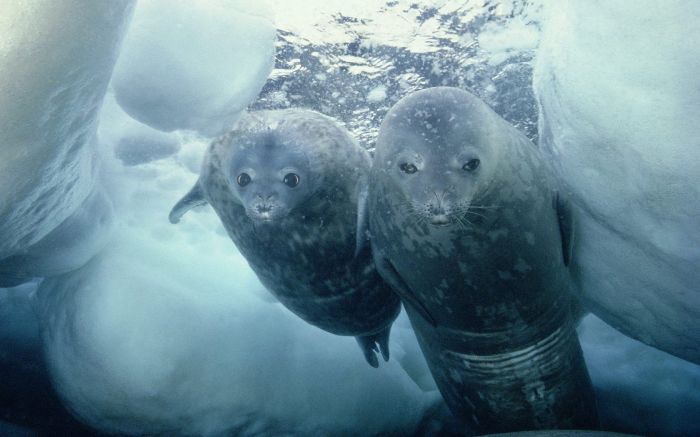
THEY CAN LIVE IN THE OCEAN FOR AROUND TWO YEARS
Certain species of seal can live in the ocean for two years before they get back to dry land. Seals only go on land to mate, molt and escape predators.
advertisement
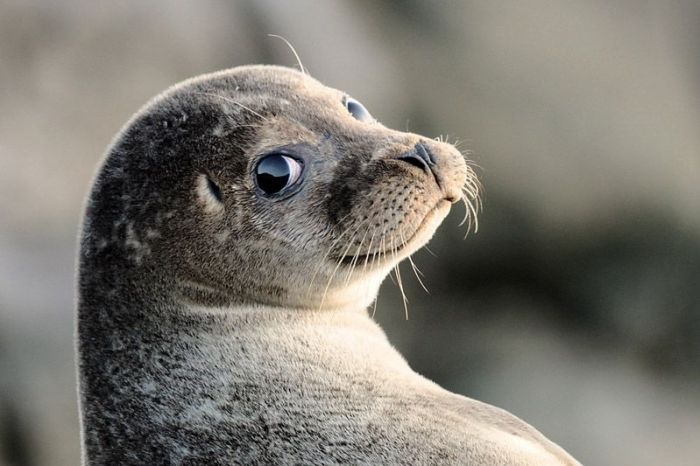
THEY CAN SLEEP UNDERWATER
Because they can hold their breath for so long and live at sea for extended periods of time, seals are able to sleep underwater for a period.
advertisement
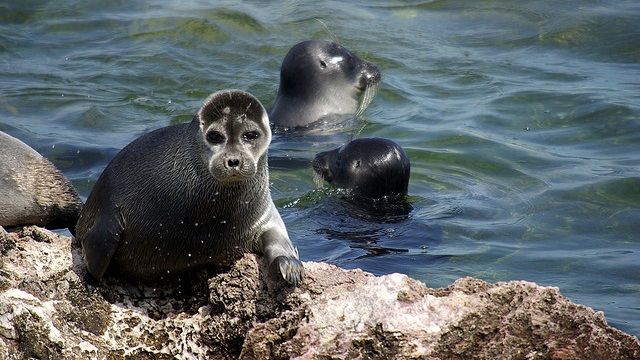
BAIKAL SEALS ARE THE ONLY FRESHWATER SEALS
There are species of seal that can live in freshwater, but Baikal seals are the only ones that are exclusively freshwater. This species is particularly fascinating since they only live in Lake Baikal in Siberia, and are the only landlocked species of seal.
THERE ARE 33 SPECIES OF SEAL
When counting true, earless seals and eared seals, there are around 33 species of seal total. The suborder Pinnipedia only has three members: earless seals, eared seals and walruses. Oh yeah, walruses are closely related to seals too, but they're the only non-extinct members of the family Odobenidae and genus Odobenus.