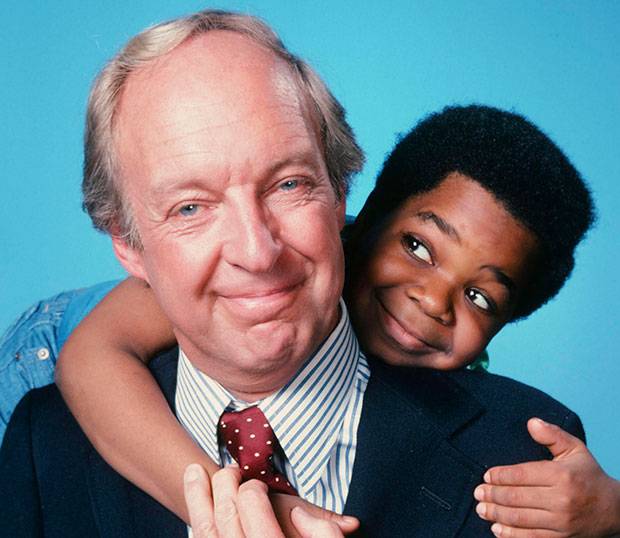
One of the most popular, and controversial sitcoms of the 1980's, Diff'rent Strokes had it's behind the scenes secrets as well. From teen drug abuse to manipulation of the cast. It still remains one of the most popular shows from TV history.
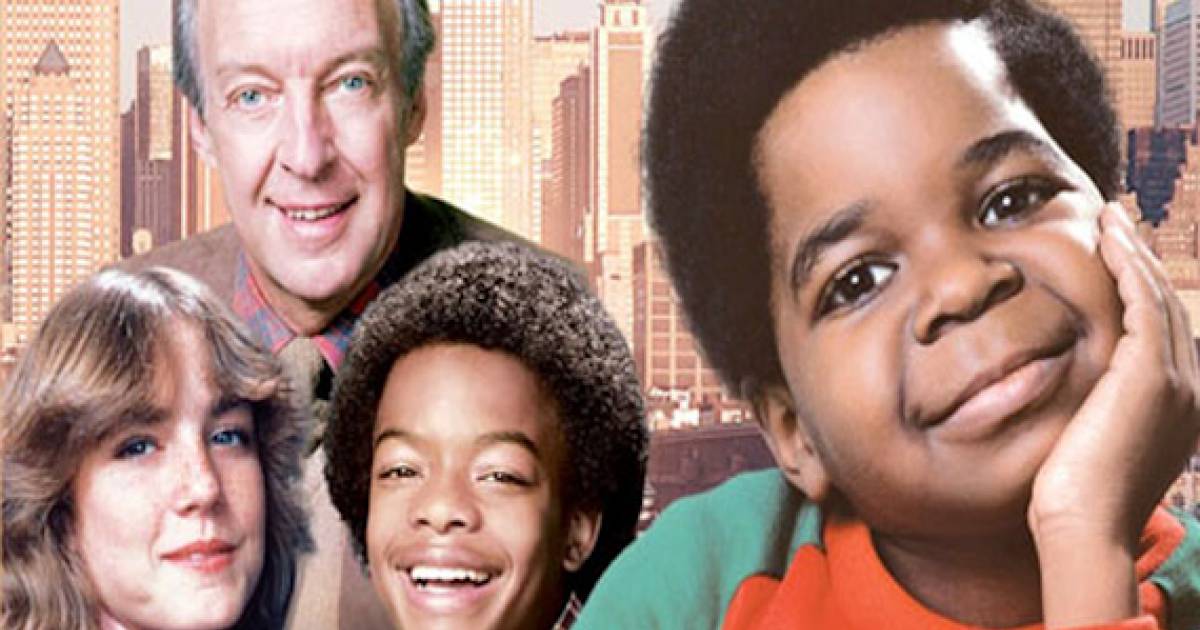
Things You Never Knew About 'Diff'rent Strokes'
By
Editorial Staff in
Entertainment
On 24th May 2016
advertisement
#1 It Takes Diff'rent Strokes To Move The World
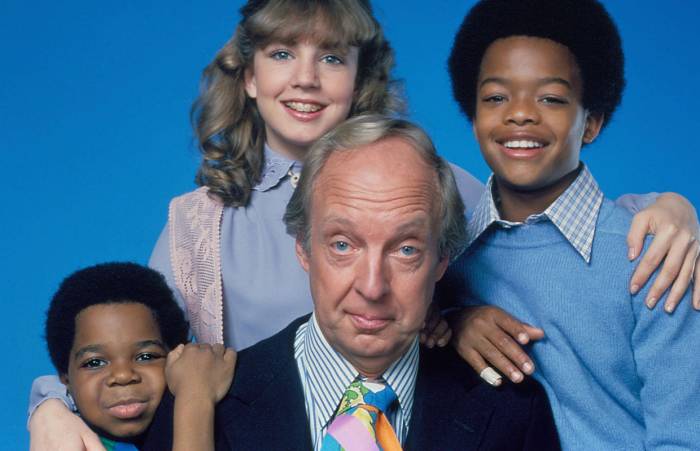
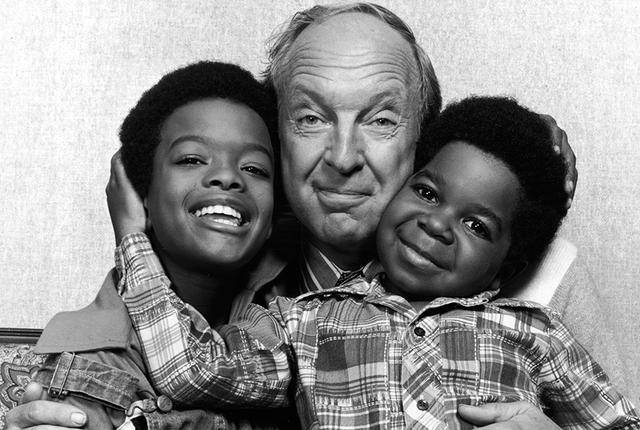
If you were around in the 1980's you no doubt remember the hit sitcom, Diff'rent Strokes. The show was developed by veteran sitcom legend Norman Lear and ran from 1978 and 1986 on NBC except for the last season, which was on ABC. The show was about a single father whose longtime housekeeper passed away and left her two sons to him in the will. The show starred Conrad Bain, Dana Plato, Todd Bridges, and of course, Gary Coleman. The three children were more than a handful, both on screen and off, if you recall reading the tabloids from back then. On top of that, here are a few other behind the scenes tidbits about one of television's most beloved series.
#2 It Made The NBC Schedule Because The Little Rascals Didn't
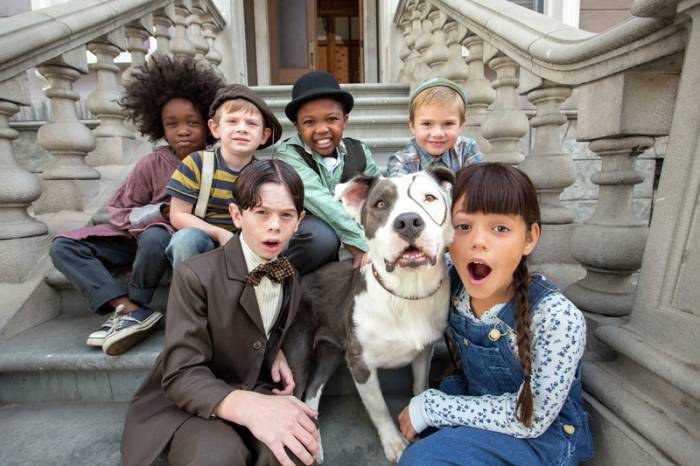
NBC President Fred Silverman knew he wanted to do something with Gary Coleman, the polished 10-year-old who had gotten attention for his commercial spots. He thought he would do a revival of The Little Rascals, and even filmed a pilot episode with Coleman in it, but the show was not well received and didn't make the schedule. Still insistent on putting the round-faced actor in a show, he contacted Norman Lear to develop a series with him as the star, and Diff'rent Strokes was born. The Little Rascals was ditched and later became a movie, without Coleman.
advertisement
#3 White Supremacists Were Not Big Fans
While Strokes was never a highly politicized series, some viewers were uncomfortable with the idea of a rich white millionaire adopting two black children. After the show premiered, Bain received letters from the Ku Klux Klan that were threatening in nature and sealed in wax by a Grand Dragon; Todd Bridges claimed he was also harassed by self-identified Klan members.
#4 The Show Title Was Inspired By Boxer Muhammad Ali
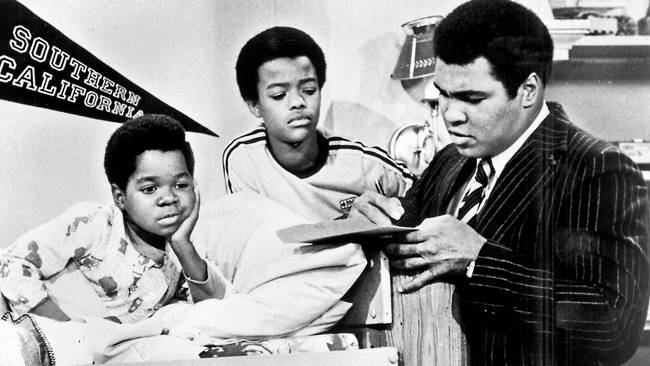
The show was set to be called '45 Minutes To Harlem' until someone found a quote by Muhammad Ali in a newspaper. The boxing great (who made a cameo in a 1979 episode) was quoted by the Great Bend Daily Tribune in 1966 as saying, "Different strokes for different folks." When producers heard the saying they had to use it, and Ali became a big fan of the series.
advertisement
#5 Gary Coleman Sat Out Episodes To Get A Raise
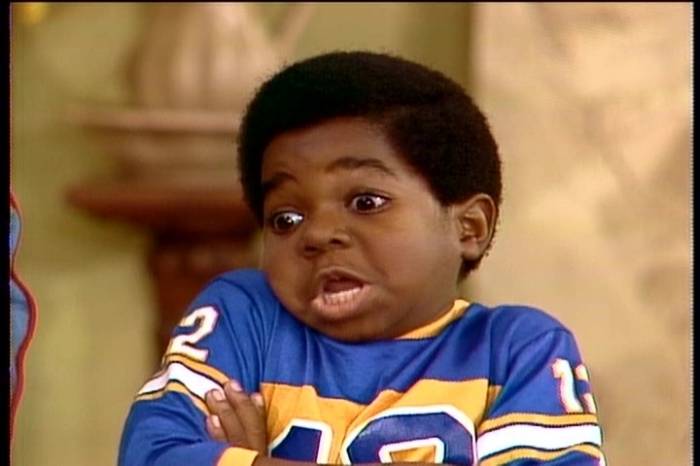
Despite being the main attraction of Strokes and a huge draw for the audience, Coleman was paid a very paltry $1,800 per episode when the show debuted. His parentswho also happened to be his managerssuccessfully argued for a raise to $30,000 per episode. By 1981, the promise of lucrative syndication money led to another request; this time the protracted contract negotiations had Coleman sitting on the sidelines for the first episodes of the fourth season. His salary was eventually increased to $70,000 per episode, making him NBC's highest-paid comedic actor for a period of time.
advertisement
#6 Coleman Tweaked The Original Catchphrase
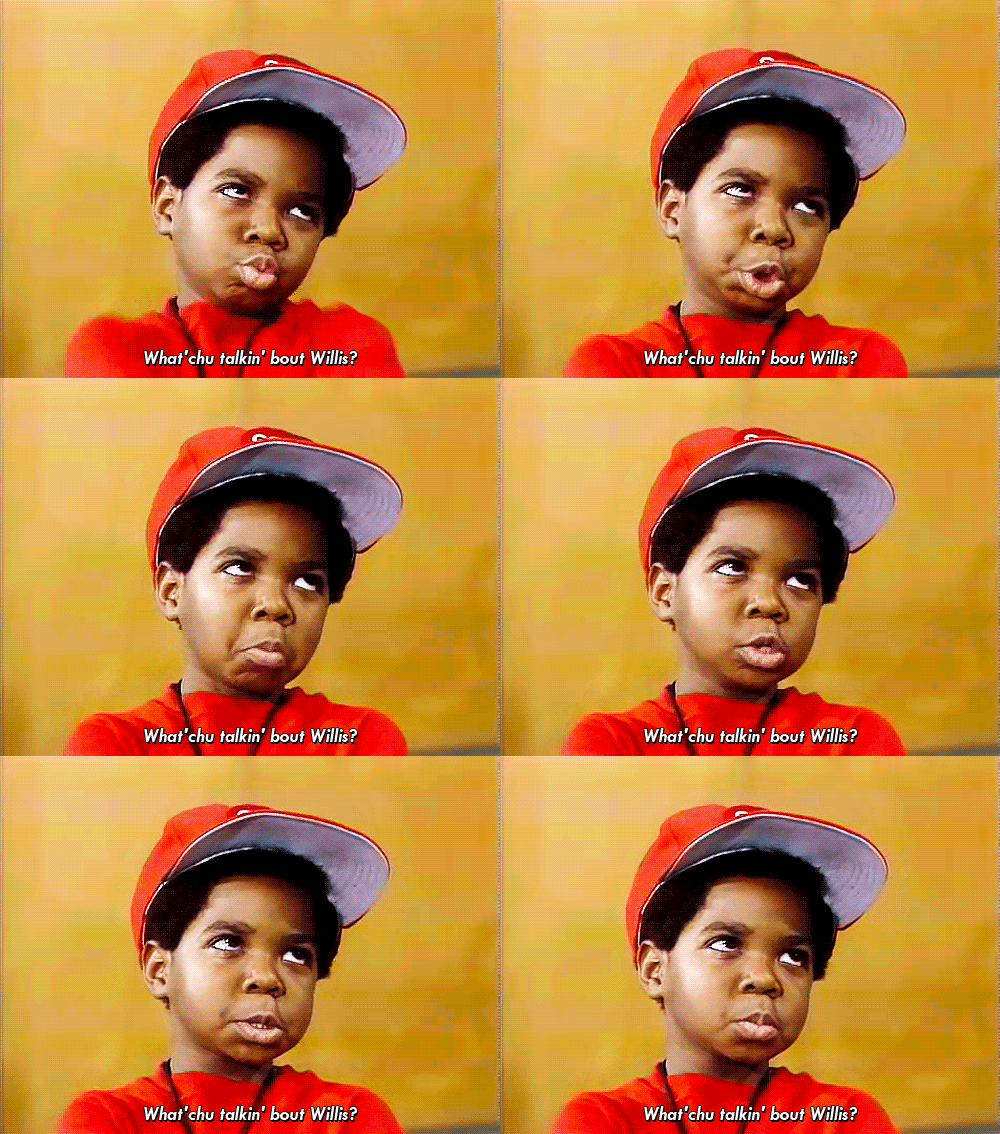
According to series writer Ben Starr, the character of Arnold had a line that was scripted as, "What are you talking about, Willis?" When Coleman read it, he compressed it into what would become one of the most pervasive catchphrases in TV history: "Whatchoo talkin' ‘bout, Willis?" The writers wanted to be careful to partition it out in future seasons so it wouldn't wear out its welcome, but that wasn't entirely successful since the audiences were anticipating the saying in every episode. By the time the show ended and Coleman was doing his rounds as a guest star on other shows, he refuse to use the phrase at all.
advertisement
#7 The Cornered The Market On 'Very Special Episodes'
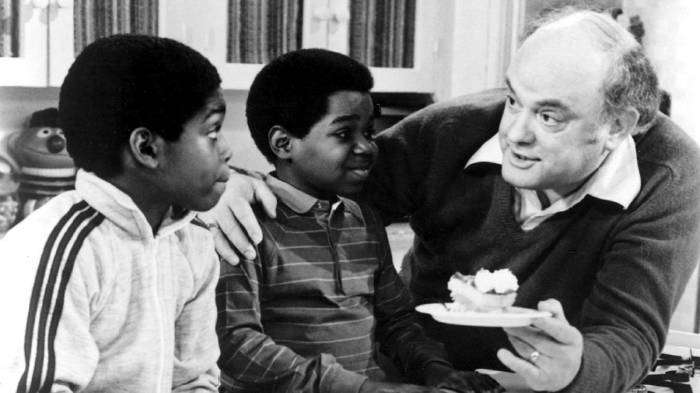
Sitcoms tackled serious themes at least as far back as the 1970s when Edith Bunker was assaulted in a particularly jarring episode of All in the Family, then again on several episodes of Lear's other show Maude. But it wasn't until the 1980s that comedies regularly took movie-of-the-week themes and used them to garner press attention for a substantial bump in ratings. In 1983, Strokes aired a two-part episode about child molestation where Gordon Jump (later known as Maytag's Lonely Repairman and star of WKRP in Cincinnati) attempts to seduce Arnold and his friend at his bike shop. The show was so successful that Very Special Episodes devoted to bulimia, epilepsy, alcoholism, and the dangers of hitchhiking followed; fittingly, Strokes' last-ever episode in 1986 was a VSE, featuring Arnold investigating a steroid scandal for the school newspaper.
advertisement
#8 Alan Thicke Wrote The Popular Theme Song
Best known either for his role as affable dad Jason Seaver on Growing Pains or affable father of singer Robin Thicke, Alan spent time in the ‘80s composing a quantity of memorable television music. In addition to writing the theme song for The Facts of Life, Thicke sang on and co-wrote the music and lyrics to the Diff'rent Strokes theme.

advertisement
#9 Gary Coleman Had A Kidney Transplant During The Shows Production
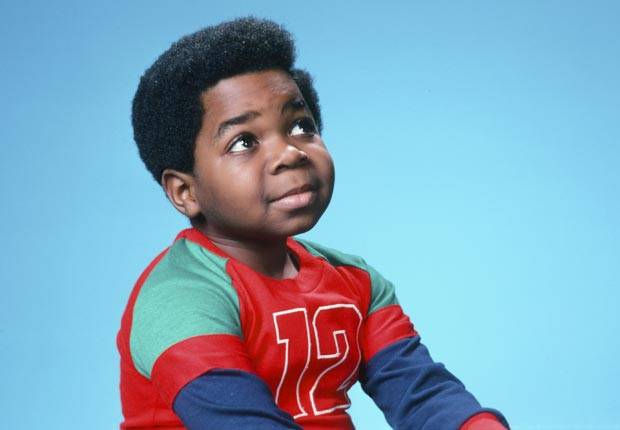
Coleman's short stature was the result of drugs given to the youngster to address a genetic birth defect: he was born with one atrophied kidney and the other already failing. By age five, he had received his first kidney transplant. After getting a second one in 1984 and facing another operation in 1986, Coleman opted for dialysis four times daily instead. Through it all, the drugs given to manage his condition resulted in a suppressed growth phase. By age 14, Coleman knew he wouldn't grow beyond four feet eight inches. One episode of the series was even devoted to his character coming to grips with the same affliction.
advertisement
#10 Arnold Was Made To Appear On Other NBC Shows
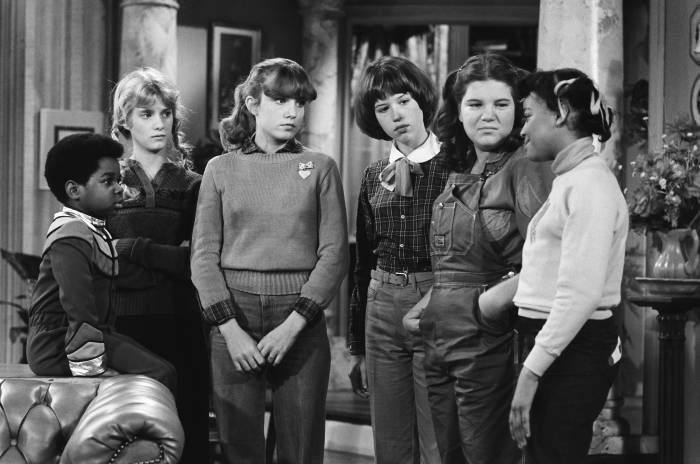
With NBC executives eager to have Coleman use his magic on the rest of their schedule, Arnold was jettisoned to Silver Spoons, Strokes spinoff The Facts of Life, and even on the wholly-unrelated Steven Spielberg-produced anthology series Amazing Stories. In "Remote Control Man," a henpecked husband is able to transform his domestic existence into something out of a sitcom, running into Arnold along the way.
advertisement
#11 Coleman Lobbied To Play More Mature Scenes
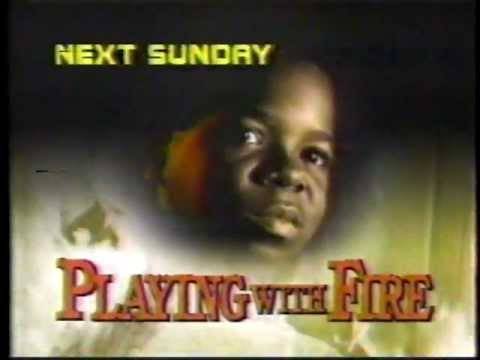
As he neared adulthood, a teenaged Coleman began to grow very weary of playing an adolescent Arnold. For the last season, he successfully petitioned the writers to place Arnold in high school in order to feed more mature plots like dating and driving, with less jumping into Mr. Drummond's lap. He also convinced NBC to give him a dramatic role in 1985 as the lead in a TV movie, Playing with Fire, about a child arsonist who wants to set the family dog ablaze. Like his Very Special Episodes, it ends with a strong message for would-be firebugs: "Get therapy."
advertisement
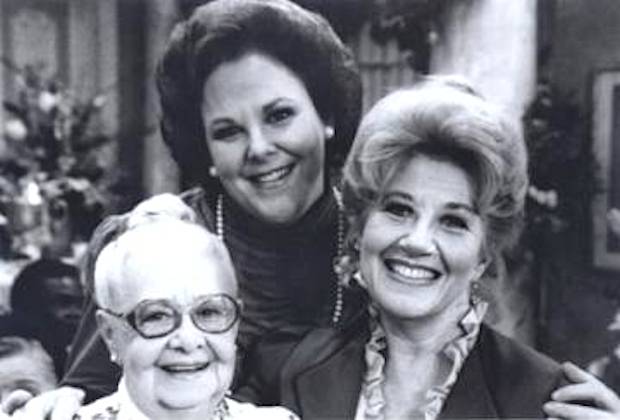
#12 The Housekeepers
Charlotte Rae appeared in every episode as Edna Garrett, but she departed the show partway through the second season to star in her own spin-off, The Facts of Life. Following Rae's departure, Nedra Volz took over as the housekeeper, Adelaide Brubaker. During her stint, she was not in every episode and was not liked by the producers, though the audience loved her. She was written off after her third year and replaced by Mary Jo Catlett who played Pearl until the series was cancelled.
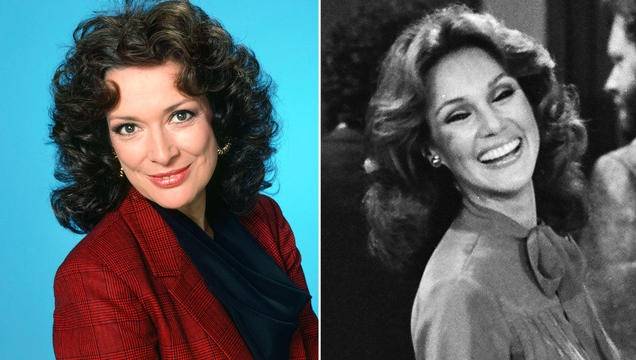
#13 The Character Switcheroo
Dixie Carter played Bain's love interest Maggie McKinney from 1984-1085. When she left the show the writers had planned to have the pair get married, so she was replaced by actress Mary Ann Mobley, and the couple married, but only for 13 episodes, since the show was cancelled due to a huge drop in ratings after they moved to ABC.
advertisement
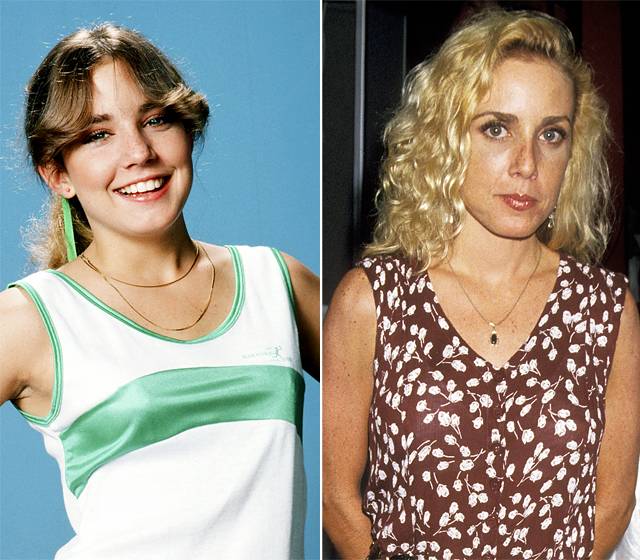
#14 The Child Stars Were Troubled Entering Into Adulthood
Life after Strokes was not kind to its juvenile performers. Dana Plato, who portrayed Kimberly Drummond, struggled with substance abuse and once robbed a convenience store, with her mug shot on every tabloid for months. She was in and out of rehab for drugs and alcohol and finally she passed away in 1999 of a drug overdose.
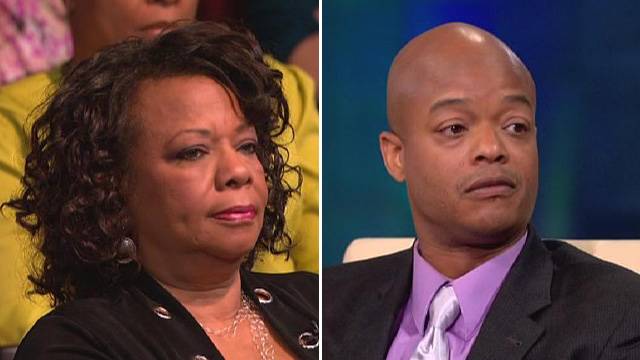
#15 Todd Bridges Played A Dealer Selling Drugs To His Younger Self
Todd Bridges was involved in a series of drug-related incidents even before the series ended, but eventually got help and settled down. For a 2000 Fox docudrama about the making of the show, Bridges plays a drug dealer who sells drugs to an actor playing his younger self during the series run. In another 2006 TV movie, his real-life sister, Verda, portrays his mother, showing how troubled he was as a child actor and how his life changed.
advertisement
#16 Coleman Struggled His Entire Life
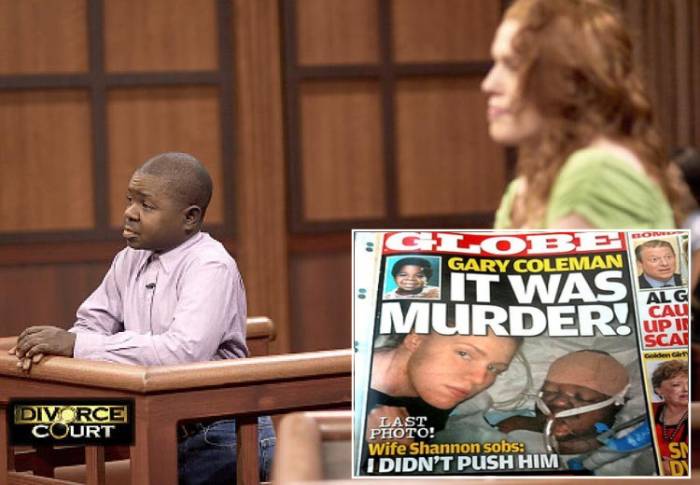
A near-unemployable Coleman died in 2010 of complications owing to a fall, which some said was murder at the hands of his estranged wife. The couple had filed for divorce, and even appeared on Divorce Court, but she eventually had the say on pulling the plug to end his life when he was in a coma. The actor had struggled for years after the show ended and only did a few guest roles in other series. He was in the spotlight several times prior to his death, most notably when he successfully sued his parents for misappropriating his trust and fortune, leaving him penniless.
#17 Coleman Says Goodbye To His Character On The Finale Of Fresh Prince
Despite being vocal about wanting to move on from the show, Coleman agreed to reprise the character of Arnold for the 1996 series finale of The Fresh Prince of Bel-Air. After the Banks clan decides to separate to pursue separate opportunities, Will (Will Smith) shows their home to prospective buyers, including Arnold and Mr. Drummond, who provides some meta-commentary after Arnold deploys his catchphrase. "You know, Arnold," he says, "those things were a lot funnier when you were still a little child."