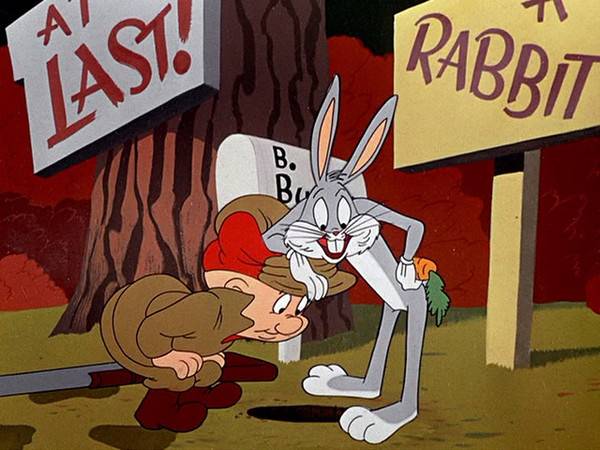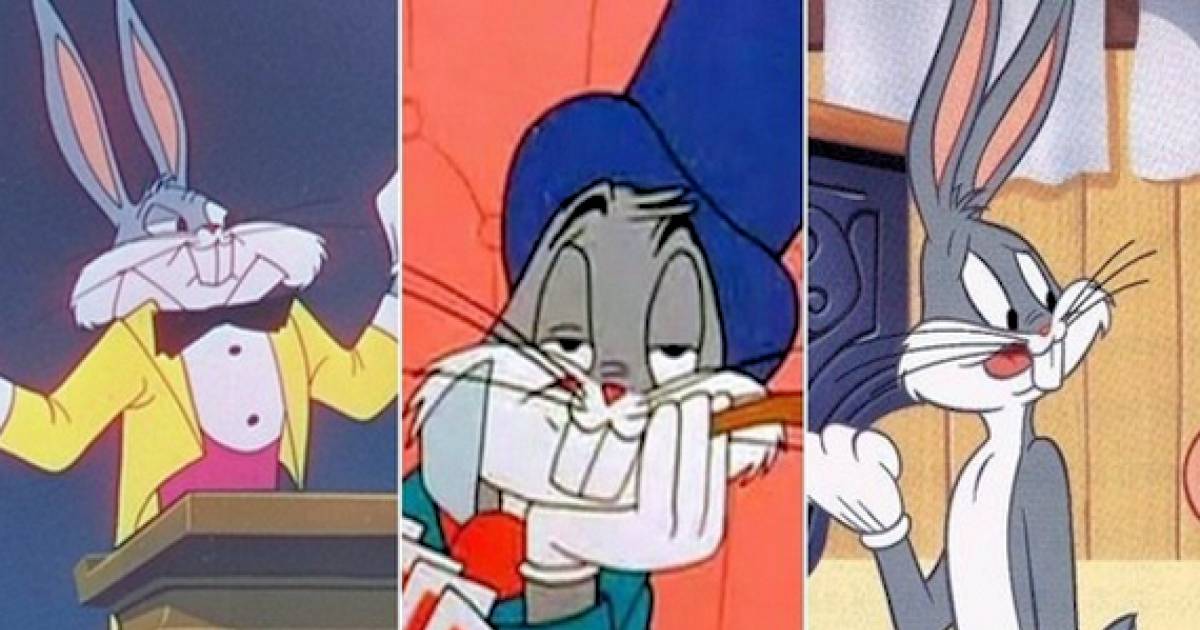
Bugs Bunny is one of America's great icons, funny, topical, resilient, adorable, and always on top of things... and yes he's a cartoon rabbit. That doesn't mean that for generations we haven't loved the furry tailed troublemaker. He has gotten himself into and out of more scrapes that Lucy Ricardo, and audiences of all ages have loved him.
advertisement
#1
Bugs Bunny is the man, or more accurately, the rabbit. For generations, the Looney Tunes and Merrie Melodies legend has entertained the masses. Young and old, tall and short, the people love him. Bugs has been around for over 75 years now, almost a century. He's one of the most famous cartoon characters ever created, one of the greatest personalities ever created, and he's appeared in more films than any other animated character. But we're getting ahead of ourselves...
Bugs Bunny is the man, or more accurately, the rabbit. For generations, the Looney Tunes and Merrie Melodies legend has entertained the masses. Young and old, tall and short, the people love him. Bugs has been around for over 75 years now, almost a century. He's one of the most famous cartoon characters ever created, one of the greatest personalities ever created, and he's appeared in more films than any other animated character. But we're getting ahead of ourselves...
#2 The Rabbit Debuts
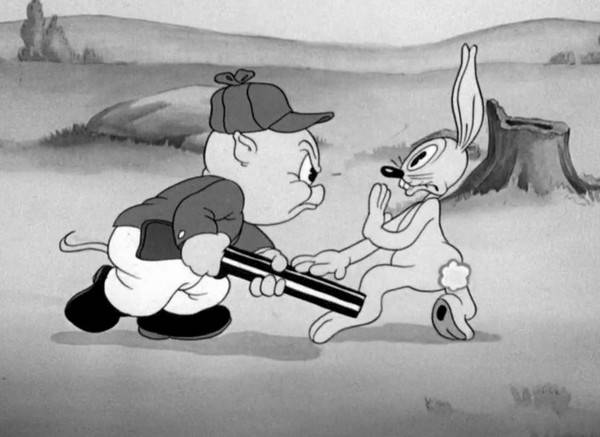
Porky's Hare Hunt (1938) marked the first appearance of the rabbit that would evolve into Bugs Bunny. The rabbit character chomps on a carrot and utters Groucho Marx's famous line, "'Course you know that this means war!" It would become a Bugs Bunny staple.
advertisement
#3 The Gray Wabbitt
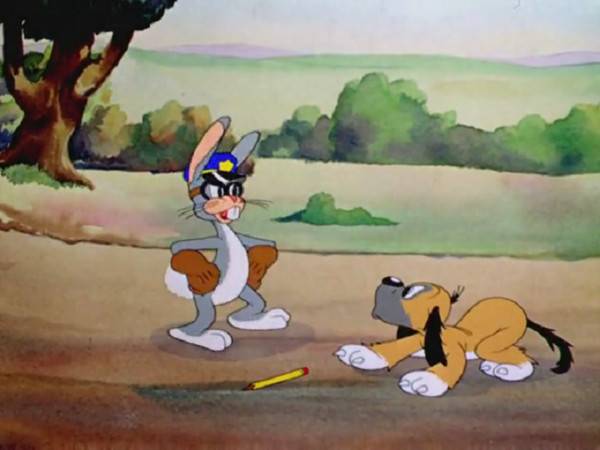
Hare-um Scare-um was the goofy wabbit's third appearance as an "incidental character" and the first to feature him as gray instead of white.
#4 The First Elmer Fudd
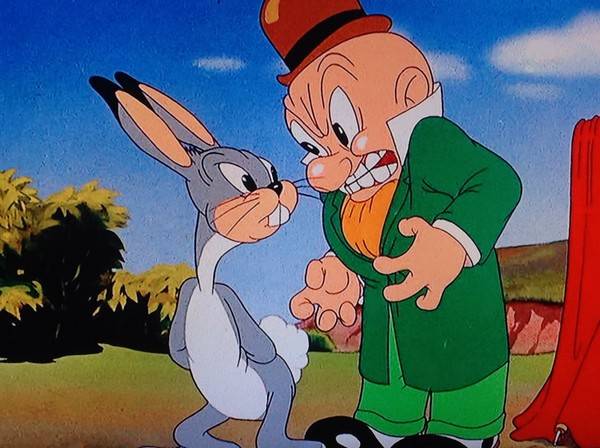
Elmer's Candid Camera (1940) marked the first meeting of the rabbit who would become known as Bugs Bunny and his frequent foil, Elmer Fudd.
advertisement
#5 Bugs Bunny's Official Debut
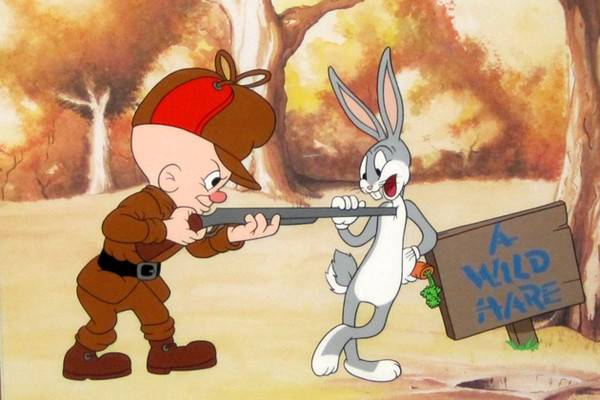
There were earlier incarnations of an animated anthropomorphic rabbit with a trickster personality in Warner Brothers cartoons, but the definitive Bugs Bunny character is widely credited to have made his debut in director Tex Avery's Oscar-nominated film A Wild Hare in 1940.
advertisement
#6 "What's Up, Doc?"
Bugs' trademarked expression "What's up, Doc?" was written by director Tex Avery for A Wild Hare. Avery said it was a common expression where he grew up in Texas and that he didn't think much of the phrase when he included it. When the cartoon was first screened in theaters, the "What's up, Doc?" scene generated a hugely positive audience reaction and the writers brought it back again and again.
advertisement
#7 'It Happened One Night' Was a Big Influence
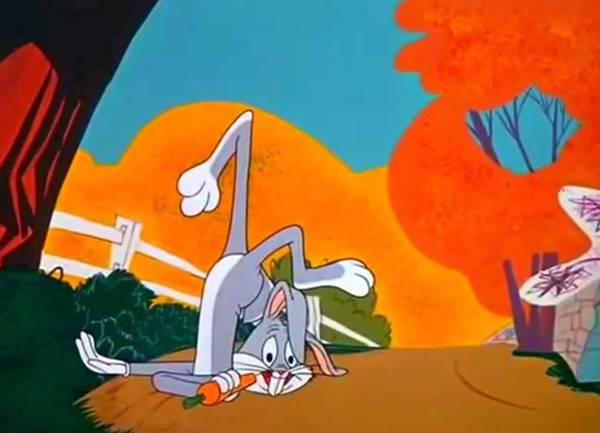
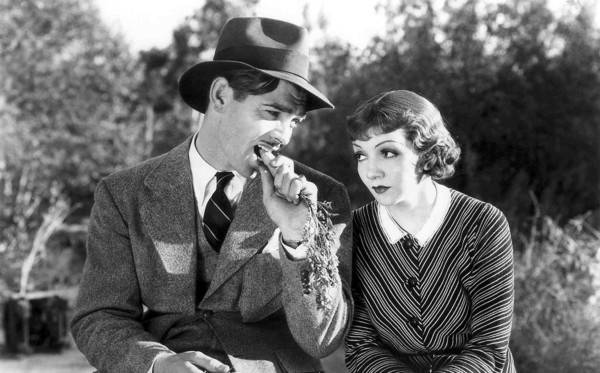
Friz Freleng's unpublished memoirs mention the 1934 film It Happened One Night as one of his favorites and a big influence on his work, especially Bugs Bunny. Oscar Shapely's personality in the film and Clark Gable's fast-talking screwball performance both found their way into Bugs. But the biggest influence was the way Gable chomps on a carrot in a scene with Claudette Colbert.
advertisement
#8 Bugs The Thug
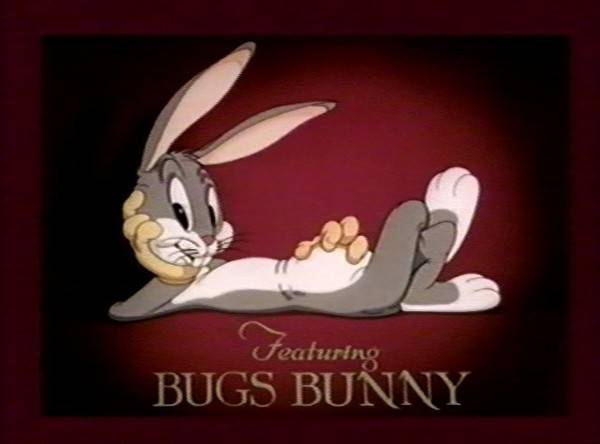
Bugs's second official role was in Elmer's Pet Rabbit in 1941. It was the first movie to feature Bugs' name in the title cards. And the rabbit's personality is different. He has a lower-pitched voice, yellow gloves, and an aggressive, thuggish personality.
advertisement
#9 Bugs Creators
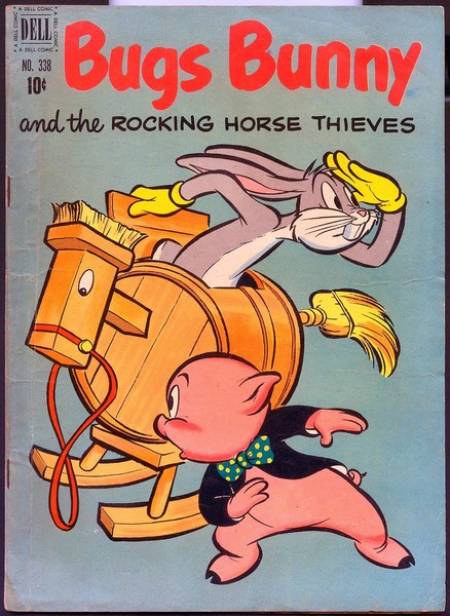
According to Chase Craig, who was a member of Tex Avery's cartoon unit on A Wild Hare and later wrote and drew the first Bugs Bunny comic Sunday pages and comic book, "Bugs was not the creation of any one man but rather represented the creative talents of perhaps five or six directors and many cartoon-writers. In those days the stories were often the work of a group who suggested various gags, bounced them around and finalized them in a joint story conference."
advertisement
#10 Two Oscar Nods in Bugs' First Two Years
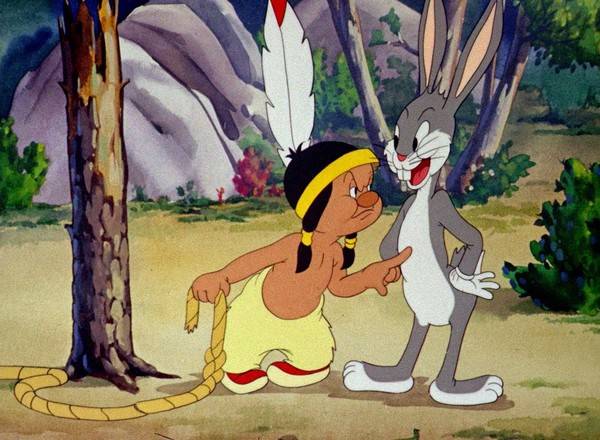
Hiawatha's Rabbit Hunt, directed by Friz Freleng in 1941, became the second Bugs Bunny cartoon to receive an Academy Award nomination. The fact that it didn't win the award was later spoofed in 1944's What's Cookin' Doc?.
advertisement
#11 Mel Blanc's Method
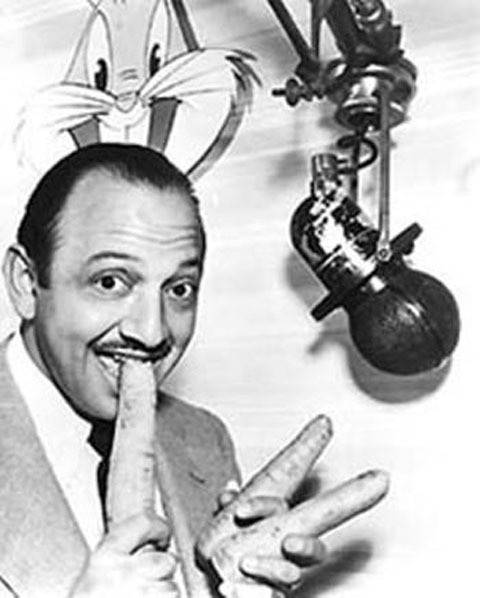
Mel Blanc, the famous voice of Bugs (and Daffy Duck, Porky Pig, Tweety Bird, Sylvester the Cat, Yosemite Sam, Foghorn Leghorn, Marvin the Martian, Pepé Le Pew and dozens more) would eat large carrots while performing as the Bunny, chomping on them and spitting out carrot chunks (when called for) all over the place.
advertisement
#12 A Huge Star
By 1942, Bugs was the biggest Merrie Melodies star. His third film, Bugs Bunny Gets the Boid, came out that year and introduced a slightly different-looking rabbit with less-prominent front teeth and a rounder head. By 1943, Bugs had helped make Warner Brothers the most profitable animation studio in the States.
#13 Looney Tunes
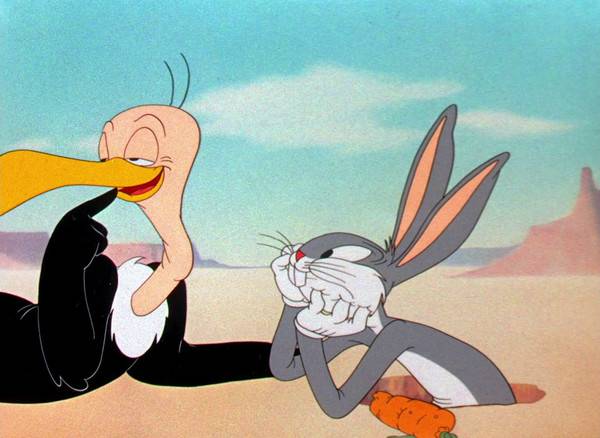
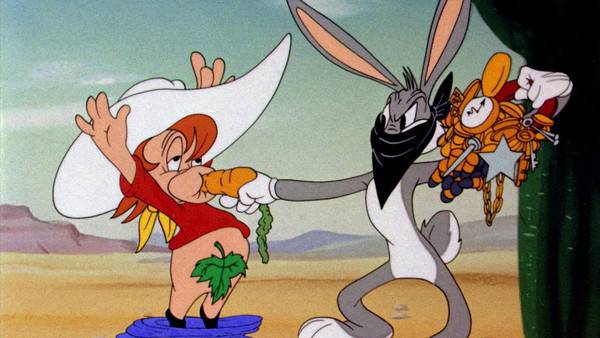
Buckaroo Bugs (1944) was the wascally wabbit's first Looney Tunes film. It also marked the end of Leon Schlesinger's involvement with Bugs after his team created him at Warner's animation division, called Leon Schlesinger Productions. Schlesinger sold his company outright to Warner Brothers that year upon retiring.
advertisement
#14 Bugs Replaces Porky
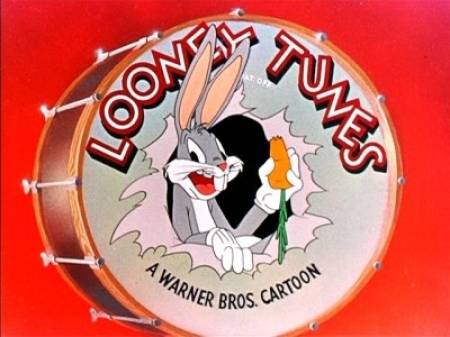
Bugs replaced Porky Pig at the end of a couple Looney Tunes films in 1945 and '46. Hare Tonic and Baseball Bugs both end with the rabbit bursting through a drum just as Porky did, but munching on a carrot and saying in his Bronx-Brooklyn accent, "And that's the end!"
#15 Bugs The Racist
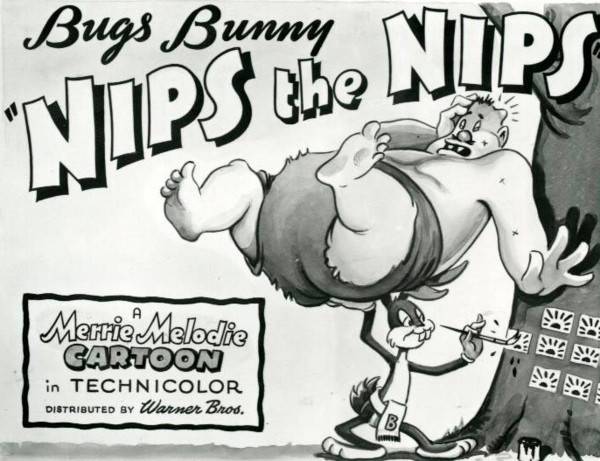
Bugs starred in Bugs Bunny Nips the Nips in 1944 during World War II. The film was American propaganda and it became controversial for its racist depictions of Japanese soldiers.
advertisement
#16 Hitler In Albuquerque
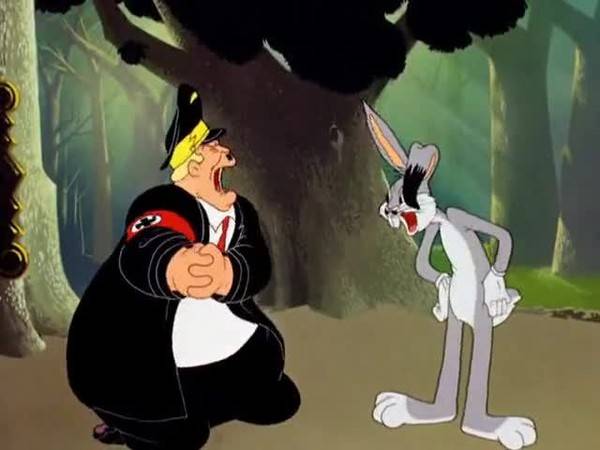
In 1945, Herr Meets Hare introduced Bugs' well-known reference to Albuquerque as he mistakenly winds up in the Black Forest of 'Joimany' instead of Las Vegas. Bugs also faces off against Adolf Hitler and Hermann Göring in the wartime propaganda movie.
#17 The Academy Award-Winning Rabbit
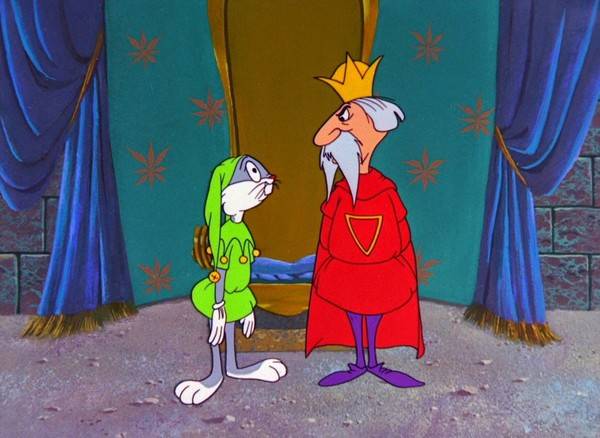
Bugs finally won his first Oscar after a few nominations for Knighty Knight Bugs in 1958. The short film finds a medieval Bugs trading blows with Yosemite Sam and his fire-breathing dragon.
What's Opera, Doc? (1957) was the first cartoon short deemed "culturally significant" by the United States Library of Congress and selected for preservation in the National Film Registry. The film casts Bugs and Elmer Fudd in a parody of Richard Wagner's Der Ring des Nibelungen.
Bugs made 167 "Golden Age" appearances for Warner brothers, his last being in False Hare (1964).
advertisement
#18 Bugs Was an Early Drag Queen
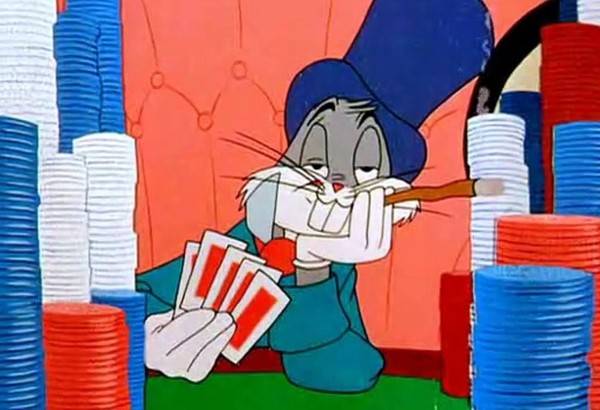
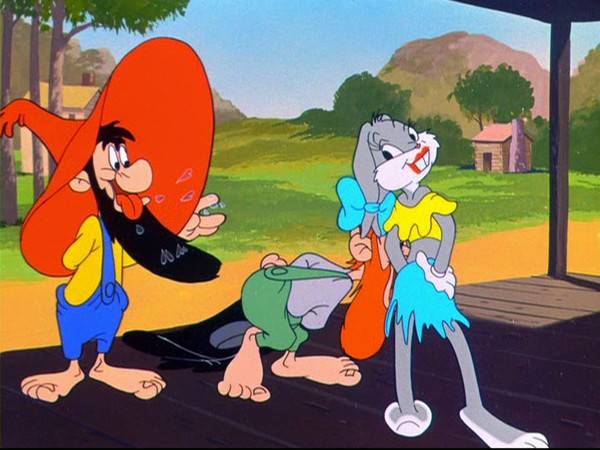
Cross-dressing in theater goes back to Shakespeare and before, but Bugs Bunny was one of the foremost drag queens of the 20th century...at least in animation. Most of his fans know Bugs was not shy about dressing up in women's clothing in the name of good humor, but did you know he may have been American television's first drag queen?
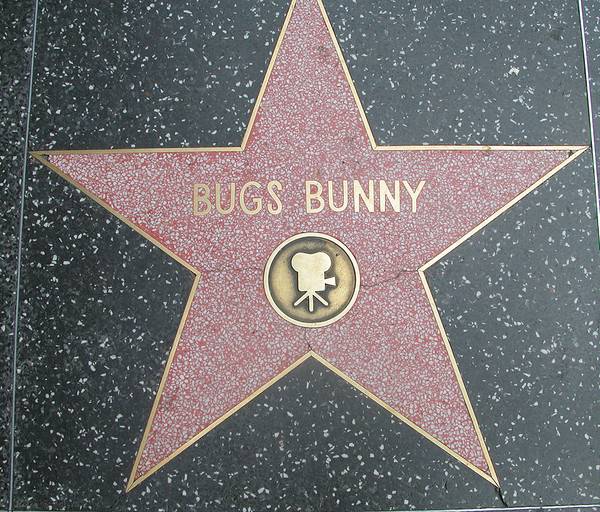
#19 Bugs Has A Star
Bugs Bunny was the second fictional character, after Mickey Mouse, to get a star on the Hollywood Walk of Fame. He also has his own line of US stamps. Number seven on the list of the ten most popular collectible U.S. stamps is the Bugs Bunny issue.
advertisement
#20 Record Holder & 'Nirmord'
According to Guinness World Records, Bugs has appeared in more films (both short and feature-length) than any other cartoon character and is the ninth most-portrayed film personality in the world.
The American use of the term "nimrod" to mean "idiot" is attributed (in Garner's Modern American Usage) to Bugs' exclamation, "What a Nimrod!" to describe the inept hunter Elmer Fudd. In the Bible, Nimrod was a mighty hunter so Bugs' use of the name for Fudd is a sarcastic reference.