Things You Should Never Do On A Plane
By
Editorial Staff in
Life Style
On 19th October 2017
Whether you are an avid traveller, do it regularly for business purposes, or participate out of necessity to visit friends or family in other parts of the country or world, there are certain things that every traveller needs to know.
To be a safer and more courteous traveller, don’t make the following mistakes. Avoiding some of these behaviours will keep you from getting on your fellow fliers’ nerves; avoiding others could even save your life. Read on to learn what not to do on a plane.
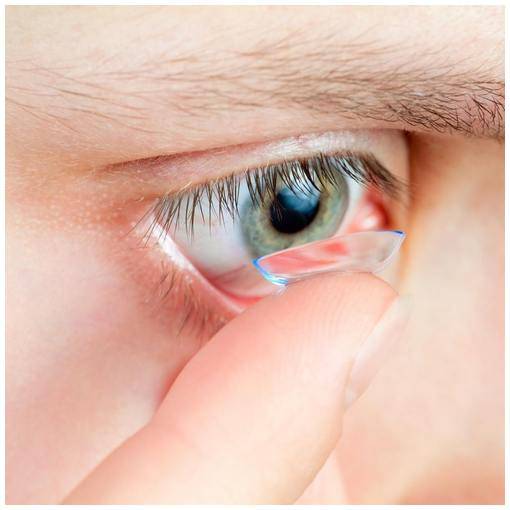
#1 Don't wear Contact Lenses
If you can, opt to wear glasses in flight. The air in the cabin is very dry and can cause irritation to your eyes. Also, if you’re a known sky snoozer, falling asleep in contacts not made for overnight wear can be especially irritating.
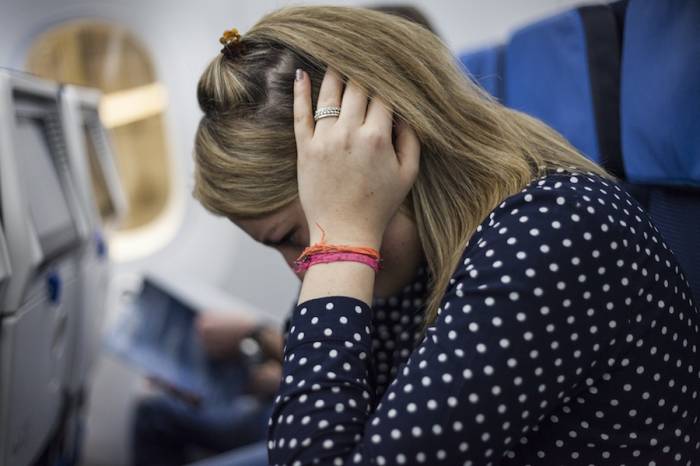
#2 Stop clogged ears
Your ears become clogged while taking off and landing because of the pressure difference. The first impulse of any person is to unclog his or her ears. This method doesn’t work, but you can minimize the uncomfortable sensation in the following ways:
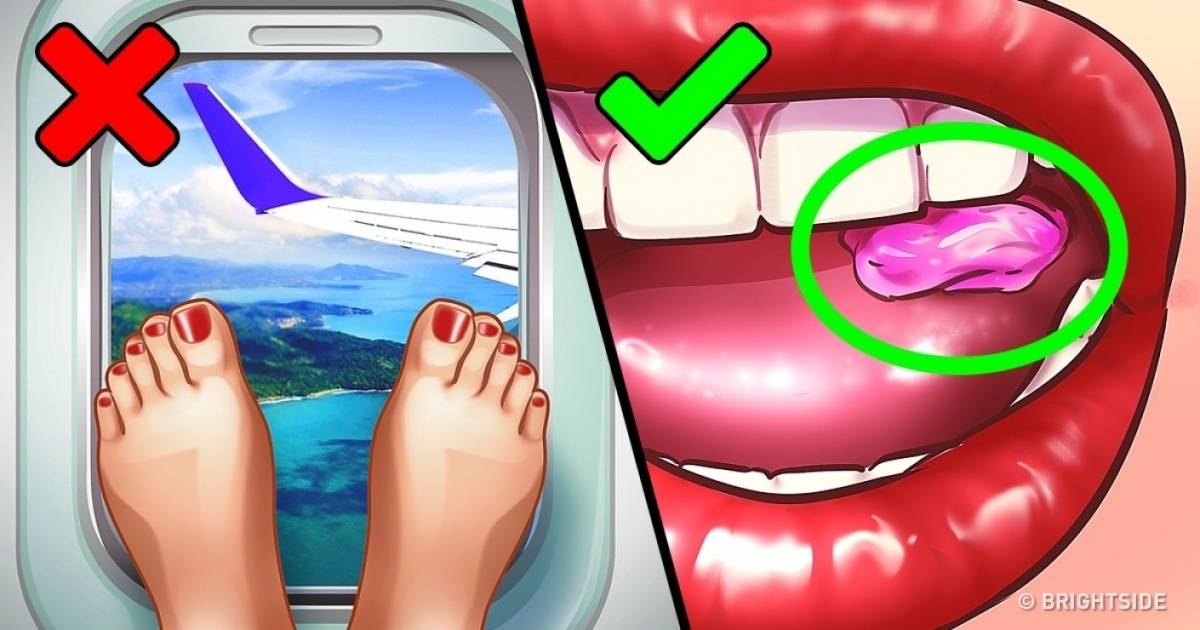
Make sucking and swallowing movements. Grown-ups can use candy or chewing gum, while a bottle of water is helpful for kids.
Close and open your mouth once in a while.
"Blow off" your ears: you should breathe in, then pinch your nose with your fingers and breathe out, like you are pushing the air through your ears. This method should be used carefully if you have allergic sniffles or a runny nose.
If your ears are still clogged, you need to visit a doctor.
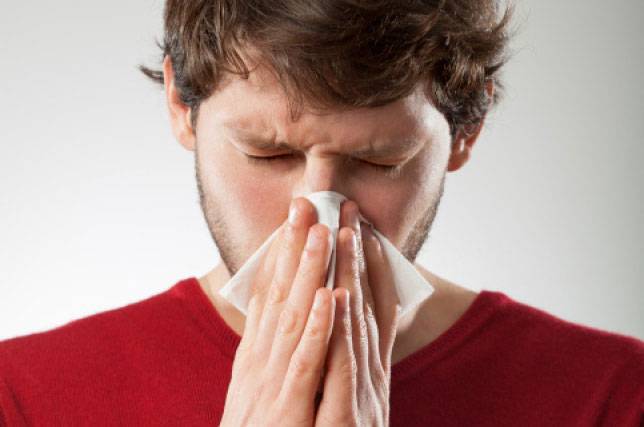
#3 Don't rub your nose
With airplanes being such tight quarters, it often comes as no surprise to hear the importance of sanitizing and disinfecting every space you come in contact and ensuring you wash your hands constantly, but have you thought about how often you touch your face? Didn't think so.
Whether scratching that itch on your nose or rubbing your sleepy eyes, Dr. Ferrer suggests against this. "Germs often spread when you rub/touch your face or nose," he said. "Resist the urge! We transmit germs from around the nose and mouth by getting in contact with our own secretions." Gross.
#4 Don't Sit motionless
During a flight, your blood circulation is slower, and sitting without any movement increases the risk of thrombosis. Follow some simple rules to avoid it:
Stand up, and take short walks around the cabin.
Wear clothing that doesn’t constrict your movement.
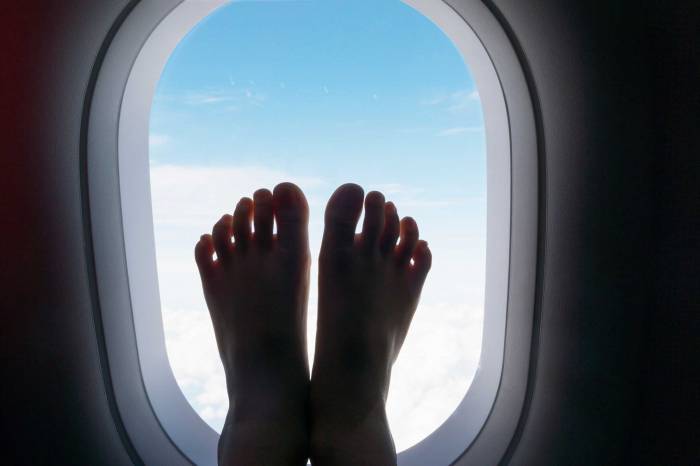
Take your shoes off during the flight.
In case you have blood circulation troubles, take compression socks or tights with you.
Once in a while, take some exercise. It is enough to just lift and drop down your toes and heels.
#5 Don’t drink too much.
No one will complain if you have a glass of wine with dinner, but over-indulging in alcohol can have consequences ranging from dehydration to even getting kicked off the plane for disorderly behavior. Remember: No one wants to sit next to the guy who reeks of alcohol, passes out on your shoulder or throws up on your shoes.
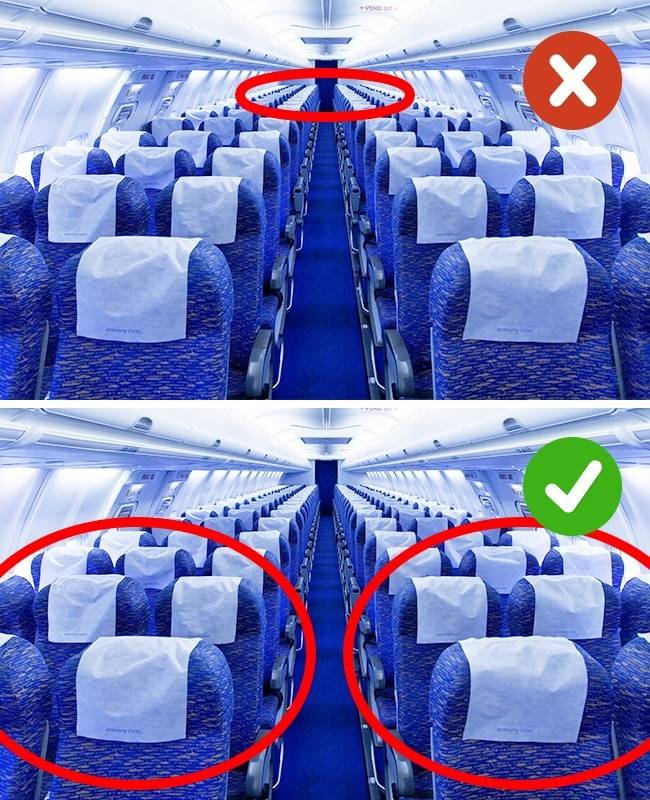
#6 Avoid the aisle seat
Whether the front or back of the plane, emergency exit row, or aisle or the window, every person who has ever flown likely has a seat preference. Personally, I like to be closer to the front and seated by the window; this is mostly so I can get comfortable and pull out my laptop to work without worrying that someone else is going to need me to get up so they can use the restroom.
As it turns out, there may be more to my seat preference than I even knew as Dr. Dybis suggests avoiding the aisle seat, if you have the choice. "Aisle seats themselves get more exposure to germs from the amount of people walking up and down the aisle," he said. "You also put yourself into closer contact with more people by sitting on the aisle." Window seat for the win!
#7 Boozing it up.
While alcohol might initially help you fall asleep on a flight, it can ultimately mess with your sleep quality, dehydrate you, and trigger a lingering hangover that makes you irritable and lethargic. Lay off the liquor until you're back on the ground to arrive on your A-game.
#8 Don't Touch surrounding objects without any reason
A plane is a "hometown" for loads of bacteria. Former passengers could leave anything in the seatback pockets and on the tray tables. Sanitation does not take place after every single flight, so all the bacteria can migrate to your hands. Don’t touch anything excessively, and take alcohol wipes with you.
#9 Don't sprawl out
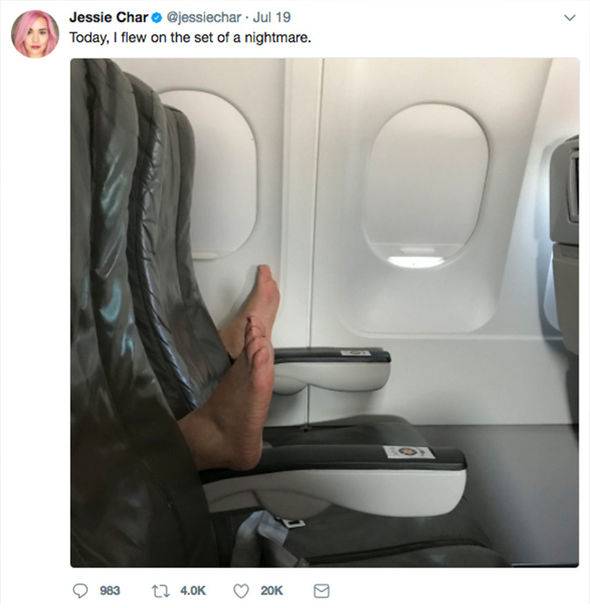
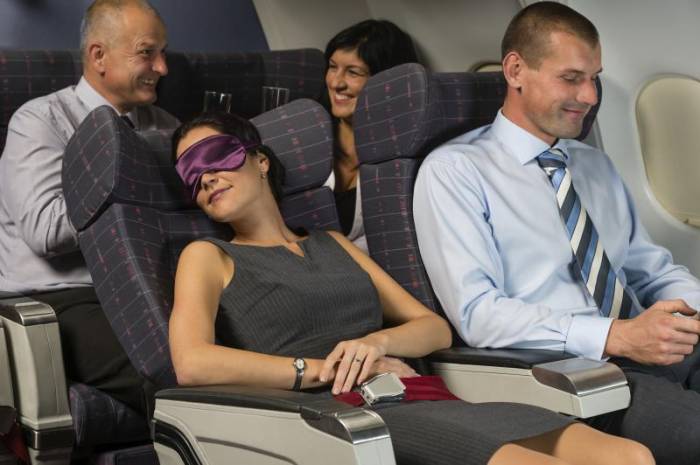
Flying can be so uncomfortable for everyone and aside from the aforementioned courtesy to give the middle armrest to the poor soul stuck in the middle seat, it's also important to mention that you should not sprawl out beyond your seat.
"If you're squeezed into coach and your shoulders are touching, that's about the limit of seat sprawl," said McGilligan. He went on to add that your feet, legs, arms or any other part of your body should not venture past the imaginary line that is the outer edge of your armrest.
Aside from the common courtesy, we've all seen flight attendants get stuck with their carts for a moment because someone's foot was in the way or we've had an elbow hit because it was sticking out into the aisle and someone didn't realize it was there. Be kind, stay in your space, and of course, don't fall asleep on your neighbor's shoulder.
#10 Do pay attention to the emergency procedures
In the event of an emergency, when you're stressed and worried, what are the chances you're going to remember every detail of the emergency manual? Having traveled for business as well as personal reasons over the years, I find a sense of ease that comes with taking those few minutes to listen and refresh my brain with that important safety information.
One of the recommendations they always make is to find the closest emergency exit, but as it turns out, if you have the option to choose your seat, you should be picking a spot no more than five rows from the emergency exit. After years of studying plane crashes, Ed Galea, a researcher and professor at the University of Greenwich, concluded that people have the greatest chance of survival if they are within five rows of the exit.
#11 Walking around barefoot.
Sure, it's nice to make yourself feel right at home inflight — particularly when you're in the air for hours or you fly overnight. However, former flight attendants say the floor can be positively filthy — and anyone with eyeballs can confirm that. Lurking trash and food debris should be reason enough to keep your shoes on — or at least slip them on for bathroom runs.
#12 Adjust the Airflow.
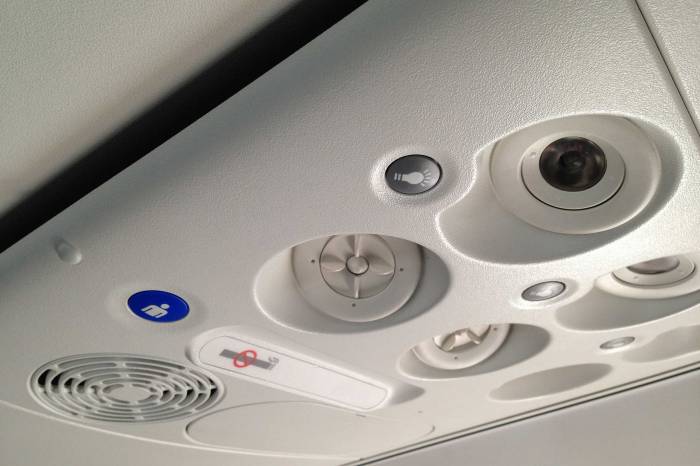
If the air blowing makes you chilly, it might be smarter to throw on a sweatshirt rather than turn off the vent. Doctors recommend that the adjustable air over your seat should be set to medium or high in flight so that any airborne germs can be blown away before they enter your personal zone.
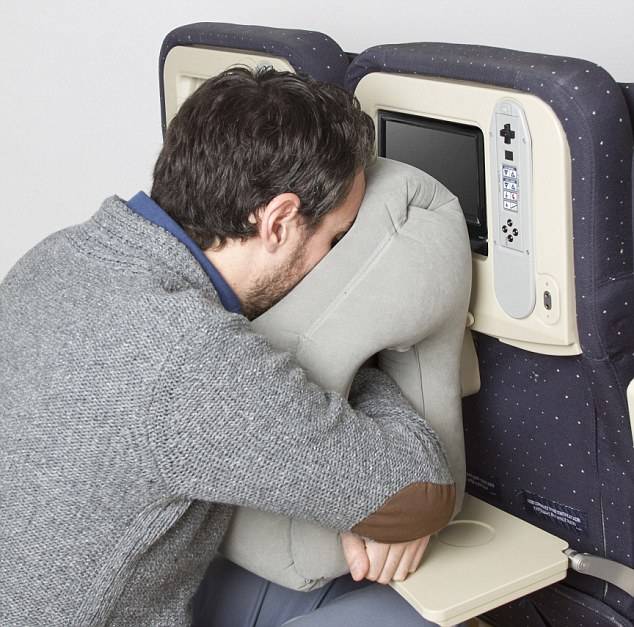
#13 Don't use Pillows and Blankets provided in Flights.
Another airplane item that doesn’t get a thorough cleaning between flights? Yup, those blankets and pillows offered in the seatback are recycled flight to flight and usually don’t get properly washed until the day is over. Items like pillows and blankets are ideal places for germs and lice to camp out and spread from person to person.
#14 Don't drink coffee or tea
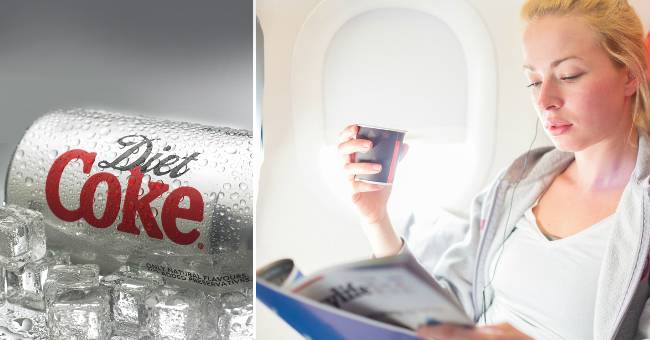
You don’t want to drink anything that could possibly be made with the tap water from the plane. Even though the water for tea and coffee is usually boiled, if you can opt for bottled water or another beverage from a sealed container you should. Another reason to avoid coffee and tea: Caffeinated beverages aren’t your best bet while flying.
#15 Avoid using Bathroom
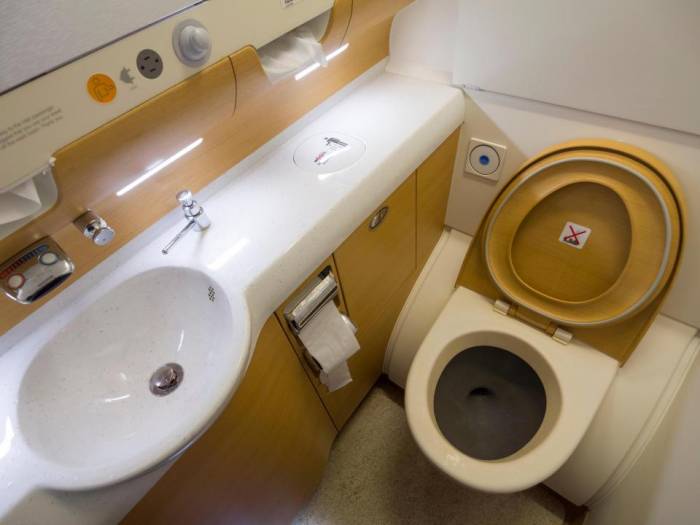
Like other public spaces on the plane, the bathroom is also a major place where germs hide out. To protect yourself, wash your hands thoroughly and use a paper towel to press the flush button and open the door. “When you go to the bathroom, the right thing to do is always wash your hands, dry your hands with a towel, and then use the towel to turn off the water and even open up the door,” says Dr. Forest. “You don’t want to not flush the toilet, everyone should flush the toilet, but wash your hands with soapy water and use a towel.”
#16 Don’t infringe on your neighbors’ space (or screen).
With airplane seats getting smaller and smaller, passengers with broad shoulders or long legs almost can’t help spilling over the bounds of their seats at some point. But we’re speaking out against intentional (and obnoxious) behaviors like manspreading, hogging the armrests or flipping your ponytail over the back of your seat so it obscures the video screen of the person behind you. Your neighbors paid for their space too; respect it.
#17 Bingeing on plane food.
Of course you should eat when you're hungry — whether you're on a plane or elsewhere. But polish off all the inflight food just because you're bored, and you'll enjoy it less than you would on the ground: Dry cabin air and low air pressure can reduce your ability to perceive salty and sweet tastes by 15 to 30 percent — which can make foods taste worse when you eat it in the air, according to a German study. All the noise from the airplane engine doesn't help either, according to a Cornell University study that confirms the obvious: Environmental distractions can affect your sense of taste. Some airlines compensate for the ambiance by serving saltier foods, so you could end easily end up overdoing it on sodium.
#18 Fussing with your seat belt.
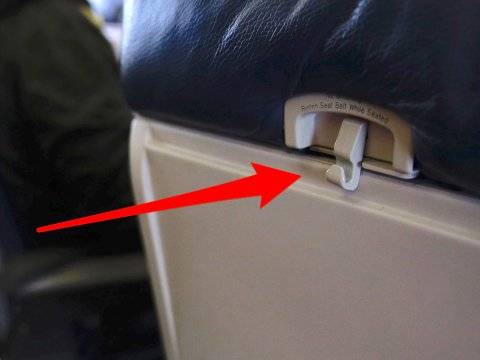
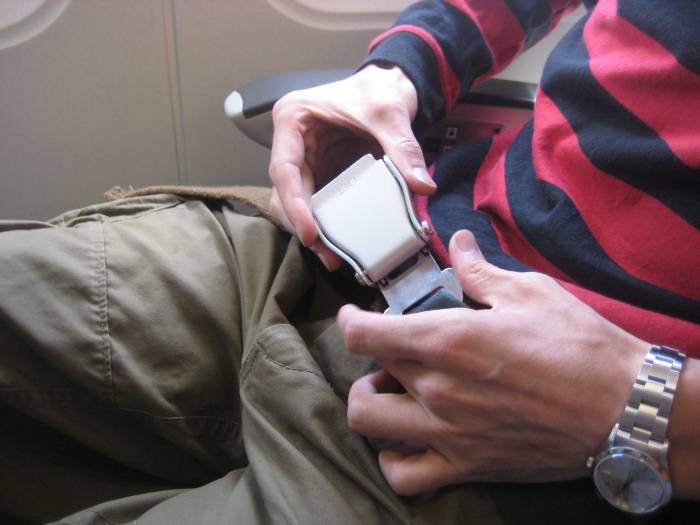
The Today show investigators also found that seat belts were pretty icky — they, too, were covered with potentially harmful bacteria. While strapping in is obviously your only option and you should definitely do it, avoid touching the strap after you fasten it, and put your hand sanitizer to use after buckling in.
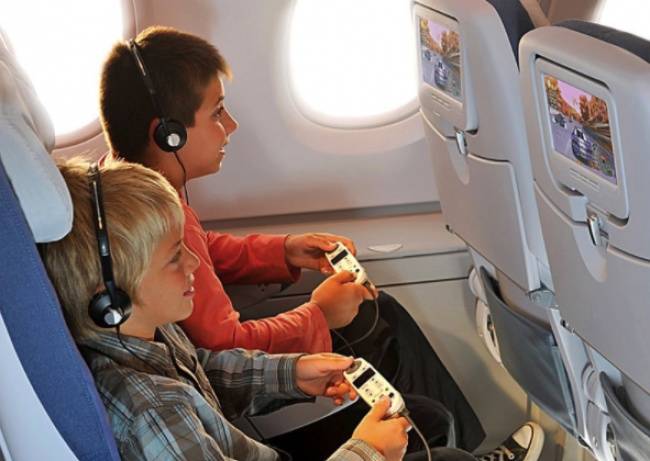
#19 Do not Use airplane headphones
The headphones you’re given on the plane are not new, despite the fact they are always in a little plastic bag. Between flights, used headphones get cleaned and repacked. But it is hard to clean headphones properly. Even after treatment, they are not as safe and clean as a new set. So it’s better to use your own headphones.
#20 Never use both the armrests.
It might be convenient for you, but you need to respect the personal space of your co-passengers.
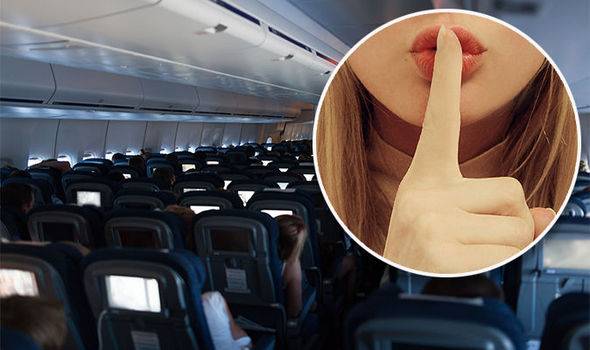
#21 Be quite
A polite conversation between you and your fellow passenger is fine. However, be mindful that they might enjoy flying in silence. If you notice them engrossed in reading or listening to music, do not force a conversation upon them.
#22 Don’t try a new medication for the first time.
Where would you rather be when you discover that Ambien makes you hallucinate or that you’re allergic to your new iron supplement — at home, with easy access to your doctor and a local hospital, or in a metal tube hurtling 35,000 feet above the Pacific? Never take a medicine in flight that you haven’t already taken for a test run at home.
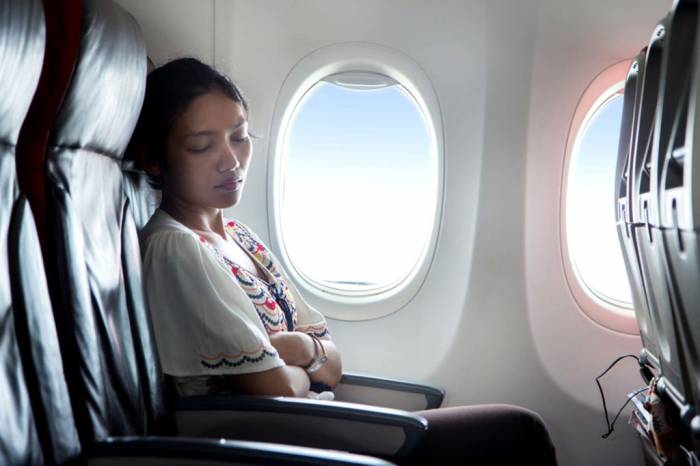
#23 Sleeping through takeoff or landing.
When the plane ascends or descends, the air pressure around you changes faster than the air inside your ears. If you've ever flown before, you know this can be super uncomfortable — but only temporarily. To equalize the pressure, all you need to do is chew gum; inhale, then exhale gently as you hold your mouth and nose shut; suck on candy; or yawn, according to MedlinePlus. In other words, you're better off awake. Accidentally sleep through the pressure change, and this condition will only get more uncomfortable, potentially instigating dizziness, ear infection, slight hearing loss, eardrum damage, or nosebleeds and severe hearing loss in the worst of cases.
#24 Don’t recline your seat during mealtimes.
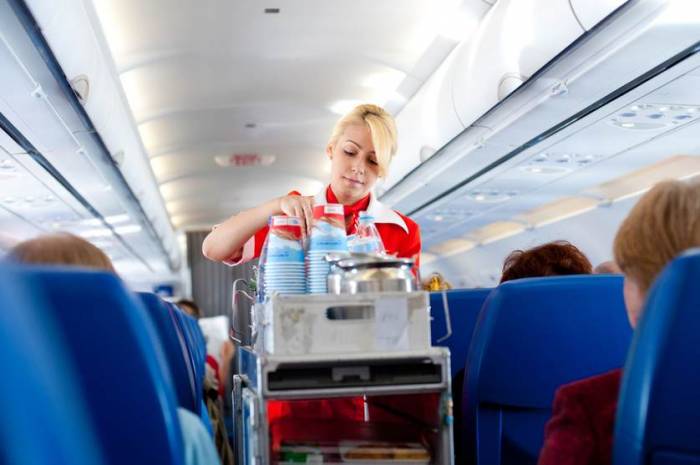
One of the biggest debates in the travel world is whether it’s okay to recline your seat at all (see The Etiquette of Seat Backs and Elbow Room and The Great Seat Back Debate: Is It Rude to Recline?). Whichever side of the issue you take, I think all of us can agree that once the food and drink carts start rolling down the aisles, it’s only courteous to make sure your seat is upright so the person behind you can have full access to his or her tray.
#25 Don’t eat stinky food.
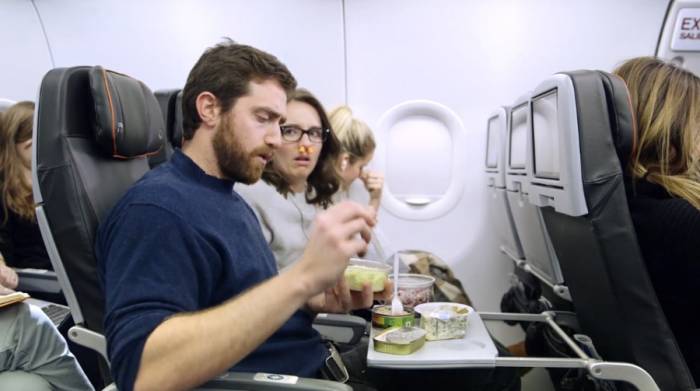
Speaking of mealtimes, give your seatmates a break — don’t show up for your flight with a tuna sandwich or a plate of onion rings. Not only will they stink while you’re eating them, but they’ll also ensure that you have bad breath for the rest of the flight.
#26 The ‘call button’ is to be used responsibly.
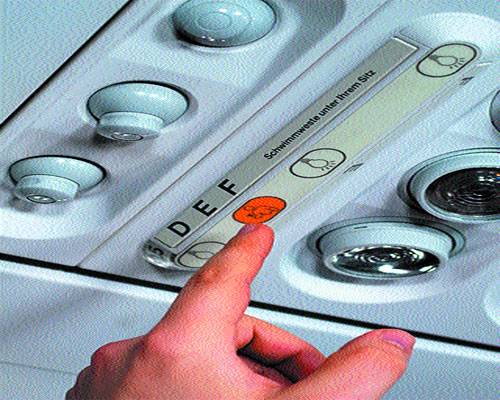
If you see that the attendant is busy prepping for the meals, do not hit the button unless it is absolutely essential. Use your judgment wisely.
#27 Happy travels!
While you can likely file a handful of this advice under "common sense," it all bears repeating. Planes can be really gross and while there are crews that hop on to clean between flights, they aren't really doing anything more than picking up any garbage left behind and restocking the toilet paper, and they're definitely not disinfecting every seat, armrest, and tray table.
Given the quick turnaround from unloading one plane full of passengers to boarding the next, there isn't enough time for much more. Knowing what we're walking into allows us to be better prepared with TSA-approved bottles of hand sanitizer, disinfectant wipes, and tissues to catch our own germs. We can also plan ahead by choosing better seats, packing slippers, and filling up our water bottles before boarding. Happy travels!