Things You Should Never Flush
By
Editorial Staff in
Facts
On 2nd November 2017
Most of us know not to use the toilet as a trash can. But ask any plumber and they’ll tell you horror stories about the things they’ve cleared out from toilets — from children’s toys and jewelry to cell phones and credit cards.
As tempting as it is to sometimes chuck something down the toilet, there’s a good reason why it’s a bad idea. More than being embarrassing, some of the common things we flush risk damaging septic tanks and city wastewater treatment centers, and in the long run that could mean higher bills for everyone.
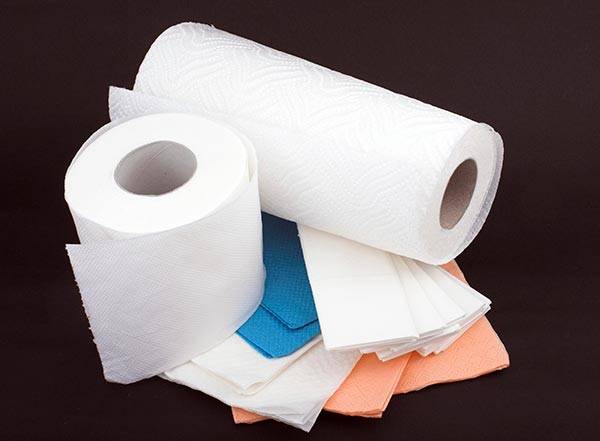
#1 Tissues and Paper Towels
While they may seem a little like toilet paper, they are not. The materials used to make tissues, paper towels and similar products do not dissolve easily and are far more likely to clog your toilet, as well as cause problems for your septic tank or at your water treatment facility.
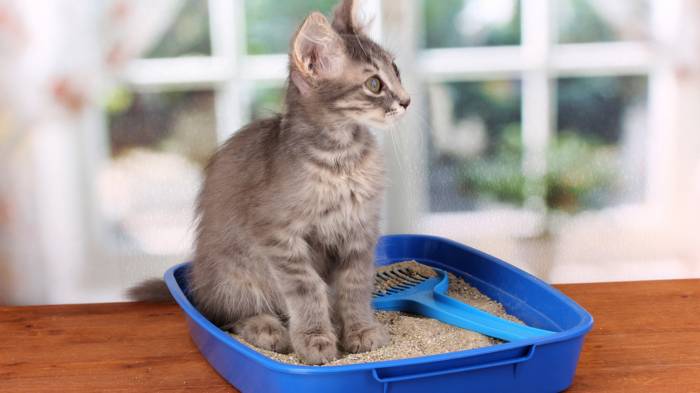
#2 Kitty litter
Kitty litter is another product that should never be flushed down the toilet. Not only are you flushing fecal matter and urine, but also clay and sand, which should never be flushed. Cat waste can carry toxins and parasites, which means you are flushing bacteria through your local water system.
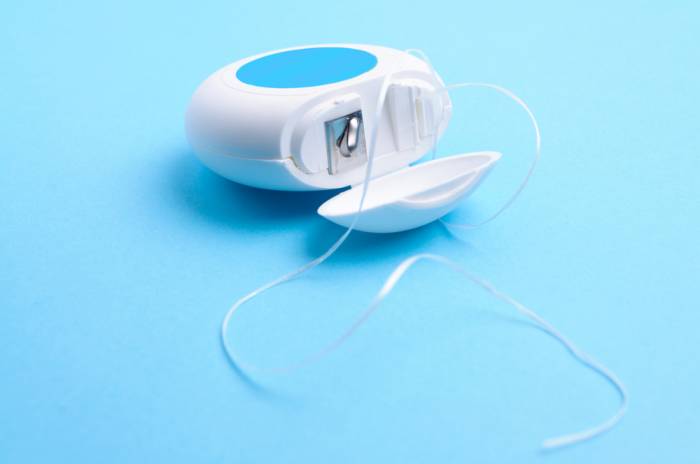
#3 Dental floss
Waxed or unwaxed, dental floss becomes a veritable seine net catching all sorts of debris, clogging toilets and sewer pipes. When septic systems are involved, dental floss winds around moving parts and burns out motors.
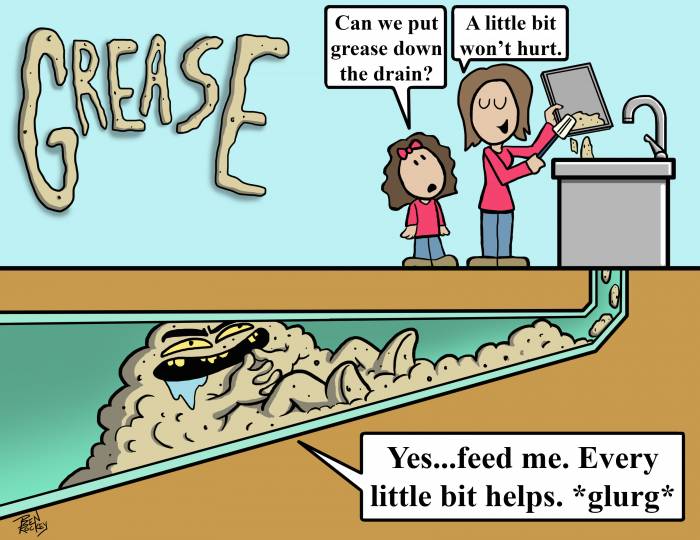
#4 Fats, Oils, and Grease
This is a tough one, and everyone has done it at one point, but cooking fats should NEVER go down the drain or garbage disposal. It seems like a liquid when it’s hot, but as soon as this grease hits the drain, it cools and congeals, becoming pipe-clogging wax. Scrape it into the trash, or, if it’s clean bacon fat, save it in a jar for reuse.
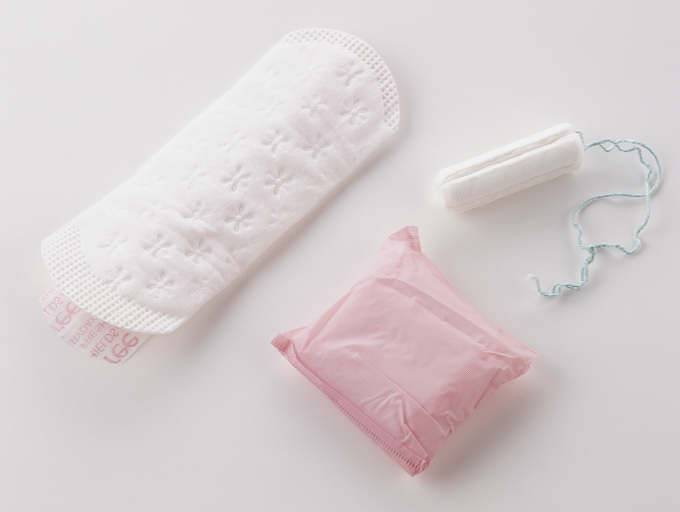
#5 Tampons and maxi pads
There’s a reason why you’ll see signs in bathrooms at restaurants about not flushing these things.
These products are designed to be absorbent and they’ll expand past the point of where they can pass through the pipes. In addition, the fabric is not designed to be biodegradable. The same applies to cotton pads and swabs.
In all cases, your best bet is to wrap the item in tissue and throw it in the garbage.
#6 Hair
Just because it’s a part of our body doesn’t mean it can be safely flushed down the toilet. Hair clogs shower, sink and toilet plumbing. Like dental floss, it forms giant balls which trap odors and create massive blockages in pipes, plumbing, and sewers. In fact, hair clogs more drains then arguably anything else on this list. When cleaning your brushes or combing wet hair, just throw your hair into the garbage or you can even compost it.
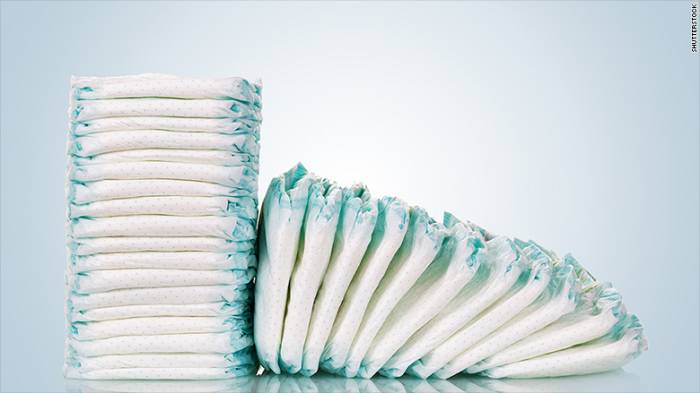
#7 Diapers
Yes, apparently some people attempt to flush diapers. It’s unclear how one could fold a diaper up small enough to fit it down the toilet, but they often show up at wastewater treatment plants or in sewer pipe blockages.
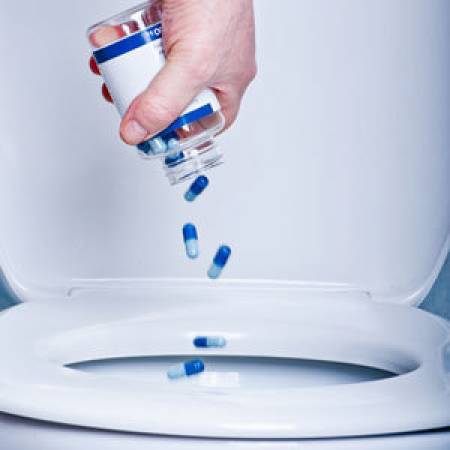
#8 Medication
City waste treatment plants are not designed to filter pharmaceuticals and hormones out of the water. This means that drugs end up in the animal population and in our city water supply.
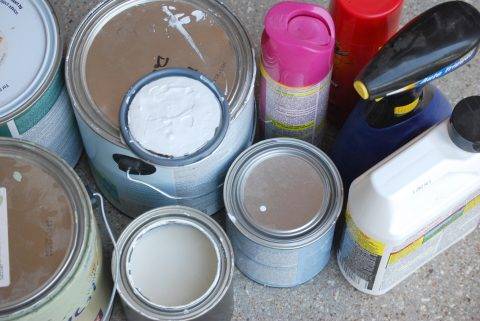
#9 Paint and building waste
The viscosity of paint causes problems when it joins a fat-berg. Bits of rubble are heavy enough to settle in bends, providing a base on which wet wipes and food can collect.
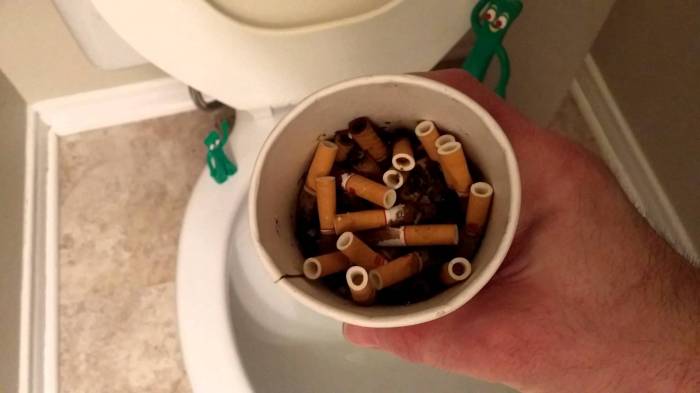
#10 Cigarette Butts
Whether you’re throwing in one butt or the entire ashtray, it’s wasteful to flush cigarette butts. Each flush uses anywhere from 1.5 to 3 gallons of water. But more importantly, cigarette butts are full of incredibly toxic chemicals that can go straight into the groundwater supply and affect our water quality. Because of their toxicity, please don’t throw them out at beaches and roads or streets either.
Cigarette filters are also not biodegradable, and when they get wet, they swell up to double or triple their original size. Swollen filters can get caught in partially clogged drains and may cause large blockages.
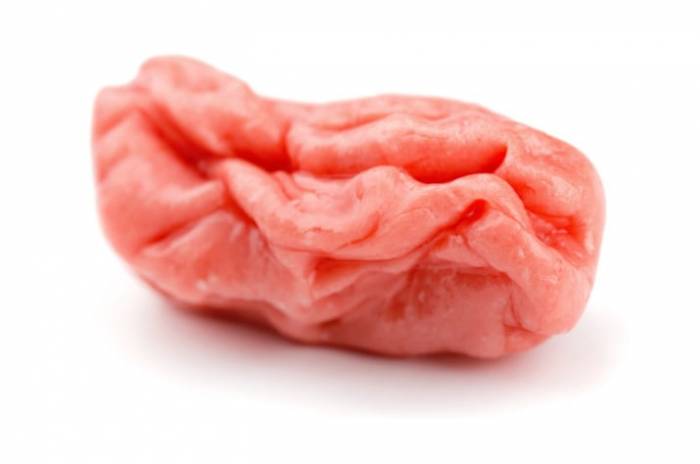
#11 Gums
Water does nothing to get rid of gum, so it tends to stick around—literally. You don't want it in your pipes!
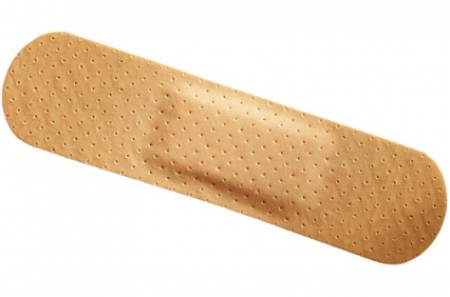
#12 Band-aids
Band-Aids are made to stick to a person’s scratch or wound, not the toilet. Sticky plastic Band-aids don’t belong in the toilet or sewer system. Trash ‘em!