Things You Shouldn't Do Before Bed
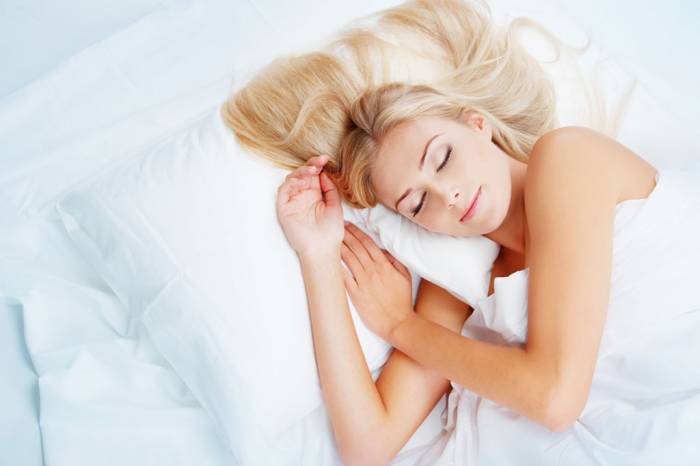
Getting a good night's sleep is important for your mood, your energy levels, and your overall health. It's also dependent on what you do during the day—how much physical activity you get, what you eat and drink, and how mentally stimulated you are—especially in the hours before you crawl into bed.
"When people suffer from insomnia or other sleep issues, it's often because of something they're doing, probably unintentionally, when they should be preparing for rest," says Michael Grandner, PhD, a psychiatry instructor and member of the Behavioral Sleep Medicine Program at the University of Pennsylvania.
#1
Oh, the power of a good night’s sleep. A whole gamut of benefits can come from getting enough rest, but for many of us, hitting the sack can be challenging. There’s plenty of advice out there about what to do to get to sleep — but what about what not to do?
Here are some pre-bedtime activities that could be hurting your chance at a good night’s sleep.
#2 Watch TV or surf the web
Studies have shown that pre-slumber screen time can impede your body’s ability to fall asleep. The likely culprit? Well, the bright lights of these screens can hinder the development of melatonin, the hormone that promotes sleep. So close that laptop and turn off that TV about an hour before bed.
#3 Exercise
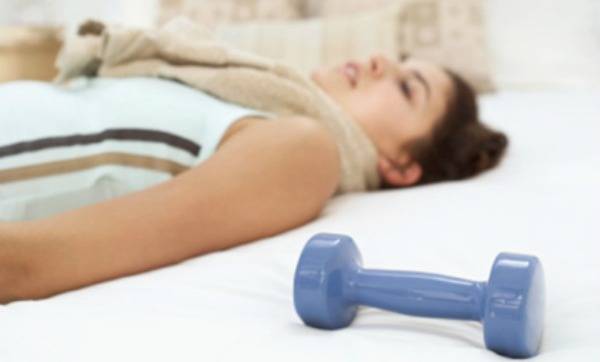
You should try to keep your workout at least two hours away from the time you go to sleep if you want better chance of drifting off to the land of nod.
This doesn’t include restful exercise such as yoga or stretching.
Exercising in general does help with sleep patterns, but it’s better to do this earlier in the day.
#4 Take a shower
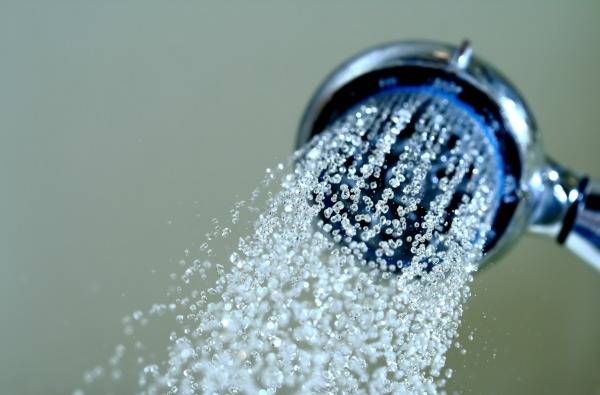
If you shower after working out at night or you are simply in the habit of bathing before bed, there's certainly nothing wrong with it; a hot bath may even help relax you and prime your body for sleep. But if you normally rinse off in the morning and you only switch it up occasionally, bathing at night could send the wrong message to your brain.
"Showers often wake people up, so it might not be the best thing to do before bed," says Grandner. People with long hair should be careful not to go to bed with wet hair, either; not only can it be uncomfortable and cause knots and tangles, but it can also make sheets and pillows damp, which could cause mold to grow.
#5 Take certain medications
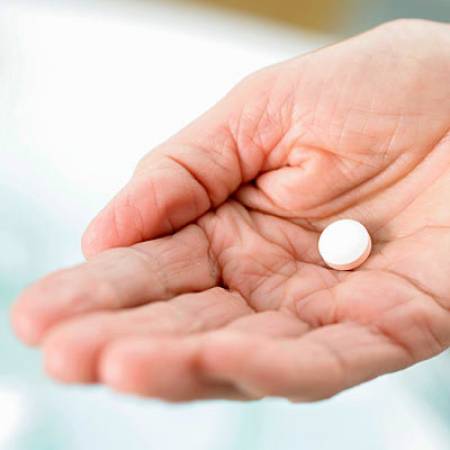
If you take medicines or supplements on a daily basis and you're also experiencing sleep problems, ask your doctor whether the time of day you take your dosage may be keeping you awake. "The effects may be subtle, but some medicines can make you alert for several hours after taking them," says Grandner. For example, antidepressants can have strong effects on sleep in either direction, and some pain medications may upset your stomach and make sleep more difficult. (On the other hand, some other medicines—such as some types of blood pressure pills—have been shown to work best when taken at night; talk to your do about when to take yours.)
A sleeping pill isn't always the answer, either: They're generally only recommended for short-term use—over-the-counter meds, especially—so if you find yourself taking them regularly, talk to your doctor about other options. A prescription drug will be safer and more effective to use for more than a few weeks at a time, but a longer-term solution that doesn't rely on medication is your best bet.
#6 Drinking coffee or tea
You should stop drinking caffeinated drinks early on in the day if you want the chance of a perfect night’s sleep.
It’s recommended you shouldn’t drink caffeine after 2pm, or eight hours before your bedtime.
#7 Work
Whatever the work or school-related issue, it can certainly wait until morning. Focusing on work stimulates your brain and can cause unneeded stress—pretty much the opposite of what you want to feel if you’re trying to fall asleep!
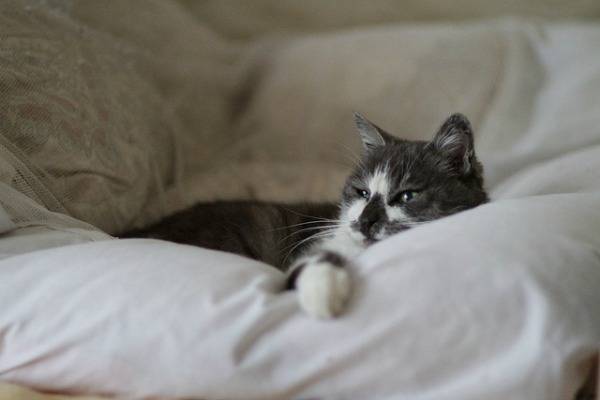
#8 Cuddle with your pets
As a child, I always wanted my beloved pet chihuahua to sleep in my twin bed. And then came the reality: it’s amazing how much space a 6 pound creature can take up—and how grumpy chihuahuas can be when you disturb their slumber. The point is, sleeping with a pet in your bed can seriously disturb your sleep.
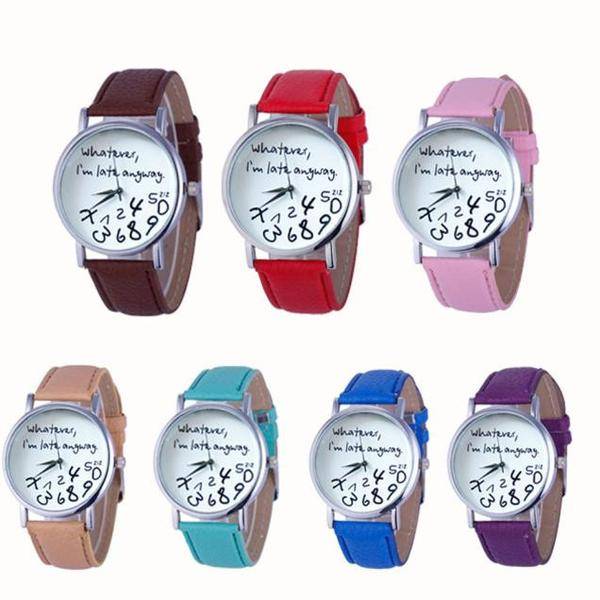
#9 DON'T SLEEP WITH WATCH.
Watch can emit a certain level of radioactivity. Though small, but
if you wear your watch to bed for a longtime, it might have adverse effects on your health.
#10 DON'T SLEEP WITH BRA.
Scientist in America have discovered those who wear bras for more than 12 hours have a high risk of getting breast cancer. So go to bed without it.
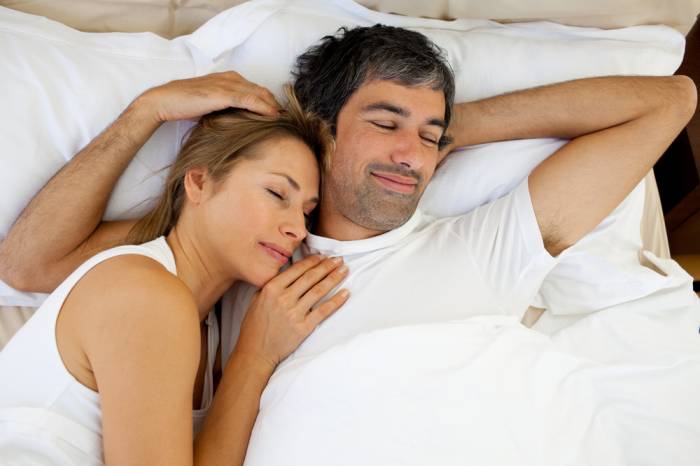
#11 DON'T SLEEP WITH OTHER PEOPLE'S WIVES OR HUSBANDS.
Scientists are of the opinion that one may never wake up again; and if this happens?? DISGRACE AWAITS, as in, one will like to b picked up dead, by loved ones from such a place to the Morgue!!!
#12 Eat chocolate
Another sneaky source of caffeine is chocolate, especially dark chocolate with high cocoa contents. "People might not think about ice cream that contains chocolate or coffee as something that might potentially keep them awake, but if they're sensitive to caffeine that could definitely do the trick," says Grandner.
Milk chocolate bars usually have less than 10 milligrams of caffeine per serving, but a Hershey's Special Dark Bar, for instance, contains 31—the amount in almost a whole can of Coke. Chocolate also contains the stimulant theobromine, which has been shown to increase heart rate and sleeplessness.
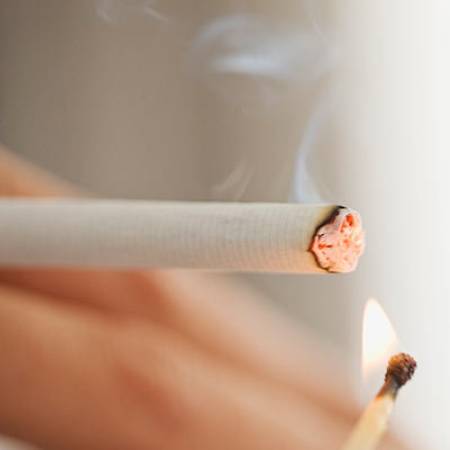
#13 Smoke
We could go on and on about all the ways smoking is terrible for you, including disturbing your sleep. Many people smoke to relax, says Grandner, but nicotine is a stimulant and can make insomnia worse, especially if you light up close to your bedtime. Nicotine withdrawal can also cause smokers to wake up earlier than they normally would in the morning.
"If you're a smoker and you're having trouble sleeping, that may be another reason you should talk to your doctor about quitting," Grandner says. It's not just traditional cigarettes you should avoid at night; e-cigarettes, smoking cessation patches, pipes, cigars, and chewing tobacco can all keep you up.