This Girl's Story Shows Exactly Why You Should Take Ticks Seriously This Summer
As the most commonly reported tick-borne disease in the United States, Lyme disease has been getting a lion's share of the attention lately.
But ticks — the U.S. has almost 100 varieties but only a few bite humans — can be hosts to nearly a dozen other diseases that can be passed on to you and your children when they latch onto your skin.
#1 Ticks are common in the United States.
They’re attracted to people and their four-legged pets, and they can easily move between the two. If you’ve spent any time outdoors, you’ve likely encountered ticks at some point.
#2
Tick bites are often harmless, in which case they don’t cause any noticeable symptoms. However, ticks can cause allergic reactions, and certain ticks can pass diseases onto humans and pets when they bite. These can be dangerous or even deadly. Learn how to recognise ticks, the symptoms of tick-borne illnesses, and what to do if a tick bites you.
#3
Kenley Ratliff was just two years old when she passed away from a mysterious illness on June 4.
#4
According to her aunt, Jordan Clapp, Kenley started out as a fever of 100.8 degrees, which quickly rose to 104. It was initially thought to be a symptom of strep throat, as the toddler tested positive for the bacterial infection.
#5
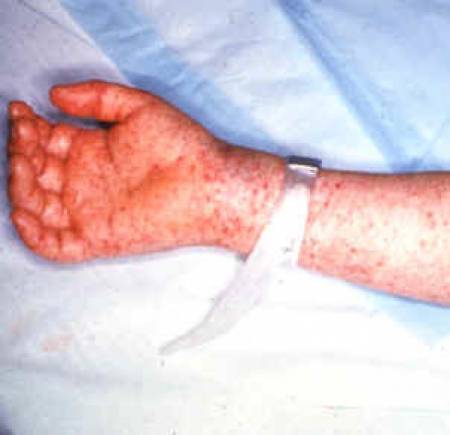
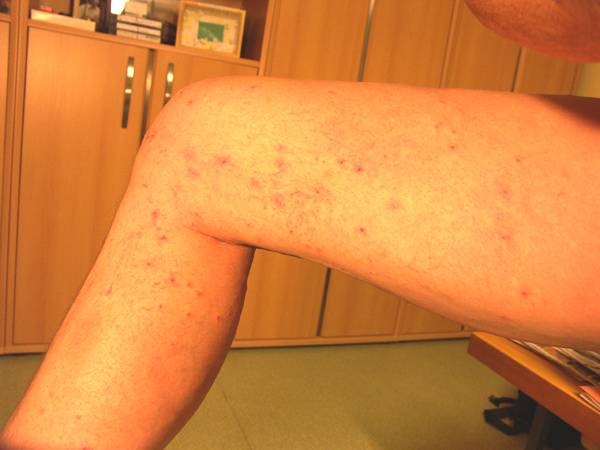
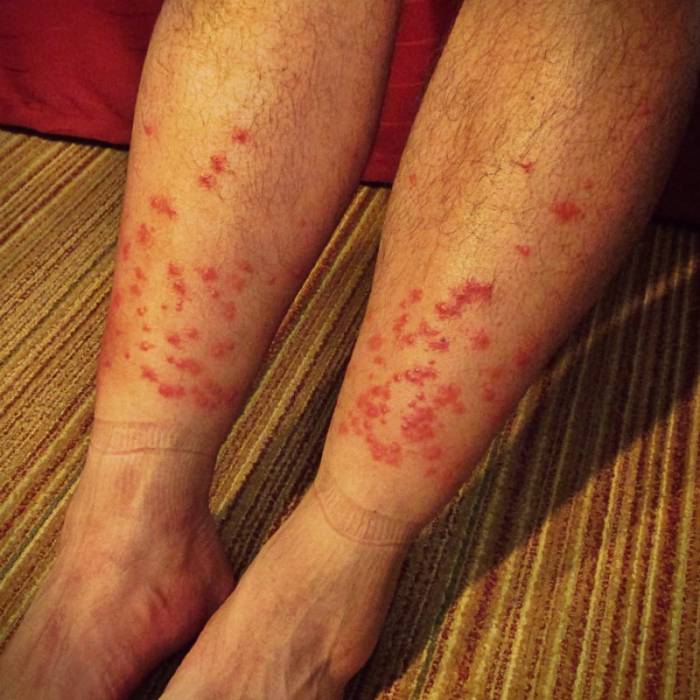
But a few days, two hospitals, and multiple rounds of antibiotics later, the little girl's fever hadn't dropped, she was so weak that she couldn't hold her head up, and she had developed pink rashes on her body.
#6
Doctors at Riley Children's Hospital in Indianapolis, Indiana, finally suspected that she might have Rocky Mountain spotted fever, a disease spread by ticks when another antibiotic turned her rashes a dark purple-red.
#7
"Because they had already given her so many antibiotics, they had to wait to give her the antibiotic to treat Rocky Mountain spotted fever," Clapp said. "By then, her brain was so swollen from the weeklong fever. She was brain-dead before they could give her the antibiotic."
#8
Now her family is sharing her tragic story as an important warning for parents to always check for ticks on their children.
#9
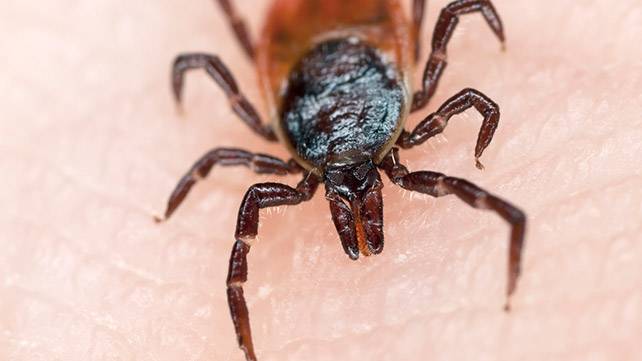
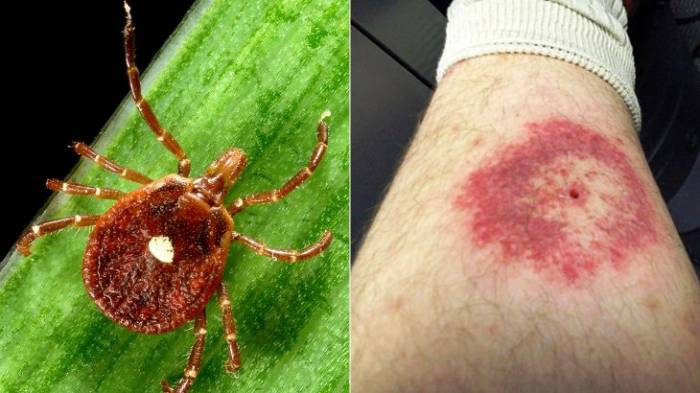
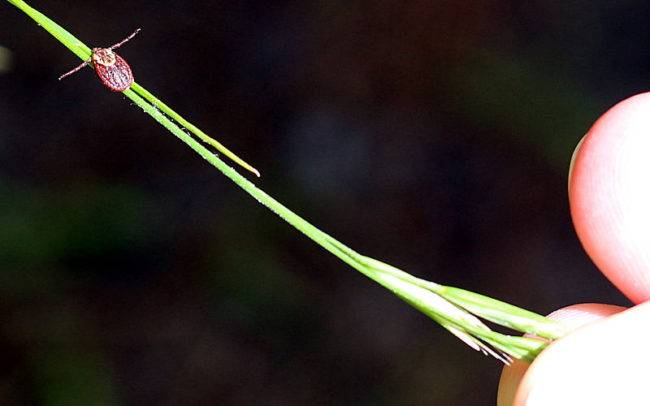
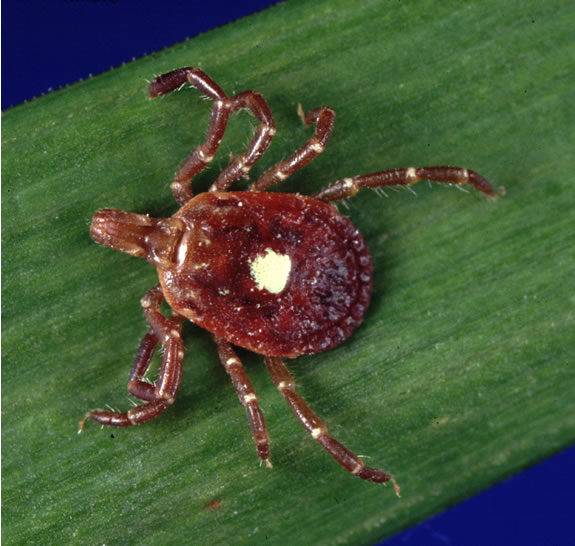
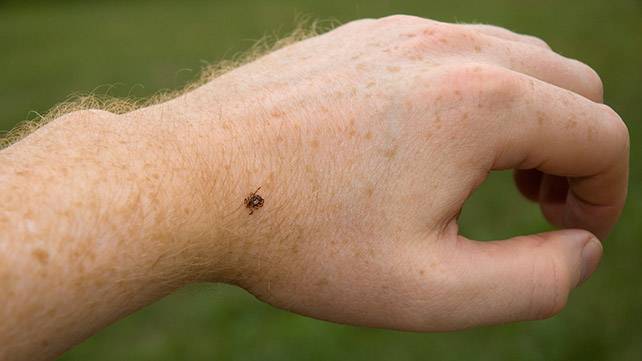
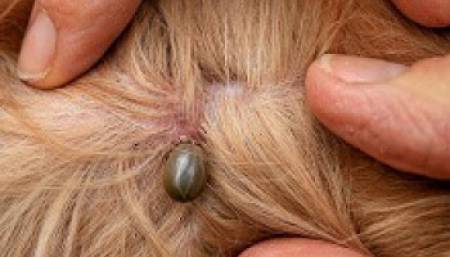
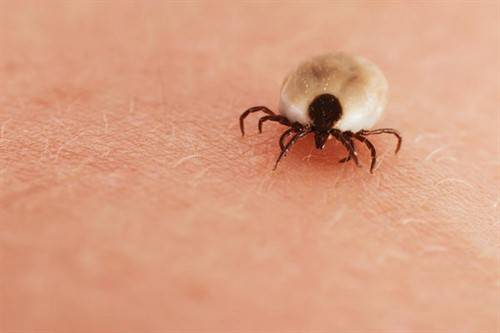
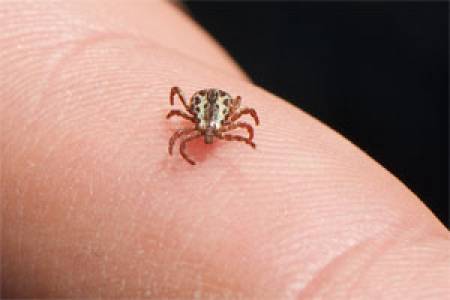
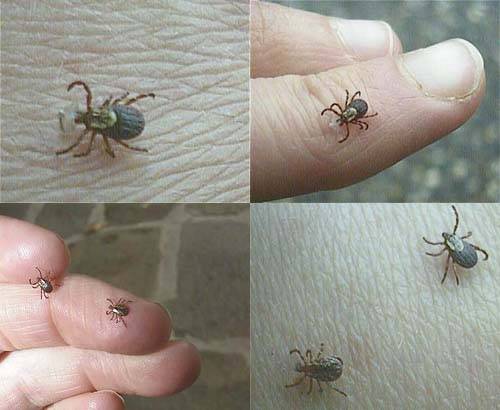
Ticks are small, blood-sucking bugs. They can range in size from as small as a pin’s head to as large as a pencil eraser. Ticks have eight legs. They’re arachnids, which means they’re related to spiders. The different kinds of ticks can range in colour from shades of brown to reddish brown and black.
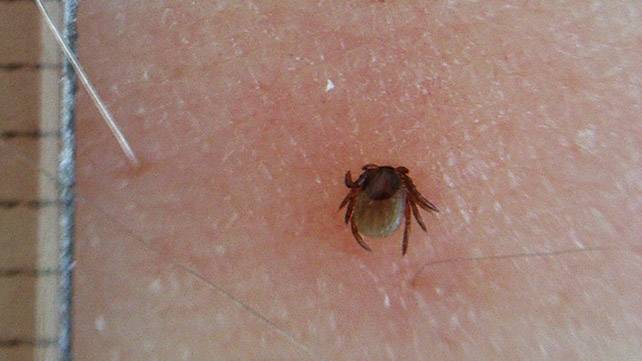
As they take in more blood, ticks grow. At their largest, ticks can be about the size of a marble. After a tick has been feeding on its host for several days, they become engorged and can turn a greenish blue colour.
#10
Ticks prefer warm, moist areas of the body. Once a tick gets on your body, they’re likely to migrate to your armpits, groin, or hair. When they’re in a desirable spot, they bite into your skin and begin drawing blood.
Unlike most other bugs that bite, ticks typically remain attached to your body after they bite you. If one bites you, you’ll likely know because you’ll have found a tick on your skin. After a period of up to 10 days of drawing blood from your body, an engorged tick can detach itself and fall off.
#11
Tick bites are usually harmless and may produce no symptoms. However, if you’re allergic to tick bites, you may experience:
pain or swelling at the bite site
a rash
a burning sensation at the bite site
blisters
difficulty breathing, if severe
#12
Some ticks carry diseases, which can be passed on when they bite. Tick-borne diseases can cause a variety of symptoms and usually develop within several days to a few weeks after a tick bite. Potential symptoms of tick-borne diseases include:
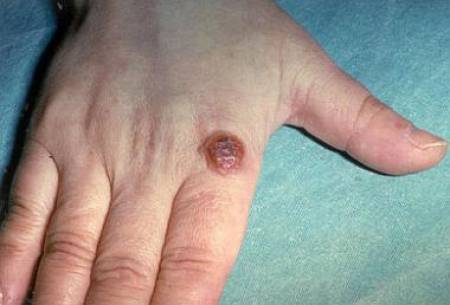
a red spot or rash near the bite site
a full body rash
neck stiffness
a headache
nausea
weakness
muscle or joint pain or achiness
a fever
chills
swollen lymph nodes
#13
Ticks that carry the bacterium Rickettsia can spread Rocky Mountain spotted fever through their bites, causing symptoms such as fever, headaches, abdominal pain, vomiting, muscle pain, and rashes in the following two weeks.
#14
Without swift treatment in the first few days, the disease can be fatal.
According to Dr. Sunil Sood, an infectious disease specialist and chairman of pediatrics at Northwell Health's Southside Hospital in Bay Shore, New York, you can use a washcloth in the shower to check for and remove any ticks that haven't already attached to your body. You can also kill them by putting your clothes in the dryer
#15
Tick bites are often easy to identify. This is because the tick can remain attached to the skin for up to ten days after it first bites. Most tick bites are harmless and will cause no physical signs or symptoms. Only certain types of ticks transmit disease.
Tick bites are typically singular because ticks don’t bite in groups or lines.
#16
Ticks can transmit disease to human hosts. These diseases can be serious. Most signs or symptoms of a tick-borne disease will begin to occur within a few days to a few weeks after a tick bite. It is important to see your doctor as soon as you can after a tick bite, even if you do not have symptoms. For example, in areas of the country where Lyme disease is common, it may be recommended under certain conditions that you receive treatment for Lyme disease after a tick bite even before symptoms start. In cases of Rocky Mountain spotted fever, the disease should be treated as soon as it is suspected.
#17
If you’re outside hiking or playing, you may pick up a tick. A tick may attach itself to your pet, too. Ticks may stay attached to your pet, or they can migrate to you while you’re touching or holding your pet. Ticks can also leave you and attach themselves to your pets.
Various kinds of ticks exist in large populations throughout the country. Most states have at least one type of tick known to live there. Ticks are at their peak population in the spring and summer months, typically April through September.
#18
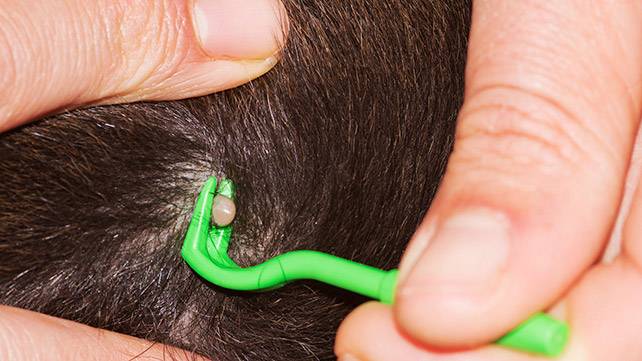
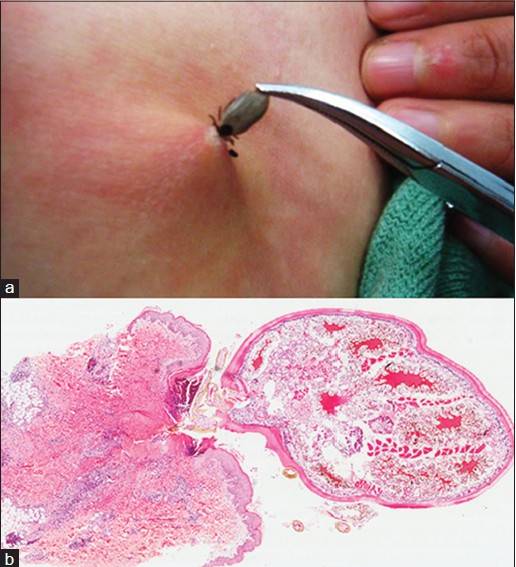
The most important thing to do when you find a tick on you is to remove it. You can remove the tick yourself with a tick removal device or with a set of tweezers. Grasp the tick as close as you can to your skin’s surface. Pull straight up and away from the skin, applying steady pressure. Try not to bend or twist the tick. Check the bite site to see if you left any of the tick’s head or mouth parts in the bite. If so, remove those. Clean the bite site with soap and water.
Once you have removed the tick, submerge it in rubbing alcohol to make sure it’s dead, and place it in a sealed container. See your doctor as soon as possible to find out if any treatment is necessary based on the type of tick that bit you. Depending on what location you were in when bitten, different parts of the country have different risks when it comes to diseases from tick bites. It is important to see your doctor soon after a tick bite so you can talk about your risks, what complications to look for and when to follow up.
#19
Preventing tick bites is the best way to avoid a tick-borne illness.
Wear long sleeves and long pants when walking in the woods or grassy areas where ticks are common.
Walk in the centre of trails.
Use tick repellant that’s at least 20 percent DEET.
Treat clothing and gear with 0.5 percent permethrin.
Take a shower or bath within 2 hours of being outdoors.
Check skin closely after being in tick-prone areas, especially under arms, behind ears, between legs, behind knees, and in hair.
It typically takes over 24 hours of feeding for a tick carrying disease to infect a person. So the sooner a tick can be identified and removed, the better.
Please share this story with other parents as a reminder to watch out for ticks this summer. You never know if it might end up saving a child's life.