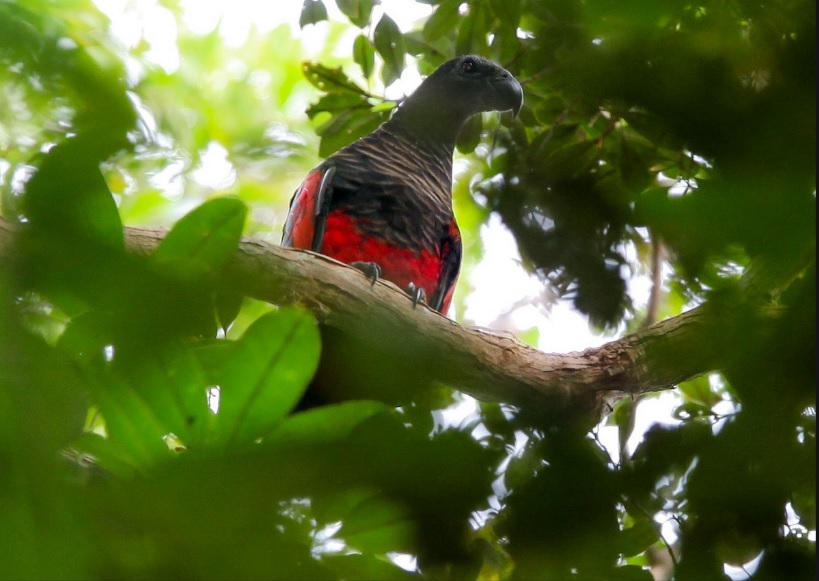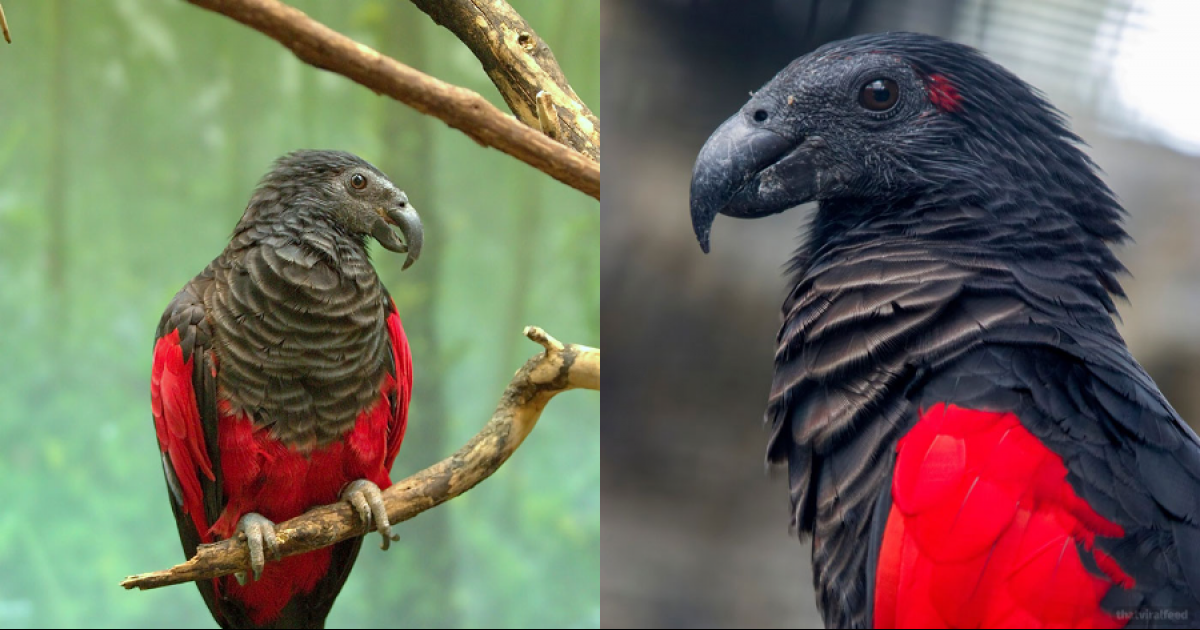
Tell us what you think about parrots first! They are indeed cute, vibrant, and occasionally chatty. Nonetheless, parrot species are far more varied than you may realize. Have you heard of Pesquet's parrot (Psittrichas fulgidus), also referred to as the Dracula parrot? Our major figure today on stage is this bird.
advertisement
This parrot species was named in honor of the person who first collected specimens of the bird, M. Pesquet (naturalist Jean-Guillaume Bruguière's colleague). It was officially described by French zoologist Charles Lucien Bonaparte in 1844.
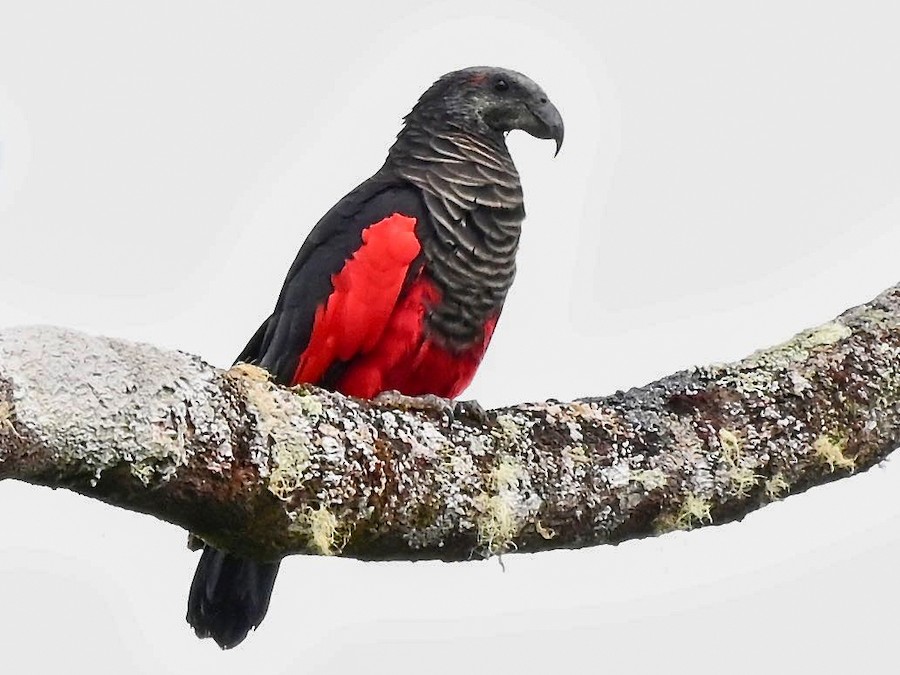
Pesquet's Parrot is found in the rainforests of Papua New Guinea, as well as the nearby islands of Salawati, Yapen, and Waigeo. These birds prefer to live in undisturbed primary forests with tall trees.
advertisement
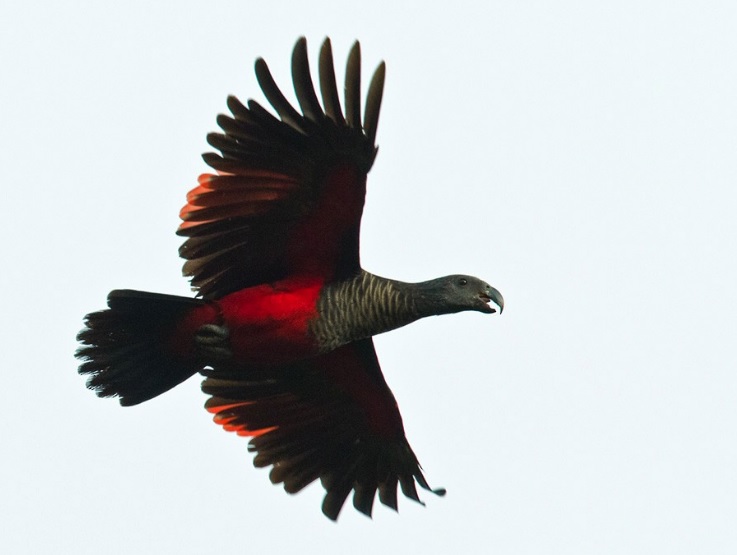
Pesquet's Parrot is one of the largest parrot species in the world, with males and females measuring up to 50 cm (20 inches) in length. They have a wingspan of about 75 cm (30 inches). They weigh around 680–800 g (24–28 oz).
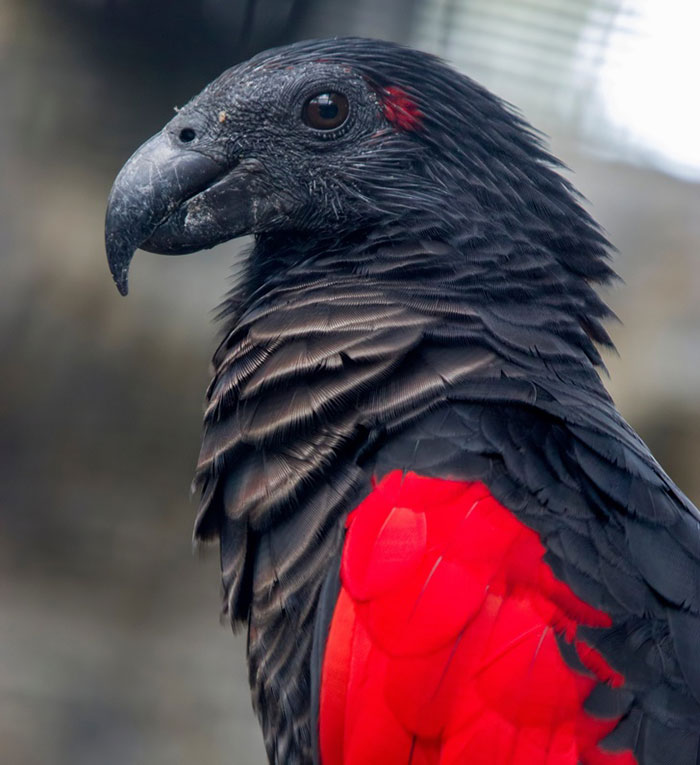
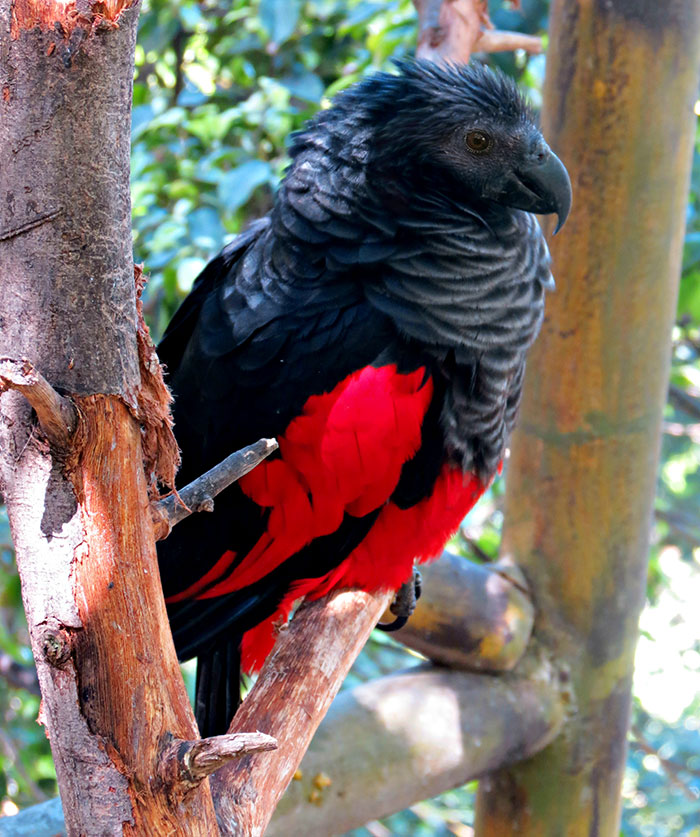
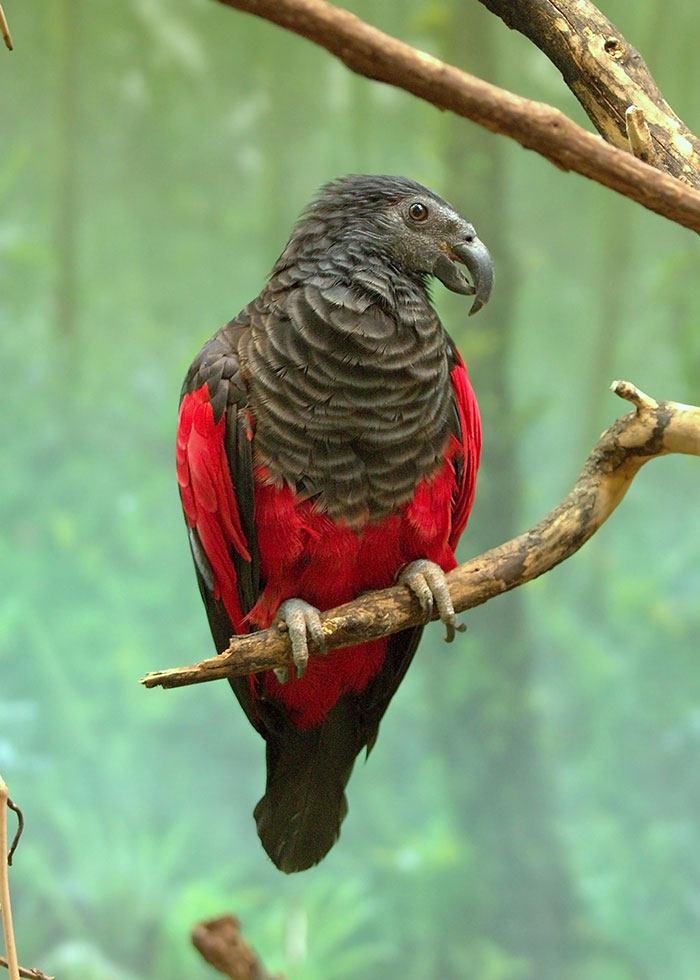
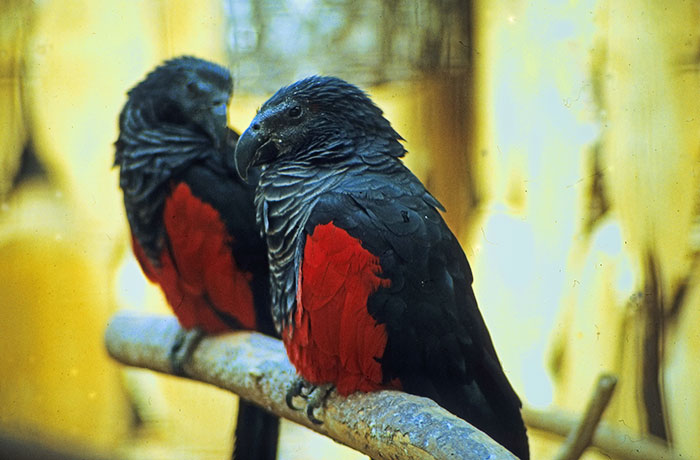
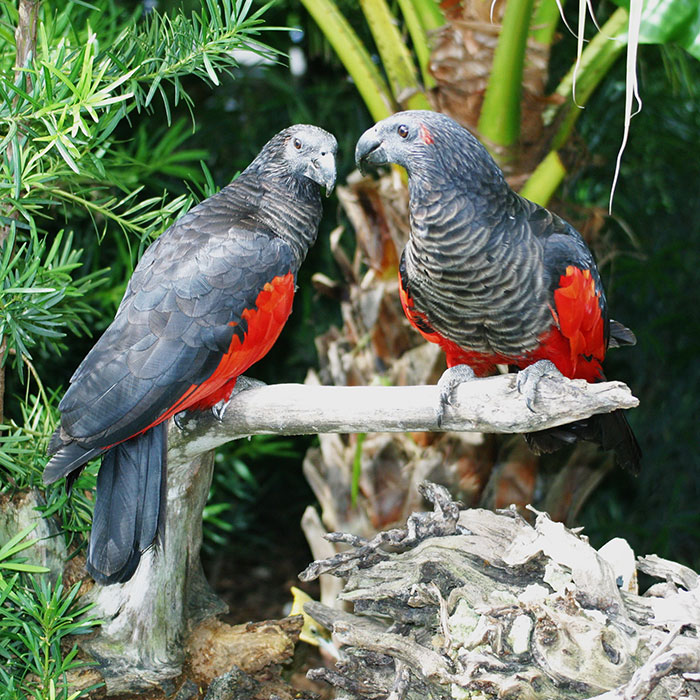
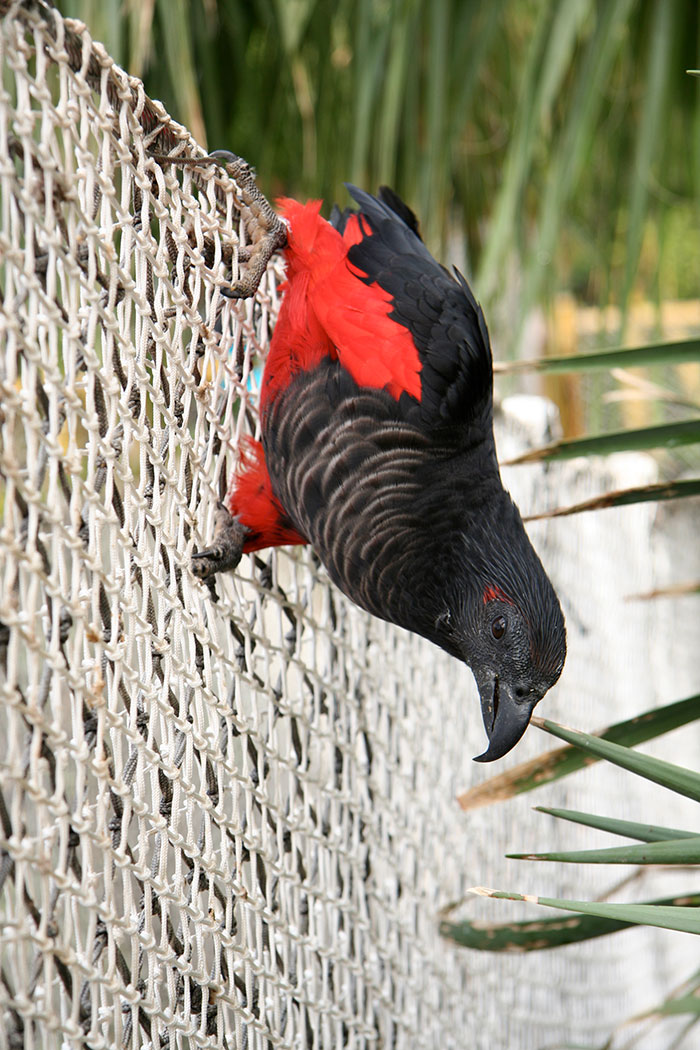
Pesquet's Parrot has a distinctive appearance with its glossy black feathers, bright red belly, and yellow eyes, which make it look similar to the fictional vampire Dracula.
Its appearance has led to it being called the "Dracula Parrot".
advertisement
Pesquet's Parrot is a frugivore, meaning it feeds mainly on fruits. Its specialized diet includes figs, papaya, and other fruit, as well as seeds, nuts, and insects.
advertisement
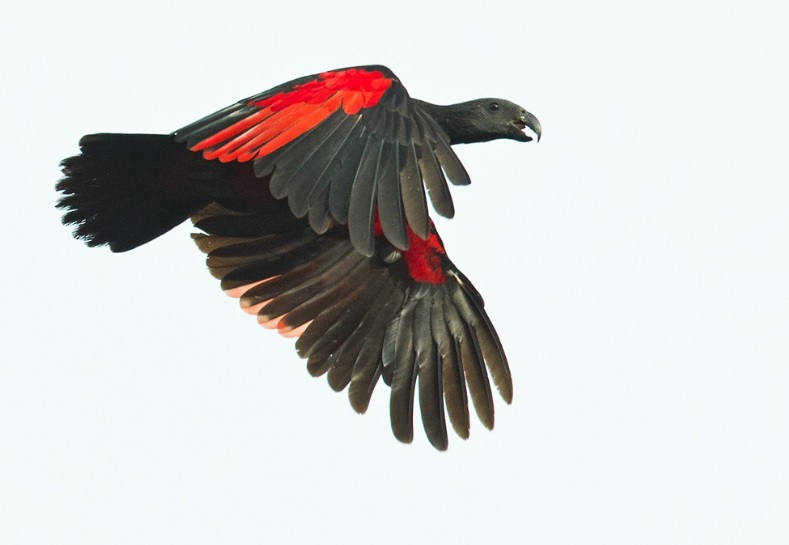
The parrot's short, hooked beak is perfect for cracking open tough fruit and nut shells. This helps the bird access the tasty fruit and nuts inside.
advertisement
Pesquet's Parrot is highly social and is often found in small flocks of up to 20 birds. These flocks are usually made up of family groups.
advertisement
Unlike other parrot species, Pesquet's Parrot does not build its own nests. Instead, it lays its eggs in natural tree cavities or abandoned nests of other birds.
advertisement
The Dracula Parrot is classified as Near Threatened on the IUCN Red List due to habitat loss caused by deforestation, as well as poaching for the pet trade. These factors have led to a decline in the parrot population.
advertisement
The unique appearance and behavior of Pesquet's Parrot have made it a popular subject for birdwatchers and nature photographers.
Bird enthusiasts travel to Papua New Guinea to observe and photograph this fascinating species in the wild.