Researcher Jacinthe Assad consulted on the looks of each decade, which correlate with the cultural and political issues of each time period.

This Is How Egyptian Fashion Changed Over The Last 100 Years
By
Editorial Staff in
Fashion
On 17th February 2016
advertisement
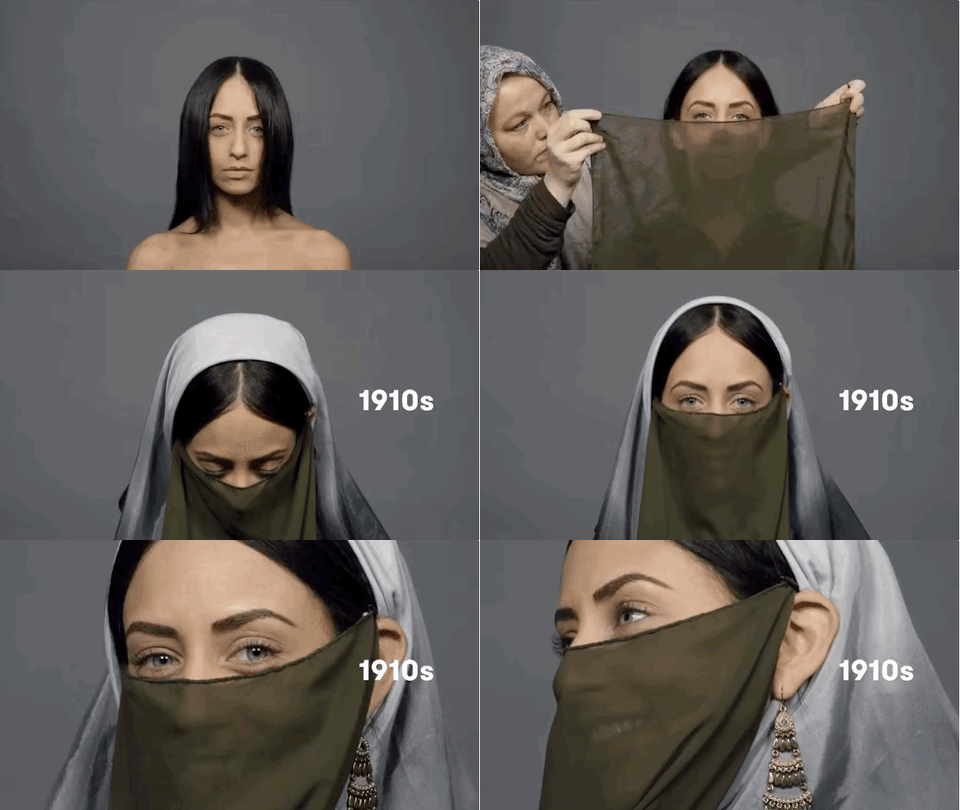
#1 This 1910s look is what women would wear in urban settings when they’d step out the house.
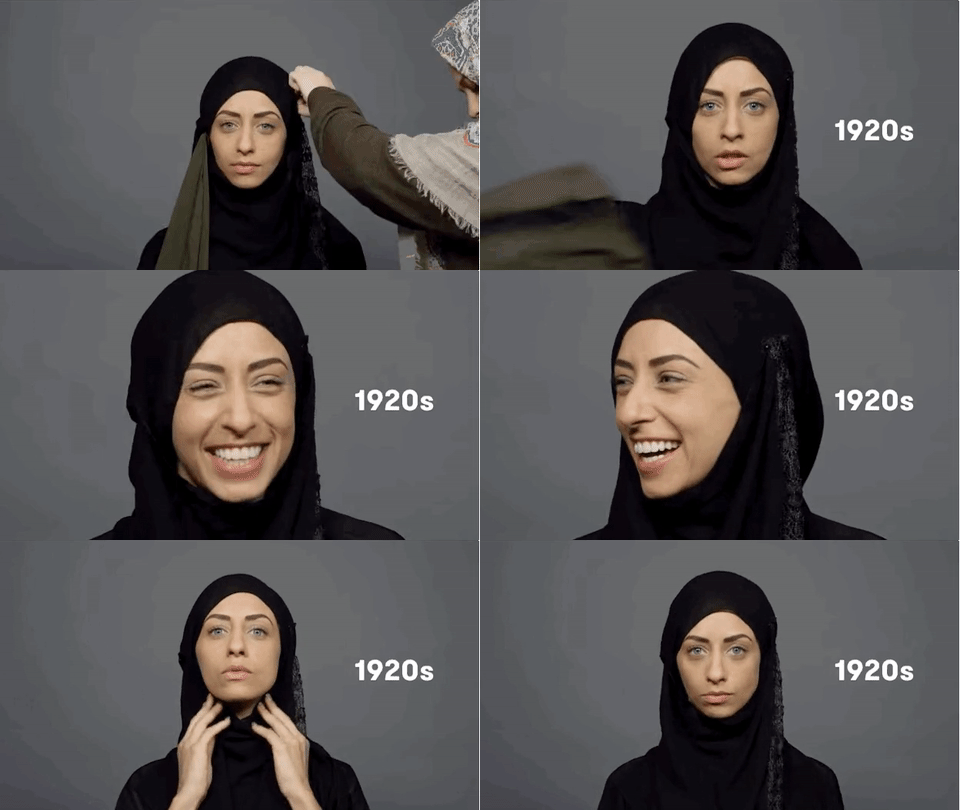
#2 The ’20s look is a nod to Huda Shaawari, an Egyptian feminist pioneer who removed the veil in protest.
"It was a sign of liberation. She is the pioneer of the Egyptian feminist movement," Assaad says.
advertisement
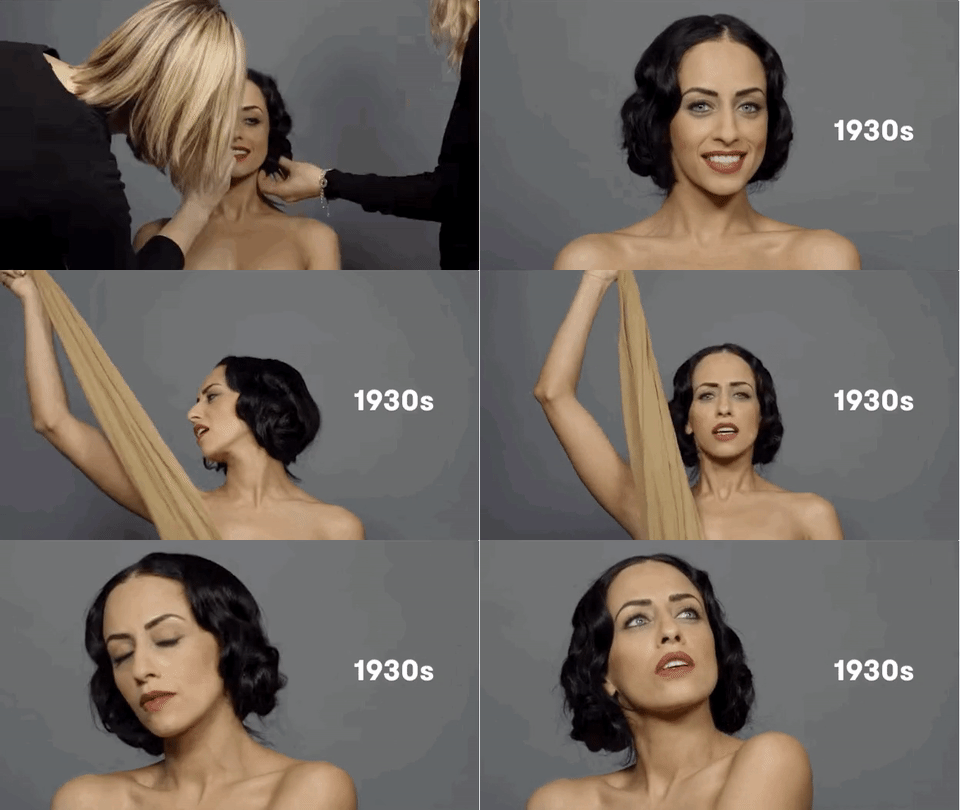
#3 The ’30s look reflects the start of Egyptian cinema.
"This look was inspired by Umm Kulthum, who is known as the star of the Middle East. She was the most prominent Egyptian singer. She used to hold a handkerchief and express her emotions deeply as she sang."
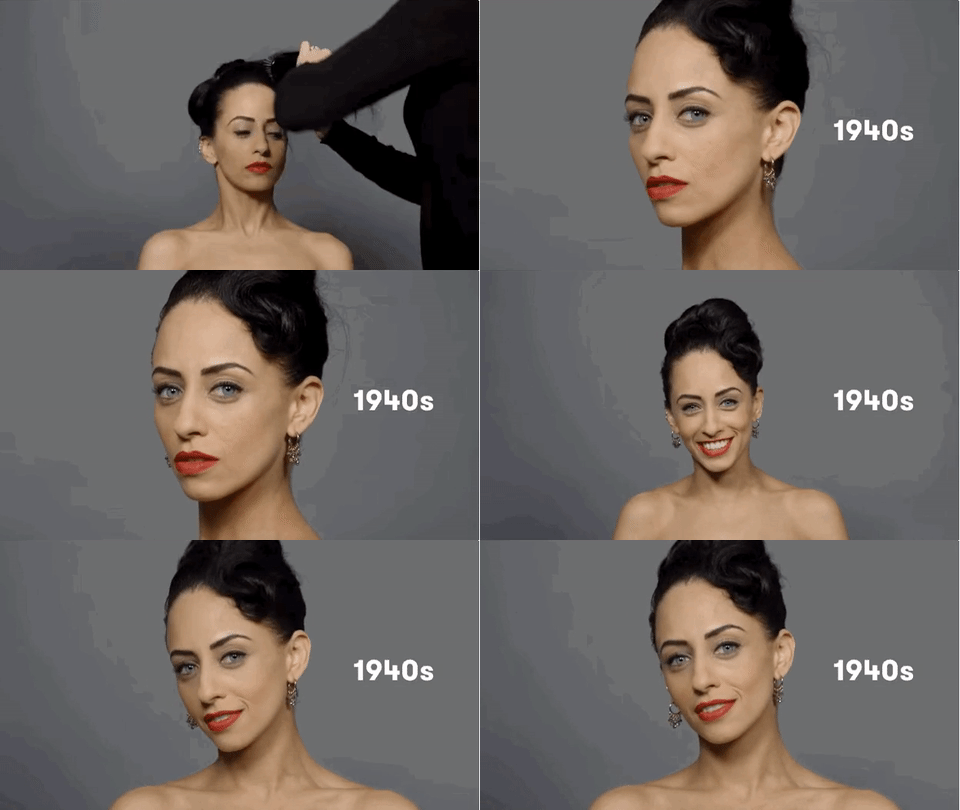
#4 This 1940s style was inspired by Egyptian Princess Fawzia Fuad.
advertisement
#5 Hijab didn’t come back in style until the 1980s, a sign of protest against President Anwar Saddat.
"There was a lot of social dissent against the Open Door policy of President Anwar Sadat. One reason was that he was very Westernized and he allowed a lot of Western norms to infiltrate society. Religiously minded people chose to migrate to the gulf." Assaad said.

advertisement
#6 The 2010s look represents the Egyptian revolution, and the wrestling of traditional cultural norms with more modern fashion influences.
"One of them is the symbol of the flag that women used to wear as a headband during the protests. During the revolution, the youth fought for the right to be heard, and the right to be heard is embodied in the right to vote in an election that we hope is not corrupt."