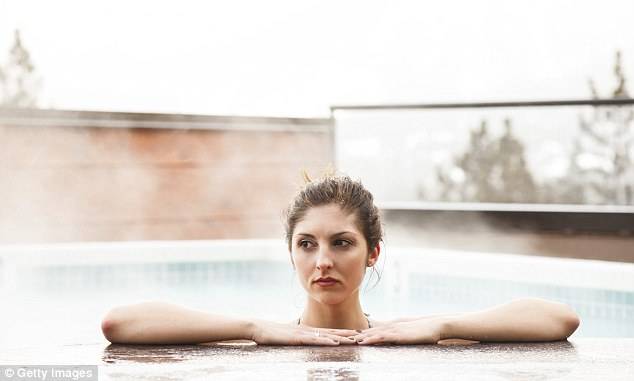
Despite everything you've probably learned, it's possible that chlorine is good for your skin. Kinda. It's no secret that chlorine can wreak havoc on skin and hair. Swimming in pools that are disinfected with chlorine are notorious for drying out skin and hair, making it necessary to slather on the moisturizer and immediately wash and condition hair right after hopping out. But can the chlorine in swimming pools actually help clear up breakouts? The answer is somewhat complicated.

This Is What Chlorine Really Does To You!
By
Editorial Staff in
Health and Fitness
On 7th August 2017
advertisement
#1 Introduction
There are 10.4 million residential swimming pools in the US.
The majority of those pools will be cleaned using chlorine, a disinfectant that destroys and deactivates germs. The American Chemistry Council writes that chlorine's disinfectant qualities come from its ability to bond with and destroy the outer surfaces of bacteria and viruses. Chlorine has the power to clean and sterilize swimming pools, along with hospitals and hotels, but it can also affect your body.
#2 What is Pool Chlorine?
Chlorine is a naturally-occurring element, and one of the most effective weapons against the E. coli bacteria. It is used in public swimming pools and water treatment plants.
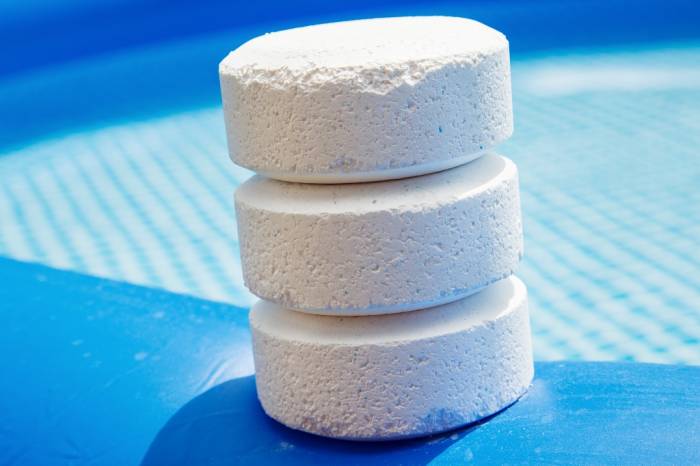
The white powder or cakes we use to clean and disinfect private swimming pools is actually sodium hypochlorite.
Both work by breaking down the fats in the cell walls of bacteria and microorganisms, making the enzymes inside harmless
advertisement
#3 How Does Pool Chlorine Affect Your Skin?
Aside from the harsh chemical smell you can get by over-chlorinating a pool, chlorine has very little effect on the skin in the amounts that are present in a swimming pool. People with very sensitive skin might react to even the smallest presence of chlorine, but most people will not.
According to Dr. Norman Levine, your dry, itchy skin is caused by being in the water for extended periods of time. This washes away the natural oils that coat the outer layer of the skin, allowing the moisture inside to dry very quickly. Tiny fissures can form, which leads to itchy skin.
#4 Aggravating Acne
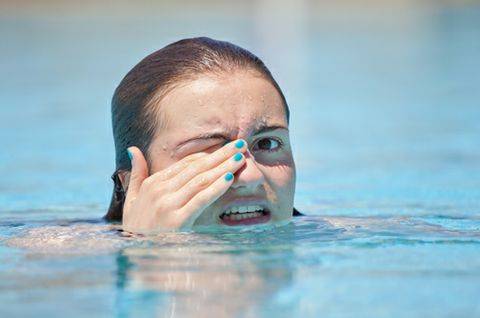
Though chlorine can dry out the skin, this isn’t necessarily a good “cure” for acne (a common myth). Initially, with minimal exposure, those who suffer from acne may see an improvement after swimming in chlorine. But repeated exposure to chlorinated water can causes excessive dryness, and therefore can certainly aggravate existing acne. If your skin becomes too dry, oil production is then kicked into overdrive. And as we all know, excess oil can clog pores and therefore cause more acne. If you suffer from acne or break outs, just be sure to be kind to your skin and moisturize after swimming.
advertisement
#5 Losing Luster
If your hair is exposed to chlorine, it can lose shine over time and become matted. Higher concentrations of chlorine means the exterior structure of your hair strands becomes nearly transparent, which means the cuticles of your hair lose the protection it needs to stay strong, full of protein, and shiny. Our hair is like a sponge, and that sponge absorbs everything – good and bad. Load up your hair with clean water and hydrating oils to help minimize the space for chlorine to fill.

advertisement
#6 However, doctors agree that chlorine is an effective cleaner.
Although the smell of chlorine is distinct, it's known for its effective cleaning properties.
Dr. Ali Hendi, a board-certified dermatologist who practices in Chevy Chase, Maryland, doesn't think there is any danger in swimming in chlorinated water — but he does believe there are risks in unclean water.
"There's a known and significant danger of swimming in water which is not clean and may have bacteria such as E. coli," he told INSIDER. "In fact patients with chronic and recurrent skin infections are often advised to take dilute bleach baths using one cup of Clorox in a bathtub water to help minimize risk of recurrent infections."
Friedman agrees, and added that not using chlorine can allow pathogens to flourish which could potentially cause infection.

advertisement
#7 Protect Your Hair Before You Swim
Dry hair will absorb chlorine directly into the hair shaft, but wet hair will slow down its absorption.
Wet your hair and add an oil or silicone-based hair product like conditioner, serum or coconut oil. This will act as a barrier to the chlorine without leaving a residue in the water.
Consider a swim cap. Not the most fashionable, but its 99% effective! It’s still a good idea to wet your hair even when wearing a swim cap since it doesn’t keep the water out 100%. An easy trick is to use some warm water to help get your cap on, both wetting your hair and making it easier to put on.
It’s not recommended to use any barrier products to protect your skin before entering the pool. It doesn’t do much and it also can effect the pools chemistry
advertisement
#8 Prevent DRY, IRRITATED SKIN
Since Chlorine strips your skin of its natural oils (while also protecting you against harmful bacteria in your pool water) you will want to take care of your skin to prevent dryness and any rashes for those with very sensitive skin.
Right after your swim, go straight to the shower and rinse the chemicals off your skin with soap and water. If your skin is super sensitive, you can opt for swimmer specific body washes that will neutralize the chlorine.
If you’re going to use moisturizer, look for products high in antioxidants like vitamin E and vitamin C. These will help neutralize the chlorine as well.
advertisement
#9 Correcting Pool Chlorine Skin Damage
Many websites suggest exfoliating the skin to "scrub off" the chlorine, but if the pool is properly chlorinated this isn't necessary.
if you think that the pool you swim in is over-chlorinated, then definitely rinse off carefully every time you come out of the pool. If your skin is irritated and itchy, treat it gently.
Throughout the summer, it's a good idea to increase the use of your daily moisturizer (or start using one) after you bathe and before you go to bed.
If you take baths in the summer, use a good bath oil to replenish your skin while you soak. If you prefer to shower, use a moisturizing body wash.
advertisement
#10 Some Recommendations
1. Swim in an outdoor chlorinated pool. It is much safer due to the fact that the majority of the toxic gases are eliminated in the air.
2. Swim in chlorinated pools occasionally. It is the regular exposure to chlorinated pools that presents the greatest risk to health.
3. Shower immediately before and after with a natural soap like Castile soap.
4. Drink plenty of non-chlorinated, filtered water beforehand so that you are well hydrated.
5. Consider wearing a mask and snorkel to shield your eyes – and even a wetsuit, if you are willing to go that far!
6. Get fresh air afterward so you don’t continue to inhale the fumes, and can clear your lungs.

advertisement
#11
To make sure that your occasional swim sessions are working for you and not against you, it is important to not spend too much time in the water, immediately shower when you're done to wash any lingering chemicals off of your skin, and moisturize. Also, keep in mind that chlorine is caustic, and what we call "chlorine" in pools is actually a combination of a few different types of chemicals. So please, DO NOT try to DIY your own chlorine-based acne treatment. An occasional dip can help keep breakouts under control, but for the sake of your skin (and hair), balance your time spent in the pool, and don't forget to moisturize!